










Product Details
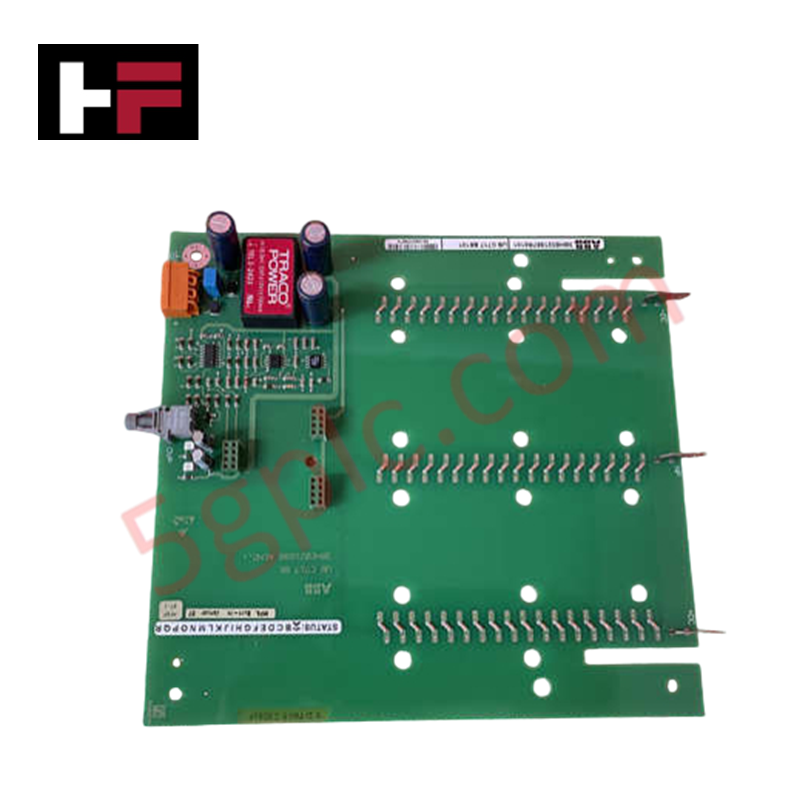
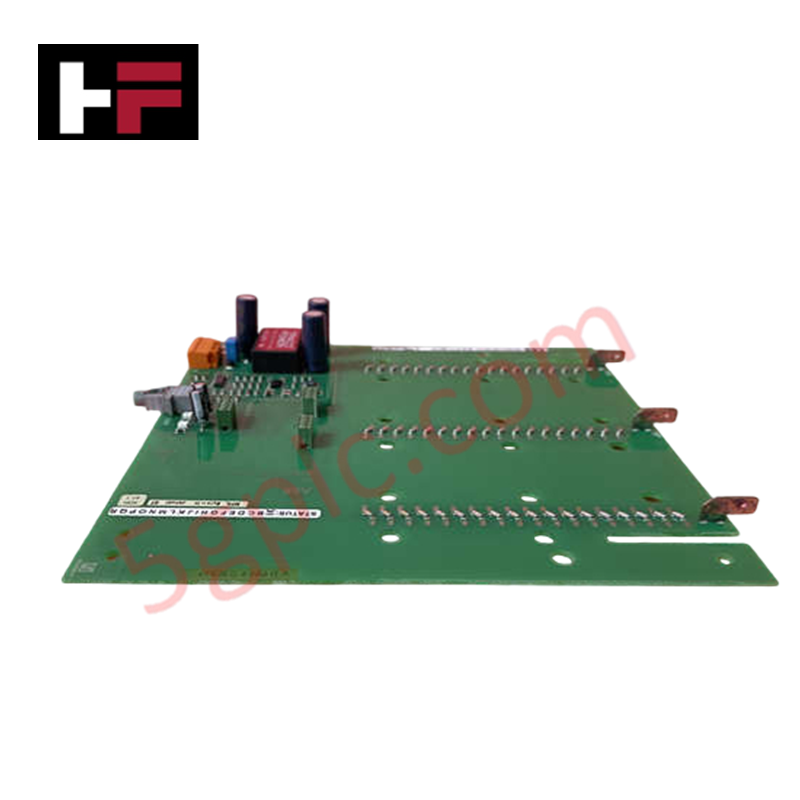
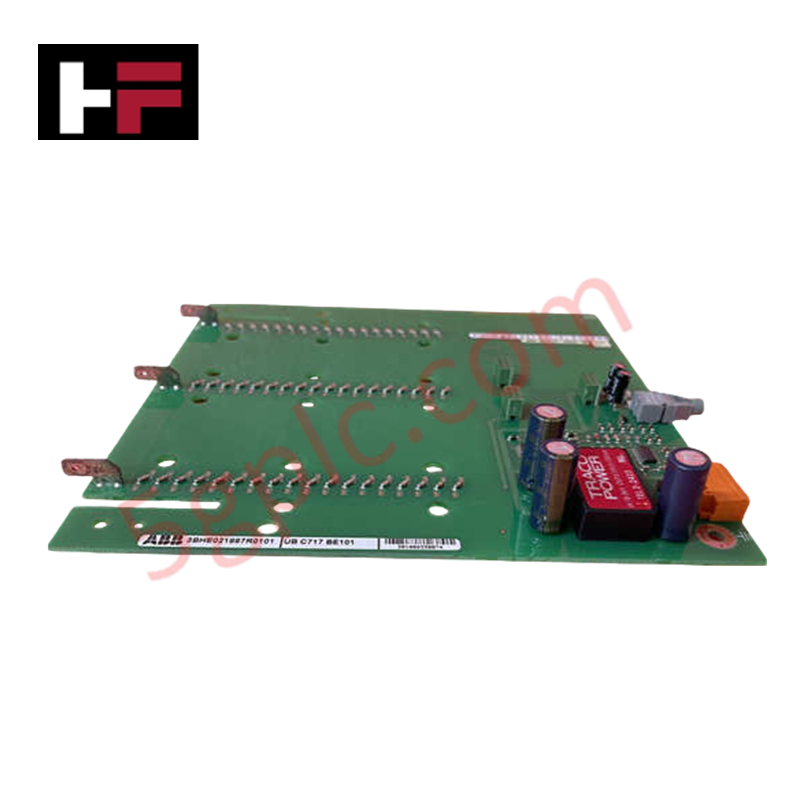
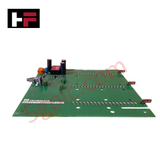
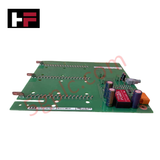
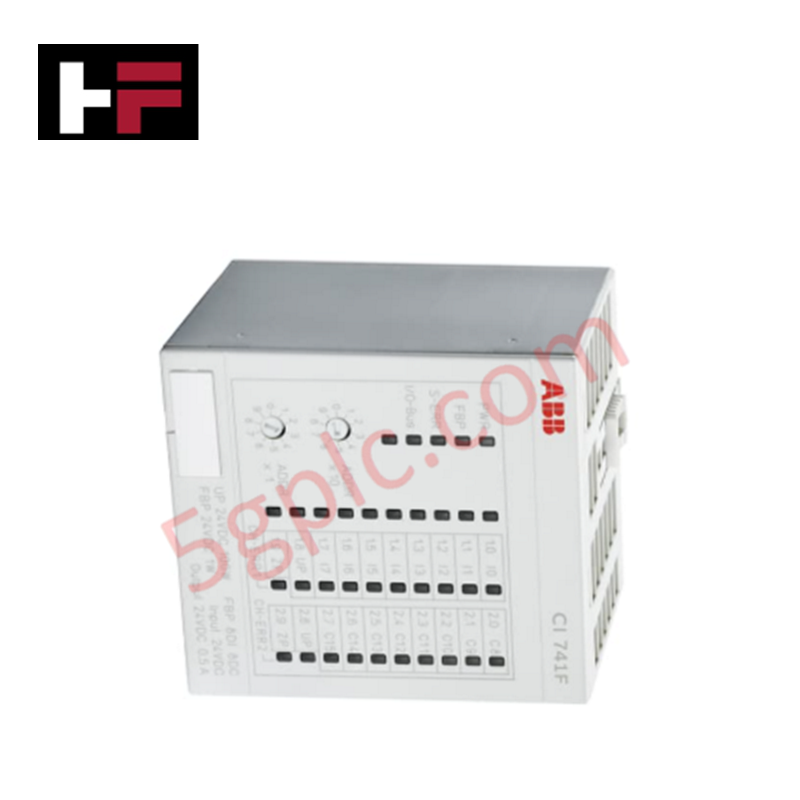
The ABB UBC717BE101 3BHE021887R0101 serves as the primary UBC717BE101 Control Module utilized to execute complex control algorithms and logic tasks across ABB automation platforms. The hardware processes electronic data via an integrated processor unit, enabling physical execution of precise control loops and continuous tracking functions over dedicated network connections. It implements direct system commands via standard hardware-bound communication links, sustaining real-time processing variables within fixed-cycle environments.
Hardware Specifications
| Parameter | Specification |
|---|---|
| Model | UBC717BE101 3BHE021887R0101 |
| Brand | ABB |
| Origin | Switzerland |
| Weight | 0.45 kg |
| Dimensions | 150 mm x 115 mm x 45 mm |
| Operating Temp | 0 to +60 deg C |
| Power Consumption | 12 W |
| Power Supply Voltage | 24 VDC |
| Storage Temperature | -40 to +85 deg C |
| Communication Interface | Ethernet, Serial Ports |
| Installation Method | DIN-rail mounting |
Profinet / EtherNet/IP Deterministic Networks and Firmware Flash Compatibility
The hardware subsystem relies on synchronized protocols to arbitrate multi-node data streams. Prior to deploying the module within Profinet / EtherNet/IP deterministic networks, engineers must verify internal firmware flash compatibility to match the revision indices of the master control cluster. Any divergence in the flash compilation matrix disrupts backplane bus synchronization schedules, inducing processing jitter and extending packet propagation delays across the local network topologies.
Frequently Asked Questions
Q: Does the UBC717BE101 module support online hot-swap operations under 24 VDC load?
A: No, this unit is restricted from un-isolated extraction. The external 24 VDC power source must be disconnected prior to dismounting the module from the DIN-rail to prevent voltage transient degradation of the processing circuitry.
Q: How is the systemic latency affected during communication packet bursts on the Ethernet port?
A: The onboard hardware controller separates the execution of critical control logic loops from network communication stacks, maintaining deterministic execution times regardless of external bus traffic density.
Q: What are the specific memory restoration constraints when updating the module firmware?
A: Executing a firmware flash update overwrites volatile runtime memory sections. All application logic baselines must be backed up externally and reloaded post-flash to resume deterministic operations.
Field Installation Guidelines
Mount the control module vertically onto a standard grounding-verified DIN-rail assembly within an enclosure that regulates internal dust and humidity levels. Route all physical serial and Ethernet communication cables away from three-phase power lines and high-current variable frequency drive outputs to eliminate electromagnetic cross-talk. All signal wire terminations at the connector terminal blocks must adhere strictly to the prescribed torque specifications to maintain structural electrical continuity during continuous operational vibration. Maintain an unhindered 50 mm vertical air boundary around the chassis to allow standard convective cooling within the 0 to +60 deg C operating range.
Additional Information
- 100% Genuine Parts: All products are original and authentic, ensuring reliable industrial performance.
- 30-Day Refund Guarantee: Return any in-stock item within 30 days in original, unopened packaging for a full refund (excluding shipping and fees).
- 12-Month Warranty: Covers defects in materials or workmanship; excludes misuse, normal wear, or unauthorized modifications.
- Worldwide Shipping: We ship via USPS, UPS, FedEx, and DHL. Delivery times vary by country and may be subject to customs or import fees.
- Support & Contact: Technical and warranty assistance is available anytime. Contact us here: Contact.
- Purchase Guidance: Check product specifications and compatibility carefully before ordering to ensure proper application.






Tech & Buying Guide

Demystifying the DDE Protocol in Legacy Industrial Automation Systems
Modern control systems rely heavily on seamless interprocess communication to exchange operational data between software programs. Microsoft first introduced the Dynamic Data Exchange (DDE) protocol in 1987 to enable real-time data sharing. In factory automation, DDE served as an early bridge between control software and Windows desktop applications. Therefore, understanding DDE mechanics provides crucial insights into how legacy industrial networks established software-level connectivity.

Demystifying CPU Communication Ports in Siemens PLC Architectures
Industrial automation relies heavily on robust data exchange between devices. Without seamless connectivity, field instruments, network switches, human-machine interfaces, and programmable logic controllers cannot coordinate effectively. Therefore, understanding the various CPU communication ports available in Siemens hardware ensures efficient factory automation design and seamless system integration.

Mastering the Siemens PLC Scan Cycle: How the CPU Executes Automation Programs
Industrial automation relies heavily on programmable logic controllers (PLCs) to manage complex manufacturing processes. Many engineers dive straight into programming without mastering the underlying architecture. However, understanding how a PLC CPU executes a program ensures reliable system design. Therefore, mastering the scan cycle optimizes both performance and troubleshooting in modern control systems.