










Product Details
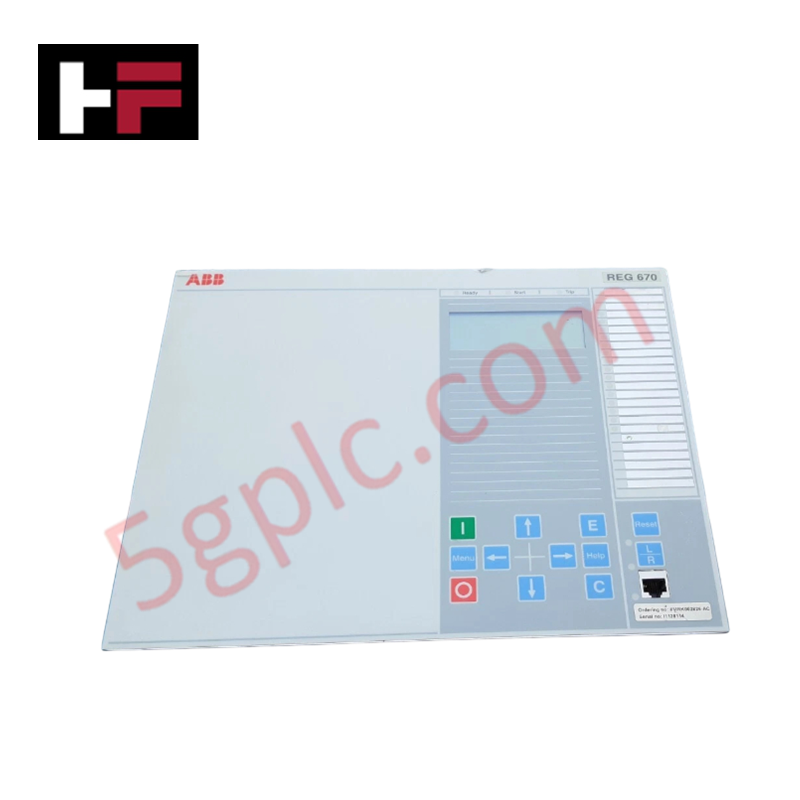
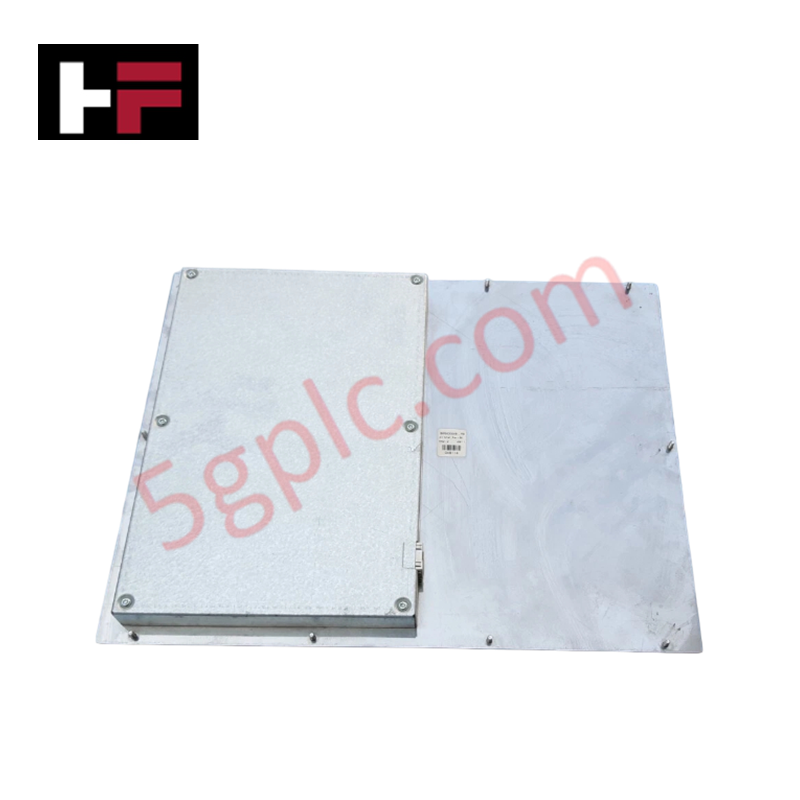
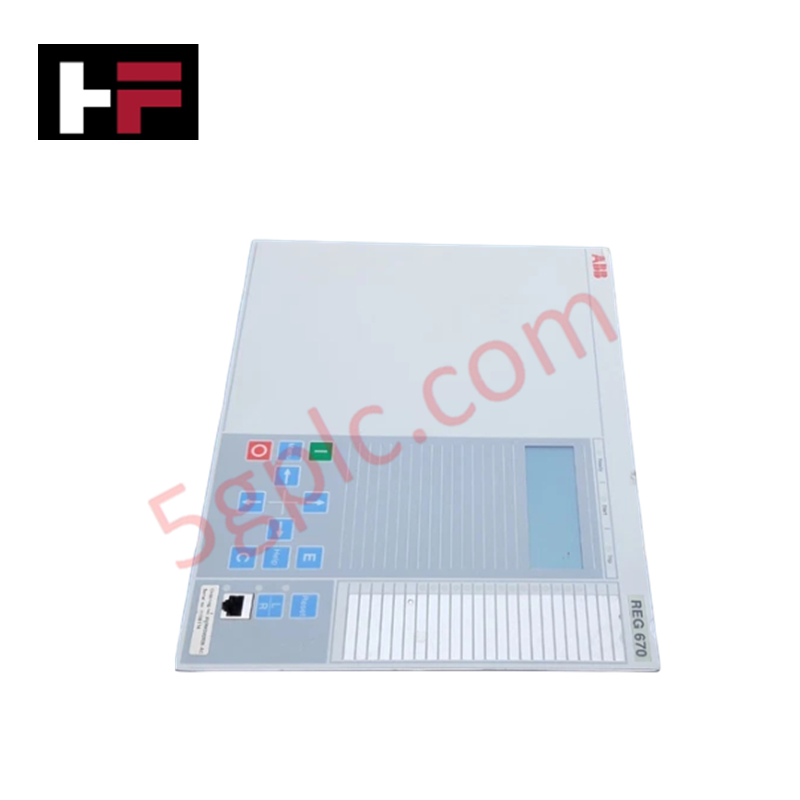
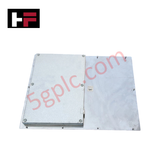
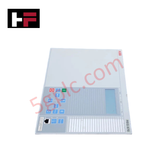
The ABB REG 670 1MRK002826-AC, also cataloged as the REG670 Generator Protection Panel, operates as a dedicated hardware component for generator and generator-transformer block protection within electrical power generation networks. The system executes real-time evaluation of overcurrent, overvoltage, undervoltage, and phase loss parameters to trigger high-speed protective isolating actions before physical asset thresholds are breached.
Hardware Specifications
| Parameter | Specification |
|---|---|
| Model | REG 670 (1MRK002826-AC) |
| Brand | ABB |
| Origin | Sweden |
| Protection Suite | Overcurrent, Overvoltage, Undervoltage, Phase Loss |
| Chassis Format | 6U height, standard rack-mountable enclosure |
| User Interface | Large graphical HMI with localized control buttons |
| Scalability | Supports multiple extension modules for I/O and network expansion |
| Control Logic | Embedded processing algorithms with integrated sensor scanning |
| Operating Temp | -40 to +75 deg C (Standard platform limits) |
| Power Consumption | Base chassis configuration and active module allocation dependent |
| Dimensions | Standard 19-inch subrack width specification |
| Weight | Variable based on installed internal analog and digital card density |
Profinet / EtherNet/IP Deterministic Networks Performance
To execute differential protection and phase tracking within sub-cycle intervals, the sampling registers map field telemetry data directly into the internal execution bus. The module layout adheres to specific criteria defining backplane bus communication velocity metrics found across power generation control networks. Hardware expansion routes logic loops through predefined I/O density scaling options, which require absolute firmware flash compatibility between peripheral measurement nodes and the central processor to suppress communication jitter during high-current fault sequences.
Frequently Asked Questions
Q: Can extension cards be inserted or hot-swapped while the REG670 panel remains energized?
A: No. Hot-swapping internal processing cards or I/O modules is prohibited. Auxiliary power must be isolated, and current transformer secondary terminals must be short-circuited externally before any physical module replacement.
Q: How does the device handle false indications caused by transient grid disturbances?
A: The embedded processing platform runs transient filtering algorithms that calculate vector deviations, allowing the logic layer to isolate external temporary anomalies from actual internal block faults.
Q: Is the graphical human-machine interface customizable for specific plant line topologies?
A: Yes. The single-line graphical layout is modified via engineering software tools and loaded directly into the internal non-volatile flash memory array via the front optical or rear network channels.
Field Installation Guidelines
- Low-Impedance Frame Bonding: Secure the 6U rack housing to the panel steel structure using heavy-gauge copper grounding straps. Ensure contact zones are entirely free of paint, scale, or non-conductive coatings to establish zero-potential reference.
- Secondary CT Circuit Interlocks: Route all secondary current transformer wiring through shorting-type terminal assemblies. Never permit an open-circuit path on an active transformer circuit during terminal alterations or installation testing.
- Instrumentation Line Separation: Separate high-speed network copper pathways and analog input conductors from parallel heavy-current alternating current control cables inside the cubicle wireways to prevent induction interference.
Additional Information
- 100% Genuine Parts: All products are original and authentic, ensuring reliable industrial performance.
- 30-Day Refund Guarantee: Return any in-stock item within 30 days in original, unopened packaging for a full refund (excluding shipping and fees).
- 12-Month Warranty: Covers defects in materials or workmanship; excludes misuse, normal wear, or unauthorized modifications.
- Worldwide Shipping: We ship via USPS, UPS, FedEx, and DHL. Delivery times vary by country and may be subject to customs or import fees.
- Support & Contact: Technical and warranty assistance is available anytime. Contact us here: Contact.
- Purchase Guidance: Check product specifications and compatibility carefully before ordering to ensure proper application.






Tech & Buying Guide

Demystifying CPU Communication Ports in Siemens PLC Architectures
Industrial automation relies heavily on robust data exchange between devices. Without seamless connectivity, field instruments, network switches, human-machine interfaces, and programmable logic controllers cannot coordinate effectively. Therefore, understanding the various CPU communication ports available in Siemens hardware ensures efficient factory automation design and seamless system integration.

Mastering the Siemens PLC Scan Cycle: How the CPU Executes Automation Programs
Industrial automation relies heavily on programmable logic controllers (PLCs) to manage complex manufacturing processes. Many engineers dive straight into programming without mastering the underlying architecture. However, understanding how a PLC CPU executes a program ensures reliable system design. Therefore, mastering the scan cycle optimizes both performance and troubleshooting in modern control systems.

How to Connect to Siemens S7 PLCs: 5 Essential Communication Methods
Establishing a reliable hardware link between a programming terminal and a Siemens SIMATIC controller is essential for engineering workflows. Field engineers rely on distinct physical layers, ranging from legacy serial connections to high-speed Industrial Ethernet protocols. Modern factory automation environments prioritize fast data transfer and seamless driver integration. Selecting the correct connection method simplifies program downloads, online monitoring, and system troubleshooting in complex control systems.