










Product Details
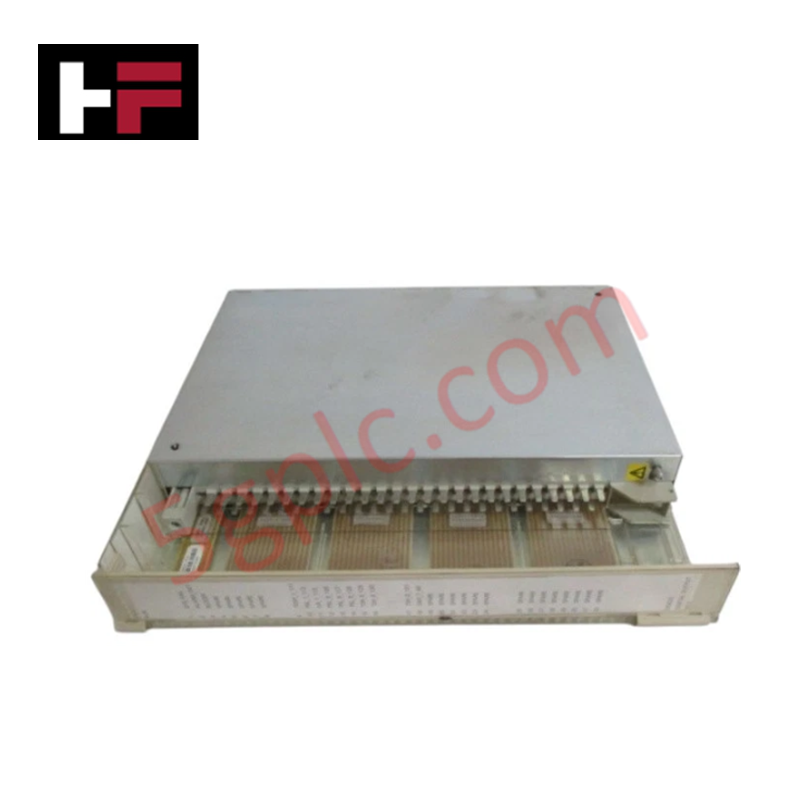
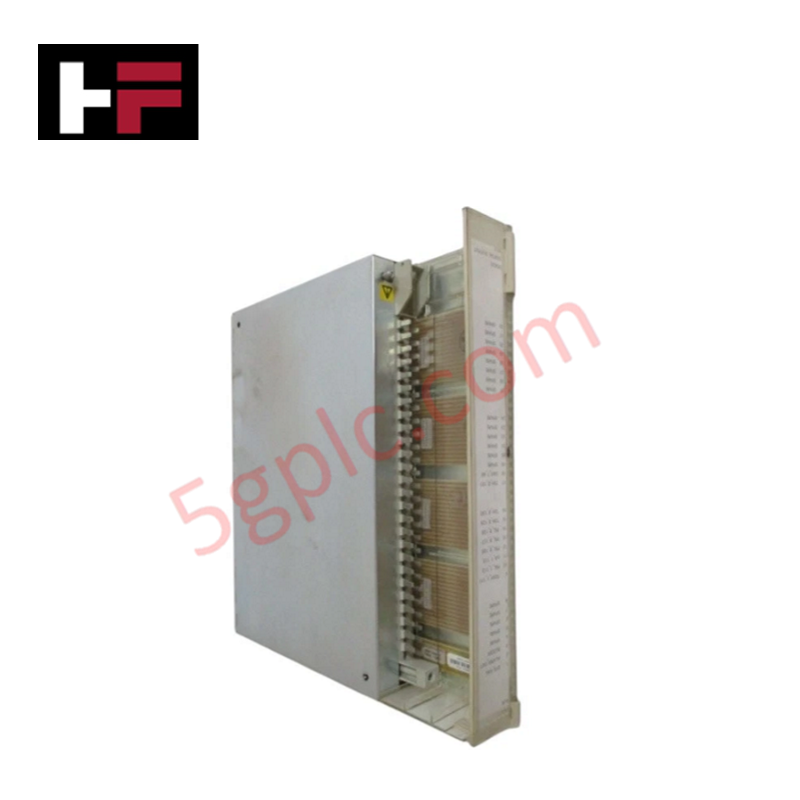
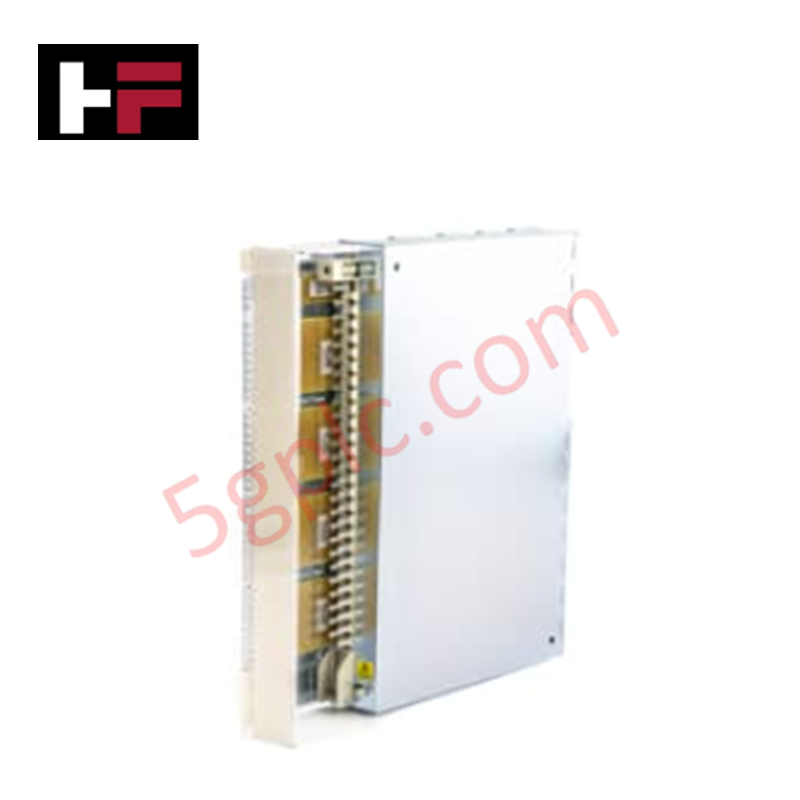
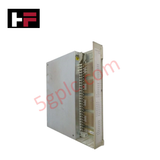
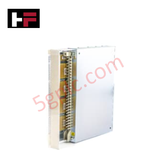
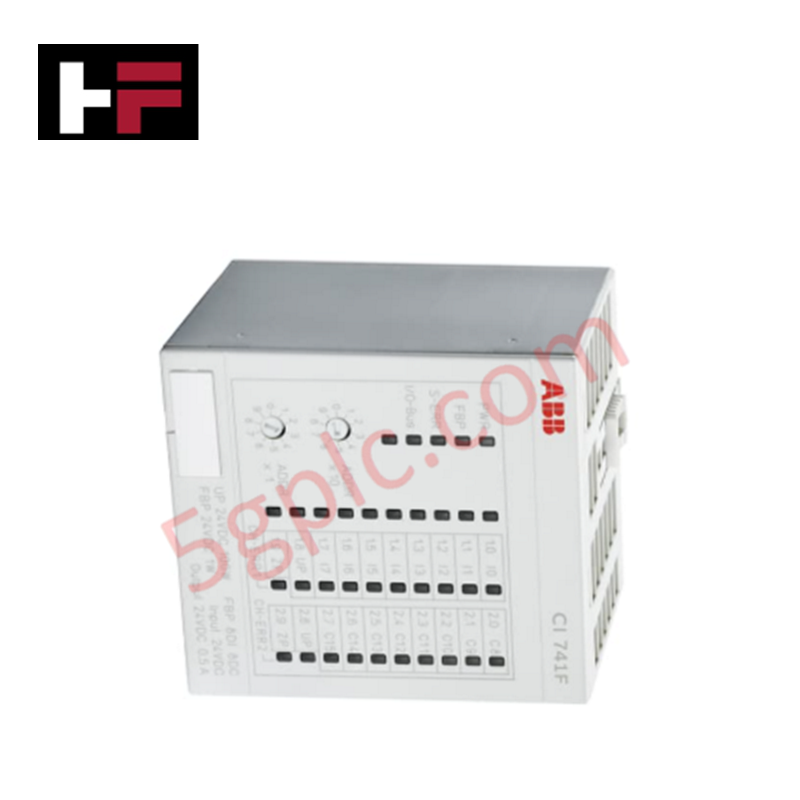
The ABB RB601 3BSE002803R1 serves as the primary RB601 Dummy Module utilized to execute physical slot occupation and backplane continuity reinforcement across S600 I/O rack platforms.
Hardware Specifications
| Parameter | Specification |
|---|---|
| Model | RB601 3BSE002803R1 |
| Brand | ABB |
| Origin | Sweden / Europe |
| Weight | 0.9 kg net |
| Dimensions | Standard rack slot width allocation |
| Operating Temp | -20 to +70 deg C |
| Power Consumption | 0 mA (Passive physical hardware unit) |
| Product Type | Dummy Modules |
| RoHS Status | Compliant with EU Directive 2011/65/EU |
| Backplane Connection | Passive mechanical bus pass-through interface |
Deterministic Network Routing and I/O Density Scaling
The ABB RB601 3BSE002803R1 functions as a structural space placeholder inside the S600 chassis to sustain predictable air cooling vectors and block contaminant ingress. It preserves the structural footprint needed for systematic I/O density scaling routines, enabling operators to add active functional cards later without reconfiguring empty station mechanics. The physical structure ensures internal sub-rack shielding remains continuous, shielding active adjacent slots from capacitive cross-talk and ensuring stable backplane bus communication velocity and long-term firmware flash compatibility across the active automation node segment.
Frequently Asked Questions
Q: What are the restrictions regarding the installation or removal of the RB601 module during active runtime?
A: Because the module is a non-electrical passive spacer, it can be hot-swapped or handled at any time without causing electrical short circuits or disrupting current frame cycles on the active backplane bus.
Q: Does this component draw any operating current from the system power supply lines?
A: No. The internal design contains no active solid-state electronics or logic gates, resulting in 0 mA current consumption from both the backplane logic bus and the external 24 VDC field distribution loops.
Field Installation Guidelines
- Slide the passive assembly smoothly down the designated plastic guide rails of the unconfigured chassis slot until it meets the rear alignment pins.
- Tighten the integrated faceplate retaining fasteners to industrial specification standards to secure the module against ongoing vibration.
- Keep the front surface clean and unobstructed to allow unhindered air circulation around adjacent active microprocessors.
- Store uninstalled units in anti-static containment environments to preserve mechanical tolerances and guard the grounding contact plates against oxidization.
Additional Information
- 100% Genuine Parts: All products are original and authentic, ensuring reliable industrial performance.
- 30-Day Refund Guarantee: Return any in-stock item within 30 days in original, unopened packaging for a full refund (excluding shipping and fees).
- 12-Month Warranty: Covers defects in materials or workmanship; excludes misuse, normal wear, or unauthorized modifications.
- Worldwide Shipping: We ship via USPS, UPS, FedEx, and DHL. Delivery times vary by country and may be subject to customs or import fees.
- Support & Contact: Technical and warranty assistance is available anytime. Contact us here: Contact.
- Purchase Guidance: Check product specifications and compatibility carefully before ordering to ensure proper application.






Tech & Buying Guide

Understanding Siemens PLC Memory Cards: MMC, SMC, and SD Solutions in Industrial Automation
Memory management plays a pivotal role in maintaining control system reliability across modern manufacturing plants. Industrial control systems rely on specialized memory cards to store project logic, firmware updates, and retentive system data. Siemens uses several memory architectures, including Micro Memory Cards (MMC) and SIMATIC Memory Cards (SMC). Engineers must understand these hardware variations to ensure zero data loss and minimize downtime during maintenance routines.

Redefining Control Systems: The Rise of Flexible I/O Modules in Industrial Automation
Conventional input-output architectures often limit engineering agility and inflate long-term inventory costs. Today, Flexible Input/Output Modules (FIOM) are transforming how control system engineers design, commission, and maintain automation infrastructure. By allowing individual channel software configuration, FIOM technology bridges the gap between rigid hardware design and dynamic plant requirements.

Understanding Modern SCADA Systems: Architecture, Communication Topologies, and Industrial Applications
Supervisory Control and Data Acquisition (SCADA) systems form the digital backbone of modern industrial automation. They collect critical field data, transmit signals across vast distances, and empower plant operators with real-time process visibility. Across modern infrastructures, SCADA solutions streamline centralized control and maintain continuous operational uptime.