










Product Details
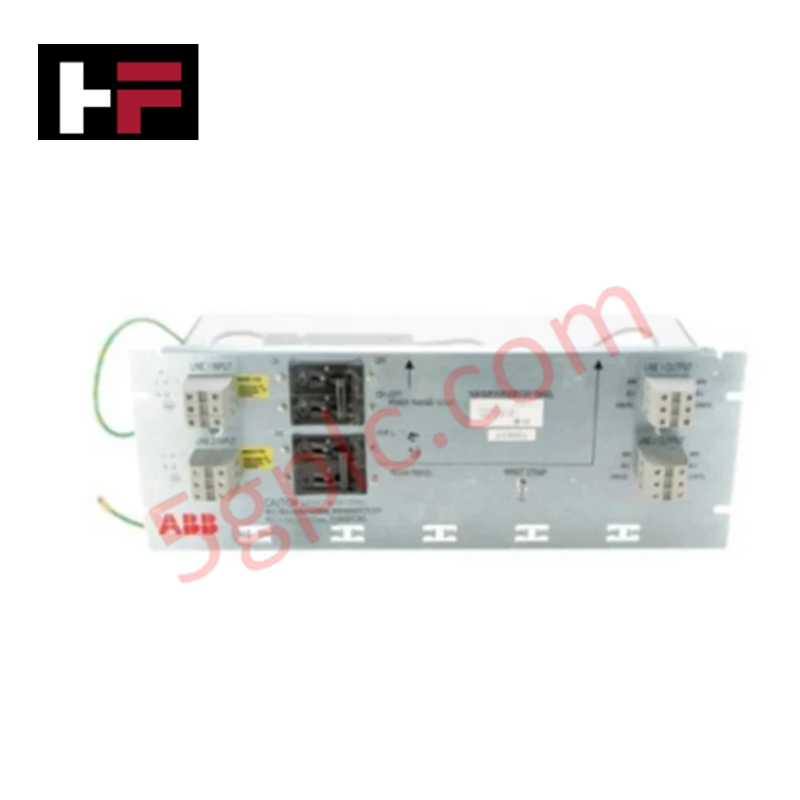
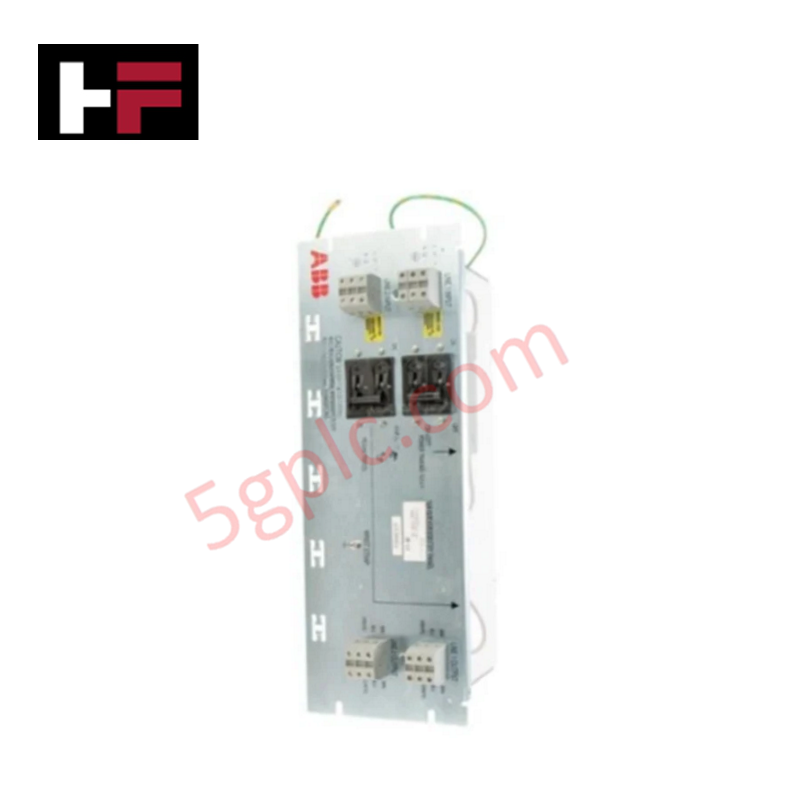
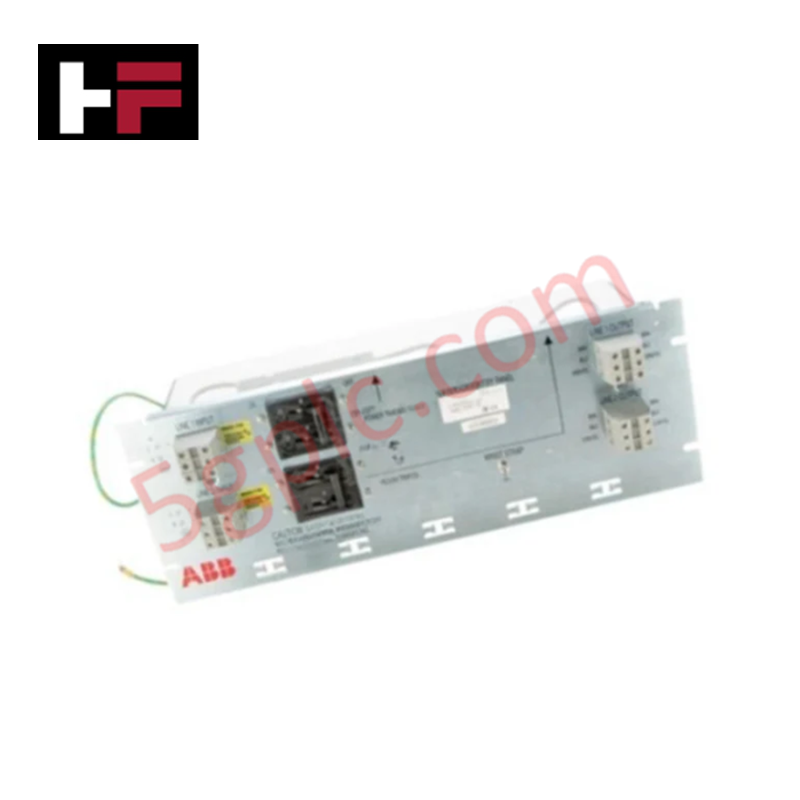
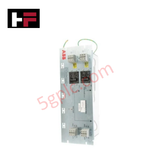
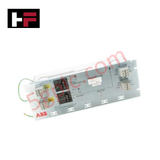
The ABB PHARPSPEP21013, also cataloged as the PHARPSPEP21013 Power Entry Panel, operates as a dedicated hardware component for distributed electrical mains management and terminal partitioning within Symphony Plus and INFI 90 processing systems. Configured as a heavy-duty dual-chassis structural interface, it aggregates secondary utility lines, stabilizes continuous current paths, and maps separate power feeds directly to modular system racks. The component enforces physical boundaries between input feed groups to isolate branch line distribution and maintain continuous electrical delivery across hardware modules.
Hardware Specifications
| Parameter | Specification |
|---|---|
| Model | PHARPSPEP21013 |
| Brand | ABB |
| Origin | United States (Standard manufacturing location applies) |
| Weight | 8.709 kg |
| Dimensions | 180 mm x 220 mm x 540 mm |
| Operating Temp | 0 to 70 deg C (Standard operational range) |
| Power Consumption | Passive distribution bus / Backplane load matches system requirements |
| Enclosure Matrix | Dual Chassis Configuration |
| Application Class | Category III Application |
| Hardware Profile | MPS III System Designation |
| Battery Count | 0 |
Profinet / EtherNet/IP Deterministic Networks
When integrating with networked upstream substations via communication bridges, the PHARPSPEP21013 coordinates real-time power bus status signals into Profinet / EtherNet/IP deterministic networks. The panel feeds downstream monitoring nodes that verify dual-source bus health, enabling millisecond-level telemetry tracking. If voltage variance occurs on one chassis grid, internal monitoring relays relay discrete logic signals across deterministic backplane circuits to allow instantaneous processing switchovers without dropping active rack communication states.
Frequently Asked Questions
Q: Does the dual-chassis architecture of the PHARPSPEP21013 allow line isolation during high-voltage load testing?
A: Yes. The individual bus configurations isolate the parallel incoming lines, allowing physical verification and dielectric testing on one branch while the alternate chassis remains operational.
Q: What are the installation restrictions concerning backplane load limits for this power entry panel?
A: The panel is rated to manage full system currents across the dual-chassis matrix. Exceeding nominal circuit breaker trip limits on the external feeding sub-station will result in thermal expansion along the internal bus plates, causing permanent trace delamination.
Field Installation Guidelines
The PHARPSPEP21013 requires horizontal mounting within standard industrial cabinets matching its dimensional specifications. Use copper ground straps bonded to the frame chassis at designated ground studs to secure low-impedance paths to the main plant earth matrix. Incoming supply cables must use industrial crimped ring lugs matching the thread profile of the power terminals; loose terminations will induce hot spots and electrical tracking. Run high-current mains cabling through dedicated isolated bottom or side cutouts in the cabinet structure, maintaining a minimum physical separation from parallel signal loops to suppress cross-talk induction.
Additional Information
- 100% Genuine Parts: All products are original and authentic, ensuring reliable industrial performance.
- 30-Day Refund Guarantee: Return any in-stock item within 30 days in original, unopened packaging for a full refund (excluding shipping and fees).
- 12-Month Warranty: Covers defects in materials or workmanship; excludes misuse, normal wear, or unauthorized modifications.
- Worldwide Shipping: We ship via USPS, UPS, FedEx, and DHL. Delivery times vary by country and may be subject to customs or import fees.
- Support & Contact: Technical and warranty assistance is available anytime. Contact us here: Contact.
- Purchase Guidance: Check product specifications and compatibility carefully before ordering to ensure proper application.






Tech & Buying Guide

Will PLCs Become Obsolete? The Future of Control Systems in Industry 4.0
Modern manufacturing is undergoing a rapid technological transformation driven by Industry 4.0 innovations. Technologies like Artificial Intelligence (AI), Machine Learning (ML), and the Industrial Internet of Things (IIoT) are dominating discussions across the factory automation sector. Consequently, many engineers wonder if these advanced digital tools will eventually replace traditional Programmable Logic Controllers (PLCs). However, evaluating the core physics of industrial operations reveals a very different reality for control systems.

Demystifying Open Platform Communication (OPC): The Backbone of Industrial Interoperability
Interoperability remains a cornerstone requirement for modern smart factories and process automation. Open Platform Communication (OPC) bridges the gap between disparate hardware platforms, control systems, and visualization software. By establishing a universal communication standard, OPC allows field controllers, SCADA platforms, and enterprise software from different vendors to exchange real-time data seamlessly.

Understanding Siemens PLC Memory Cards: MMC, SMC, and SD Solutions in Industrial Automation
Memory management plays a pivotal role in maintaining control system reliability across modern manufacturing plants. Industrial control systems rely on specialized memory cards to store project logic, firmware updates, and retentive system data. Siemens uses several memory architectures, including Micro Memory Cards (MMC) and SIMATIC Memory Cards (SMC). Engineers must understand these hardware variations to ensure zero data loss and minimize downtime during maintenance routines.