










Product Details
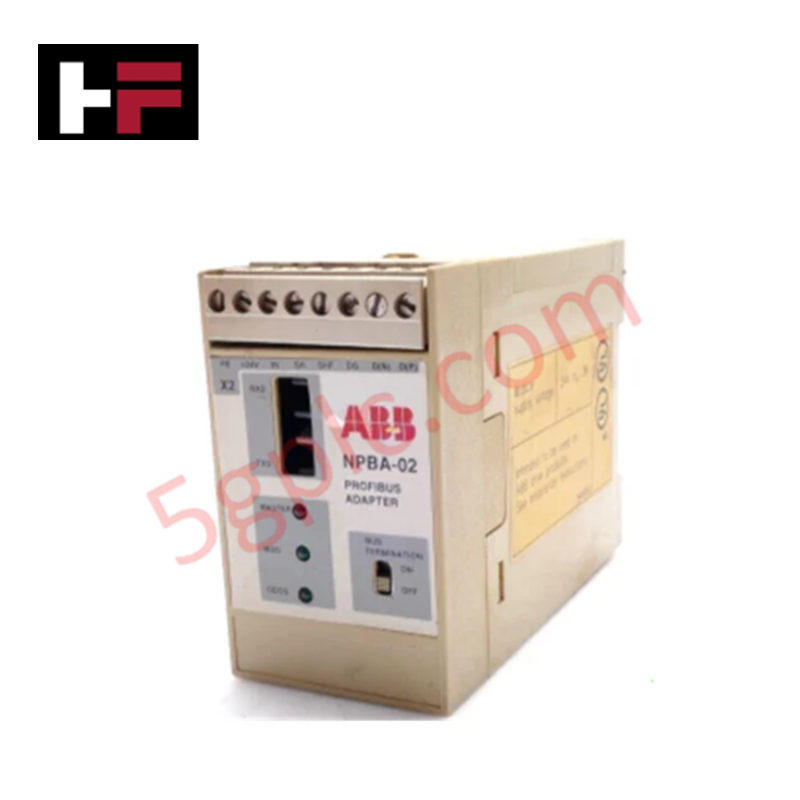
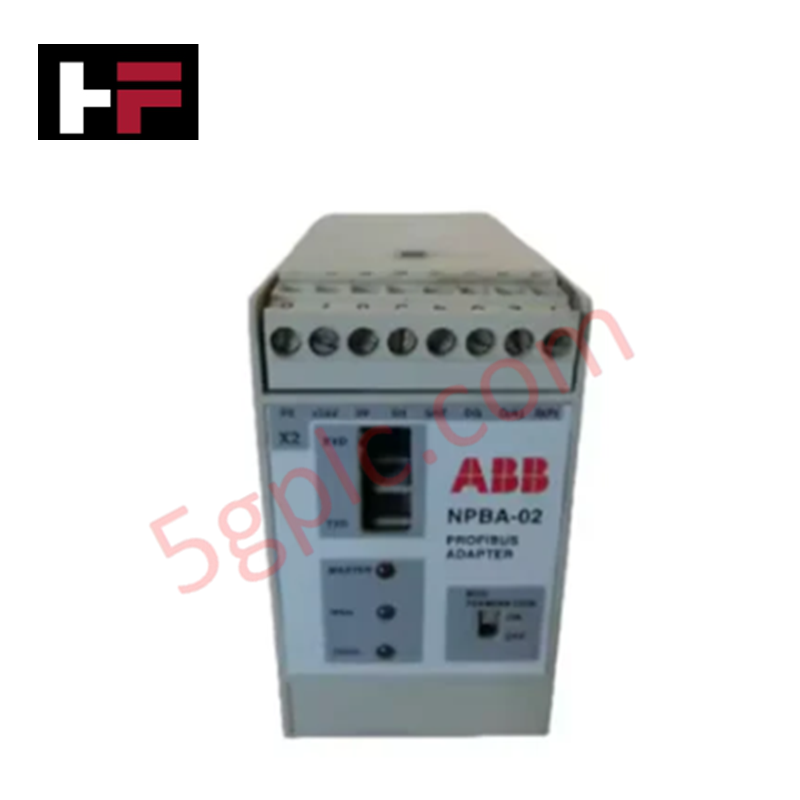
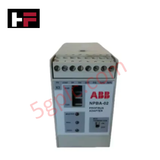
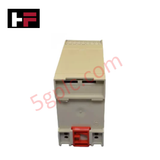
The ABB NPBA-02, also cataloged as the NPBA-02 PROFIBUS Adapter Module, operates as a dedicated hardware component for fieldbus network interface execution within industrial drive control systems. Configured for synchronous communication, the module links variable-speed drive processors directly to master automation networks. The physical board serializes drive parameter tables and state registers, facilitating deterministic cycle mapping via its localized bus termination point.
Hardware Specifications
| Parameter | Specification |
|---|---|
| Model | NPBA-02 |
| Brand | ABB |
| Origin | Finland (Standard manufacturing location applies) |
| Weight | 0.150 kg |
| Dimensions | 100 mm x 70 mm x 30 mm |
| Operating Temp | 0 to +50 deg C (Standard industrial parameters apply) |
| Power Supply | 24 VDC |
| Communication Protocol | PROFIBUS DP |
| Maximum Transmission Rate | 12 Mbps |
| Status Monitoring | Integrated LED indicators |
Profinet / EtherNet/IP Deterministic Networks
While operating under specified multi-protocol environments, the NPBA-02 physical layer isolates drive processing logic from external backbone networks, including Profinet / EtherNet/IP deterministic networks, preventing data collisions across the field link. The module decodes incoming DP-V0/V1 command cyclic words into fixed internal hexadecimal registers, keeping communication cycle jitter beneath critical timing thresholds. This process-level abstraction preserves high-speed loop synchronization even during concurrent master read requests.
Frequently Asked Questions
Q: Can the NPBA-02 module be unseated or replaced while the host drive power stage is actively switching?
A: No. Disconnecting the adapter module while the internal drive logic board is energized can cause parameter synchronization errors, break the backplane cyclic heartbeat, and result in an immediate overcurrent or communication fault trip.
Q: How do the integrated LED indicators assist in analyzing network line topology faults?
A: The onboard LEDs display the physical layer connection status and protocol state machine level. Off-line or configuration errors are identified via specific green and red illumination sequences, allowing local differentiation between physical line breakage and master configuration mismatch.
Q: What power limitations govern the NPBA-02 interface logic during transmission spikes?
A: The module relies on a stabilized external 24 VDC supply rail. Internal voltage regulation components suppress transmission line transients up to specified industrial thresholds, ensuring the protocol transceivers maintain accurate logic levels during peak 12 Mbps data transfers.
Field Installation Guidelines
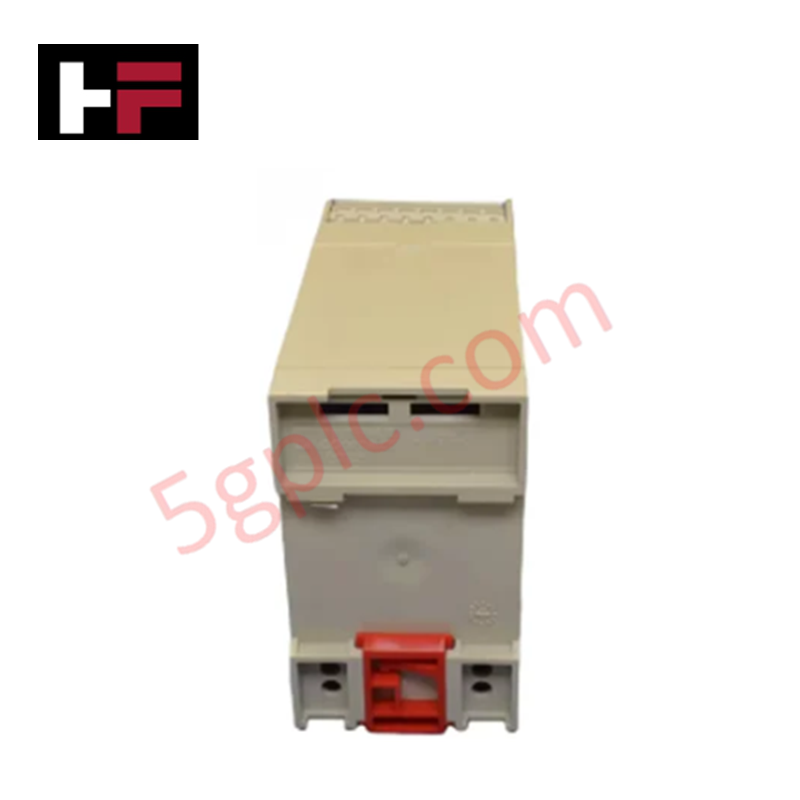
The NPBA-02 module must be mechanically mounted into the designated option slot of the host drive frame. Ensure the multi-pin connector pins align precisely with the drive main control board socket before applying final seating pressure. The PROFIBUS DP cable must be an approved Type A shielded twisted-pair configuration, with the outer braid grounded at both ends via specialized 360-degree shielding clamps. If the module sits as the final physical node on the network segment, the internal or connector-mounted termination resistor must be switched to the active position to prevent signal reflection.
Additional Information
- 100% Genuine Parts: All products are original and authentic, ensuring reliable industrial performance.
- 30-Day Refund Guarantee: Return any in-stock item within 30 days in original, unopened packaging for a full refund (excluding shipping and fees).
- 12-Month Warranty: Covers defects in materials or workmanship; excludes misuse, normal wear, or unauthorized modifications.
- Worldwide Shipping: We ship via USPS, UPS, FedEx, and DHL. Delivery times vary by country and may be subject to customs or import fees.
- Support & Contact: Technical and warranty assistance is available anytime. Contact us here: Contact.
- Purchase Guidance: Check product specifications and compatibility carefully before ordering to ensure proper application.






Tech & Buying Guide

Understanding Siemens PLC Memory Cards: MMC, SMC, and SD Solutions in Industrial Automation
Memory management plays a pivotal role in maintaining control system reliability across modern manufacturing plants. Industrial control systems rely on specialized memory cards to store project logic, firmware updates, and retentive system data. Siemens uses several memory architectures, including Micro Memory Cards (MMC) and SIMATIC Memory Cards (SMC). Engineers must understand these hardware variations to ensure zero data loss and minimize downtime during maintenance routines.

Redefining Control Systems: The Rise of Flexible I/O Modules in Industrial Automation
Conventional input-output architectures often limit engineering agility and inflate long-term inventory costs. Today, Flexible Input/Output Modules (FIOM) are transforming how control system engineers design, commission, and maintain automation infrastructure. By allowing individual channel software configuration, FIOM technology bridges the gap between rigid hardware design and dynamic plant requirements.

Understanding Modern SCADA Systems: Architecture, Communication Topologies, and Industrial Applications
Supervisory Control and Data Acquisition (SCADA) systems form the digital backbone of modern industrial automation. They collect critical field data, transmit signals across vast distances, and empower plant operators with real-time process visibility. Across modern infrastructures, SCADA solutions streamline centralized control and maintain continuous operational uptime.