










Product Details
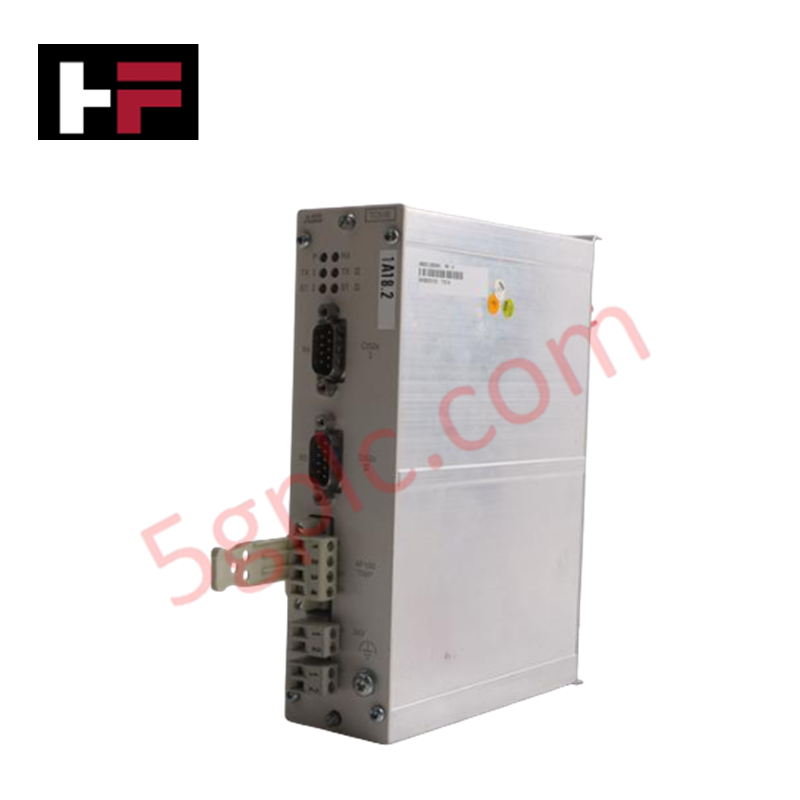
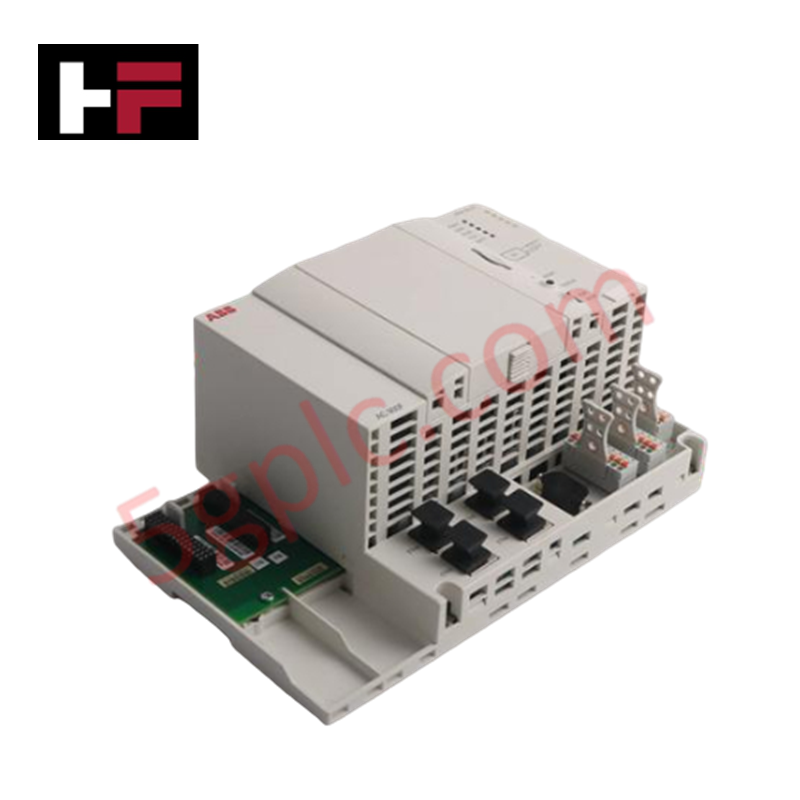
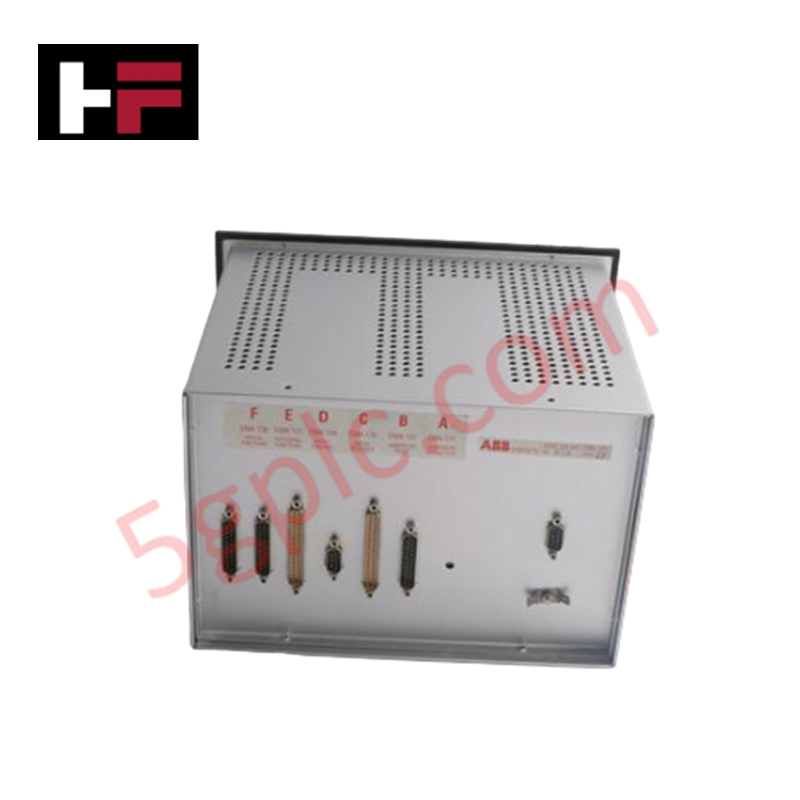
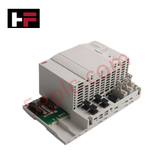
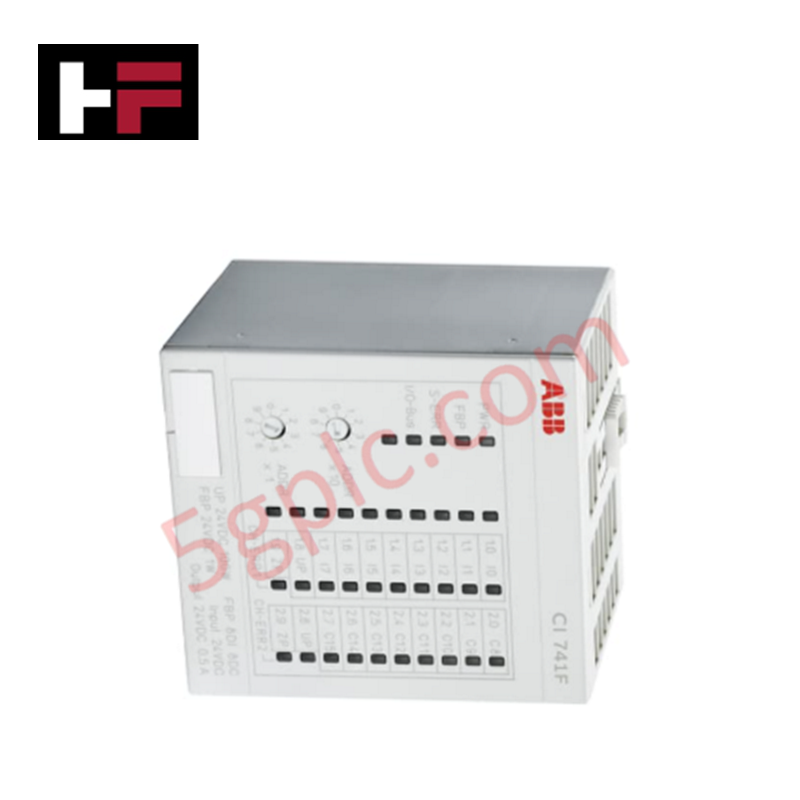
The ABB 5N8D2392P001-B/MPU-D, also cataloged as the 5N8D2392P001-B PLC Module, operates as a dedicated hardware component for deterministic PLC operation within ABB control networks. The board utilizes an integrated multi-core embedded processing core to handle mathematical logic execution and synchronous communication scheduling. Operating via a 32-bit PowerPC architecture or a dual-core ARM Cortex-A9 architecture depending on the hardware variant, the module parses multi-task industrial control code while referencing 2 GB of onboard system RAM and up to 16 GB of non-volatile storage.
Hardware Specifications
| Parameter | Specification |
|---|---|
| Model | 5N8D2392P001-B/MPU-D |
| Brand | ABB |
| Origin | Sweden |
| Weight | 0.58 kg |
| Dimensions | 9.5 cm x 3.6 cm x 12.1 cm |
| Operating Temp | 0 to +55 deg C (Standard industrial parameters apply) |
| Power Consumption | Backplane dependent |
| System RAM | 2 GB |
| Non-volatile Flash Storage | 8 GB or 16 GB (Variant-dependent) |
| Core Processors | 32-bit PowerPC / Dual-core ARM Cortex-A9 |
I/O Density Scaling and Backplane Performance
The ABB 5N8D2392P001-B allocates its dual-core processing nodes to supervise data packet scheduling across the local system chassis, sustaining sub-millisecond execution loops during high-volume I/O density scaling. The localized processing architecture maps digital and analog process variables directly to separate internal registers, matching bus clock distribution profiles without introducing software-driven propagation delay. This configuration secures rigid determinism for inter-module synchronization over complex automation structures.
Frequently Asked Questions
Q: How does the internal controller handle system logic retention during a total loss of input power?
A: The module writes active process variables and runtime register maps directly to the onboard 8 GB or 16 GB non-volatile flash memory segment upon detecting a power subsystem fault, preventing program data loss without needing active battery maintenance.
Q: Is hot-swapping this MPU module permissible while the backplane bus is energized?
A: No, hot-swapping this processor module is strictly prohibited. Removing or inserting the card while backplane power is active can induce voltage transients across the internal logic gates, risking permanent physical failure of the processor nodes.
Q: What parameters dictate whether a module utilizes the PowerPC or the ARM Cortex architecture?
A: The specific processor deployment is bound to internal manufacturing tracking blocks and regional variant matrices, but both architectures implement identical software compilation layers to guarantee firmware flash compatibility.
Field Installation Guidelines
The MPU module must be inserted vertically into its designated backplane slot within a clean, unpolluted industrial housing. Verify that the top and bottom mechanical alignment tabs fully engage with the chassis framework to avoid stress on the backplane connectors. Grounding must be verified by bonding the enclosure rail to the central plant functional earth via a copper conductor. Maintain a clear clearance zone of at least 50 mm above and below the processing chassis to permit free convective airflow and prevent thermal degradation of the internal chipsets.
Additional Information
- 100% Genuine Parts: All products are original and authentic, ensuring reliable industrial performance.
- 30-Day Refund Guarantee: Return any in-stock item within 30 days in original, unopened packaging for a full refund (excluding shipping and fees).
- 12-Month Warranty: Covers defects in materials or workmanship; excludes misuse, normal wear, or unauthorized modifications.
- Worldwide Shipping: We ship via USPS, UPS, FedEx, and DHL. Delivery times vary by country and may be subject to customs or import fees.
- Support & Contact: Technical and warranty assistance is available anytime. Contact us here: Contact.
- Purchase Guidance: Check product specifications and compatibility carefully before ordering to ensure proper application.






Tech & Buying Guide

Demystifying the DDE Protocol in Legacy Industrial Automation Systems
Modern control systems rely heavily on seamless interprocess communication to exchange operational data between software programs. Microsoft first introduced the Dynamic Data Exchange (DDE) protocol in 1987 to enable real-time data sharing. In factory automation, DDE served as an early bridge between control software and Windows desktop applications. Therefore, understanding DDE mechanics provides crucial insights into how legacy industrial networks established software-level connectivity.

Demystifying CPU Communication Ports in Siemens PLC Architectures
Industrial automation relies heavily on robust data exchange between devices. Without seamless connectivity, field instruments, network switches, human-machine interfaces, and programmable logic controllers cannot coordinate effectively. Therefore, understanding the various CPU communication ports available in Siemens hardware ensures efficient factory automation design and seamless system integration.

Mastering the Siemens PLC Scan Cycle: How the CPU Executes Automation Programs
Industrial automation relies heavily on programmable logic controllers (PLCs) to manage complex manufacturing processes. Many engineers dive straight into programming without mastering the underlying architecture. However, understanding how a PLC CPU executes a program ensures reliable system design. Therefore, mastering the scan cycle optimizes both performance and troubleshooting in modern control systems.