










Product Details
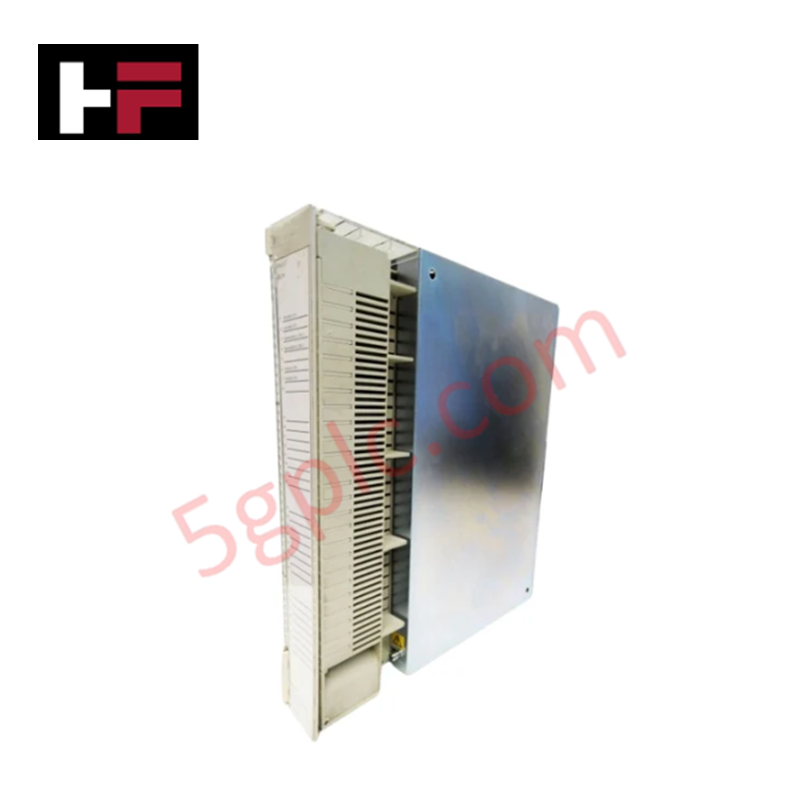
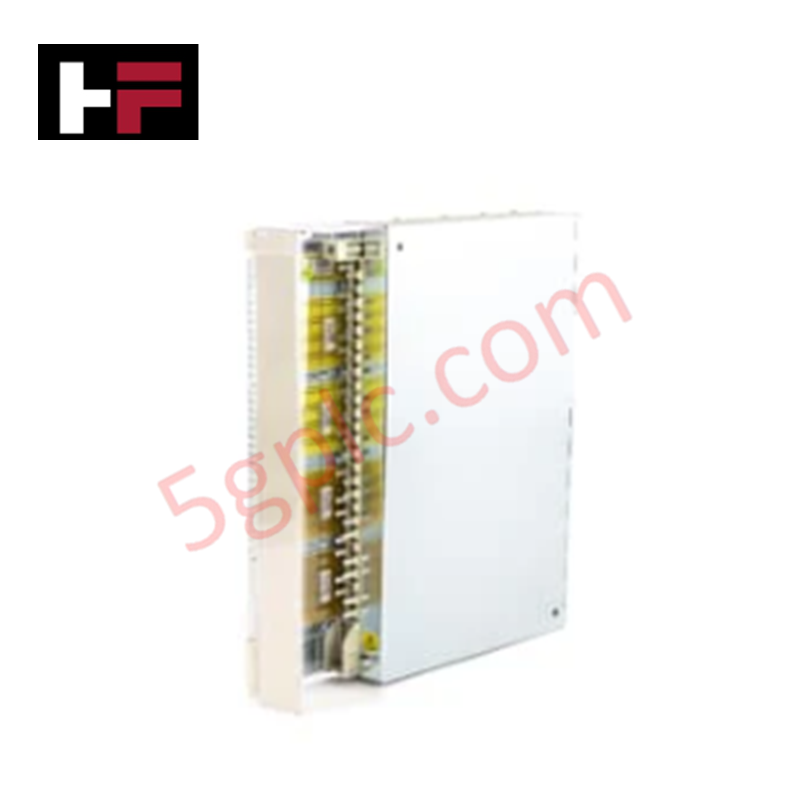
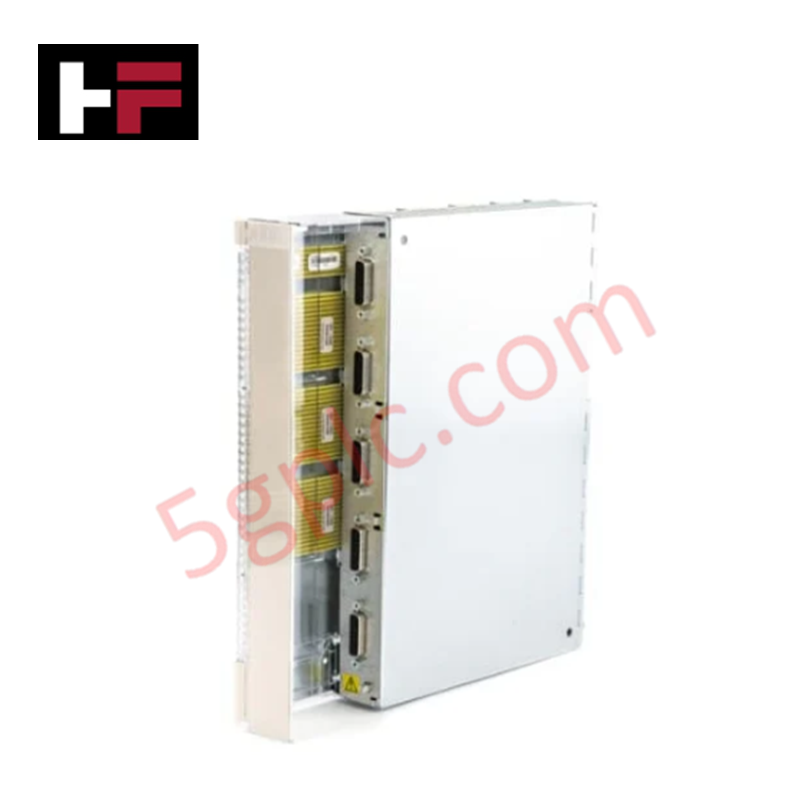
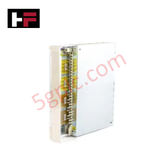
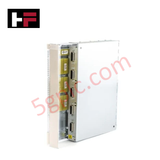
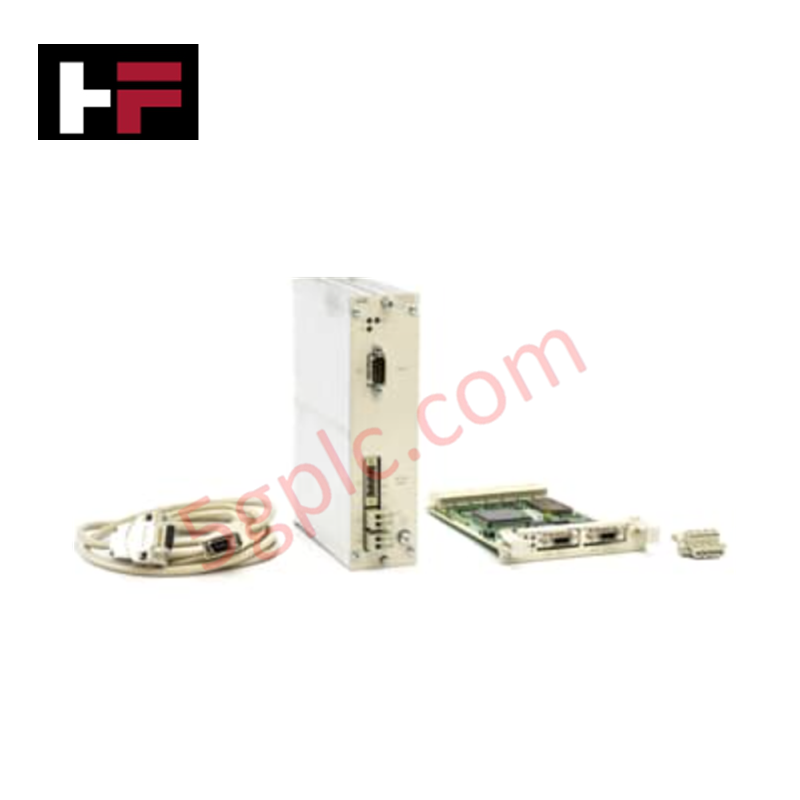
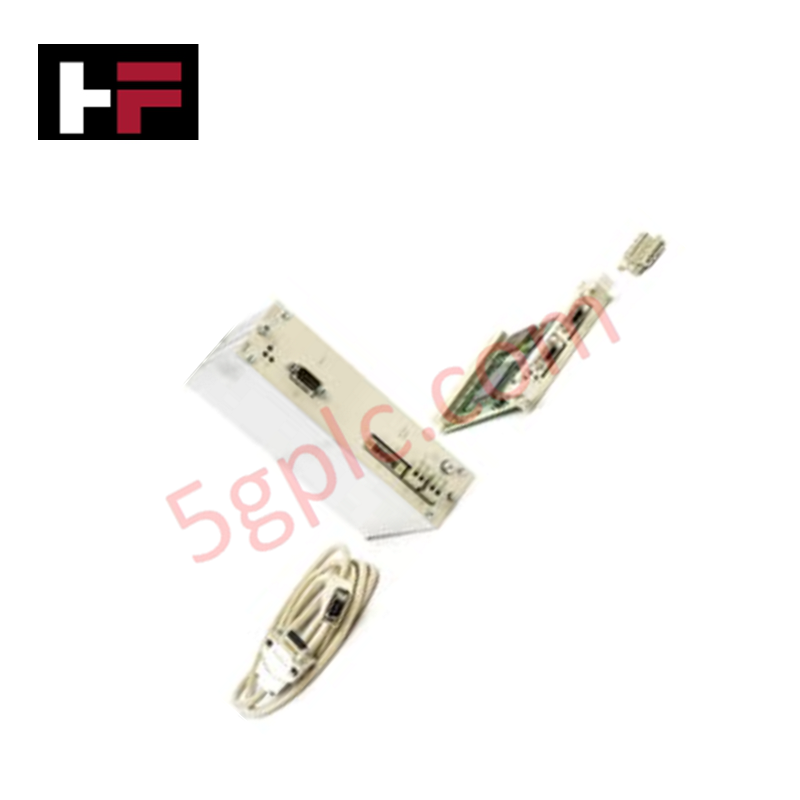
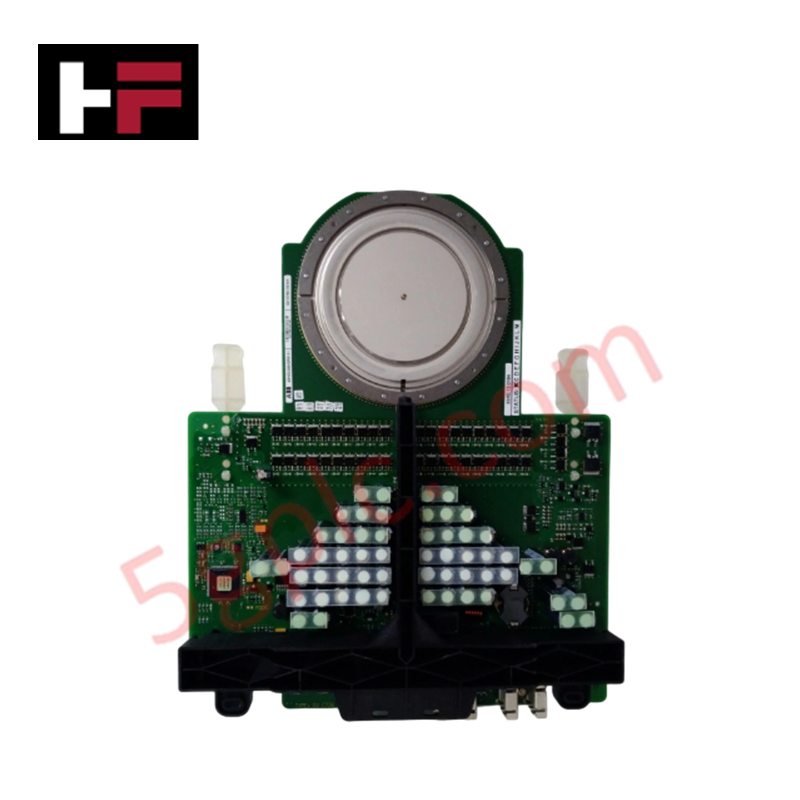
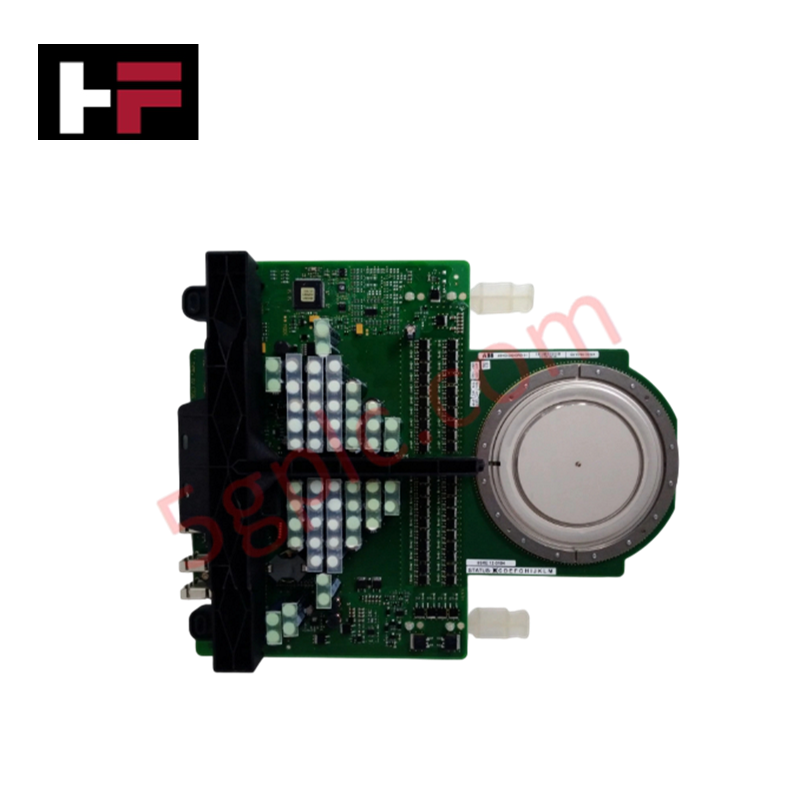
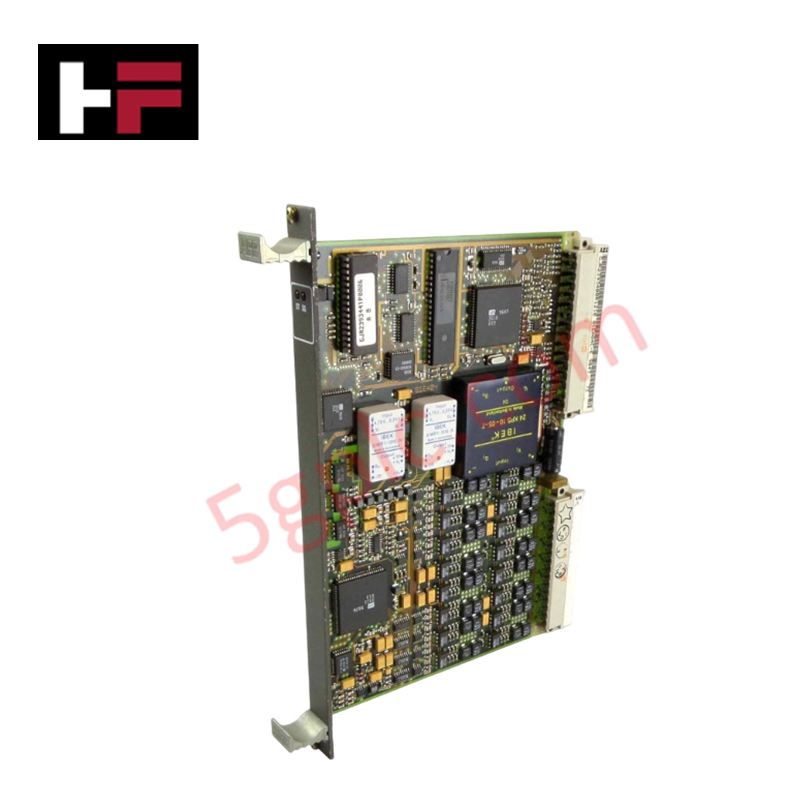
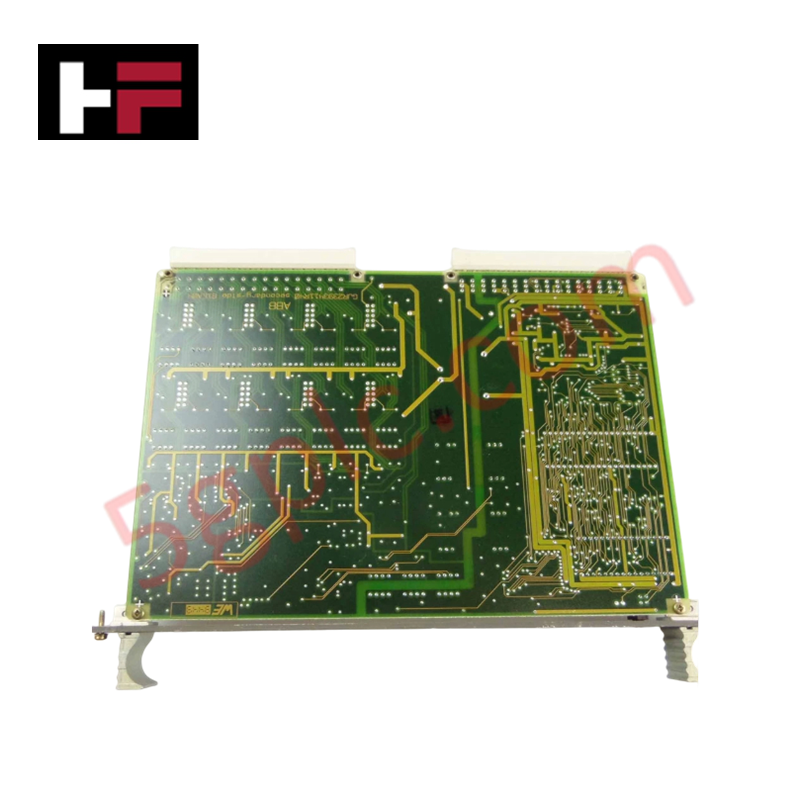
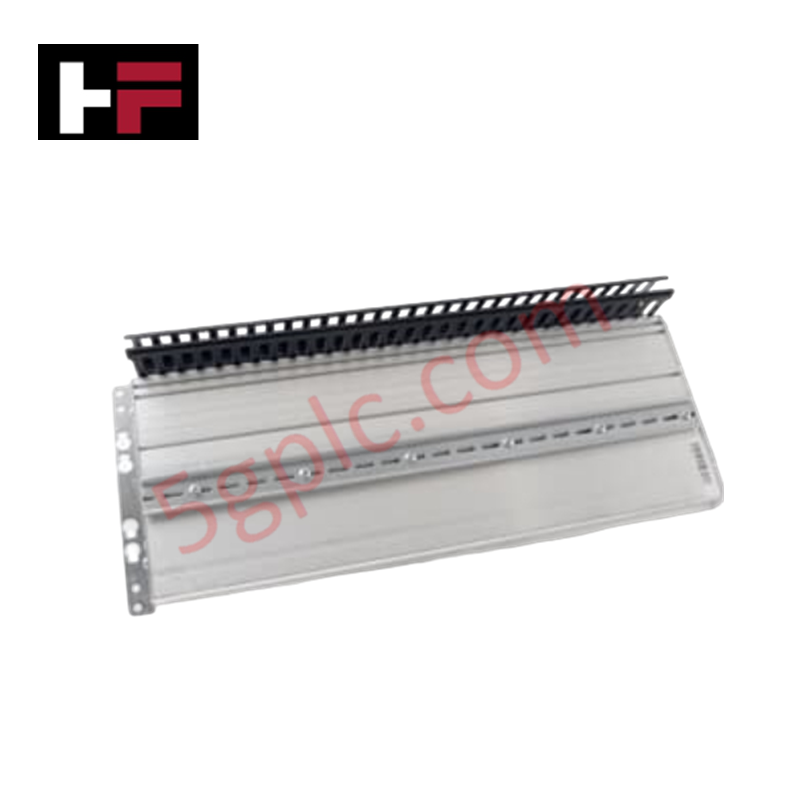
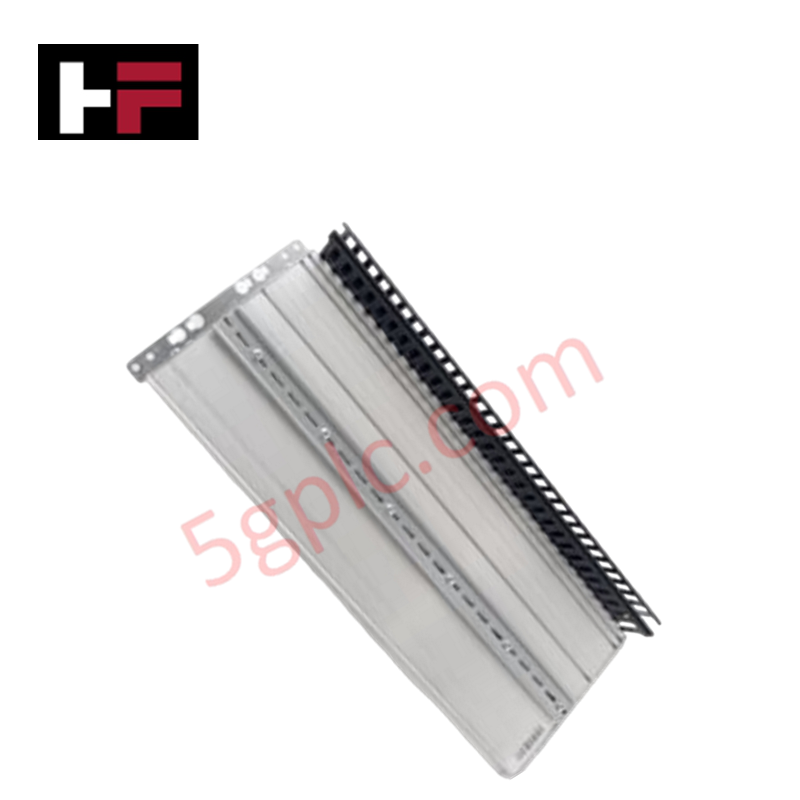
The ABB 3BHT300016R1, also cataloged as the DP620 I/O Module, operates as a dedicated hardware component for high-speed digital pulse frequency registration within ABB control system platforms.
Hardware Specifications
| Parameter | Specification |
|---|---|
| Model | 3BHT300016R1 (DP620) |
| Brand | ABB |
| Origin | Sweden |
| Weight | 1.635 kg |
| Dimensions | 252 mm (Depth) x 273 mm (Height) x 40 mm (Width) |
| Operating Temp | 0 to +55 deg C (Standard industrial parameters) |
| Power Consumption | Sourced via system backplane interface |
| Number of Channels | 5 independent pulse counter channels |
| Input Voltage Rating | 5 VDC / 24 VDC threshold ranges |
| Maximum Frequency | 100 kHz per channel |
| Channel Type | High-Speed Digital Input (DI) |
| Environmental Standards | RoHS compliant (EU Directive 2011/65/EU) |
| WEEE Category | 5-Small Equipment (No external dimension over 50 cm) |
Profinet / EtherNet/IP Deterministic Networks and I/O Density Scaling
The module functions as a local pulse processing board that offloads high-frequency counting tasks from the main processor, preventing reduction of the backplane bus communication velocity. The 5-channel sub-assembly converts incoming 100 kHz pulse patterns into binary integers directly accessible by the control loop software. This localization supports consistent I/O density scaling configurations across remote nodes linked via Profinet / EtherNet/IP deterministic networks, maintaining real-time tracking while ensuring strict firmware flash compatibility across standard automation racks.
Frequently Asked Questions
Q: How is the physical input threshold configured between 5 VDC and 24 VDC logic signals?
A: The input signal voltage thresholds are assigned via terminal wiring selection or software allocation. The hardware circuitry scales internal optocoupler saturation paths to safely match either standard 5 VDC TTL or 24 VDC industrial differential encoder outputs without risking terminal deterioration.
Q: What are the backplane constraints during a hot-swap occurrence of the DP620 card?
A: Physical insertion or extraction parameters depend on the hosting sub-rack specifications. The board must be completely isolated from high-speed pulse streams before extraction to prevent active counter register corruptions or voltage feedback transients on the system backplane logic lines.
Field Installation Guidelines
- Chassis Attachment: Slide the module vertically down the rack slot guides. Press firmly to ensure full backplane connector pin engagement before turning on power or tightening faceplate alignment fasteners.
- Shielding Protocol: Terminate the high-speed pulse cable shields to a dedicated ground bus bar near the point of entry in the enclosure cabinet. Do not daisy-chain shield grounds to minimize electromagnetic noise and signal reflection up to 100 kHz.
- Signal Cable Separations: Route 5 VDC and 24 VDC encoder or counter lines in independent low-voltage wiring trays. Maintain adequate physical spacing away from three-phase motor supply lines and inductive switching elements.
Additional Information
- 100% Genuine Parts: All products are original and authentic, ensuring reliable industrial performance.
- 30-Day Refund Guarantee: Return any in-stock item within 30 days in original, unopened packaging for a full refund (excluding shipping and fees).
- 12-Month Warranty: Covers defects in materials or workmanship; excludes misuse, normal wear, or unauthorized modifications.
- Worldwide Shipping: We ship via USPS, UPS, FedEx, and DHL. Delivery times vary by country and may be subject to customs or import fees.
- Support & Contact: Technical and warranty assistance is available anytime. Contact us here: Contact.
- Purchase Guidance: Check product specifications and compatibility carefully before ordering to ensure proper application.
Tech & Buying Guide
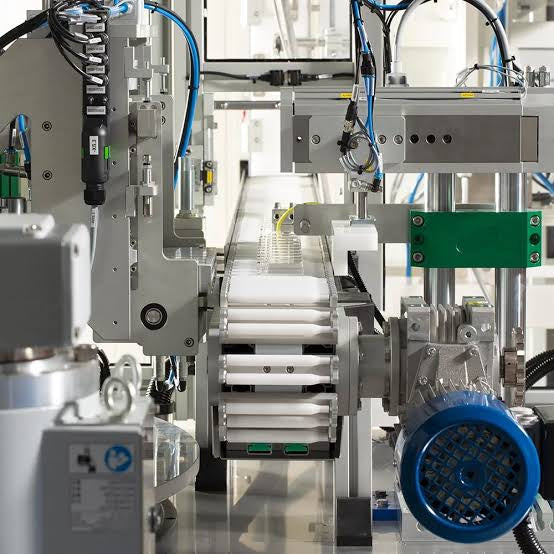
Mastering Modern Industrial Joystick Controls in Heavy Automation
Industrial joysticks play a pivotal role in human-machine interaction across heavy material handling and mobile hydraulics. These tactile controllers translate complex operator movements into precise electrical signals for PLCs, motion controllers, and DCS networks. Consequently, selecting and installing the right joystick architecture ensures operator safety, reduces fatigue, and optimizes equipment performance.

Navigating Industrial Automation Failures: Types, Causes, and Mitigation Strategies
Modern manufacturing relies heavily on automated control systems to maximize throughput and maintain product quality. However, unplanned downtime in industrial automation can cost facility operators thousands of dollars per hour. Understanding how programmable logic controllers (PLCs), distributed control systems (DCS), and field instrumentation fail empowers engineering teams to implement robust preventive maintenance strategies.
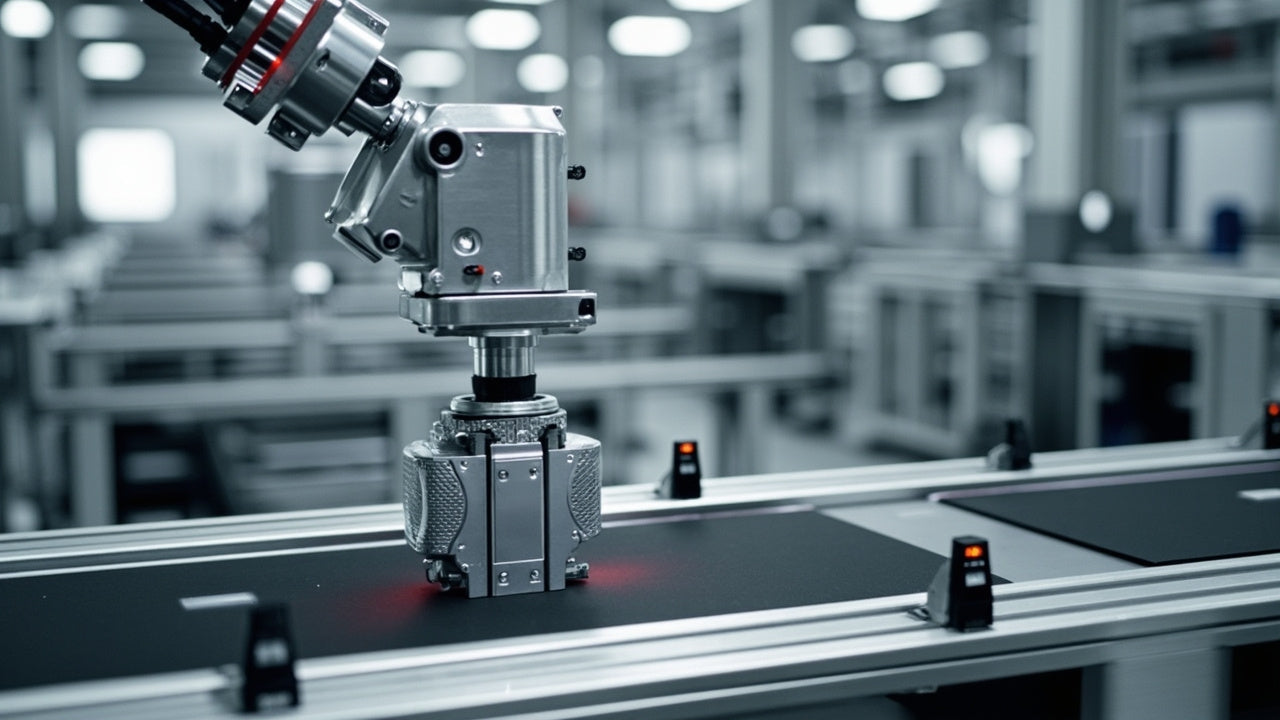
Essential Motion Control Commands: A Practical Guide for Engineers
Automation engineers often rely on precise position and speed control to drive modern factory machinery. Modern industrial systems, such as Programmable Logic Controllers (PLCs) and Distributed Control Systems (DCS), depend heavily on standardized motion instructions. Mastering these commands ensures operational safety, protects mechanical components, and optimizes cycle times across production lines.