










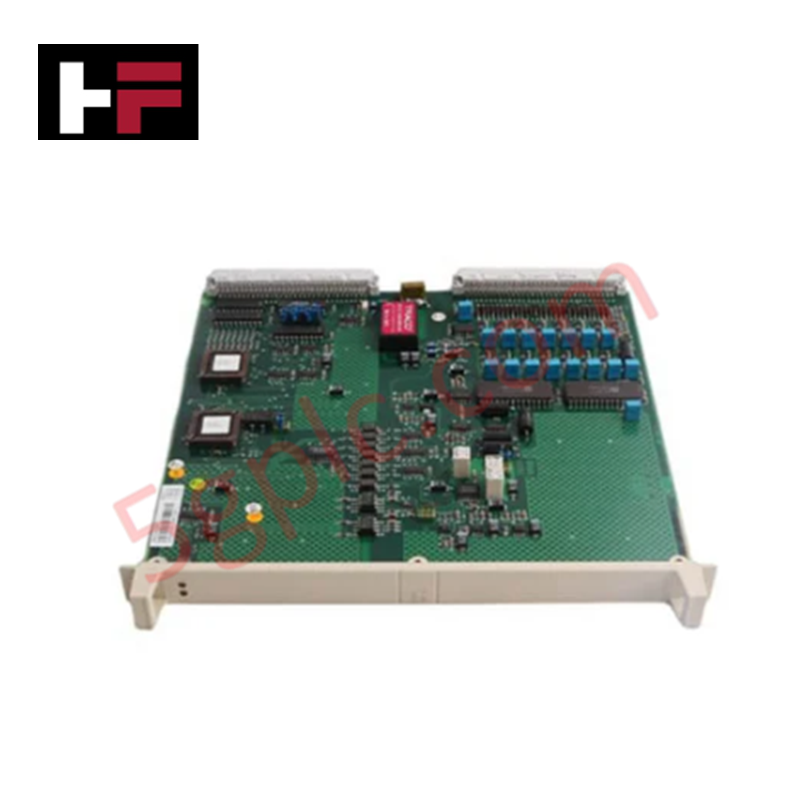
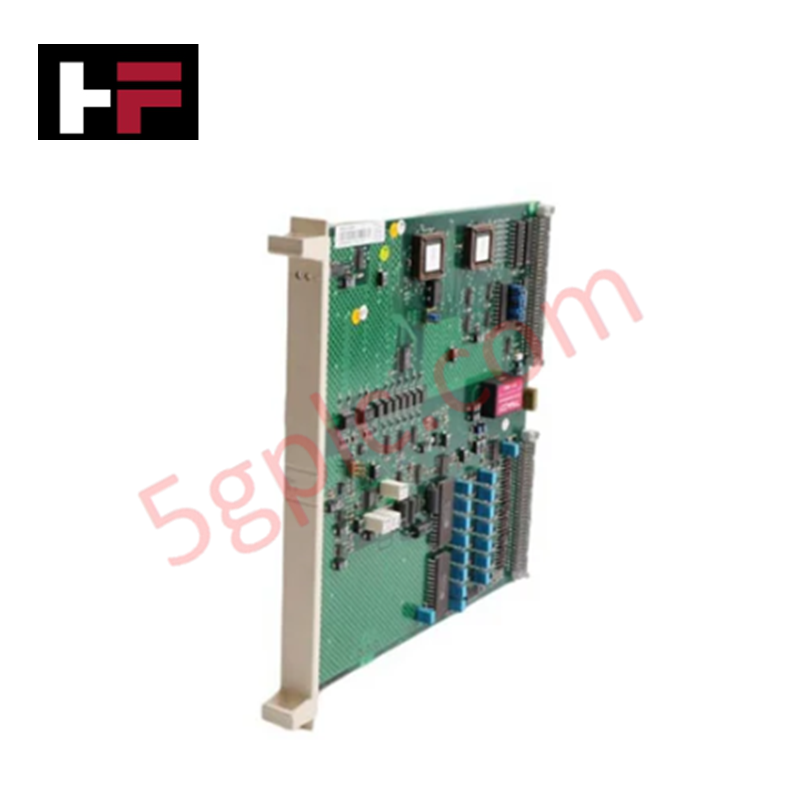
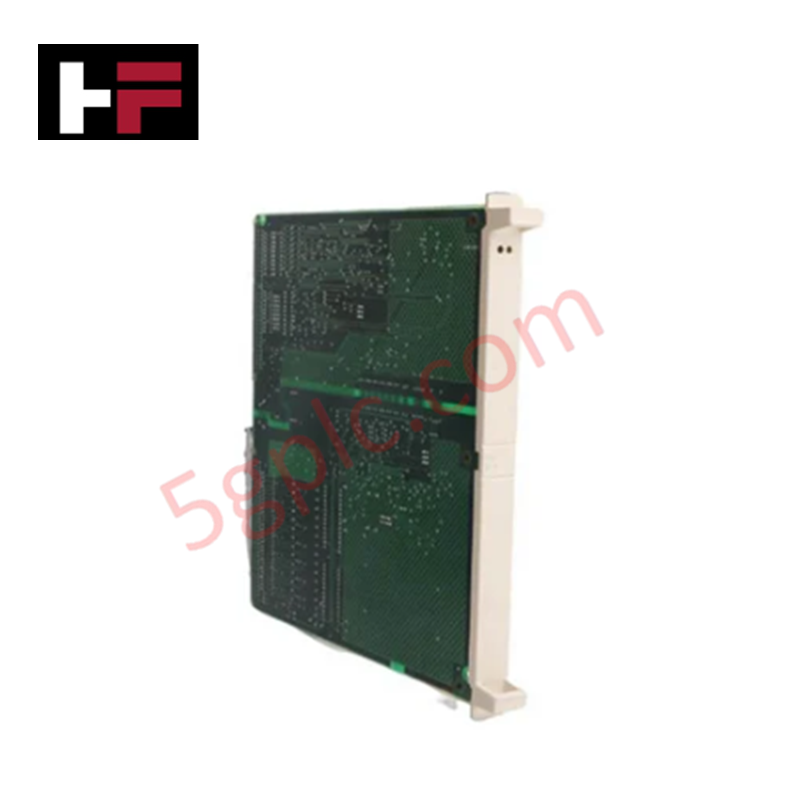
Product Details
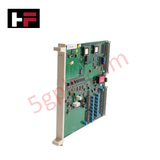
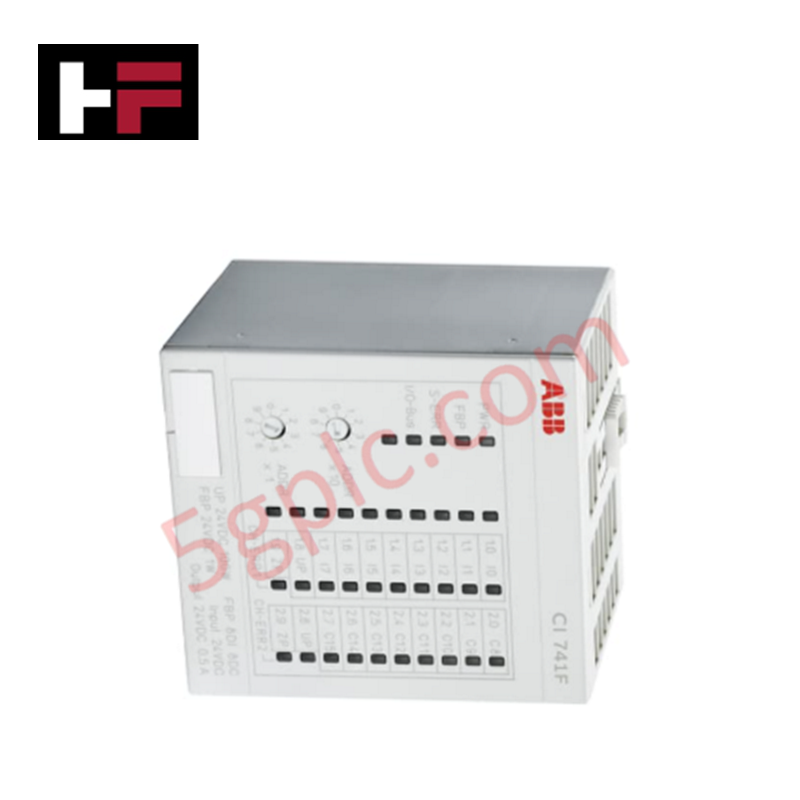
The ABB 1VCF750168801, also cataloged as the ABB 1VCF750168801 Power Supply, operates as a dedicated hardware component for localized voltage transformation and regulated DC current generation within industrial control network platforms. Configured to accept a wide input span from 48 VDC to 240 VDC, the unit stabilizes external electrical feeds into an unfluctuating DC output rail to energize adjacent rack components and internal controller logic.
Hardware Specifications
| Parameter | Specification |
|---|---|
| Model | 1VCF750168801 |
| Brand | ABB |
| Origin | Sweden |
| Weight | 0.62 kg |
| Dimensions | Standard industrial footprint for chassis integration |
| Operating Temp | -25 to +60 deg C |
| Power Consumption | Continuous draw matched to connected field load requirements |
| Input Voltage Range | 48 to 240 VDC |
| Output Type | Regulated DC supply rail |
| Certification Level | Level 1 Designation |
Backplane Bus Communication Velocity and Deterministic Networks
The power supply architecture interfaces directly with high-density chassis layouts without causing electromagnetic interference or limiting adjacent backplane bus communication velocity. The integrated line filters ensure that high-frequency switching noise is attenuated before reaching Profinet or EtherNet/IP deterministic networks. This maintains clean signal structures, prevents firmware flash compatibility faults across peripheral modules, and allows scalable I/O density options within the same local electrical segment.
Frequently Asked Questions
Q: Does this hardware module support continuous hot-swap installation on an active backplane?
A: No. Removing or inserting the power supply while the source voltage loop is energized can cause significant electrical arcing. The input feed lines between 48 VDC and 240 VDC must be isolated and disconnected before any mechanical extraction or replacement procedure is initiated.
Q: What physical indicators are available to diagnose line regulation or input loss failures?
A: Technical monitoring is achieved via integrated status LEDs on the front faceplate. A loss of the input voltage within the designated 48 to 240 VDC operating range instantly opens the internal hardware fault loop, dropping output line generation to execute a predictable subsystem shutdown.
Field Installation Guidelines
- Mount the power supply chassis onto a standard symmetric DIN rail configuration, checking that the top and bottom ventilation gaps remain unblocked to allow unimpeded ambient thermal circulation.
- Route the incoming DC power supply lines (48 to 240 VDC) inside separate physical wiring trays, away from logic-level communications cables and sensitive low-voltage analog sensor wiring.
- Terminate all incoming and outgoing electrical connections using correct industrial ferrules, tightening all terminal screws to the manufacturer-specified nominal torque settings.
- Establish a low-resistance copper grounding strip from the power supply earth grounding terminal directly to the primary plant instrumentation earth grid.
Additional Information
- 100% Genuine Parts: All products are original and authentic, ensuring reliable industrial performance.
- 30-Day Refund Guarantee: Return any in-stock item within 30 days in original, unopened packaging for a full refund (excluding shipping and fees).
- 12-Month Warranty: Covers defects in materials or workmanship; excludes misuse, normal wear, or unauthorized modifications.
- Worldwide Shipping: We ship via USPS, UPS, FedEx, and DHL. Delivery times vary by country and may be subject to customs or import fees.
- Support & Contact: Technical and warranty assistance is available anytime. Contact us here: Contact.
- Purchase Guidance: Check product specifications and compatibility carefully before ordering to ensure proper application.






Tech & Buying Guide

Redefining Control Systems: The Rise of Flexible I/O Modules in Industrial Automation
Conventional input-output architectures often limit engineering agility and inflate long-term inventory costs. Today, Flexible Input/Output Modules (FIOM) are transforming how control system engineers design, commission, and maintain automation infrastructure. By allowing individual channel software configuration, FIOM technology bridges the gap between rigid hardware design and dynamic plant requirements.
Understanding Modern SCADA Systems: Architecture, Communication Topologies, and Industrial Applications
Supervisory Control and Data Acquisition (SCADA) systems form the digital backbone of modern industrial automation. They collect critical field data, transmit signals across vast distances, and empower plant operators with real-time process visibility. Across modern infrastructures, SCADA solutions streamline centralized control and maintain continuous operational uptime.
Understanding OPC Servers in Modern Industrial Automation: Principles, Architecture, and Applications
In industrial automation, connecting physical hardware with high-level software remains a primary operational challenge. Factories utilize programmable logic controllers (PLCs), distributed control systems (DCS), human-machine interfaces (HMIs), and smart sensors from diverse vendors. These devices often speak different proprietary protocols. Open Platform Communications (OPC) servers solve this interoperability challenge by standardizing how data flows across factory networks.