










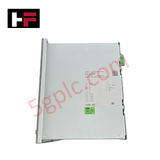
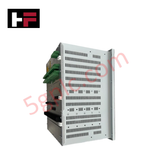
Product Details
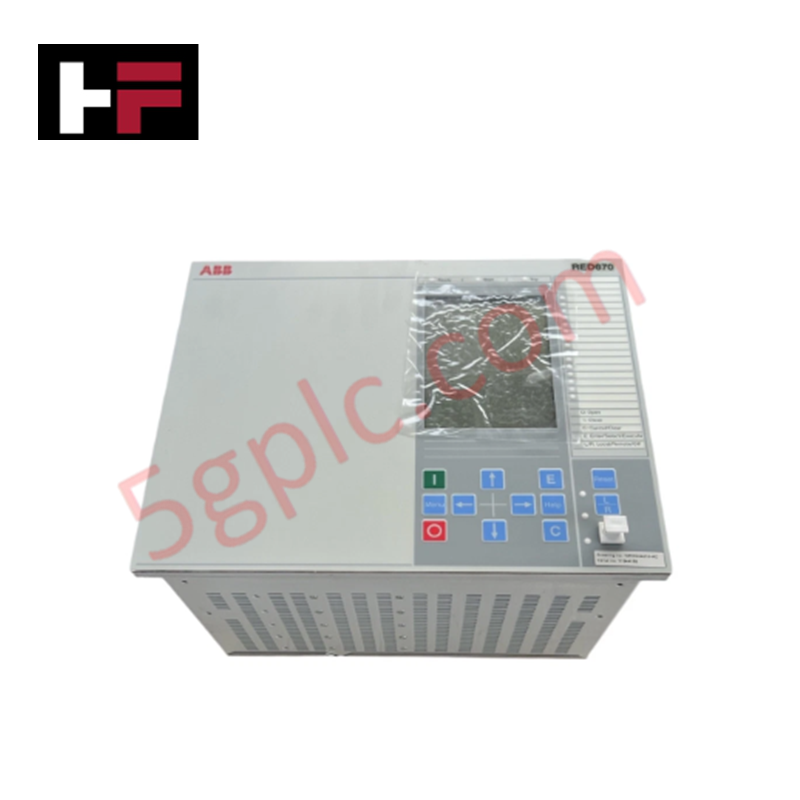
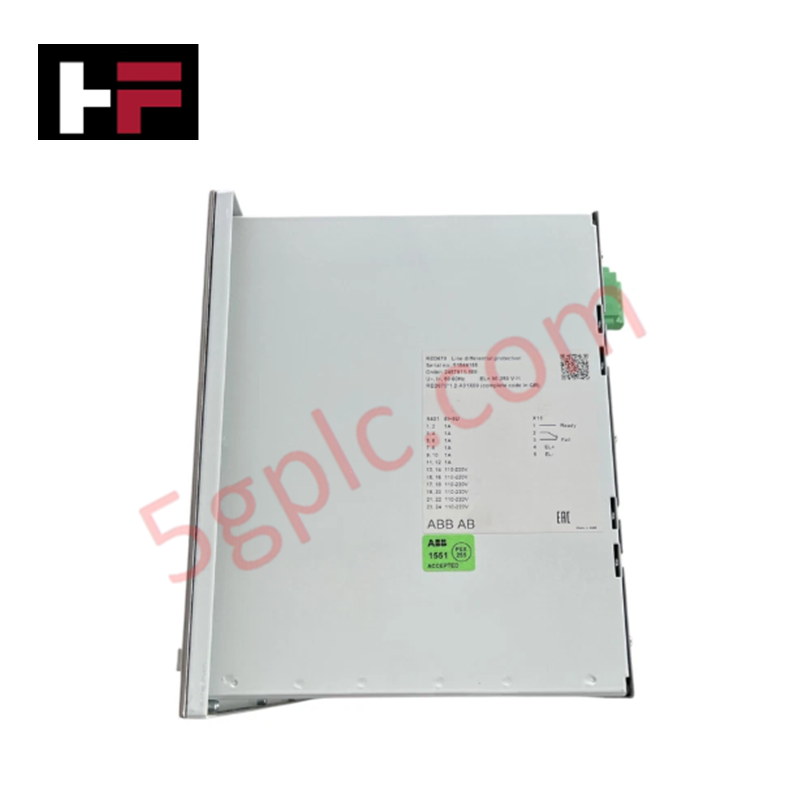
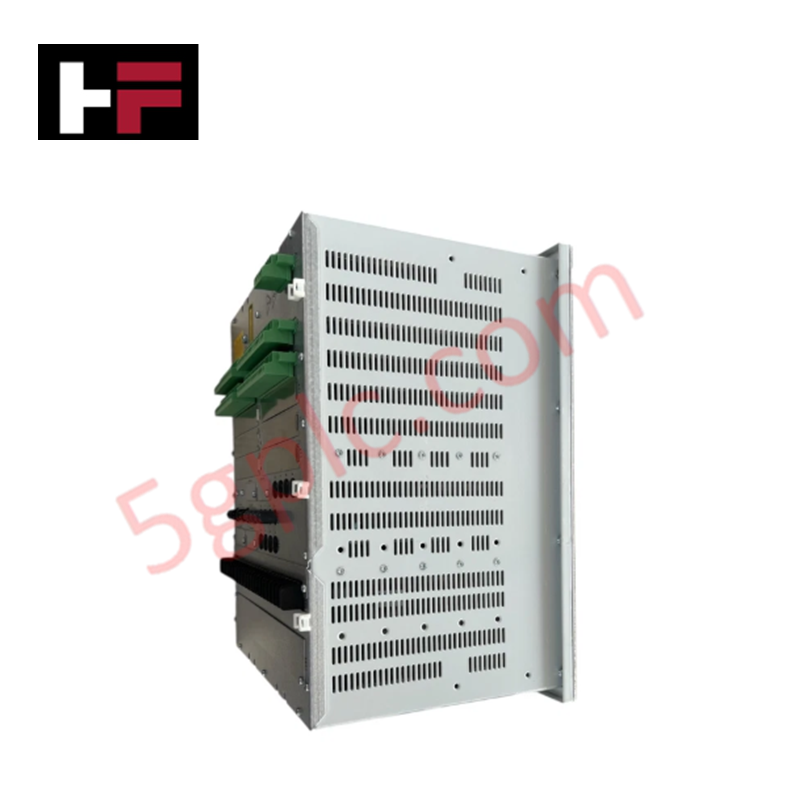
Configured for phase-segregated line differential protection for HV and EHV lines in transmission networks up to 765 kV, the ABB 1MRK004810-CC (RED670 Line Differential Protection IED) provides direct physical/electrical execution. The instrument captures secondary analog wave forms from current and voltage paths to run ultra-high-speed tripping logic across high-voltage overhead lines and underground cables.
Hardware Specifications
| Parameter | Specification |
|---|---|
| Model | 1MRK004810-CC |
| Brand | ABB |
| Origin | Sweden |
| Primary Function | Phase-segregated line differential protection and bay control |
| Rated System Voltage | Up to 765 kV networks |
| Rated Current | Primary capacities up to 5,000 A |
| Measurement Accuracy | 0.2% protection accuracy for current and voltage |
| Communication Interface | IEC 61850-8-1 (GOOSE and MMS protocols) |
| Operating Temp | -40 to +70 deg C |
| Humidity | 5% to 95% RH (non-condensing) |
| Dimensions | 230 mm x 160 mm x 100 mm |
| Weight | 3.5 kg |
| Power Consumption | Dependent on active binary input/output loading profiles |
Profinet / EtherNet/IP Deterministic Networks Performance
To sustain multi-terminal line differential tracking over automation networks, the device localizes process bus variables using fixed registers. The subrack chassis handles the transmission density according to precise constraints governed by internal backplane bus communication velocity Licences. Expanding the binary mapping channels requires utilizing standardized I/O density scaling profiles, while maintaining strict firmware flash compatibility across all optical communications hardware components to prevent data dropout or millisecond propagation delays during concurrent substation fault clearing phases.
Frequently Asked Questions
Q: Can internal communication boards be extracted from the RED670 chassis while the station auxiliary power loop is live?
A: No. Hot-swapping primary computational processing cards or communication interfaces is prohibited. The system power must be isolated, and current transformer inputs short-circuited externally prior to physical manipulation of internal components.
Q: How does the 1MRK004810-CC manage high electromagnetic interference levels during EHV breaking operations?
A: The physical housing and internal logic tracks are hardened via galvanic decoupling layouts and embedded shielded filters designed to meet international electromagnetic compatibility limits under EHV breaker transient conditions.
Q: What condition occurs if there is a firmware flash mismatch during network module replacement?
A: A mismatch blocks processing synchronization, forcing an internal software watchdog code that sets the status register to a blocked fault state and disables all physical trip loops.
Field Installation Guidelines
- Low-Impedance Earthing Installation: Mount a heavy copper grounding conductor from the main enclosure rear earth stud straight to the copper substation grid bar. Ensure all painted layers on the mounting plate are scraped away.
- Secondary CT Circuit Alignment: Verify that all active current sensing lines route through shorting blocks. Never manipulate live current transformer circuits without first establishing a closed physical path on the secondary side.
- GOOSE Network Separation: Keep all high-speed Ethernet fiber optic and copper links in separate cable duct paths isolated from standard alternating current power and primary trip circuit coils.
Additional Information
- 100% Genuine Parts: All products are original and authentic, ensuring reliable industrial performance.
- 30-Day Refund Guarantee: Return any in-stock item within 30 days in original, unopened packaging for a full refund (excluding shipping and fees).
- 12-Month Warranty: Covers defects in materials or workmanship; excludes misuse, normal wear, or unauthorized modifications.
- Worldwide Shipping: We ship via USPS, UPS, FedEx, and DHL. Delivery times vary by country and may be subject to customs or import fees.
- Support & Contact: Technical and warranty assistance is available anytime. Contact us here: Contact.
- Purchase Guidance: Check product specifications and compatibility carefully before ordering to ensure proper application.






Tech & Buying Guide

Demystifying CPU Communication Ports in Siemens PLC Architectures
Industrial automation relies heavily on robust data exchange between devices. Without seamless connectivity, field instruments, network switches, human-machine interfaces, and programmable logic controllers cannot coordinate effectively. Therefore, understanding the various CPU communication ports available in Siemens hardware ensures efficient factory automation design and seamless system integration.

Mastering the Siemens PLC Scan Cycle: How the CPU Executes Automation Programs
Industrial automation relies heavily on programmable logic controllers (PLCs) to manage complex manufacturing processes. Many engineers dive straight into programming without mastering the underlying architecture. However, understanding how a PLC CPU executes a program ensures reliable system design. Therefore, mastering the scan cycle optimizes both performance and troubleshooting in modern control systems.

How to Connect to Siemens S7 PLCs: 5 Essential Communication Methods
Establishing a reliable hardware link between a programming terminal and a Siemens SIMATIC controller is essential for engineering workflows. Field engineers rely on distinct physical layers, ranging from legacy serial connections to high-speed Industrial Ethernet protocols. Modern factory automation environments prioritize fast data transfer and seamless driver integration. Selecting the correct connection method simplifies program downloads, online monitoring, and system troubleshooting in complex control systems.