










Product Details
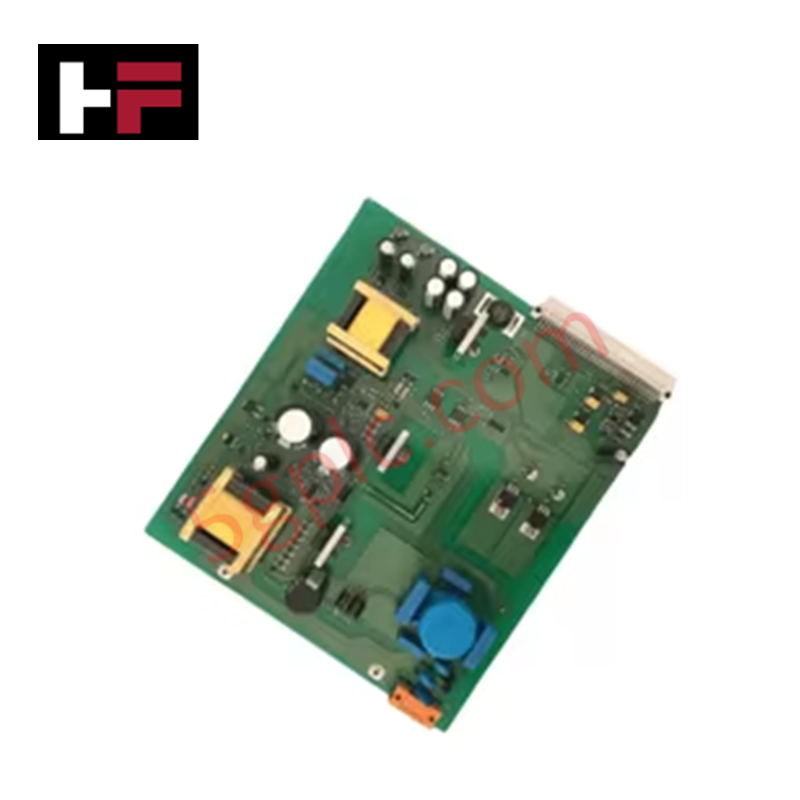
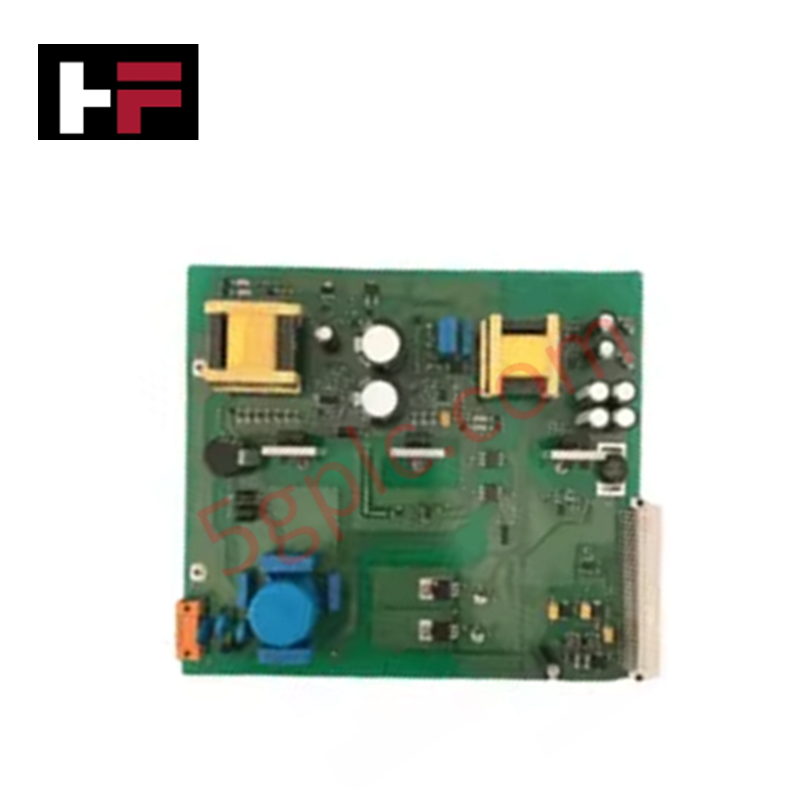
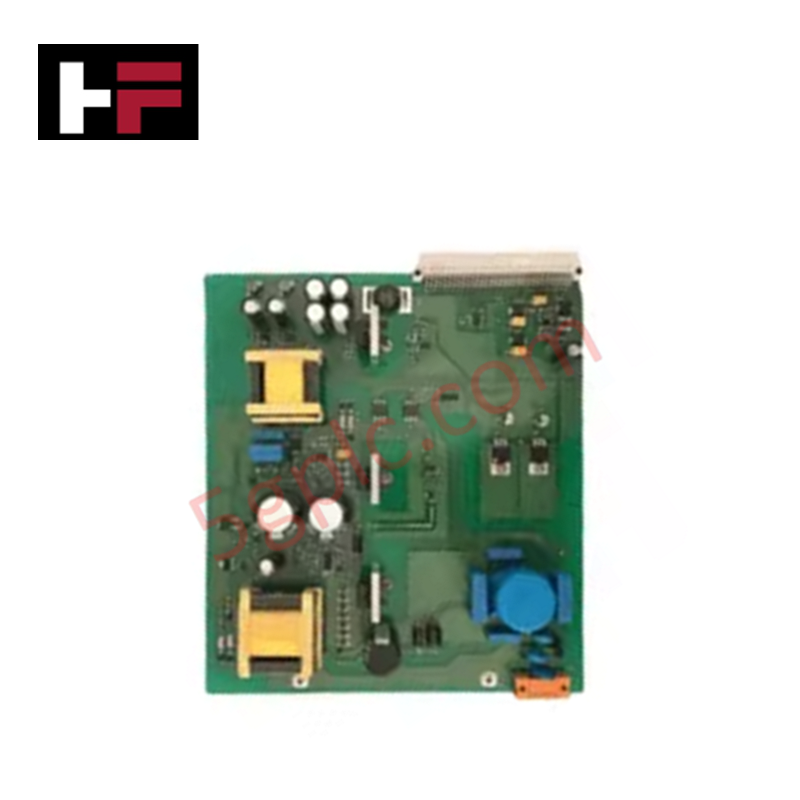
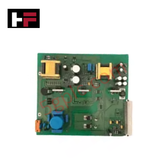
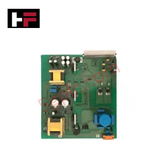
Configured for auxiliary power conversion in medium voltage protection and control systems, the ABB 1VCF750168R801 (1VCF750168R801 Power Supply Unit) provides direct physical/electrical execution. It transforms 48 to 240 VDC wide-range input voltages into regulated DC power to drive internal processor logic, relays, and optical isolation circuits across digital substation platforms.
Hardware Specifications
| Parameter | Specification |
|---|---|
| Model | 1VCF750168R801 |
| Brand | ABB |
| Product Type | Power Supply Units |
| Input Voltage Range | 48 to 240 VDC |
| Operating Temp | -40 to +70 deg C (-40 to +158 deg F) |
| Weight | 0.62 kg |
| Power Consumption | Load dependent (internal conversion efficiency > 85 percent) |
| Certifications | Certification Level 1 |
| Environmental Compliance | Not in WEEE scope |
Backplane Bus Architecture and Firmware Flash Compatibility
The power supply unit delivers filtered DC voltage rails directly across the internal backplane bus to ensure deterministic logic execution during system transients. Internal hold-up capacitors maintain output rail stability during brief DC input voltage dips. Firmware flash compatibility across integrated protection modules is maintained by stable power distribution, preventing memory corruption or logic reset sequences during abrupt supply fluctuations.
Frequently Asked Questions
Q: Does the power supply unit support hot-swapping during active subrack operation?
A: No, auxiliary DC supply power must be isolated prior to removing or inserting the power supply module to prevent backplane arc discharge and transient electrical stress.
Q: How does the unit maintain thermal performance across extreme operating temperatures?
A: The hardware uses passive conduction and convection heat sinks without internal moving fans, enabling continuous operation from -40 to +70 deg C within standard enclosures.
Field Installation Guidelines
- Power Disconnection: Isolate external 48-240 VDC primary power sources before mounting or wiring the power supply unit into the subrack assembly.
- Earth Grounding: Connect the module chassis ground terminal directly to the panel earth bus bar using a short, low-impedance copper strap to optimize noise immunity and surge suppression.
- Clearance and Ventilation: Maintain adequate vertical clearance above and below the module enclosure to facilitate natural convection cooling across the internal heat sinks.
- Input Wire Routing: Secure DC supply cables using proper strain relief and keep input power leads physically separated from low-voltage signal and communication lines.
Additional Information
- 100% Genuine Parts: All products are original and authentic, ensuring reliable industrial performance.
- 30-Day Refund Guarantee: Return any in-stock item within 30 days in original, unopened packaging for a full refund (excluding shipping and fees).
- 12-Month Warranty: Covers defects in materials or workmanship; excludes misuse, normal wear, or unauthorized modifications.
- Worldwide Shipping: We ship via USPS, UPS, FedEx, and DHL. Delivery times vary by country and may be subject to customs or import fees.
- Support & Contact: Technical and warranty assistance is available anytime. Contact us here: Contact.
- Purchase Guidance: Check product specifications and compatibility carefully before ordering to ensure proper application.






Tech & Buying Guide

Demystifying CPU Communication Ports in Siemens PLC Architectures
Industrial automation relies heavily on robust data exchange between devices. Without seamless connectivity, field instruments, network switches, human-machine interfaces, and programmable logic controllers cannot coordinate effectively. Therefore, understanding the various CPU communication ports available in Siemens hardware ensures efficient factory automation design and seamless system integration.

Mastering the Siemens PLC Scan Cycle: How the CPU Executes Automation Programs
Industrial automation relies heavily on programmable logic controllers (PLCs) to manage complex manufacturing processes. Many engineers dive straight into programming without mastering the underlying architecture. However, understanding how a PLC CPU executes a program ensures reliable system design. Therefore, mastering the scan cycle optimizes both performance and troubleshooting in modern control systems.

How to Connect to Siemens S7 PLCs: 5 Essential Communication Methods
Establishing a reliable hardware link between a programming terminal and a Siemens SIMATIC controller is essential for engineering workflows. Field engineers rely on distinct physical layers, ranging from legacy serial connections to high-speed Industrial Ethernet protocols. Modern factory automation environments prioritize fast data transfer and seamless driver integration. Selecting the correct connection method simplifies program downloads, online monitoring, and system troubleshooting in complex control systems.