










Product Details
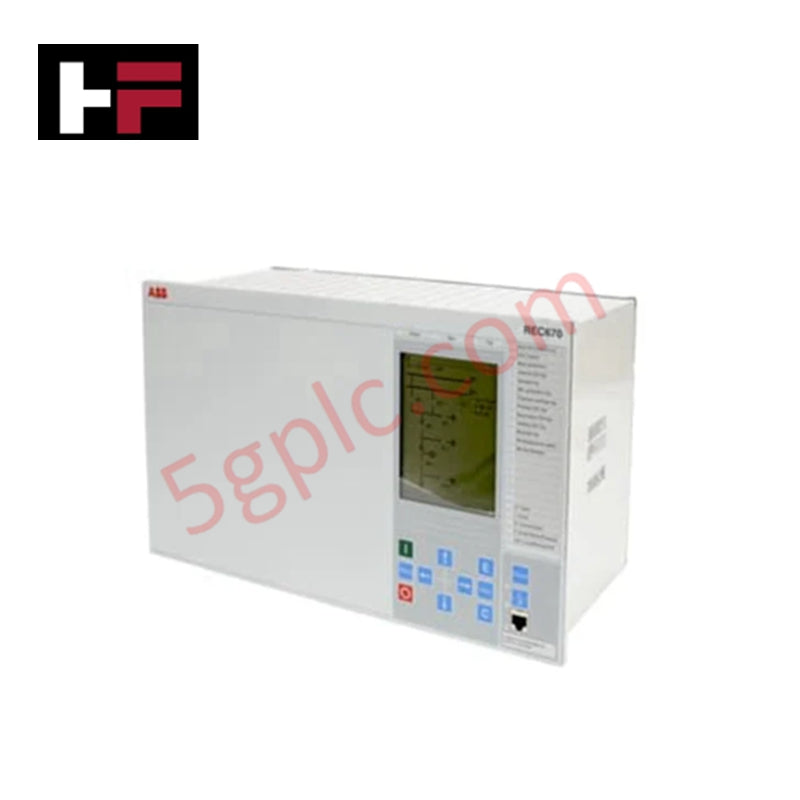
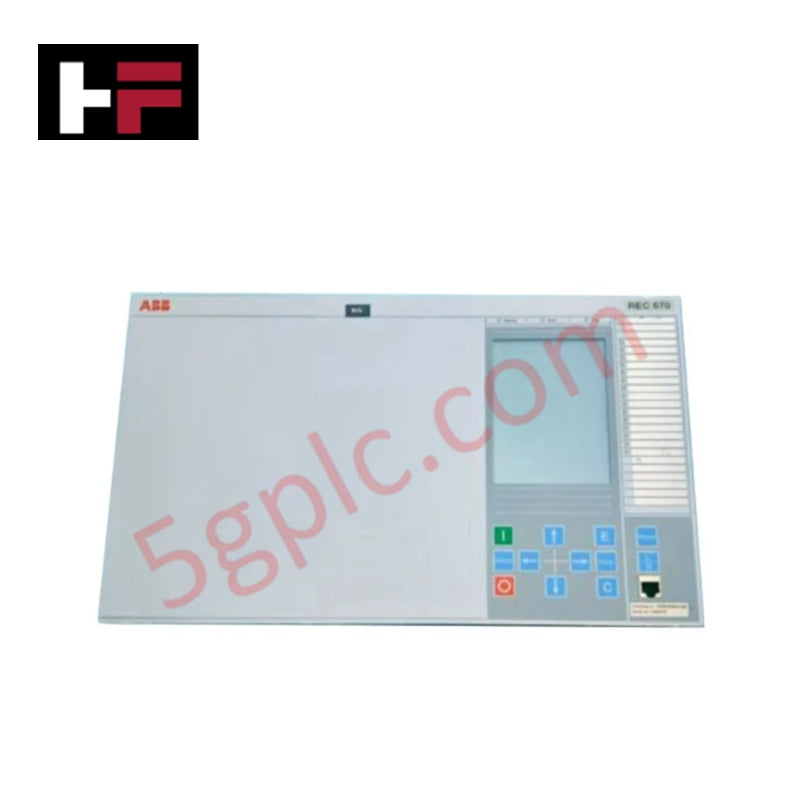
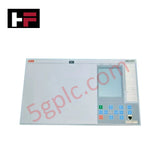
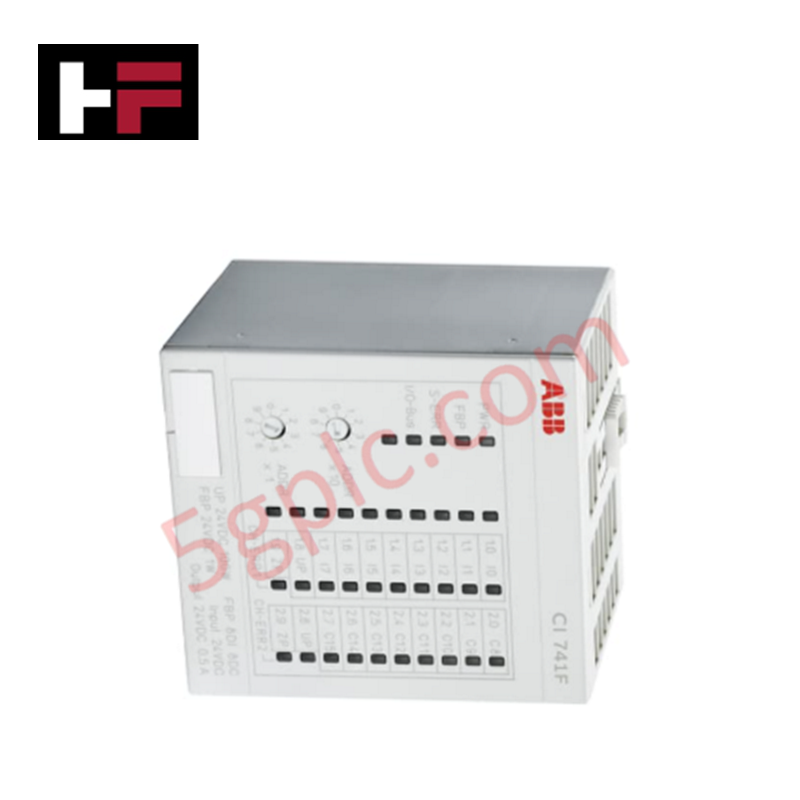
The ABB 1MRK002810-AB serves as the primary REC670 Intelligent Line Differential Protection utilized to execute [Specific Technical Task] across [System/Network Name] platforms.
Hardware Specifications
| Parameter | Specification |
|---|---|
| Model | 1MRK002810-AB |
| Brand | ABB |
| Origin | Sweden |
| Protection Type | Line differential protection for power lines |
| Operating Voltage | 24 V DC |
| Power Consumption | 10 - 15 W |
| Analog Inputs | Formatted for voltage and current secondary instrument sensing |
| Digital Inputs | Configurable dry/wet contact instrumentation channels |
| Digital Outputs | Solid-state or electromechanical trip and alarm contacts |
| Communication Protocols | IEC 61850, DNP3, Modbus |
| Operating Temp | -20 to +60 deg C |
| Humidity | 5% to 95% RH, non-condensing |
| Protection Class | IP20 (indoor use) |
| Mounting | Standard rack or panel mounting options |
| Dimensions | Mapped to standard 19-inch subrack housing specifications |
| Weight | Standard subrack IED module assembly weight |
Profinet / EtherNet/IP Deterministic Networks Performance
To sustain uninterrupted line differential calculation frequencies, local analog sampling engines route measurements straight into the execution registers. The physical subrack infrastructure coordinates data frame alignment using specific metrics matching the backplane bus communication velocity parameters. The array features expandable I/O density scaling options deployed through standardized terminal assignments, requiring complete firmware flash compatibility between network card slots and the core calculation processor to prevent transit jitter during concurrent multi-terminal grid faults.
Frequently Asked Questions
Q: Does the 1MRK002810-AB permit live module extraction or hot-swapping during feeder loading?
A: No. Hot-swapping internal data conversion cards or core processing units is restricted. Auxiliary power must be deactivated, and all external current transformer circuits shorted out prior to physical frame extraction.
Q: What actions are required if a firmware flash mismatch occurs upon setting up an auxiliary network expansion card?
A: A firmware variance forces the central processor to generate a hardware error code, which isolates the peripheral bus links, inhibits the digital outputs, and places the IED into a blocked state.
Q: How are the analog input paths insulated against external system spikes?
A: The input channels use dedicated internal measurement isolation barriers to decouple field-side voltage transformer and current transformer loops from the internal logic processing engine.
Field Installation Guidelines
- Subrack Chassis Earthing: Connect a low-impedance copper ground strap directly from the chassis grounding lug to the main copper earth bar of the control panel to minimize high-frequency noise.
- Secondary Current Transformer Interlocking: Verify that all active CT loops pass through shorting-type terminal switches. Never allow a live current transformer circuit to operate open-circuit during wireway terminal manipulations.
- Network Cable Routing Constraints: Route all communication links separate from parallel high-voltage alternating current control conduits inside the enclosure to eliminate electromagnetic signal distortion.
Additional Information
- 100% Genuine Parts: All products are original and authentic, ensuring reliable industrial performance.
- 30-Day Refund Guarantee: Return any in-stock item within 30 days in original, unopened packaging for a full refund (excluding shipping and fees).
- 12-Month Warranty: Covers defects in materials or workmanship; excludes misuse, normal wear, or unauthorized modifications.
- Worldwide Shipping: We ship via USPS, UPS, FedEx, and DHL. Delivery times vary by country and may be subject to customs or import fees.
- Support & Contact: Technical and warranty assistance is available anytime. Contact us here: Contact.
- Purchase Guidance: Check product specifications and compatibility carefully before ordering to ensure proper application.






Tech & Buying Guide

Demystifying the DDE Protocol in Legacy Industrial Automation Systems
Modern control systems rely heavily on seamless interprocess communication to exchange operational data between software programs. Microsoft first introduced the Dynamic Data Exchange (DDE) protocol in 1987 to enable real-time data sharing. In factory automation, DDE served as an early bridge between control software and Windows desktop applications. Therefore, understanding DDE mechanics provides crucial insights into how legacy industrial networks established software-level connectivity.

Demystifying CPU Communication Ports in Siemens PLC Architectures
Industrial automation relies heavily on robust data exchange between devices. Without seamless connectivity, field instruments, network switches, human-machine interfaces, and programmable logic controllers cannot coordinate effectively. Therefore, understanding the various CPU communication ports available in Siemens hardware ensures efficient factory automation design and seamless system integration.

Mastering the Siemens PLC Scan Cycle: How the CPU Executes Automation Programs
Industrial automation relies heavily on programmable logic controllers (PLCs) to manage complex manufacturing processes. Many engineers dive straight into programming without mastering the underlying architecture. However, understanding how a PLC CPU executes a program ensures reliable system design. Therefore, mastering the scan cycle optimizes both performance and troubleshooting in modern control systems.