Tech & Buying Guide

Sequencing Induction Motor Control with PLC Logic: Best Practices
- 〡 by WUPAMBO
In modern industrial automation, controlling a group of induction motors requires precision and safety. Uncontrolled simultaneous startup of multiple large motors often causes significant voltage dips, potentially triggering protective trips. Therefore, implementing a sequential startup and shutdown strategy is essential. This approach minimizes inrush current and ensures the system operates within established power constraints. A robust PLC program serves as the ideal engine for orchestrating these sequences.
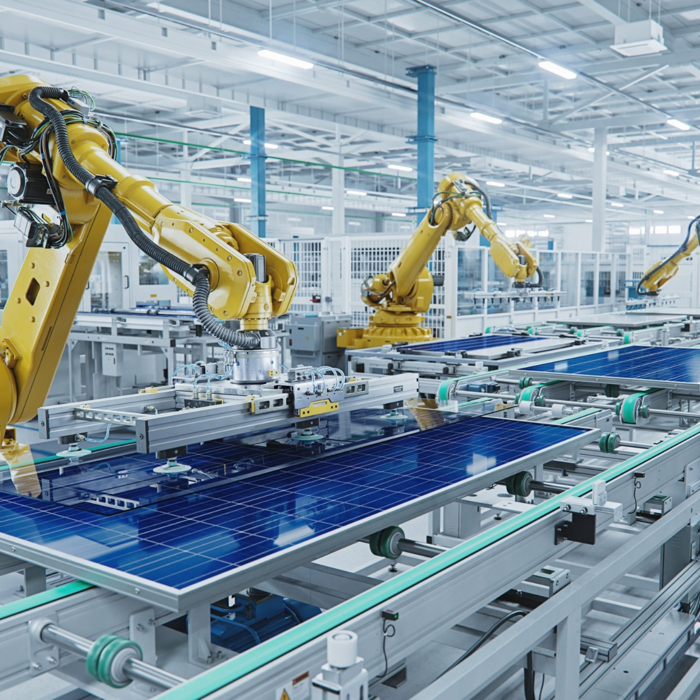
Mastering PLC Programming: Best Practices for Robust Industrial Automation
- 〡 by WUPAMBO
Writing clean PLC code requires discipline, especially regarding memory management. Avoid overusing SET and RESET instructions, as they often complicate debugging. If multiple rungs control the same bit, troubleshooting becomes a nightmare. Instead, focus on energizing a bit in only one location. If your logic requires complex conditions, use branches within a single rung. This approach keeps your code readable, maintainable, and significantly easier to audit during downtime.

PLC vs. HMI: Distinguishing the Brain from the Interface in Industrial Automation
- 〡 by WUPAMBO
In the realm of industrial automation, distinguishing between a Programmable Logic Controller (PLC) and a Human-Machine Interface (HMI) is fundamental. While both devices work in tandem, they serve distinct purposes. The PLC acts as the "brain" of the operation, executing logic, whereas the HMI serves as the "eyes," allowing operators to monitor and interact with the system. Understanding this synergy is essential for any professional designing robust factory automation solutions.
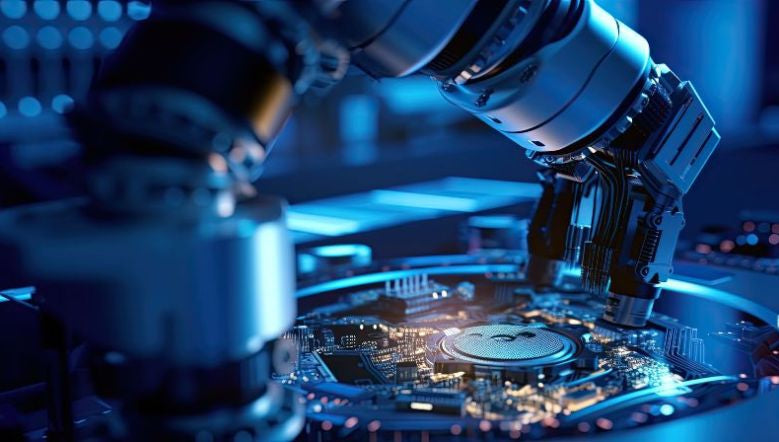
Selecting the Right Industrial Automation Solution for Modern Manufacturing
- 〡 by WUPAMBO
Choosing an effective industrial automation system starts with a thorough process audit. You must identify tasks that are repetitive, labor-intensive, or prone to human error. Not every process requires high-level automation; therefore, prioritize operations that directly impact throughput and quality. By scoping your needs accurately, you avoid over-investing in unnecessary technology. A balanced approach ensures that your capital expenditure aligns with measurable gains in operational efficiency.
Mastering PLC Power Supply Architectures and Operating Voltages
- 〡 by WUPAMBO
Selecting the correct operating voltage is a critical step in designing reliable industrial automation systems. Whether you are working with a compact PLC or a large-scale DCS, your power architecture dictates the system's longevity. In this guide, we explore the standard voltage ranges and power distribution strategies required to maintain stable factory automation operations.

Optimizing Power Supply Sizing for Industrial Automation Systems
- 〡 by WUPAMBO
The power supply is the silent heartbeat of any industrial automation system. While engineers often prioritize processors and communication protocols, a stable power architecture remains the most critical factor for long-term reliability. In my 15 years of experience, I have found that neglecting power supply sizing often leads to ghost errors, intermittent field device failures, and costly production downtime.