Selecting the Right Industrial Automation Solution for Modern Manufacturing
- 〡
- 〡 by WUPAMBO
Assessing Operational Requirements for Factory Automation
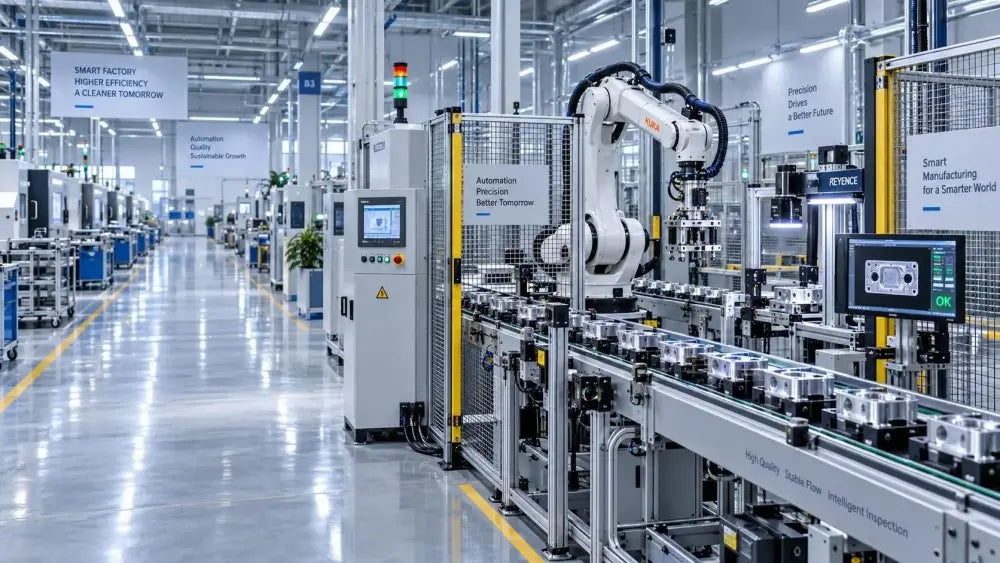
Choosing an effective industrial automation system starts with a thorough process audit. You must identify tasks that are repetitive, labor-intensive, or prone to human error. Not every process requires high-level automation; therefore, prioritize operations that directly impact throughput and quality. By scoping your needs accurately, you avoid over-investing in unnecessary technology. A balanced approach ensures that your capital expenditure aligns with measurable gains in operational efficiency.
Evaluating Technical Features in Control Systems
Once you define your needs, evaluate the features of available control systems. A reliable solution must integrate seamlessly with your existing infrastructure. Moreover, it should offer robust performance under unpredictable conditions. Whether you are selecting a PLC for discrete logic or a DCS for process control, ensure the platform supports your specific functional requirements. As an expert, I advise prioritizing platforms with modular architectures that allow for future scalability.
Embracing IoT for Advanced Industrial Automation
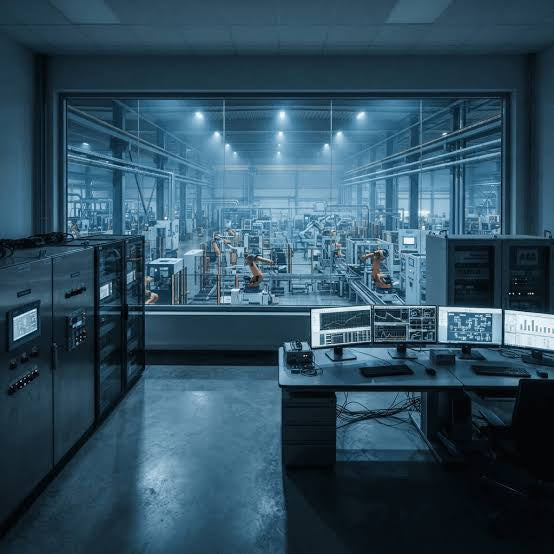
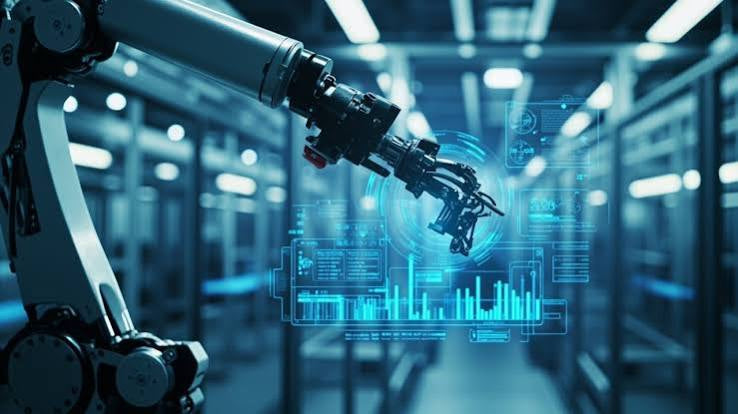
Modern factory automation leverages the power of Industry 4.0. If your business requires real-time data analytics, machine learning, or cloud-based monitoring, incorporate IoT-ready solutions. These systems provide deep insights into machine health and predictive maintenance. In addition, integration with ERP and MES platforms creates a cohesive digital ecosystem. This connectivity reduces downtime and allows for smarter, data-driven decision-making across the entire production line.
The Critical Role of Support and Cybersecurity
Procuring hardware is only the first step in your automation journey. You must partner with vendors who provide comprehensive technical support and maintenance. Furthermore, as control systems converge with enterprise networks, cybersecurity becomes a non-negotiable priority. Always select solutions that feature built-in encryption, secure remote access, and frequent firmware updates. Protecting your OT infrastructure against vulnerabilities is as vital as the automation process itself.
Ensuring High-Performance Network Integration
Data flow is the lifeblood of modern production. Therefore, your chosen solution must support diverse communication protocols to ensure seamless network integration. High-performance PLC architectures must handle high-speed data transfer without latency. Before commissioning any system, review case studies and performance benchmarks to ensure the solution remains stable under heavy operational loads. Reliable network connectivity prevents costly bugs and ensures successful annual audits.
Author’s Perspective: Strategic Implementation
In my 15 years of experience, I have observed that the most successful projects prioritize long-term compatibility over short-term savings. Do not view automation as a one-time purchase; treat it as an evolving infrastructure. Invest in training your technical staff to manage these complex systems effectively. When you align robust technology with skilled human oversight, you secure a sustainable competitive advantage in the global market.
Solution Scenario: Optimizing a Bottleneck Process
Consider a high-speed packaging line facing frequent unplanned stops. A targeted solution involves installing a dedicated PLC with advanced motion control capabilities. By integrating this with a centralized monitoring system, operators can detect micro-stoppages in real-time. Consequently, the team can address root causes immediately, increasing the overall equipment effectiveness (OEE) by a significant margin.
About the Author
This article was authored by Zhang Wei (张伟), a senior expert with 15 years of experience in the global industrial automation sector. Throughout his career, Zhang has specialized in the design and implementation of large-scale PLC, DCS, TSI, and electrical protection systems. He frequently provides technical consultancy for major industrial media outlets and global automation manufacturers. Zhang is widely recognized for his technical depth and his ability to translate complex automation challenges into actionable strategies for Industry 4.0 stakeholders.