Understanding the Key Differences: Microcontrollers vs. PLCs in Industrial Automation
- 〡
- 〡 by WUPAMBO

Choosing the right control system is a fundamental decision for any engineering project. Whether you are building a consumer gadget or a massive production line, the heart of the system usually relies on either a Microcontroller or a Programmable Logic Controller (PLC). Both devices process logic and manage inputs and outputs. However, they serve vastly different environments and technical requirements.
What Defines a Microcontroller?
A microcontroller is essentially a compact computer condensed onto a single integrated circuit. It contains a processor core, memory, and programmable input/output peripherals. These "chips" typically manage simple, dedicated tasks within electronic devices. For example, a microcontroller might handle the display and button inputs on a handheld thermometer. Because all components reside on one chip, they are highly cost-effective for mass-produced consumer electronics.
Exploring the Power of the PLC
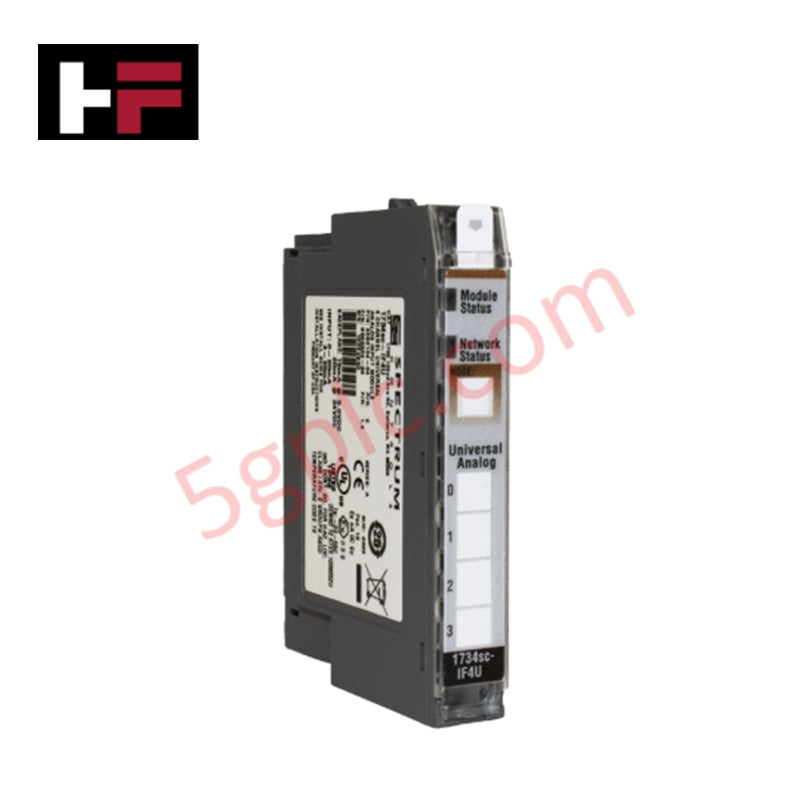
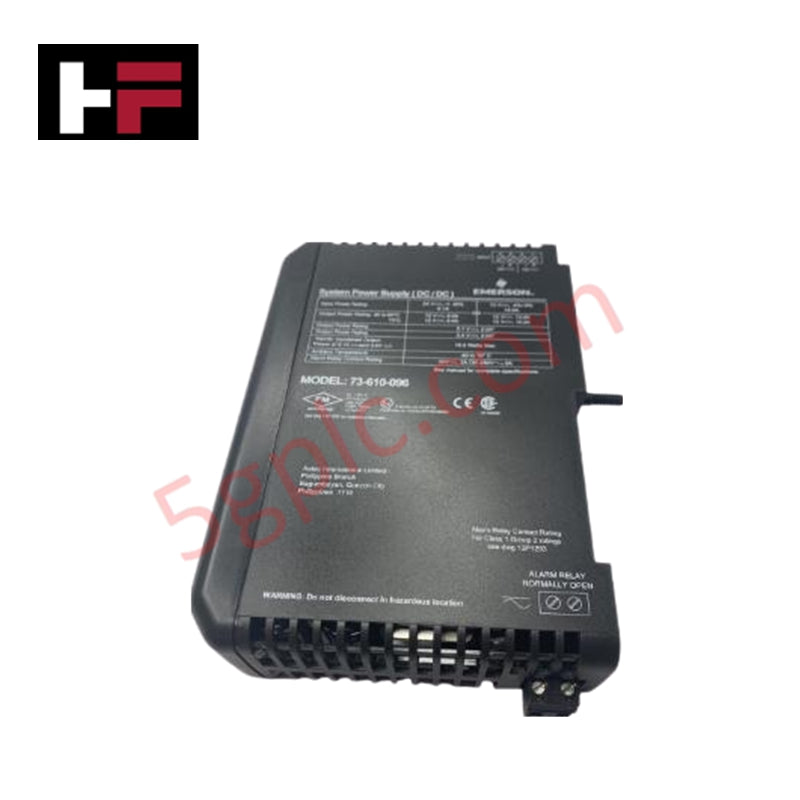
A Programmable Logic Controller (PLC) is a ruggedized computer designed specifically for industrial automation. Unlike a single-chip microcontroller, a PLC is often modular. It consists of a separate CPU, power supply, and various I/O modules housed in a protective cabinet. These systems manage high-voltage signals and complex industrial sensors like thermocouples. Furthermore, PLCs support robust communication protocols such as Profinet, EtherNet/IP, and Modbus to synchronize with other factory machinery.
Durability and Environmental Stability
The most significant advantage of a PLC is its physical resilience. Factory floors are harsh environments filled with electromagnetic noise, extreme temperatures, and vibration. Engineers design PLCs to withstand these conditions for decades. Conversely, standard microcontrollers are sensitive to electrical interference and physical stress. Therefore, a PLC is the standard choice for critical control systems in oil and gas, automotive, or chemical processing plants.
Programming Languages and Engineering Workflow
Programming a microcontroller usually requires proficiency in low-level languages like C, C++, or Assembly. This workflow demands a deep understanding of computer architecture and embedded systems. In contrast, PLC programming utilizes standard languages like Ladder Logic (LD). Ladder Logic visually mimics electrical circuit diagrams, making it accessible to electricians and plant engineers. As a result, troubleshooting and modifying logic on a live production line is much faster with a PLC.
Cost and Scalability Factors
Microcontrollers offer a clear price advantage for low-power, high-volume applications. However, scaling a microcontroller system to handle hundreds of industrial sensors requires custom circuit design and complex wiring. PLCs allow for easy expansion through remote I/O modules and plug-and-play hardware. While the initial investment for a PLC is higher, the reduced engineering time and increased reliability often lead to a lower total cost of ownership in industrial settings.
Expert Insight: The Hybridization of Control Systems
In my experience, the line between microcontrollers and PLCs is starting to blur. Many modern PLCs now use powerful microcontrollers as their internal "engines." Furthermore, we are seeing the rise of "Open PLCs" that run on Raspberry Pi or Arduino platforms. However, for a B2B supplier, the "Ruggedness Gap" remains the deciding factor. If your system controls a machine where failure could cause injury or massive financial loss, the hardware-level protection and safety certifications of a traditional PLC are indispensable.
Solution Scenario: Small Machine vs. Large Factory
| Requirement | Recommended Controller | Reason |
| Smart Coffee Maker | Microcontroller (e.g., ESP32) | Low cost, small footprint, simple sensor logic. |
| Conveyor Sorting System | PLC (e.g., Allen-Bradley) | High I/O count, industrial protocol support, easy maintenance. |
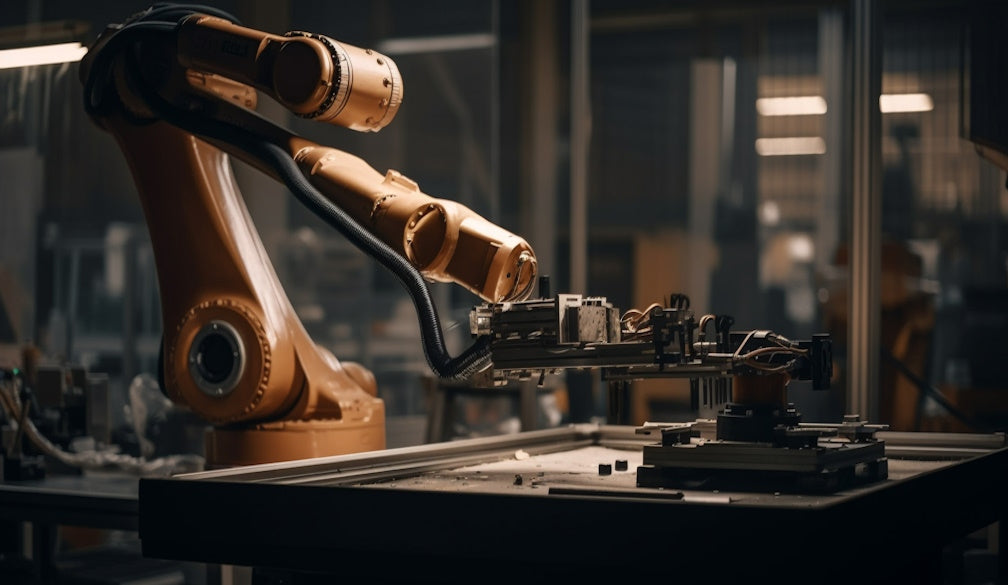
| Robotic Arm Prototype | Microcontroller / PLC Hybrid | Precision control (Micro) + Industrial safety (PLC). |
| Chemical Batching Plant | PLC (e.g., Siemens S7-1500) | Extreme reliability, DCS integration, and ATEX safety compliance. |
- Posted in:
- Allen-Bradley
- control systems
- DCS
- factory automation
- industrial IoT
- PLC vs Microcontroller
- Siemens PLC