From Assembly Lines to Public Squares: The Escalating Footprint of Humanoid and Autonomous Robots in Modern Automation
- 〡
- 〡 by WUPAMBO
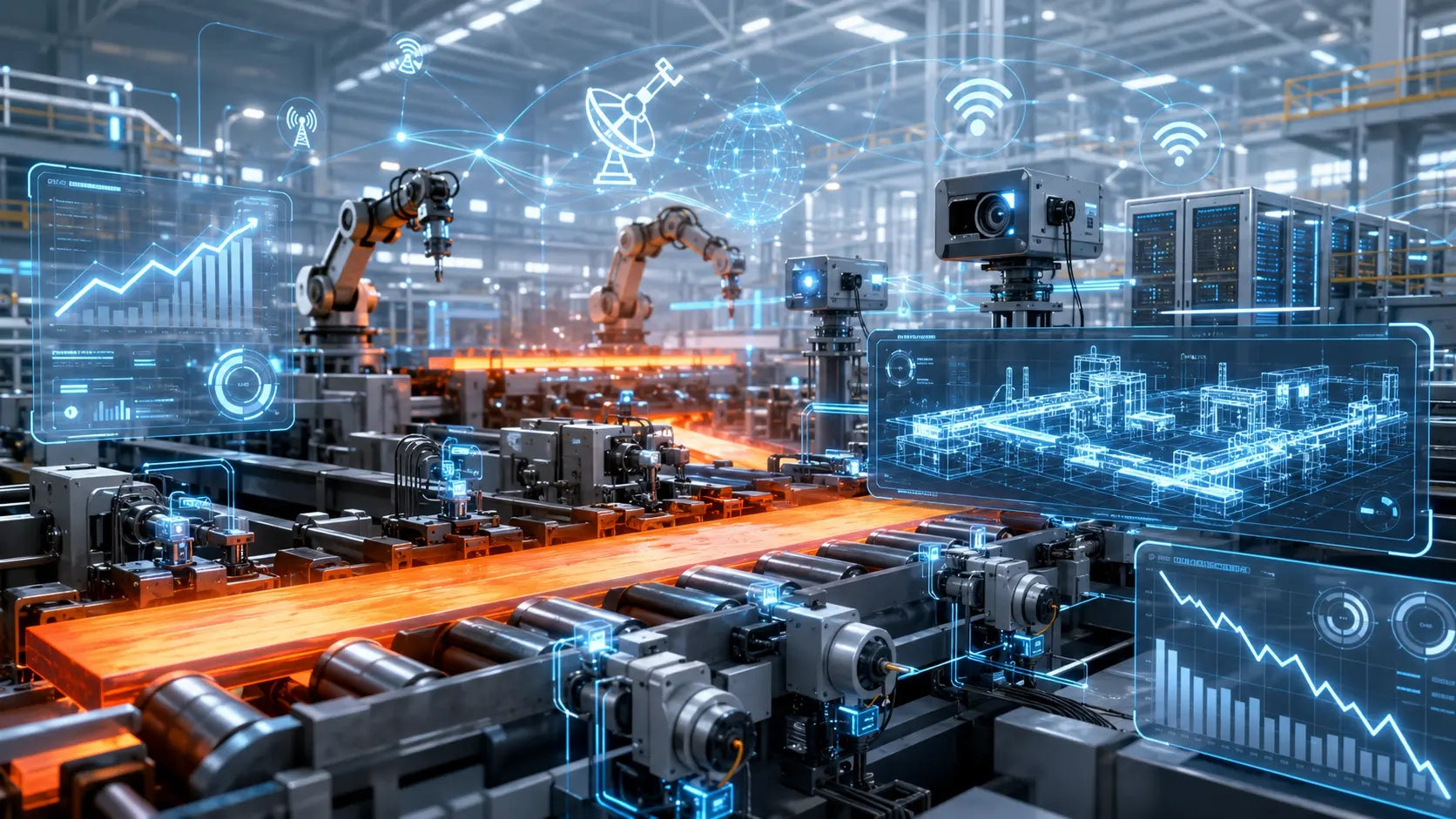
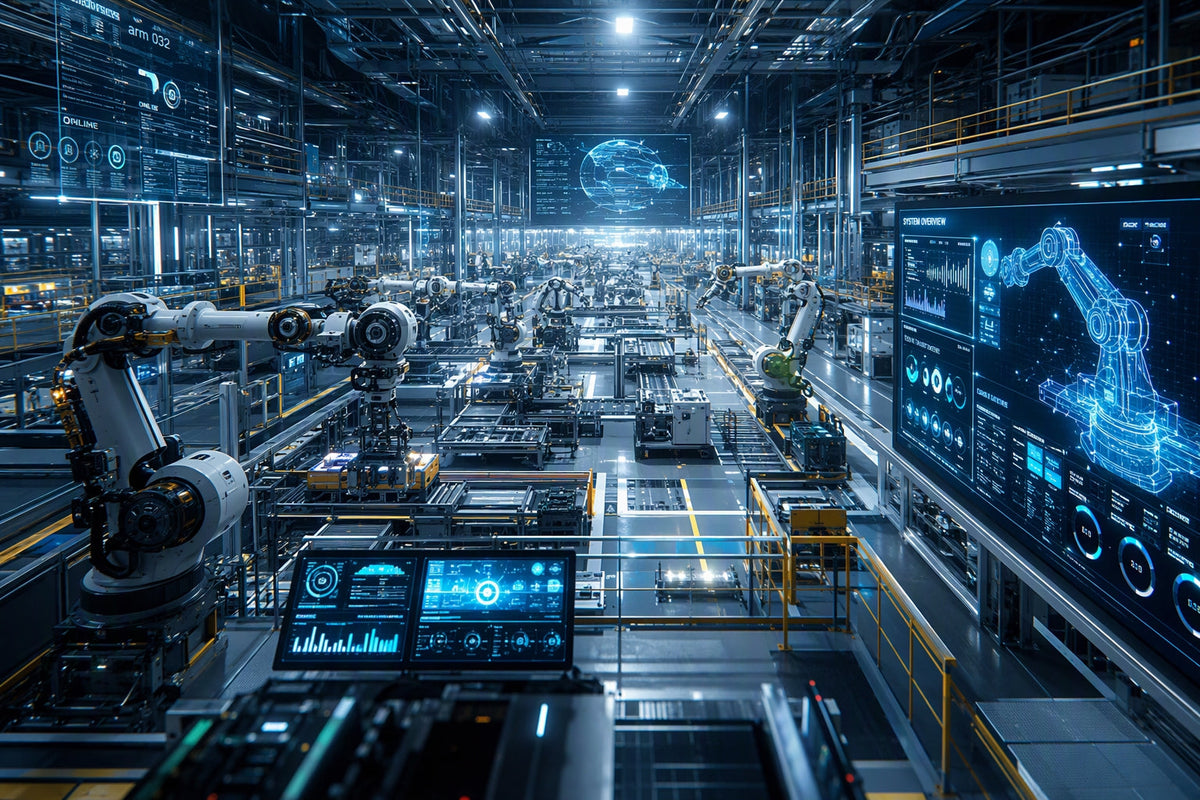
The landscape of industrial automation is undergoing a massive paradigm shift. Autonomous systems are rapidly moving beyond traditional fixed-arm tasks. Today, advanced mobile robotics and humanoid systems are successfully transitioning from heavily controlled factory floors into dynamic, real-world public spaces. This evolution highlights a major breakthrough in control system adaptability, sensor integration, and real-time processing power.
The Evolution of Mobility: Upgrading Beyond Fixed Industrial Robotics
Traditional plant designs have long relied on stationary robotic cells, which are typically managed by Programmable Logic Controllers (PLCs) or Distributed Control Systems (DCS). However, modern field operations demand high-level mobility and spatial awareness. Recent public demonstrations in Seoul, South Korea, perfectly highlighted this technological shift. Humanoid robots successfully navigated dense crowds during cultural processions, maintaining a steady, balanced gait over a continuous two-kilometer trek.
For automation engineers, this represents a major step forward in machine vision and bipedal locomotion algorithms. The control systems embedded within these mobile platforms must continuously process variables like surface friction, slope gradients, and unexpected obstacles. These advanced units handle complex environmental feedback loop calculations instantly. As a result, they deliver a level of dynamic adaptability that old-school, pre-programmed factory automation simply cannot match.
Global Hardware Synergy: Driving Open Integration in Factory Automation
The rising demand for agile hardware has sparked deep collaboration across the international supply chain. At recent industry expos, high-tech industrial automation partnerships stole the spotlight. The integration of Unitree’s G1 humanoid robot and AgiBot's IL Bot with local automation frameworks shows that the sector is actively moving toward universal compatibility.
From a systems engineering perspective, the real challenge lies in communication protocols. Modern humanoid units require high-speed, low-latency fieldbus connections like EtherCAT or TSN (Time-Sensitive Networking) to safely bridge their proprietary internal controllers with standard plant-wide DCS networks. This seamless integration allows real-time diagnostics, torque monitoring, and safety interlocking data to flow smoothly between the mobile robots and the main control room.
Heavy-Duty Applications: Moving High-Payload Logistics to the Shop Floor
Humanoid technology is rapidly moving past the pilot phase and stepping directly into heavy-duty material handling. A prime example is Boston Dynamics’ recent demonstration of its all-electric Atlas robot, which effortlessly lifted and transported a 23-kilogram compact refrigerator. Boasting a total payload capacity of 45 kilograms, Atlas relies on advanced hydraulic and electric actuator systems alongside sophisticated balancing algorithms to manage off-center loads.
This specific capability is drawing major investments from heavy industries. Automotive giants like Hyundai Motor Company and Kia plan to deploy more than 25,000 Atlas units into their manufacturing facilities, establishing a production goal of 30,000 units per year by 2028. For plant managers, deploying these agile robots into tight spaces helps bridge the gap between traditional fixed conveyor systems and autonomous mobile platforms. Ultimately, this integration maximizes overall operational efficiency across the assembly line.
Mission-Critical Deployment: Toughening Quadrupedal Robots for Extreme Environments
Beyond handling heavy factory logistics, autonomous machines are making life-saving contributions in mission-critical environments. The Seoul Fire and Disaster Headquarters recently proved this by testing quadrupedal "robot dogs"—such as Boston Dynamics’ Spot and Deep Robotics’ Lynx—in hazardous, smoke-filled subway simulation zones.
These agile quadrupedal platforms successfully located survivors in zero-visibility conditions, working alongside specialized low-floor fire trucks. For control systems specialists, this is a masterclass in building ruggedized equipment. These field units use sealed, explosion-proof enclosures and specialized sensor arrays that closely match the high standards of Turbine Supervisory Instrumentation (TSI). They are purpose-built to withstand extreme heat, heavy dust, and severe vibration, ensuring reliable data transmission back to command centers during high-stakes rescue operations.
Long-Term Market Growth: Preparing for a Multi-Trillion Dollar Automated Future
The rapid development of industrial robotics is backed by massive financial forecasts. Leading global financial institutions, including Goldman Sachs, predict the worldwide humanoid robot market will reach approximately 38 billion dollars by 2035. Looking further ahead, Morgan Stanley forecasts this booming sector could skyrocket into a 5 trillion-dollar market by 2050.
Financial projections indicate that early adoption of humanoid technology will yield exponential returns in plant optimization and workforce safety over the next two decades.
For corporate automation leaders, these numbers deliver a clear message: investing in humanoid development is no longer optional. Embracing these advanced systems is a vital step for long-term competitiveness. As hardware costs fall and machine learning models improve, humanoid robots will soon become standard components in comprehensive factory automation strategies worldwide.
Actionable Deployment Scenario: Automated Logistics Integration
This practical blueprint illustrates how an industrial plant can integrate mobile humanoid platforms into a high-capacity warehouse ecosystem.
Prerequisite Infrastructure
-
Network Backbone: Plant-wide industrial Wi-Fi 6 or 5G private network with sub-10ms latency.
-
Control Architecture: Main plant DCS utilizing an OPC UA (Open Platform Communications Unified Architecture) server for vendor-neutral data sharing.
-
Safety Protocols: Functional safety zones defined via laser scanners and monitored through a Safety PLC (SIL 3 rated).
Operational Workflow Sequence
The central plant DCS identifies a parts deficit at Assembly Line 4 and issues a secure material retrieval command to the robot warehouse fleet via OPC UA protocol.
An autonomous humanoid unit navigates the warehouse aisles using LiDAR and 3D vision, safely avoids static and dynamic obstacles, and retrieves a 30-kilogram component crate from a high rack.
Internal sensors on the humanoid robot stream continuous vibration, joint torque, and temperature data to the main monitoring station, using telemetry methods similar to TSI setups to catch any hardware anomalies early.
The robot delivers the crate directly to the assembly cell workstation, completes a hardware handshake with the local cell PLC via EtherCAT, and confirms a successful delivery to the main DCS database.
About the Author: Lin Xiaofeng
Lin Xiaofeng is a Senior Industrial Automation Engineer and Technology Contributor with over 15 years of hands-on experience designing, programming, and commissioning complex control systems. His core expertise spans across high-reliability PLC architectures, large-scale Distributed Control Systems (DCS), and Turbine Supervisory Instrumentation (TSI) for heavy manufacturing and power generation plants. Lin specializes in bridging the gap between legacy industrial networks and next-generation autonomous robotics, helping modern industrial facilities safely achieve peak operational efficiency.
SEO TAGs: industrial automation, factory automation, PLC control systems, DCS network integration, mobile humanoid robotics, Boston Dynamics Atlas, factory floor logistics, plant engineering solutions
- Posted in:
- Boston Dynamics Atlas
- DCS network integration
- factory automation
- factory floor logistics
- PLC control systems