China’s Robot Revolution: Industrial Automation Transforming Global Manufacturing
- 〡
- 〡 by WUPAMBO

The Rise of Factory Automation in China
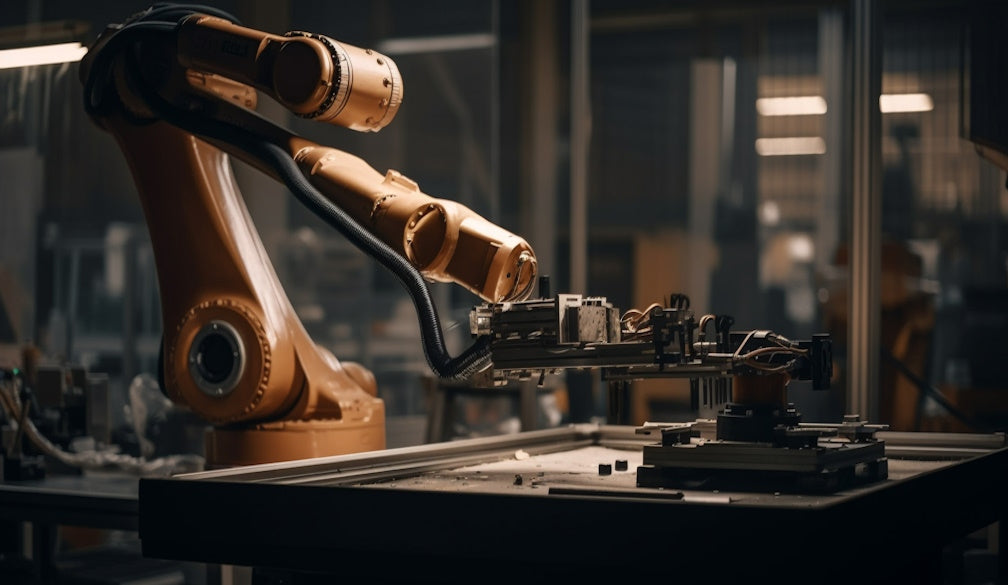
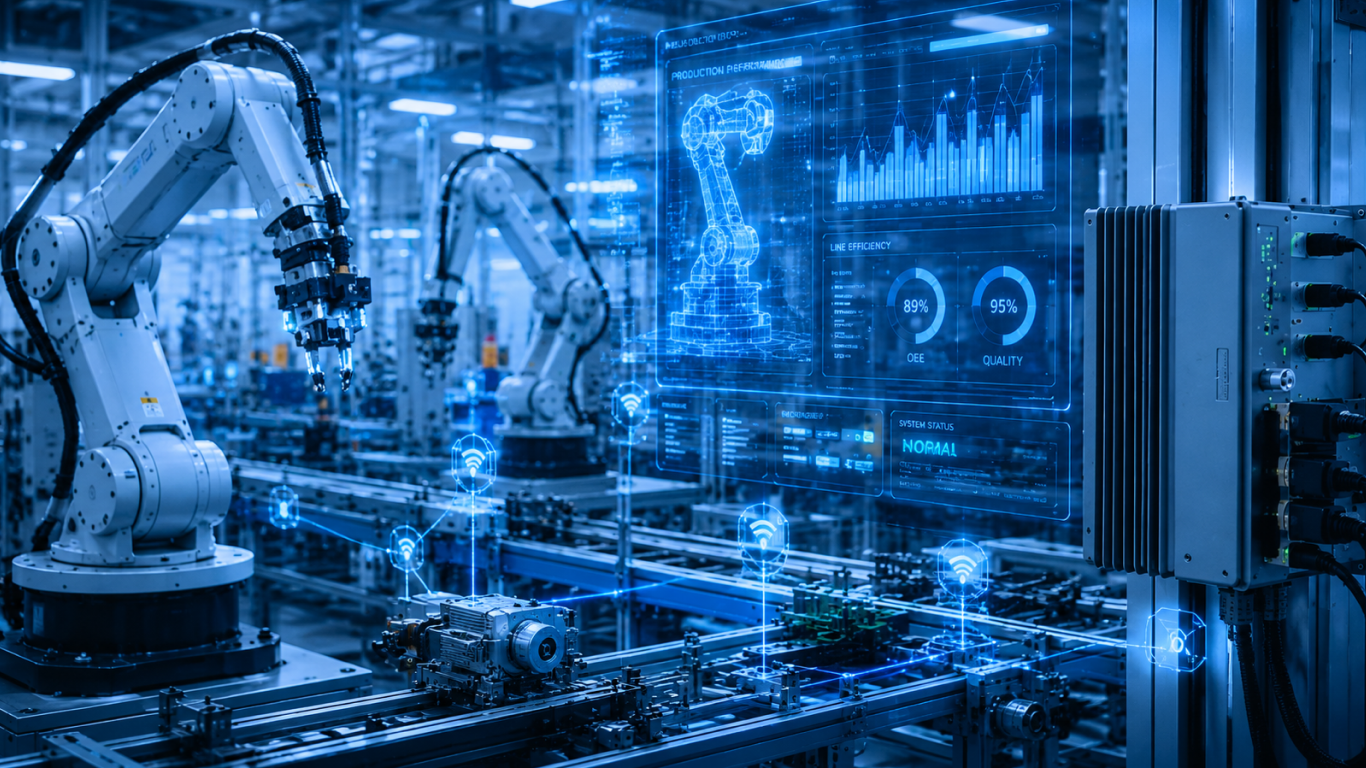
China has become the center of industrial automation, deploying more than two million robots across its factories. These machines weld, assemble, and package products with unmatched precision. As a result, China now leads the global race in factory automation, setting new benchmarks for efficiency and scale.
Record-Breaking Robot Installations
According to the International Federation of Robotics (IFR), Chinese factories installed nearly 295,000 robots in 2024. This accounted for 54% of global installations, far surpassing Japan and the United States. Therefore, China is not only participating but actively defining the future of control systems in manufacturing.
Strategic Vision Driving Automation
China’s “Made in China 2025” initiative emphasizes upgrading industries through advanced technologies such as PLC and DCS systems. Rising labor costs and an aging workforce accelerate this shift. Moreover, robots excel at repetitive tasks, from automotive welding to electronics assembly, ensuring consistent quality and productivity.
Domestic Robotics Industry Expansion
For the first time, Chinese-made robots dominated domestic installations in 2024, capturing 57% of the market. Companies like ESTUN and Siasun now compete with global leaders, offering affordable and reliable automation solutions. In addition, local innovation strengthens China’s position in factory automation equipment.
Understanding Robot Density
Robot density measures robots per 10,000 manufacturing workers. South Korea leads globally, but China is rapidly closing the gap with Germany and Japan. As a result, China’s workforce increasingly collaborates with automation, supported by advanced industrial control systems.
Lights-Out Factories and Emerging Technologies
In hubs like Shenzhen and Shanghai, “lights-out” factories operate with minimal human presence. These facilities produce electric vehicles, solar panels, and other high-tech products. Therefore, automation enables China to dominate new energy sectors where precision and scalability are critical.
Workforce Transformation and Skills Development
Automation raises concerns about job displacement. However, many roles evolve into higher-skilled positions such as robot programming, system maintenance, and AI integration. China invests heavily in workforce training, ensuring employees adapt to automation control systems and thrive in new roles.
Global Supply Chain Impact
The IFR forecasts global installations reaching 575,000 in 2025 and surpassing 700,000 by 2028. With China’s expected 10% annual growth, automation will reshape supply chains worldwide. As a result, products become cheaper, more reliable, and widely available.
Author’s Insight: Opportunities and Challenges
Robots reduce workplace injuries by handling hazardous tasks. They also guarantee consistent product quality. However, businesses must balance efficiency with workforce adaptation. In my view, automation represents evolution, not elimination, creating opportunities for innovation and collaboration between humans and machines.
Application Scenarios and Solutions
-
Automotive plants using robots for spot welding and assembly
-
Electronics factories deploying PLC-driven automation for smartphone production
-
Metal processing lines integrating DCS for material handling
-
Renewable energy facilities applying robotics for solar panel manufacturing
-
Logistics hubs adopting automated control systems for packaging and distribution