










Product Details
Product Overview
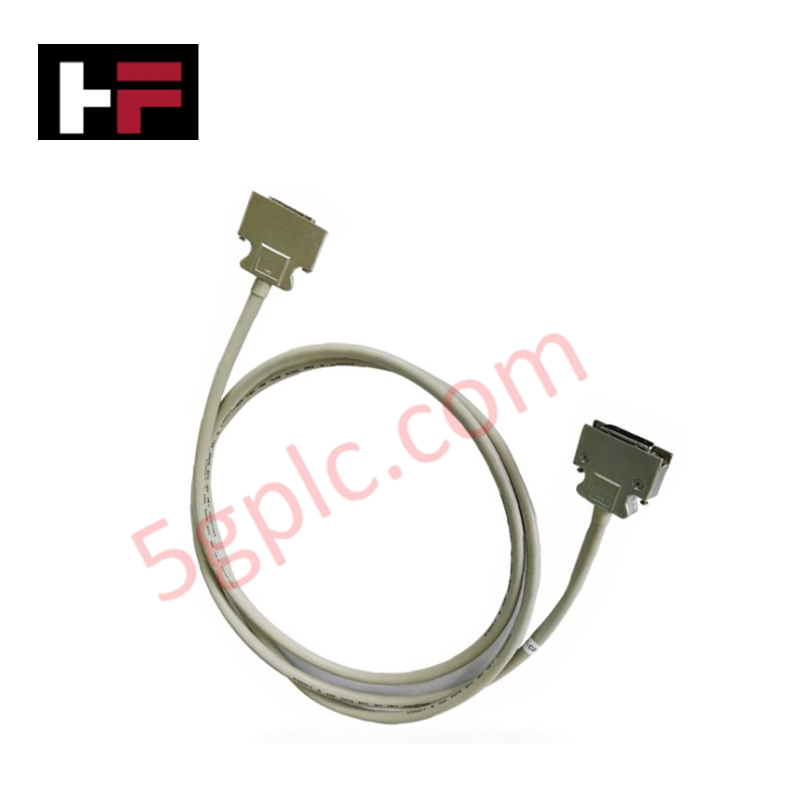
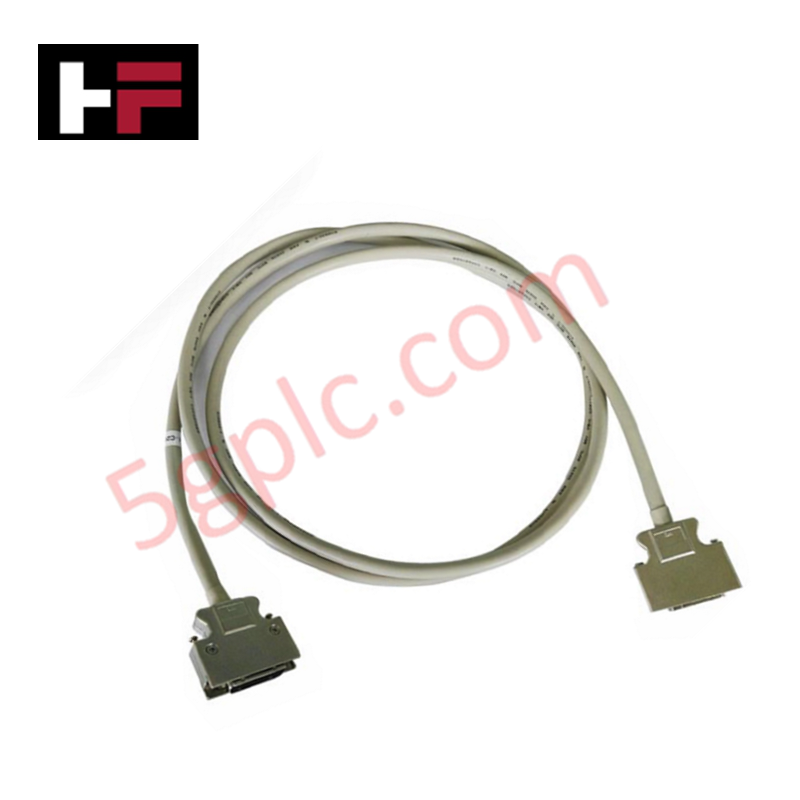
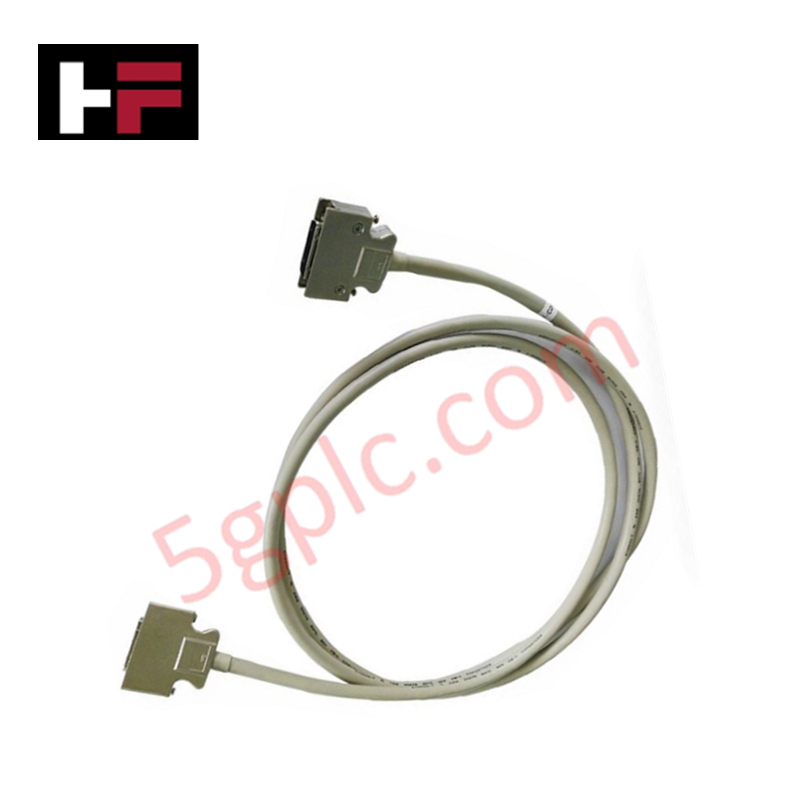
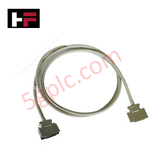
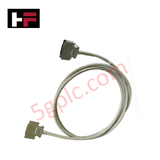
The Yokogawa YCB111-M025 serves as the heavy-duty communication backbone for Yokogawa Distributed Control Systems (DCS). This 25-meter industrial coaxial cable facilitates high-speed data transmission across V net and ER bus layers, linking system cabinets and remote I/O nodes with deterministic precision. We supply this unit as 100% Brand New and Original, ensuring your network maintains zero packet loss in environments characterized by severe electromagnetic interference.
Part Number Breakdown
| Code | Specification | Description |
| YCB111 | Model Series | 10BASE-5 Thick Coaxial Cable for DCS |
| -M025 | Length Suffix | 25 Meters (approx. 82 feet) fixed length |
Technical Specifications
| Feature | Details |
| Protocol Standard | IEEE 802.3 10BASE-5 (Thick Ethernet) |
| Cable Length | 25 Meters |
| Network Support | V net, ER bus, ESB bus, RIO bus |
| Interface Design | Solderless connectors for M4 screw terminals |
| Shielding | High-density EMI/RFI braid |
| Bend Radius | 100 mm minimum (permanent installation) |
| Temperature Range | -20°C to +70°C |
| Jacket Material | Industrial-grade flame-retardant polymer |
Engineering Advantages
-
Superior Backbone Integrity: The YCB111-M025 utilizes 10BASE-5 "Thick Ethernet" technology, which offers significantly lower signal attenuation compared to the thinner YCB141 series. This makes it the superior choice for primary trunk lines between critical DCS nodes.
-
Solderless Termination Logic: The cable features integrated solderless connectors designed for M4 screw terminals. This engineering choice allows field technicians to secure connections rapidly without specialized soldering tools, effectively lowering the Mean Time to Repair (MTTR) during system maintenance.
-
Extreme Noise Immunity: A high-density EMI/RFI braid encases the inner conductor, neutralizing the effects of magnetic fields generated by nearby high-voltage motors or switchgear. This shielding ensures that process data remains synchronized without jitter.
-
Mechanical Resilience: The flame-retardant outer jacket protects the core against chemical exposure and thermal stress. The specified 100 mm bend radius allows for clean routing through industrial cable trays while preventing internal dielectric deformation.
FAQs
-
Can I use the YCB111-M025 to replace a YCB141 cable?
The YCB111-M025 uses a 10BASE-5 standard, whereas the YCB141 typically follows 10BASE-2 (Thin Ethernet). While they serve similar network architectures like V net, they require different connector types (Screw terminal vs. BNC). Verify your hardware interface before switching models.
-
How does this cable improve system reliability in high-vibration areas?
The solderless M4 screw terminal design provides a mechanical lock that resists loosening better than standard snap-on connectors. This ensures continuous contact in refinery or power plant environments where machinery vibration is constant.
-
What is the maximum distance supported by this cable type?
As a 10BASE-5 cable, it supports longer individual segments than thin coaxial alternatives. For runs exceeding 25 meters, you can interconnect multiple YCB111 segments using approved Yokogawa bus repeaters or joiners to maintain signal strength.
-
Is this cable suitable for ProSafe-RS safety networks?
Yes. The YCB111-M025 provides the physical layer required for both Centum VP and ProSafe-RS safety instrumented systems (SIS), ensuring high-availability communication for safety-critical loops.
Additional Information
- 100% Genuine Parts: All products are original and authentic, ensuring reliable industrial performance.
- 30-Day Refund Guarantee: Return any in-stock item within 30 days in original, unopened packaging for a full refund (excluding shipping and fees).
- 12-Month Warranty: Covers defects in materials or workmanship; excludes misuse, normal wear, or unauthorized modifications.
- Worldwide Shipping: We ship via USPS, UPS, FedEx, and DHL. Delivery times vary by country and may be subject to customs or import fees.
- Support & Contact: Technical and warranty assistance is available anytime. Contact us here: Contact.
- Purchase Guidance: Check product specifications and compatibility carefully before ordering to ensure proper application.




Tech & Buying Guide

Demystifying Open Platform Communication (OPC): The Backbone of Industrial Interoperability
Interoperability remains a cornerstone requirement for modern smart factories and process automation. Open Platform Communication (OPC) bridges the gap between disparate hardware platforms, control systems, and visualization software. By establishing a universal communication standard, OPC allows field controllers, SCADA platforms, and enterprise software from different vendors to exchange real-time data seamlessly.

Understanding Siemens PLC Memory Cards: MMC, SMC, and SD Solutions in Industrial Automation
Memory management plays a pivotal role in maintaining control system reliability across modern manufacturing plants. Industrial control systems rely on specialized memory cards to store project logic, firmware updates, and retentive system data. Siemens uses several memory architectures, including Micro Memory Cards (MMC) and SIMATIC Memory Cards (SMC). Engineers must understand these hardware variations to ensure zero data loss and minimize downtime during maintenance routines.

Redefining Control Systems: The Rise of Flexible I/O Modules in Industrial Automation
Conventional input-output architectures often limit engineering agility and inflate long-term inventory costs. Today, Flexible Input/Output Modules (FIOM) are transforming how control system engineers design, commission, and maintain automation infrastructure. By allowing individual channel software configuration, FIOM technology bridges the gap between rigid hardware design and dynamic plant requirements.