












Product Details
Product Overview
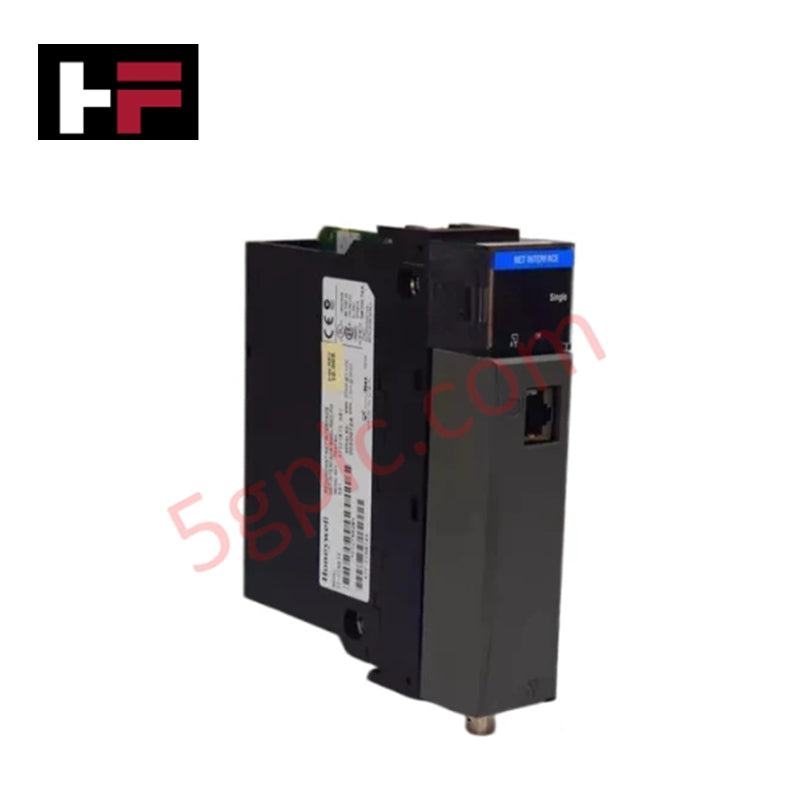
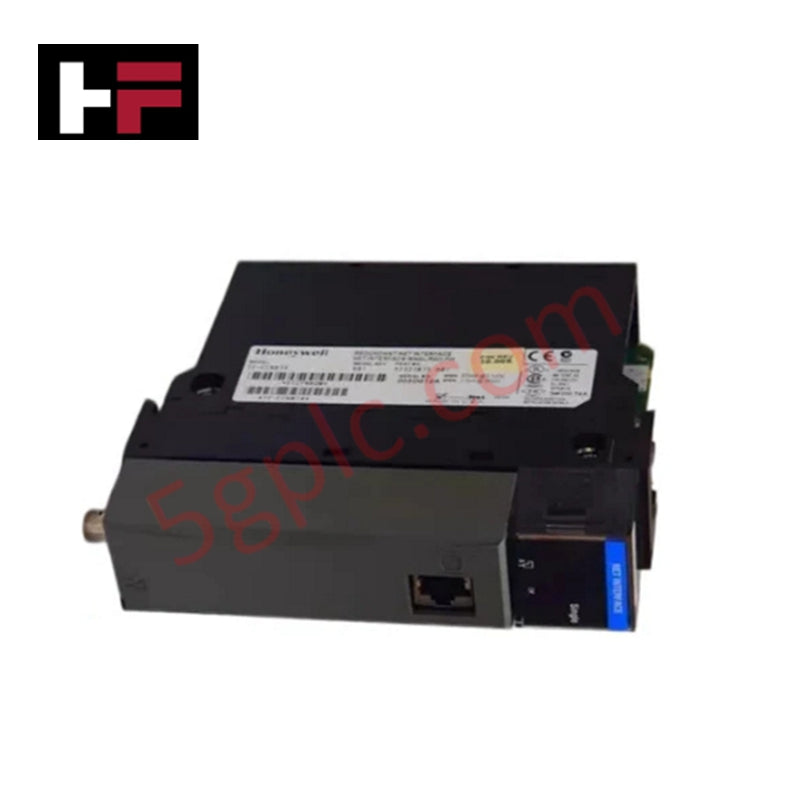
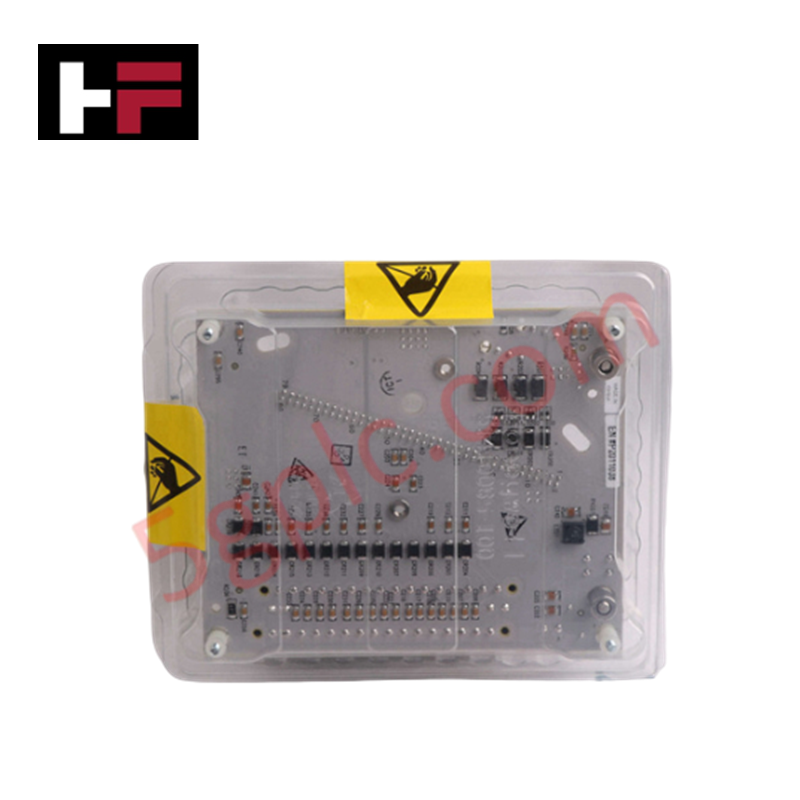
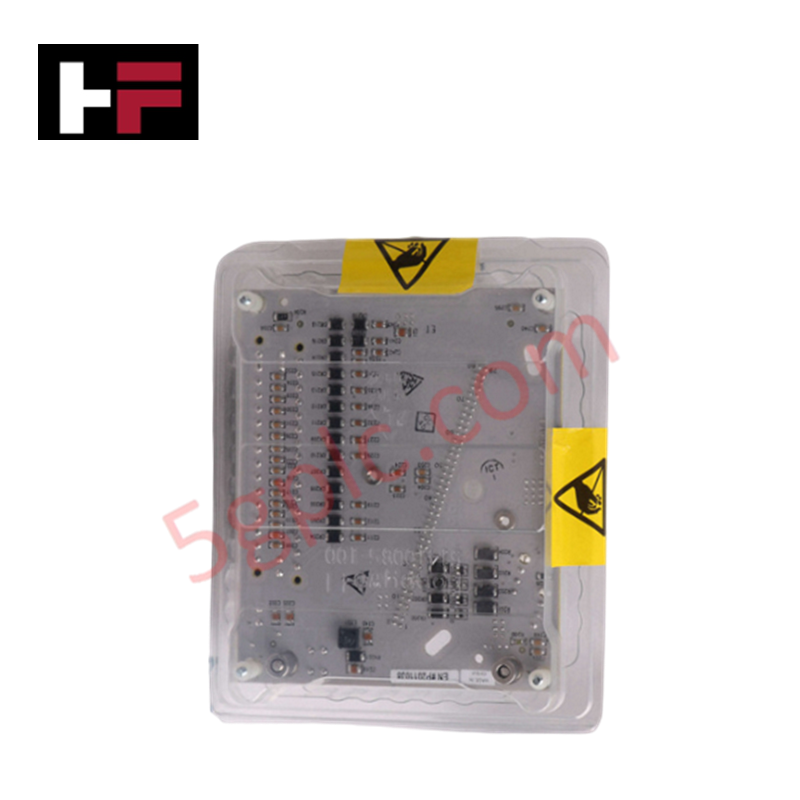
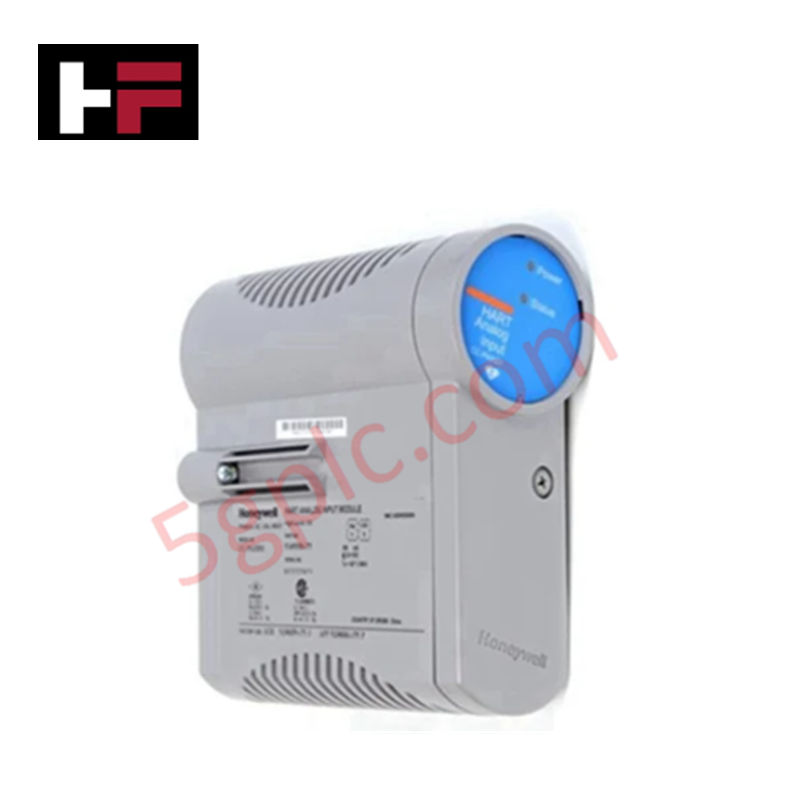
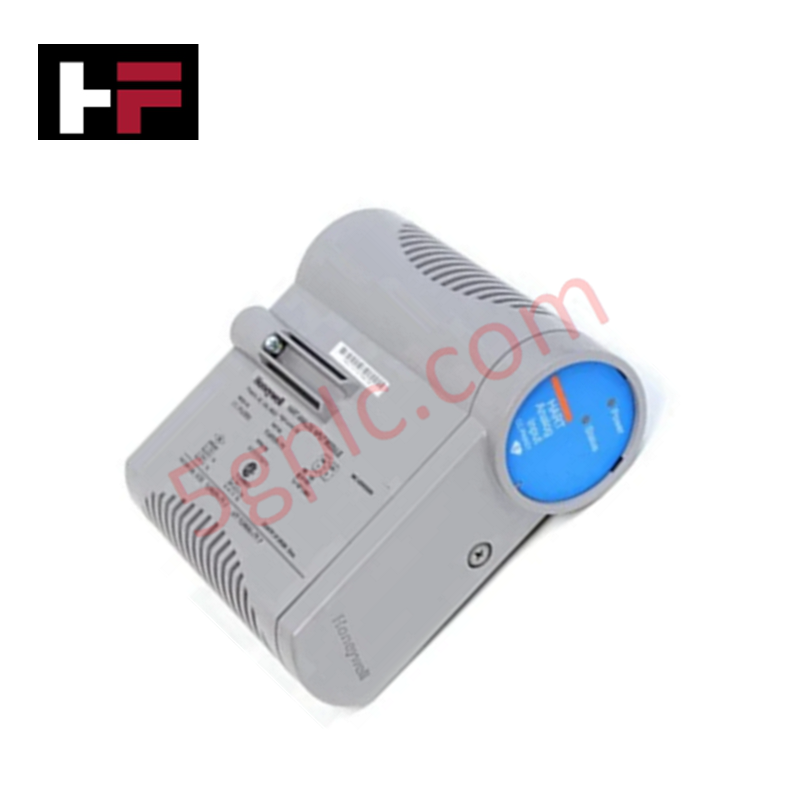
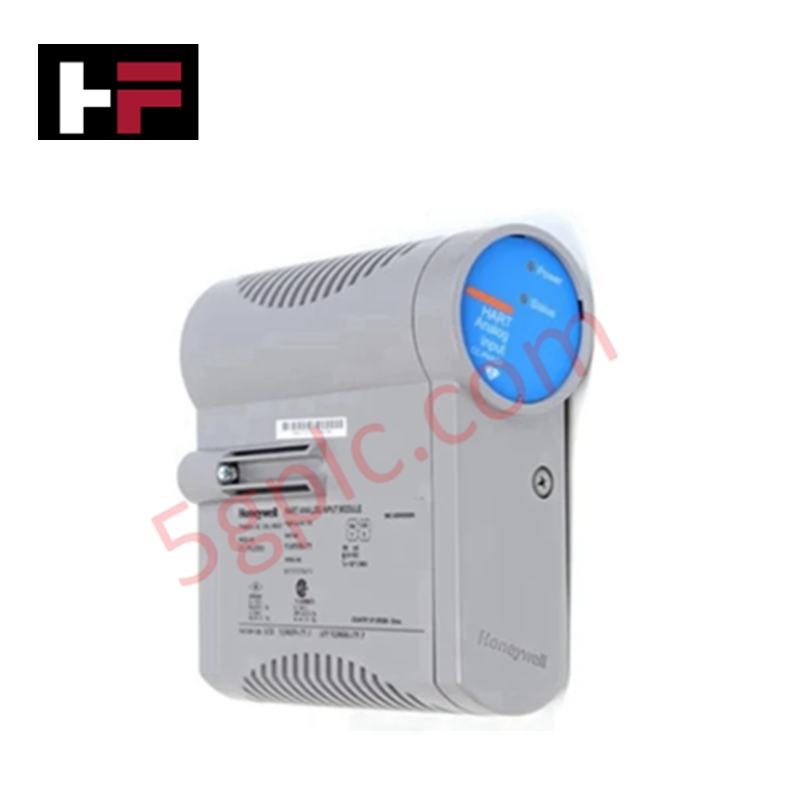
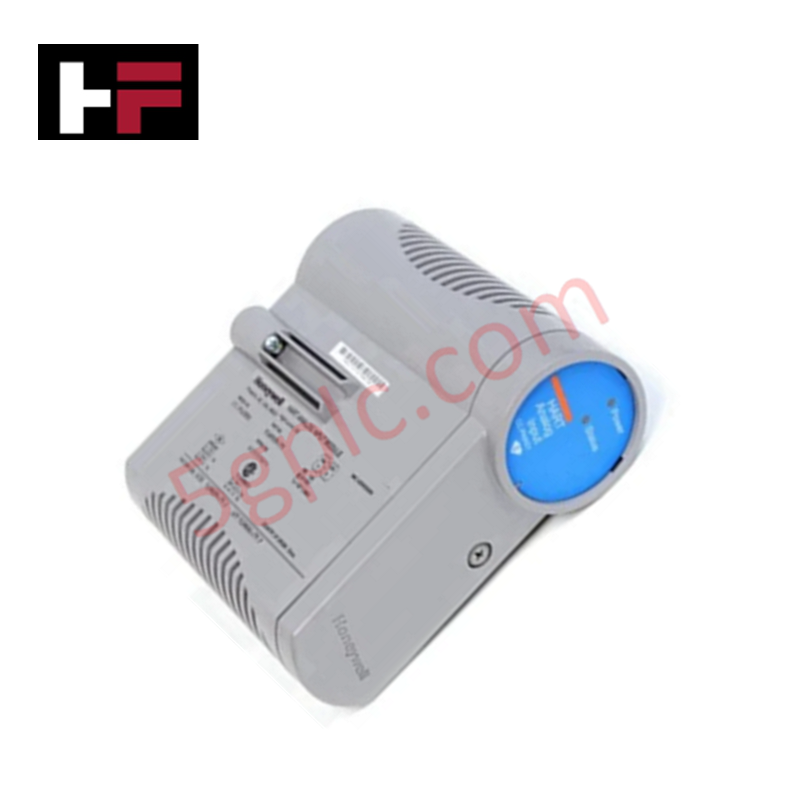
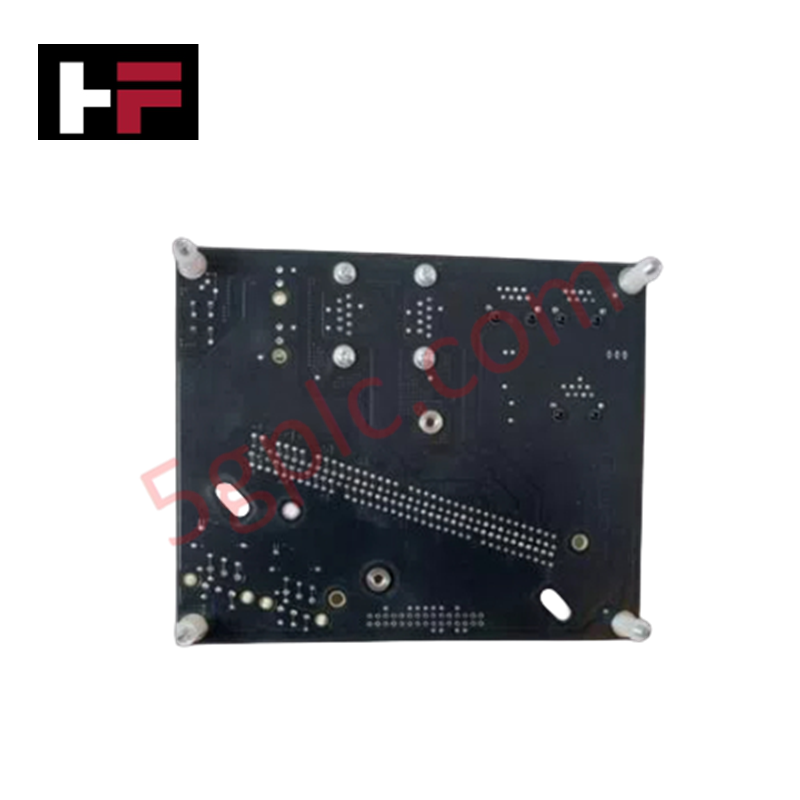
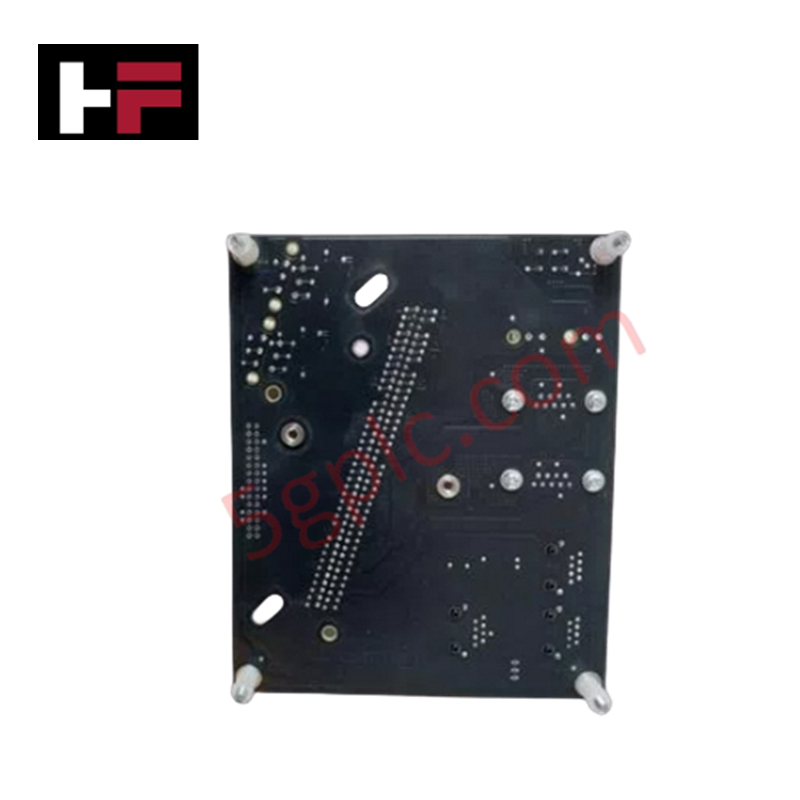
The Yokogawa NFAI143-S50 functions as a high-density analog input interface specifically engineered for the STARDOM autonomous controller network. This module facilitates the precision monitoring of field instruments by converting standard current signals into digital data. We supply this unit as 100% Brand New and Original, ensuring your facility maintains peak measurement integrity without the failure risks of refurbished components.
Part Number Breakdown
| Suffix Code | Functional Specification |
| NFAI143 | Base Model: 16-Channel Isolated Analog Input Module |
| -S | Standard Type for general industrial deployment |
| 5 | High-performance hardware revision for STARDOM controllers |
| 0 | Basic configuration (No specialized conformal coating) |
Technical Specifications
-
Manufacturer: Yokogawa Electric Corporation
-
Input Channels: 16 Channels (Individual Electrical Isolation)
-
Input Signal Range: 4 to 20 mA / 0 to 20 mA DC
-
System Compatibility: Yokogawa STARDOM FCN/FCJ
-
Weight: 0.3 kg
-
Dimensions: 482 (W) x 210 (H) x 220 (D) mm
-
Accuracy: High-precision A/D conversion for sensitive process variables
Engineering Advantages
-
Total Signal Isolation: Unlike non-isolated modules, the NFAI143-S50 isolates every input channel. This prevents ground loops and ensures that a surge on one sensor does not propagate to other channels.
-
High-Density Integration: Packing 16 isolated channels into a 0.3 kg module maximizes rack density, reducing the total number of sub-nodes required for large-scale deployments.
-
EMI/RFI Resistance: The module hardware employs advanced shielding to filter out electromagnetic interference common in high-voltage industrial environments.
FAQs
Q: Can the NFAI143-S50 handle 0-20 mA signals?
A: Yes. The module supports both 4-20 mA and 0-20 mA signal types, configured via the STARDOM controller software settings.
Q: Does this module require a separate external power supply for the loops?
A: Depending on your wiring configuration (2-wire vs. 4-wire transmitters), you may need to provide loop power via the baseplate or an external 24V DC supply.
Q: Is the unit shipped in factory-sealed packaging?
A: We guarantee every NFAI143-S50 arrives in its original Yokogawa factory box with the manufacturer’s certificate of origin and security seal.
Additional Information
- 100% Genuine Parts: All products are original and authentic, ensuring reliable industrial performance.
- 30-Day Refund Guarantee: Return any in-stock item within 30 days in original, unopened packaging for a full refund (excluding shipping and fees).
- 12-Month Warranty: Covers defects in materials or workmanship; excludes misuse, normal wear, or unauthorized modifications.
- Worldwide Shipping: We ship via USPS, UPS, FedEx, and DHL. Delivery times vary by country and may be subject to customs or import fees.
- Support & Contact: Technical and warranty assistance is available anytime. Contact us here: Contact.
- Purchase Guidance: Check product specifications and compatibility carefully before ordering to ensure proper application.


Tech & Buying Guide

Comprehensive Guide to Noise Types in Industrial Automation and Electronics

Mitigating Emergency Stop Spurious Trips in Industrial Control Systems
Emergency stop (E-Stop) pushbuttons serve as vital safety devices in factory automation and process control plants. Functional safety standards mandate normally-closed (NC) contact blocks to ensure fail-safe operation during wiring breaks or power outages. However, mechanical degradation over time can trigger unexpected spurious trips, halting production lines without an actual emergency. Understanding the underlying causes of mechanical contact failure allows automation engineers to implement robust, fault-tolerant safety circuits.
Redundant Automation Systems: Maximizing Uptime in Critical Control Applications
Industrial automation relies on continuous operational stability to prevent catastrophic downtime and financial loss. While standard dictionary definitions treat redundancy as superfluous, industrial engineers consider redundant control architectures indispensable for high-availability systems. Implementing backup hardware ensures seamless takeover during primary equipment failures, protecting critical infrastructure across manufacturing and process industries.