












Product Details
Overview
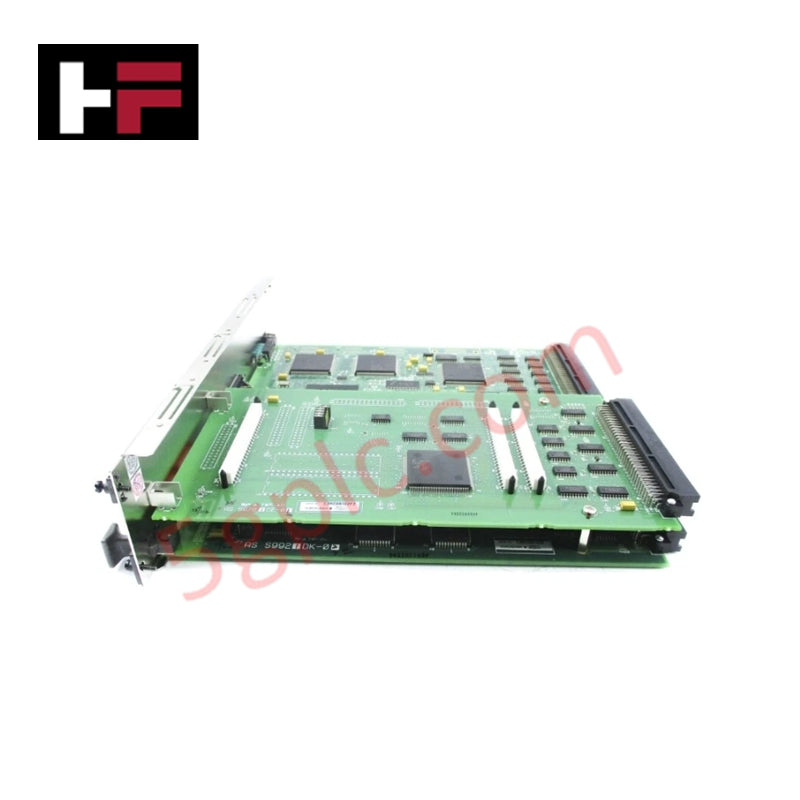
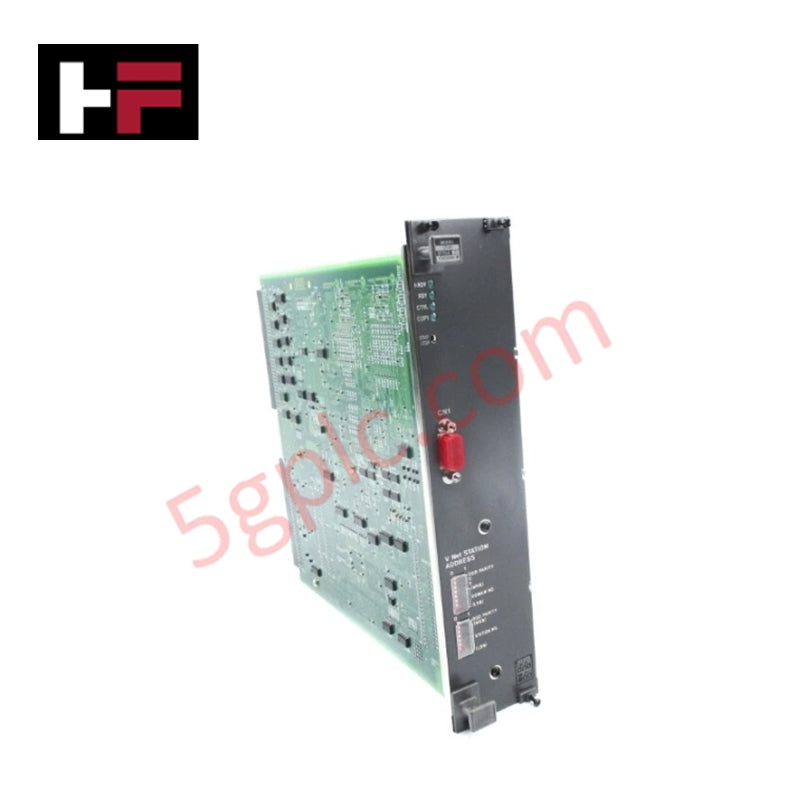
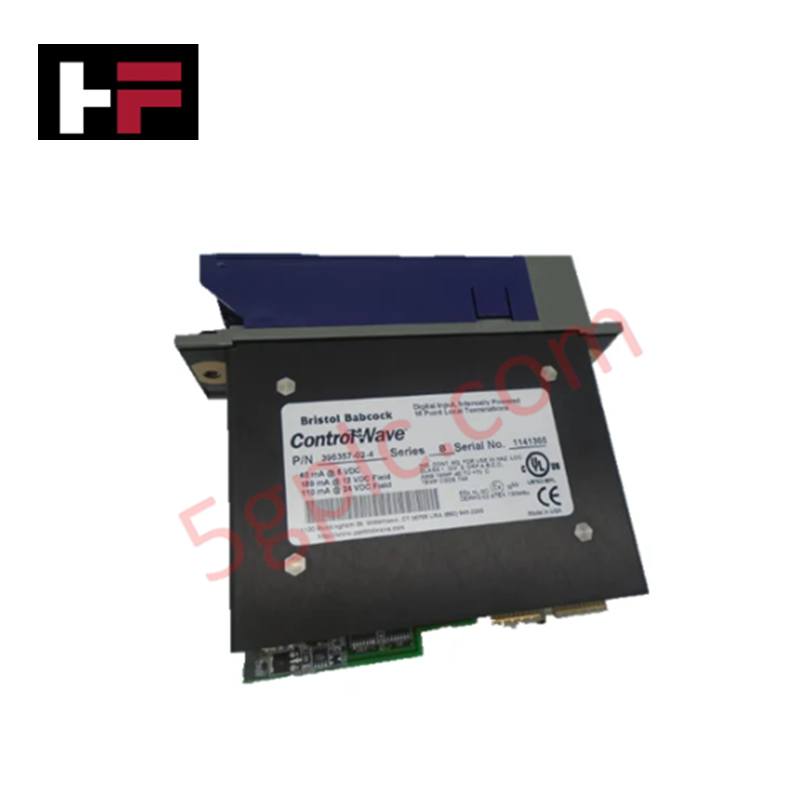
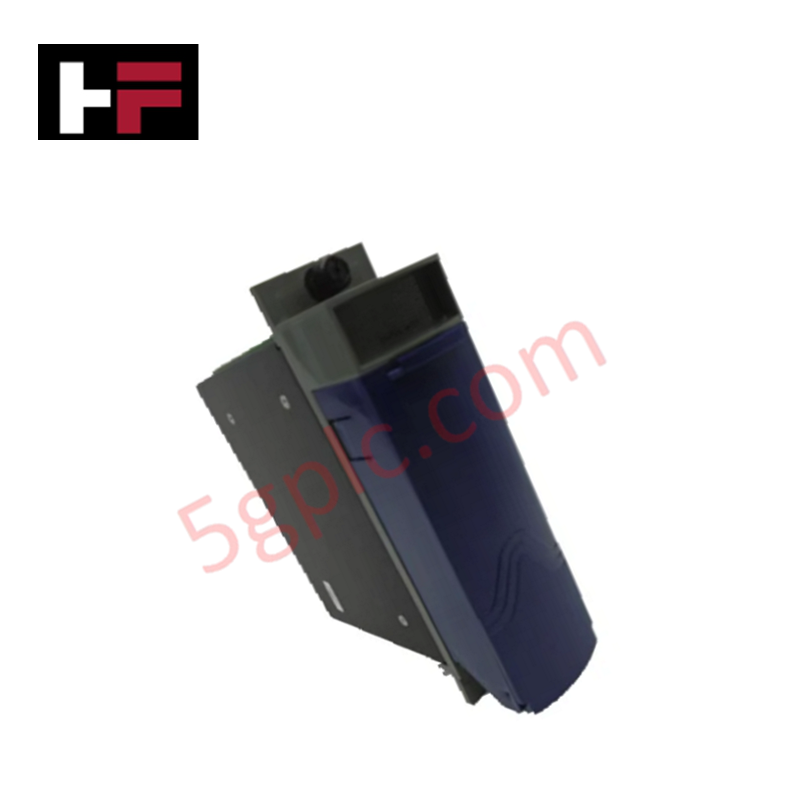
The CP345 S1 Processor Card by Yokogawa is engineered for use in CENTUM CS and CENTUM VP systems, providing reliable performance and scalability for small to large industrial operations. Leveraging the proven CP345 processor architecture, it ensures consistent control, high stability, and seamless integration with existing system software.
Key Features
-
Scalable Performance: Supports both compact and extensive plant configurations with consistent software functionality
-
Proven Processor Technology: Based on the same microprocessor as the CP345 in CENTUM CS3000 systems
-
Seamless System Integration: Compatible with current system software, allowing easy expansions or upgrades
-
Reliable Operation: Designed for continuous, long-term industrial use
Technical Specifications
-
Model Number: CP345 S1
-
Part Number: CP345-S1
-
Category: PLCs / Machine Control
-
Subcategory: PLC Module / Rack
-
Supported Systems: CENTUM CS, CENTUM VP
-
Dimensions (H × W × D): 2.3 × 10.3 × 9.8 in (5.7 × 26 × 24.8 cm)
-
Weight: 1 lb 6.4 oz (0.6 kg)
Applications
-
Process control in CENTUM CS and VP distributed control systems
-
Expansion or upgrade of existing automation modules
-
Small to large-scale plant operations requiring scalable processing solutions
FAQ
Q: Is the CP345 S1 compatible with older CENTUM systems?
A: Yes, it supports both CENTUM CS and CENTUM VP platforms for integration flexibility.
Q: Can it handle large-scale plant applications?
A: The module is designed for scalability, supporting both small and extensive industrial systems.
Q: What makes it reliable for continuous operation?
A: Built with proven CP345 processor technology, it ensures consistent performance under long-term industrial conditions.
Similar Model Comparison
-
CP345 S2: Higher memory and enhanced I/O support for larger automation systems
-
CP345 S1-F: Optimized for field applications with compact form factor
Additional Information
- 100% Genuine Parts: All products are original and authentic, ensuring reliable industrial performance.
- 30-Day Refund Guarantee: Return any in-stock item within 30 days in original, unopened packaging for a full refund (excluding shipping and fees).
- 12-Month Warranty: Covers defects in materials or workmanship; excludes misuse, normal wear, or unauthorized modifications.
- Worldwide Shipping: We ship via USPS, UPS, FedEx, and DHL. Delivery times vary by country and may be subject to customs or import fees.
- Support & Contact: Technical and warranty assistance is available anytime. Contact us here: Contact.
- Purchase Guidance: Check product specifications and compatibility carefully before ordering to ensure proper application.


Tech & Buying Guide
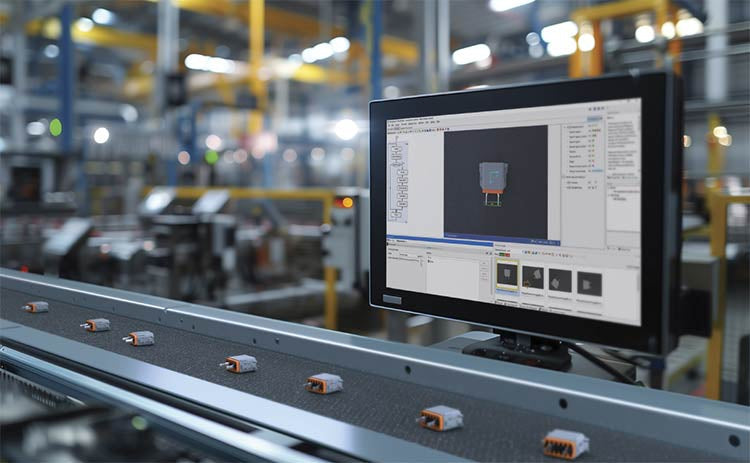
Modern Industrial Automation: Transforming Safety and Efficiency in Mining Operations
Industrial automation has evolved from a simple manufacturing tool into the operational backbone of high-risk sectors. Modern mining operations increasingly rely on advanced control systems, programmable logic controllers (PLCs), distributed control systems (DCS), and artificial intelligence to address deep-underground hazards. By replacing manual labor in high-risk zones, factory automation technologies protect personnel while significantly boosting operational throughput.
Step-by-Step System Cabinet Health Check Guide for PLC and DCS Infrastructure
