










Product Details
Product Overview
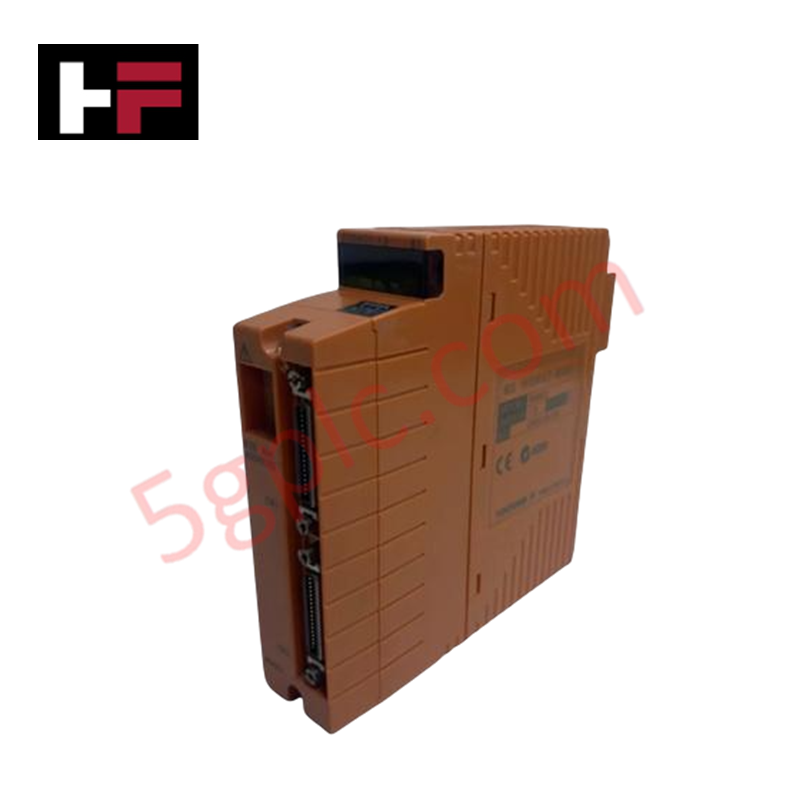
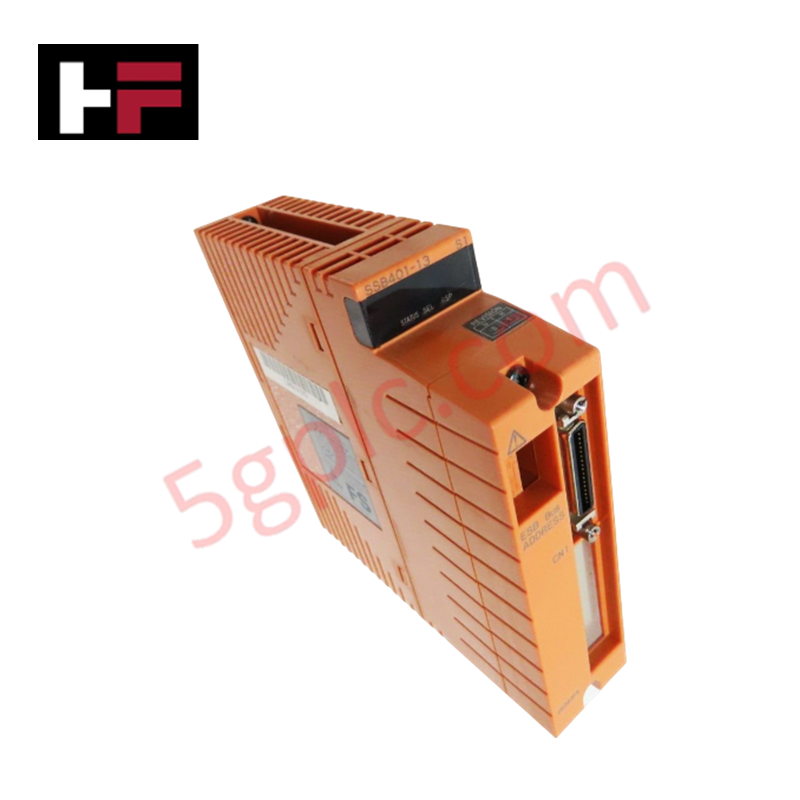
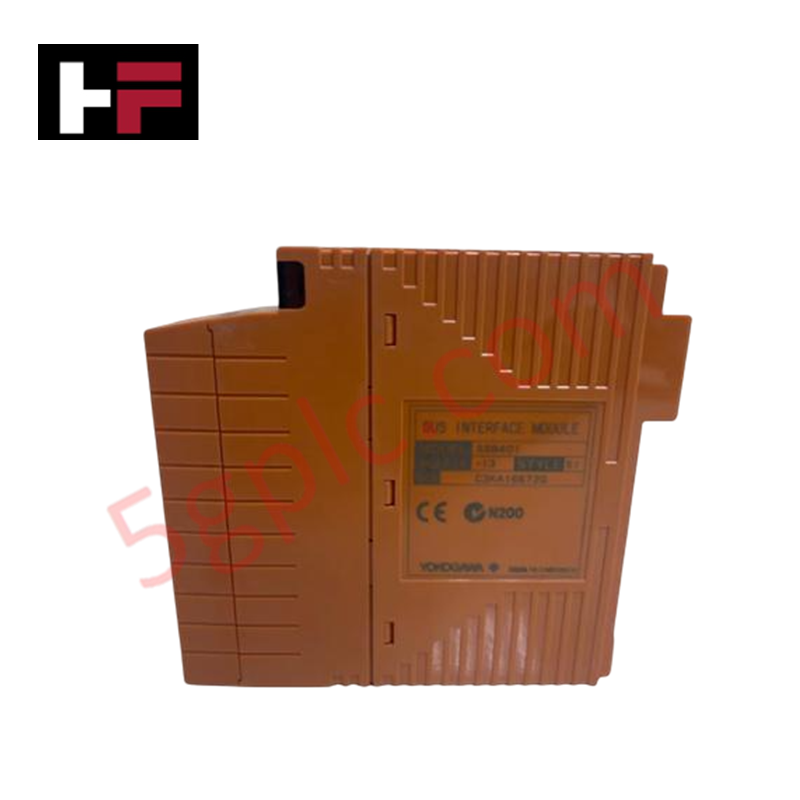
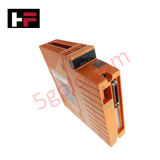
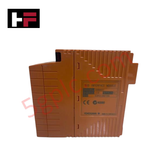
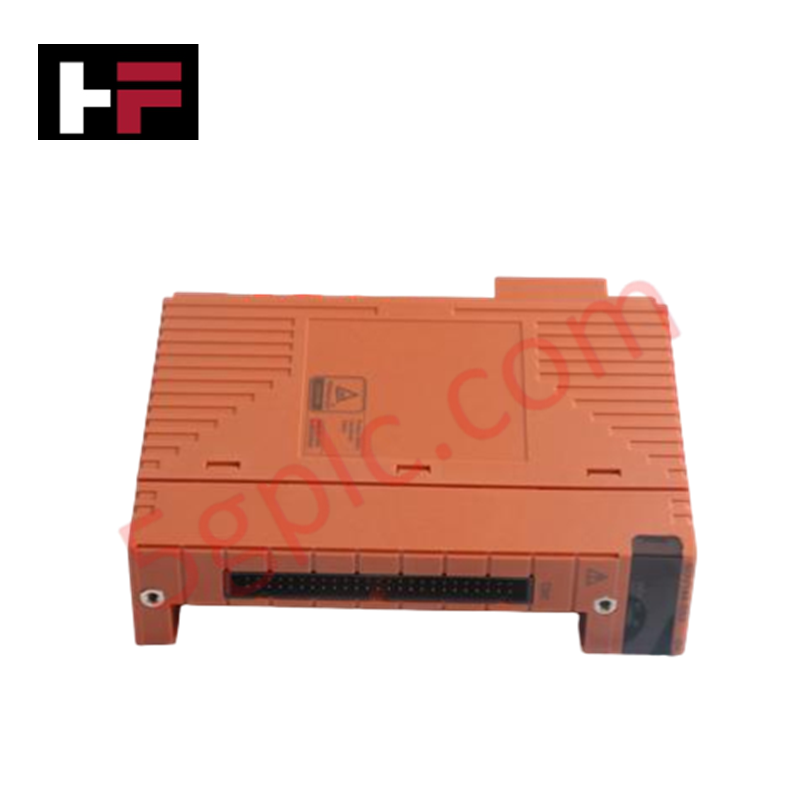
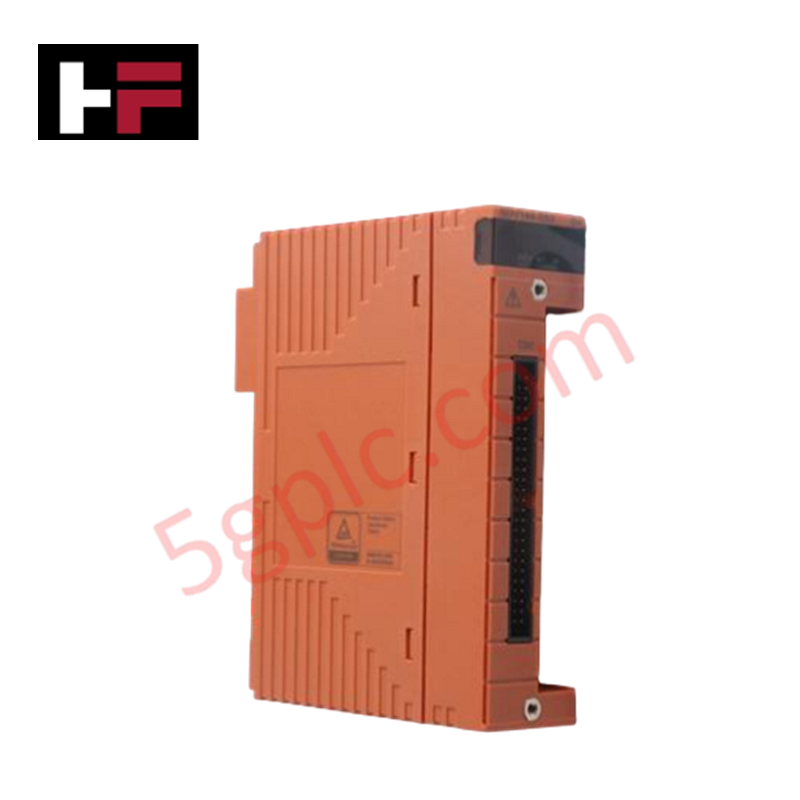
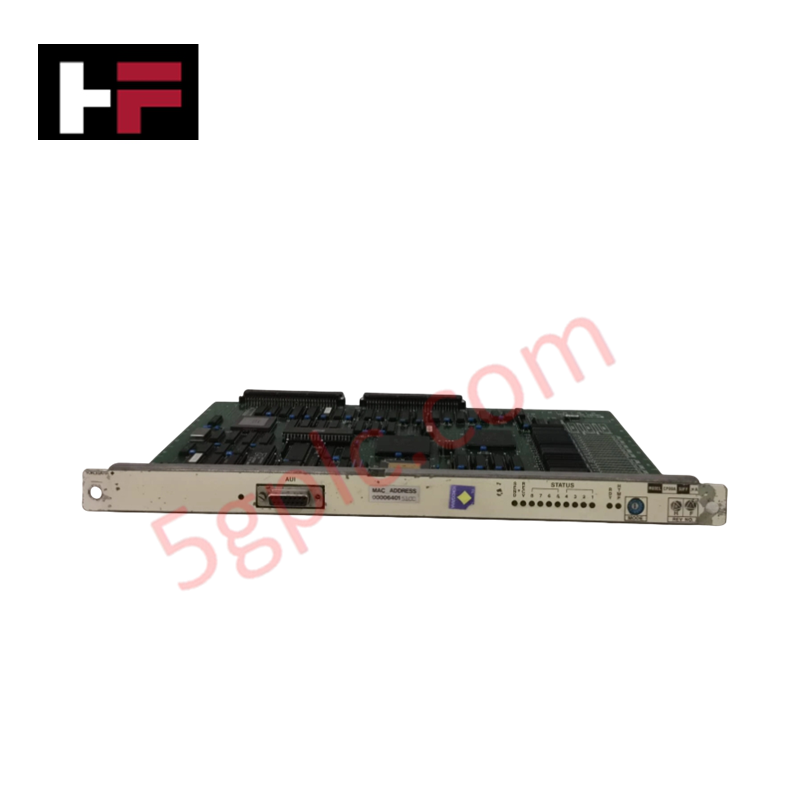
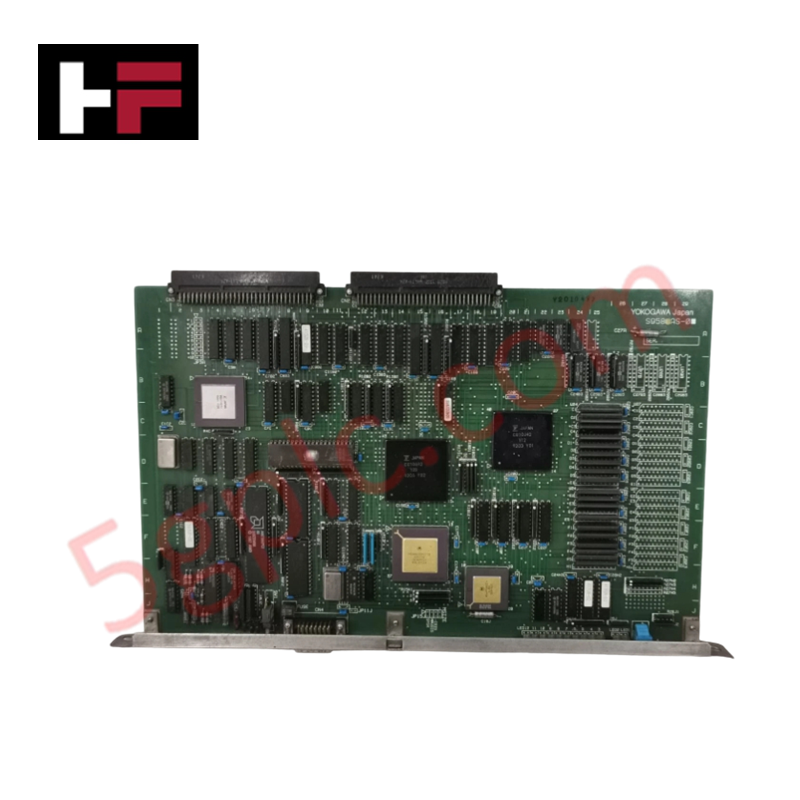
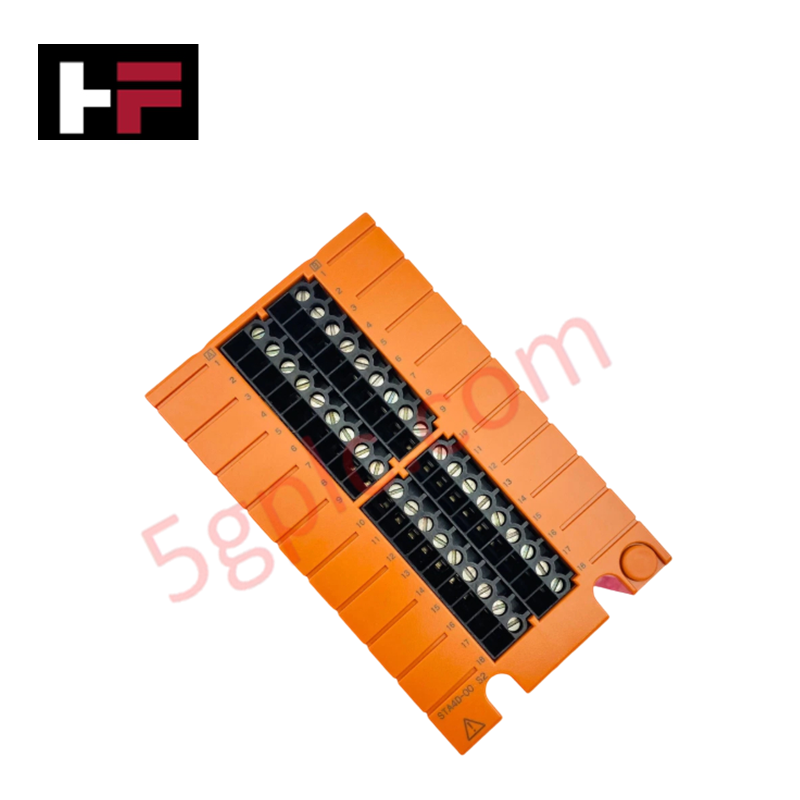
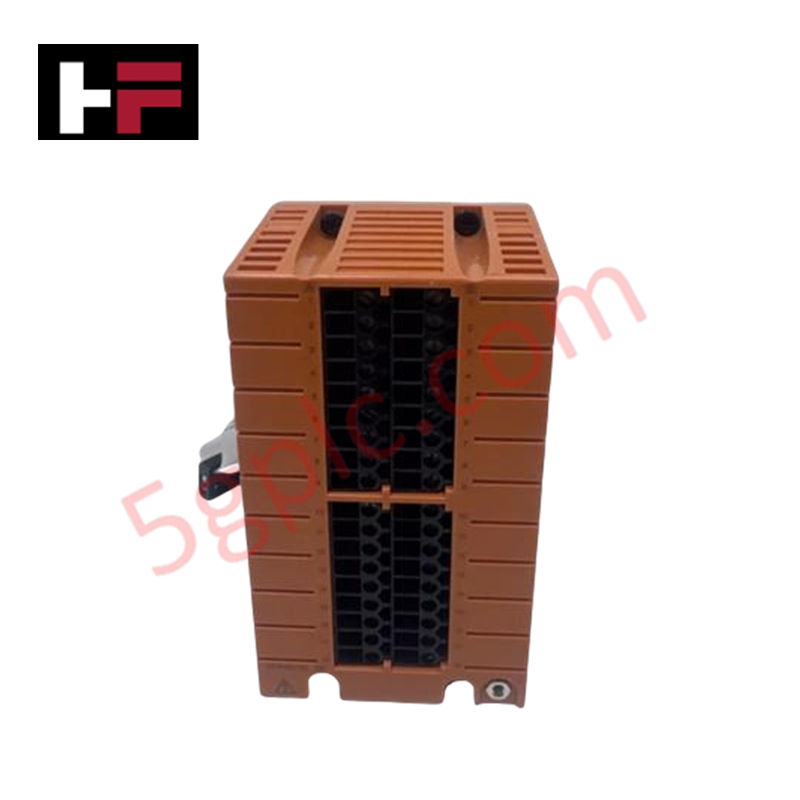
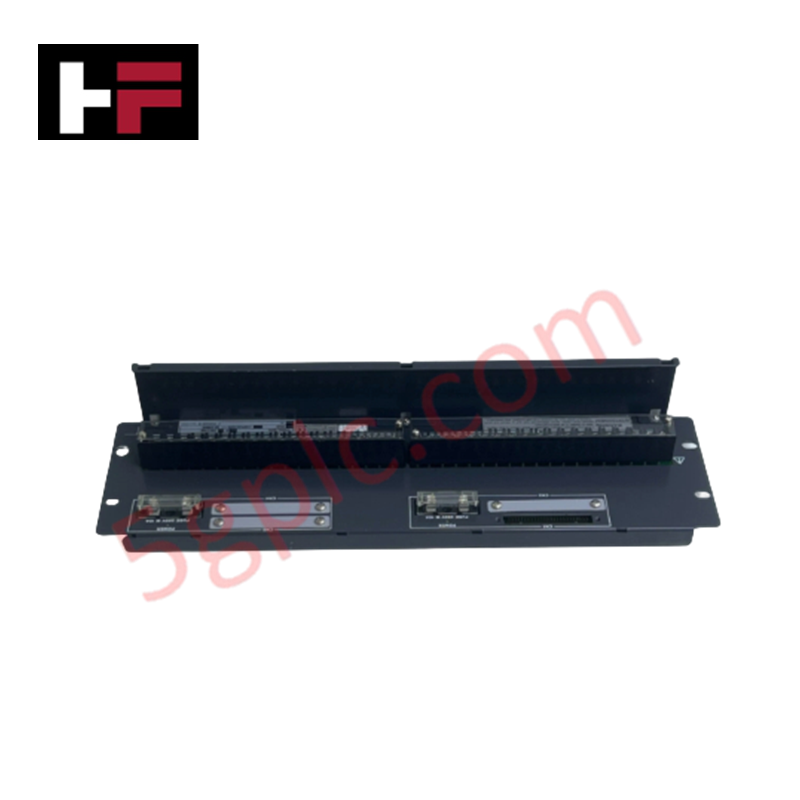
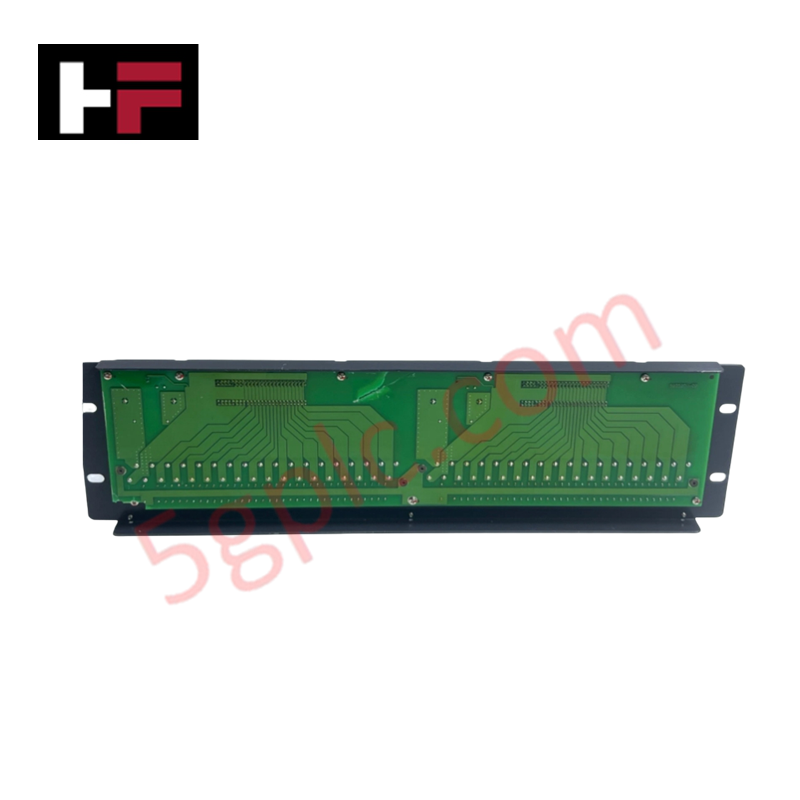
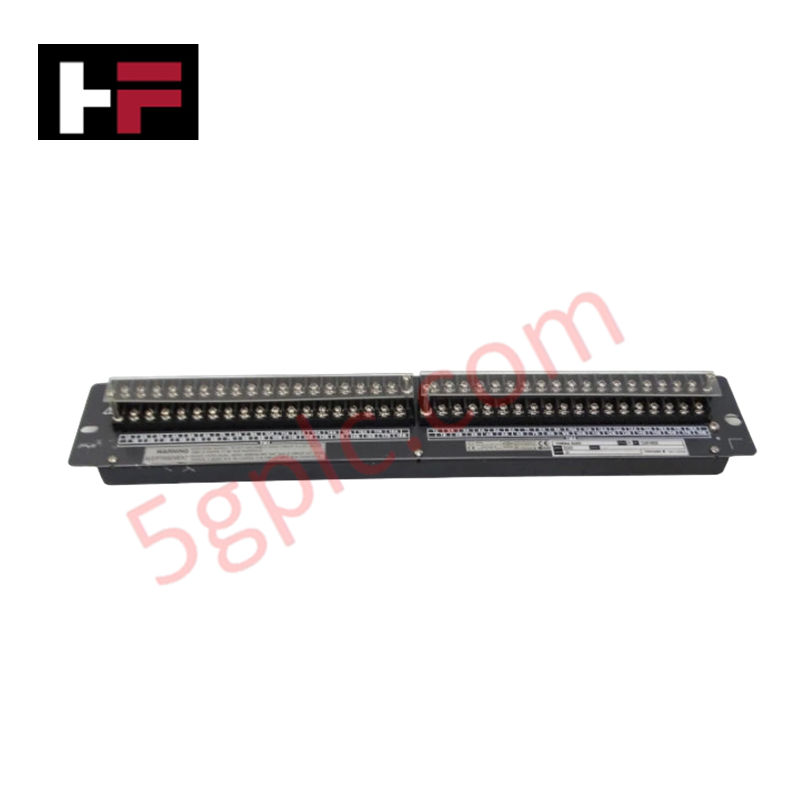
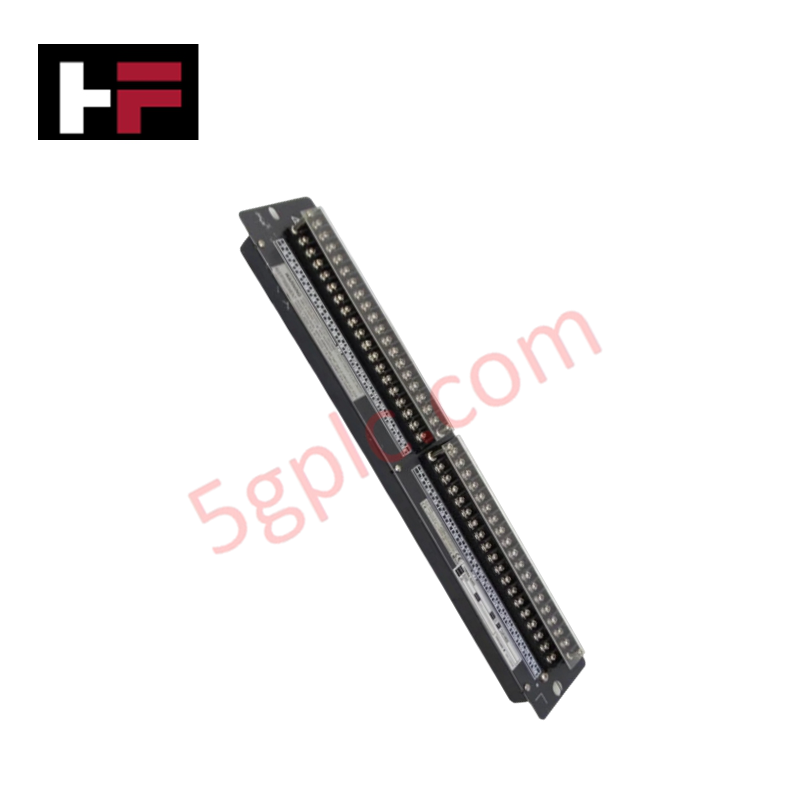
The Yokogawa SSB401-53 serves as a high-speed ESB Bus Interface Slave Module within the CENTUM VP and CENTUM CS 3000 Distributed Control System (DCS) architectures. This module resides in remote I/O nodes, providing a deterministic 128 Mbps communication bridge to the Field Control Station (FCS). It facilitates the rapid exchange of process data, ensuring that the central controller receives real-time field inputs and executes output commands with millisecond precision.
Part Number Breakdown
Yokogawa utilizes specific suffix codes to denote the hardware style and functional revision:
| Code | Type | Description |
| SSB401 | Model | ESB Bus Interface Slave Module |
| -5 | Style | Style 5 hardware revision |
| 3 | Version | Version 3 enhanced stability circuit |
Technical Specifications
The SSB401-53 maintains high-performance communication standards for critical process control:
-
Manufacturer: Yokogawa
-
Module Type: Slave Interface for ESB Bus
-
Transmission Speed: 128 Mbps
-
System Compatibility: CENTUM VP, CENTUM CS 3000
-
Max. Node Capacity: Supports up to 9 units depending on FCS configuration
-
Transmission Distance: Standard copper $\le$ 10 m (Extends via optical repeaters)
-
Dimensions: 130 × 142.5 × 32.8 mm
-
Weight: 0.45 kg
-
Condition: 100% Brand New and Original
Engineering Advantages
-
Deterministic Signal Transport: The SSB401-53 utilizes a fixed 128 Mbps bandwidth. Unlike standard Ethernet, this dedicated bus eliminates data collisions, ensuring that critical safety and process variables arrive at the FCS within fixed scan intervals.
-
Enhanced System Scalability: This module allows for the distributed placement of I/O nodes across the plant. Engineers use the SSB401-53 to extend the system reach up to 9 units per controller, enabling centralized control of geographically dispersed equipment.
-
High-Integrity Data Protection: On-board error-checking algorithms monitor every data packet crossing the ESB bus. The module identifies and flags communication anomalies immediately, preventing corrupted data from influencing process control decisions.
-
Streamlined Rack Integration: The slim 32.8 mm width allows for high-density mounting in standard I/O nests. This compact design optimizes cabinet space, allowing for more I/O points in a smaller footprint without compromising thermal dissipation.
FAQs
-
Is the Yokogawa SSB401-53 supplied as a new or refurbished part?
We supply this module exclusively as 100% Brand New and Original equipment. It ships in the original Yokogawa factory box, ensuring you receive a unit with zero previous operational wear and maximum service life.
-
What is the difference between SSB401-53 and SSB401-S53?
The "S" in S53 often denotes a specific "Standard" or "Style" designation depending on the regional cataloging, but functionally, the SSB401-53 represents the Style 5 revision of the slave interface. Both serve the same primary role in CENTUM VP/CS systems.
-
Does this module support redundant bus configurations?
Yes. The SSB401-53 typically works in pairs within a redundant ESB bus architecture. If one bus cable or master interface fails, the system switches to the secondary SSB401-53 path instantly to maintain continuous process operation.
-
How do I configure the node address for the SSB401-53?
Technicians set the node address using the physical dip switches located on the side or back of the module. Ensure the node address matches the configuration defined in the CENTUM Engineering Station before powering up the I/O nest.
Additional Information
- 100% Genuine Parts: All products are original and authentic, ensuring reliable industrial performance.
- 30-Day Refund Guarantee: Return any in-stock item within 30 days in original, unopened packaging for a full refund (excluding shipping and fees).
- 12-Month Warranty: Covers defects in materials or workmanship; excludes misuse, normal wear, or unauthorized modifications.
- Worldwide Shipping: We ship via USPS, UPS, FedEx, and DHL. Delivery times vary by country and may be subject to customs or import fees.
- Support & Contact: Technical and warranty assistance is available anytime. Contact us here: Contact.
- Purchase Guidance: Check product specifications and compatibility carefully before ordering to ensure proper application.
Tech & Buying Guide

Optimizing Power Supply Sizing for Industrial Automation Systems
The power supply is the silent heartbeat of any industrial automation system. While engineers often prioritize processors and communication protocols, a stable power architecture remains the most critical factor for long-term reliability. In my 15 years of experience, I have found that neglecting power supply sizing often leads to ghost errors, intermittent field device failures, and costly production downtime.
PLC vs. PAC: Navigating Selection in Modern Industrial Automation
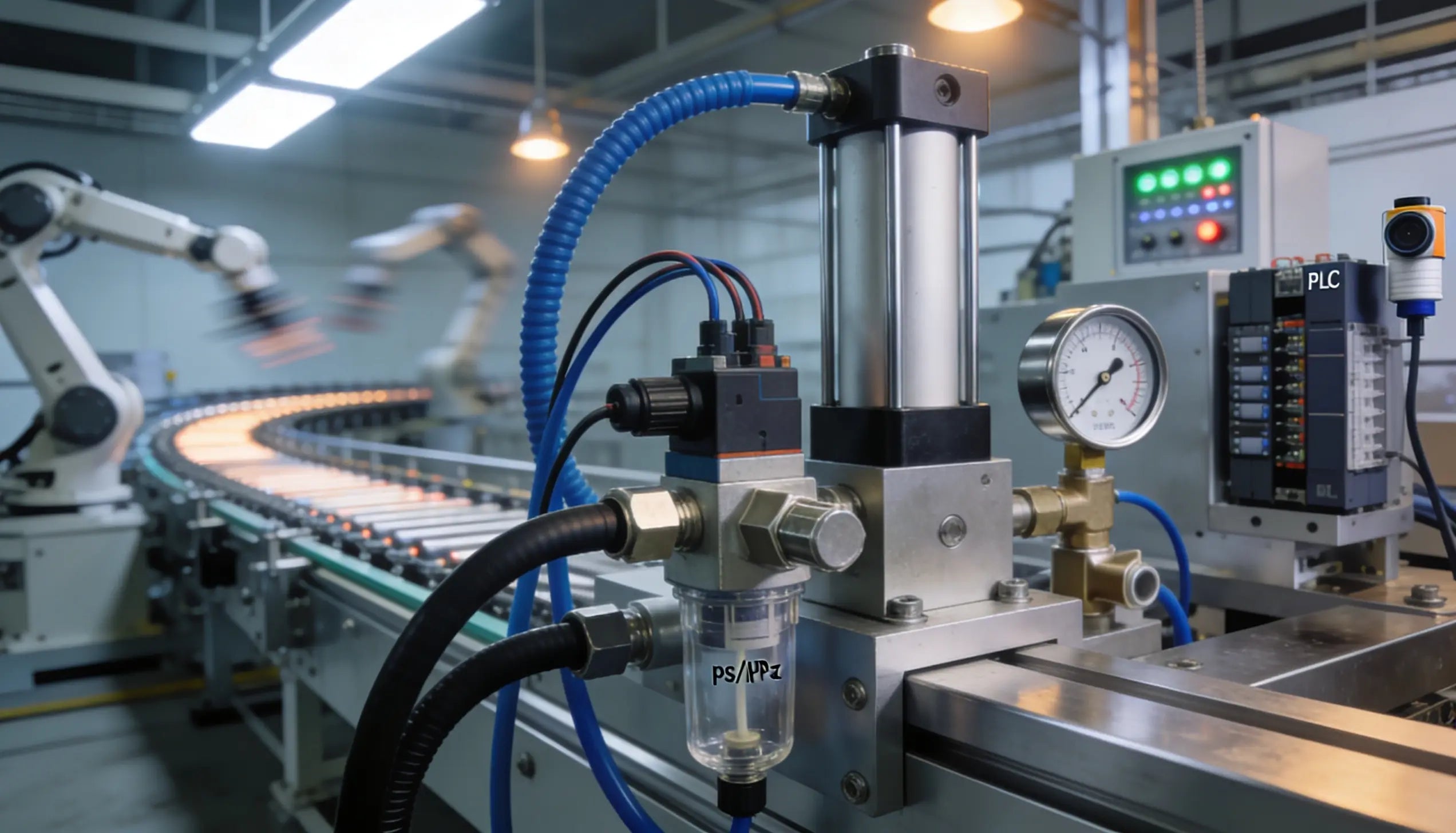
Selecting the right controller is a fundamental decision in industrial automation. While the lines between Programmable Logic Controllers (PLC) and Programmable Automation Controllers (PAC) often blur, understanding their core architectural differences is essential for system reliability. Both controllers serve as the brain of control systems, yet their specific capabilities dictate their suitability for various factory automation tasks.

Transforming Textile Manufacturing: The Strategic Integration of Industrial Automation and AI
The textile industry stands at a critical technological crossroads. Legacy operations must now embrace digital transformation to remain competitive in a global market. By integrating advanced industrial automation—ranging from PLC-controlled machinery to sophisticated AI-driven analytics—manufacturers can significantly boost productivity, minimize material waste, and elevate overall product quality.