










Product Details
Product Overview
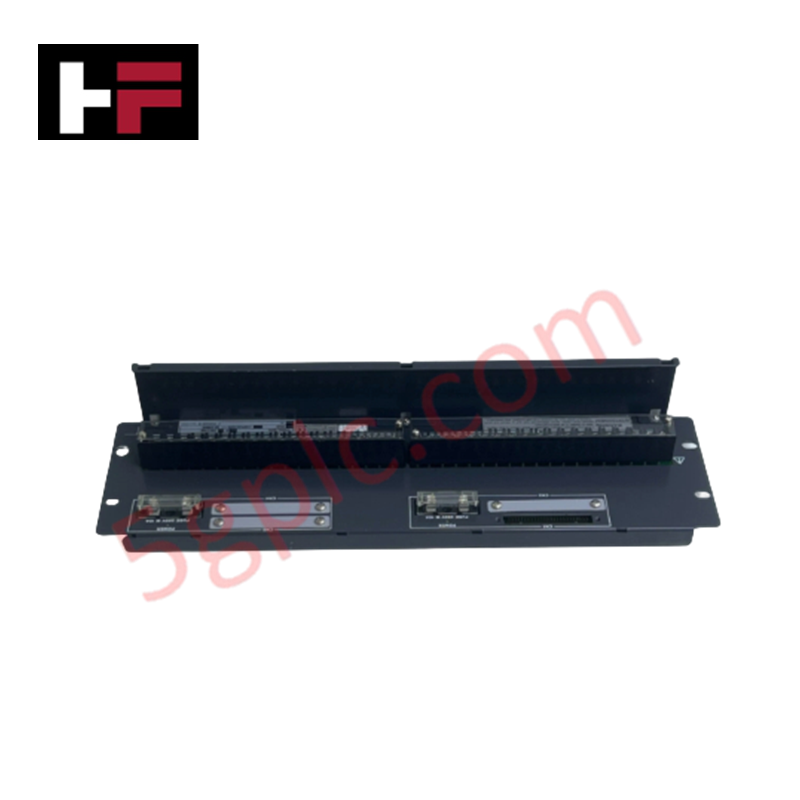
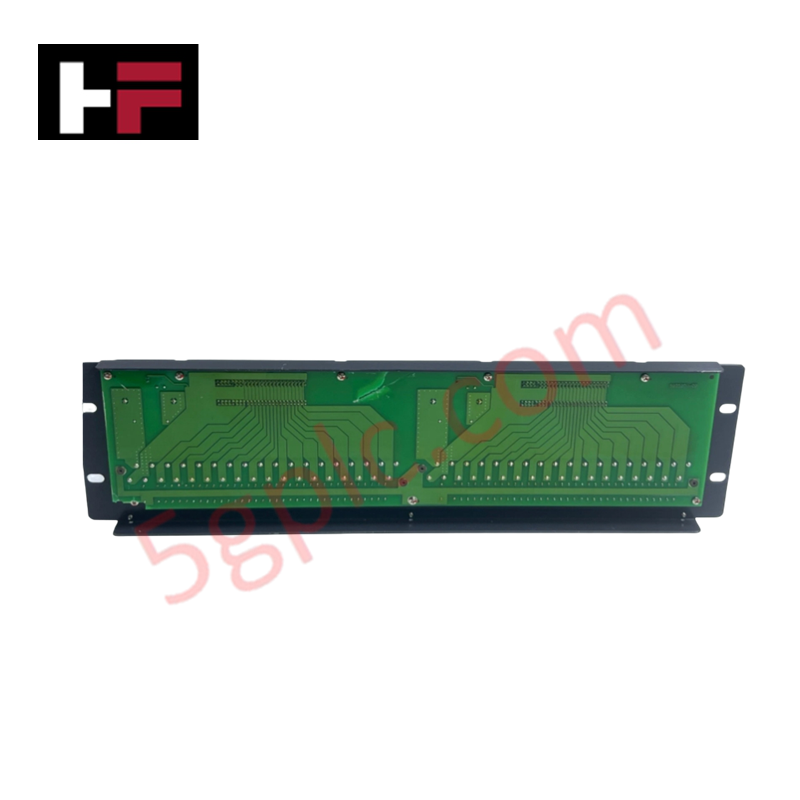
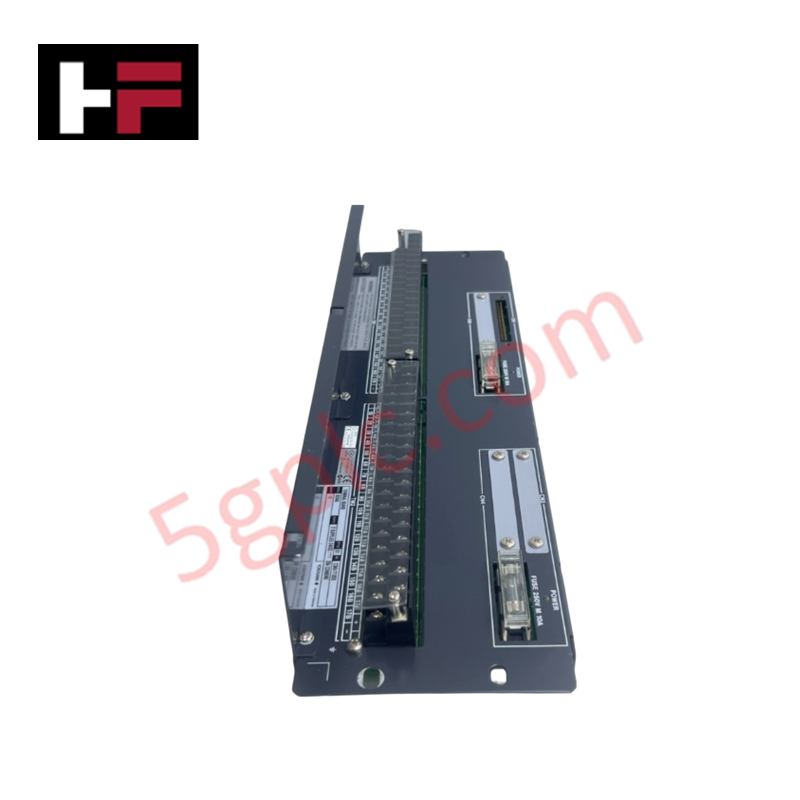
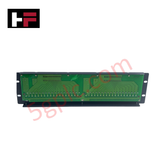
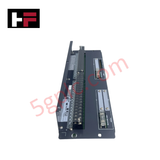
The Yokogawa SEA4D-11 serves as a high-integrity interface terminal board specifically engineered for the ProSafe-RS Safety Instrumented System (SIS). It establishes a secure, redundant path between field transmitters and safety control logic, facilitating the transmission of 32 analog signal points. Designed to work in tandem with SAI143 modules, this board maintains the stringent diagnostic and reliability requirements of SIL3 safety loops. We supply this unit as 100% Brand New and Original, ensuring your safety system operates with factory-certified hardware to protect personnel and critical assets.
Part Number Breakdown
The SEA4D-11 designation reflects its specialized role within the Yokogawa safety hardware ecosystem:
| Code | Technical Definition |
| SEA4D | Analog Terminal Board for ProSafe-RS Safety Systems |
| -1 | Version with dual-cable interface support |
| 1 | Specific revision for SAI143 module compatibility |
Technical Specifications
The SEA4D-11 utilizes heavy-duty mechanical terminations and high-dielectric materials to ensure signal purity in critical monitoring layers.
-
Input Channels: 32 points (16 × 2 high-density configuration).
-
Termination Interface: M4 Screw Terminals.
-
Compatible I/O Module: SAI143 (connects via KS1 interface).
-
Insulation Resistance: ≥100 MΩ at 500 V DC.
-
Dielectric Strength: 500 V AC (sustained for 1 minute).
-
Net Weight: 1.5 kg.
-
Accessories: Includes dedicated system connection cable.
-
Condition: Guaranteed 100% Brand New and Original.
Engineering Advantages
The SEA4D-11 provides technical solutions for safety-critical wiring and signal integrity:
-
SIL3 Safety Integrity: This board facilitates the dual-redundant signaling required for SIL3 certification. By maintaining strict electrical separation and signal clarity, it prevents dangerous undetected failures within the Emergency Shutdown (ESD) or Fire and Gas (F&G) layers.
-
Vibration-Resistant M4 Terminals: The integrated M4 screw terminals provide superior torque retention compared to standard tension clamps. This mechanical fastening ensures that analog signals remain stable even in environments subject to constant machinery vibration, preventing intermittent trips or signal drift.
-
High-Density Cabinet Efficiency: The 32-point (16 × 2) layout maximizes I/O density within the safety rack. This configuration allows engineers to terminate a high volume of safety loops in a compact footprint, significantly reducing the number of required terminal boards and simplifying cabinet layout.
-
Plug-and-Play System Integration: The inclusion of the dedicated KS1 interface cable streamlines the connection to the SAI143 safety module. This pre-engineered cabling eliminates manual wiring errors between the terminal board and the I/O nest, accelerating commissioning and ensuring long-term connection reliability.
FAQs
-
Does the SEA4D-11 support redundant SAI143 module configurations?
Yes. The SEA4D-11 specifically manages the 16 × 2 signal paths required to interface with dual-redundant SAI143 modules, ensuring that a failure in one safety module does not compromise the availability of the safety loop.
-
Can I use this board for standard CENTUM VP (non-safety) applications?
While physically similar to some DCS boards, the SEA4D-11 is part of the ProSafe-RS safety series. You must use it within the ProSafe-RS environment to maintain the SIL3 certification of your safety instrumented functions (SIF).
-
What type of field wiring is best suited for the M4 terminals?
We recommend using ring or spade-tongue crimp terminals. These provide the most secure mechanical and electrical contact under the M4 screws, ensuring the low-resistance path required for precision analog measurements.
-
Is this a brand new original Yokogawa part?
Absolutely. We supply only 100% Brand New hardware. Every SEA4D-11 unit arrives in its original Yokogawa factory packaging with intact manufacturer seals and matching serial numbers for full traceability.
Additional Information
- 100% Genuine Parts: All products are original and authentic, ensuring reliable industrial performance.
- 30-Day Refund Guarantee: Return any in-stock item within 30 days in original, unopened packaging for a full refund (excluding shipping and fees).
- 12-Month Warranty: Covers defects in materials or workmanship; excludes misuse, normal wear, or unauthorized modifications.
- Worldwide Shipping: We ship via USPS, UPS, FedEx, and DHL. Delivery times vary by country and may be subject to customs or import fees.
- Support & Contact: Technical and warranty assistance is available anytime. Contact us here: Contact.
- Purchase Guidance: Check product specifications and compatibility carefully before ordering to ensure proper application.


Tech & Buying Guide

Demystifying the DDE Protocol in Legacy Industrial Automation Systems
Modern control systems rely heavily on seamless interprocess communication to exchange operational data between software programs. Microsoft first introduced the Dynamic Data Exchange (DDE) protocol in 1987 to enable real-time data sharing. In factory automation, DDE served as an early bridge between control software and Windows desktop applications. Therefore, understanding DDE mechanics provides crucial insights into how legacy industrial networks established software-level connectivity.

Demystifying CPU Communication Ports in Siemens PLC Architectures
Industrial automation relies heavily on robust data exchange between devices. Without seamless connectivity, field instruments, network switches, human-machine interfaces, and programmable logic controllers cannot coordinate effectively. Therefore, understanding the various CPU communication ports available in Siemens hardware ensures efficient factory automation design and seamless system integration.

Mastering the Siemens PLC Scan Cycle: How the CPU Executes Automation Programs
Industrial automation relies heavily on programmable logic controllers (PLCs) to manage complex manufacturing processes. Many engineers dive straight into programming without mastering the underlying architecture. However, understanding how a PLC CPU executes a program ensures reliable system design. Therefore, mastering the scan cycle optimizes both performance and troubleshooting in modern control systems.