










Product Details
Product Overview
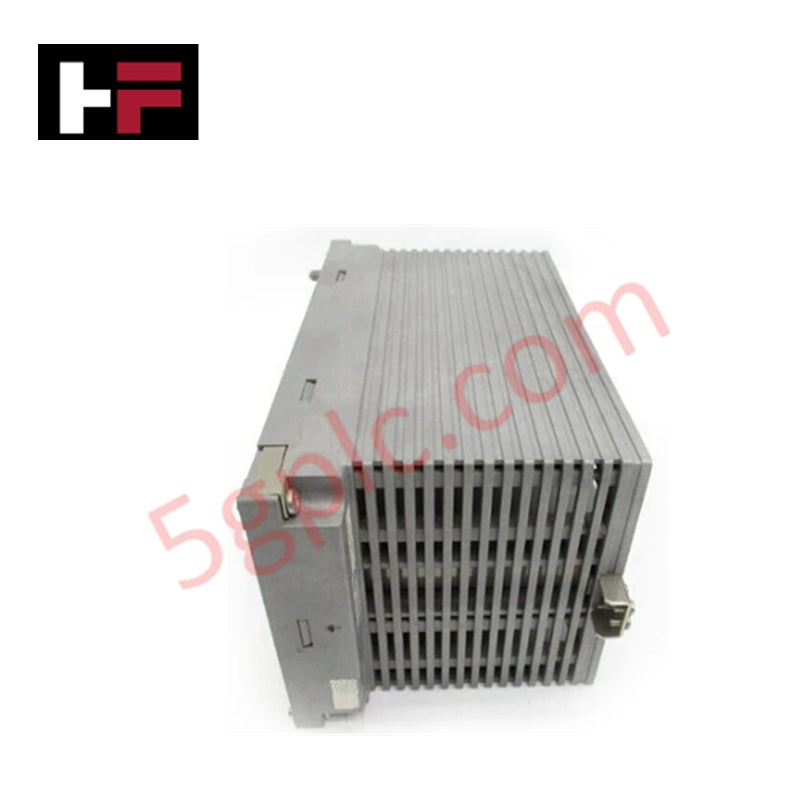
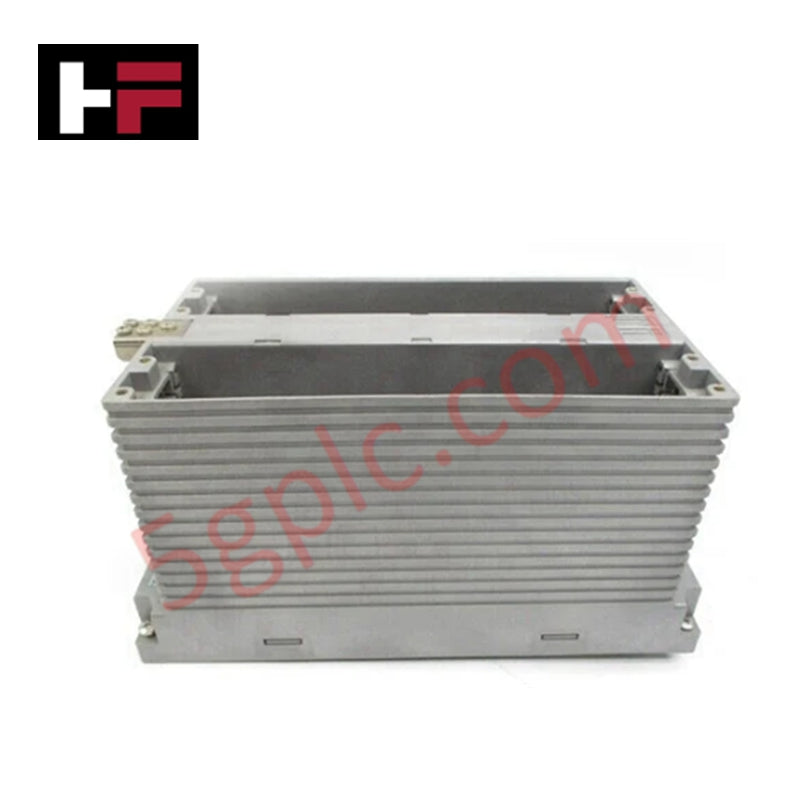
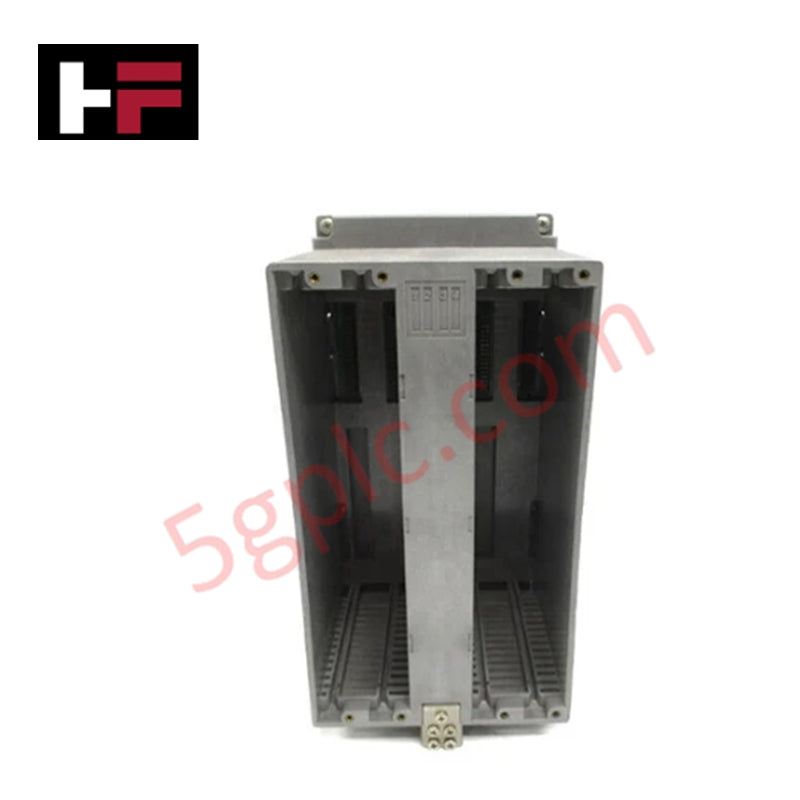
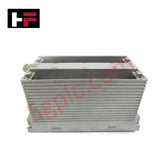
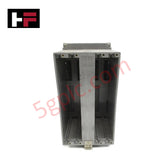
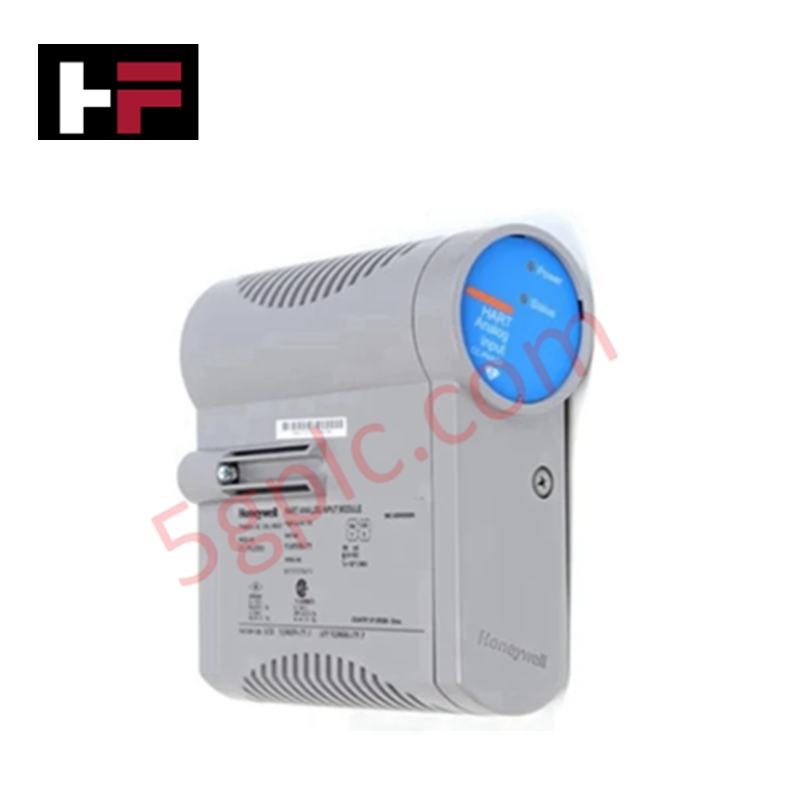
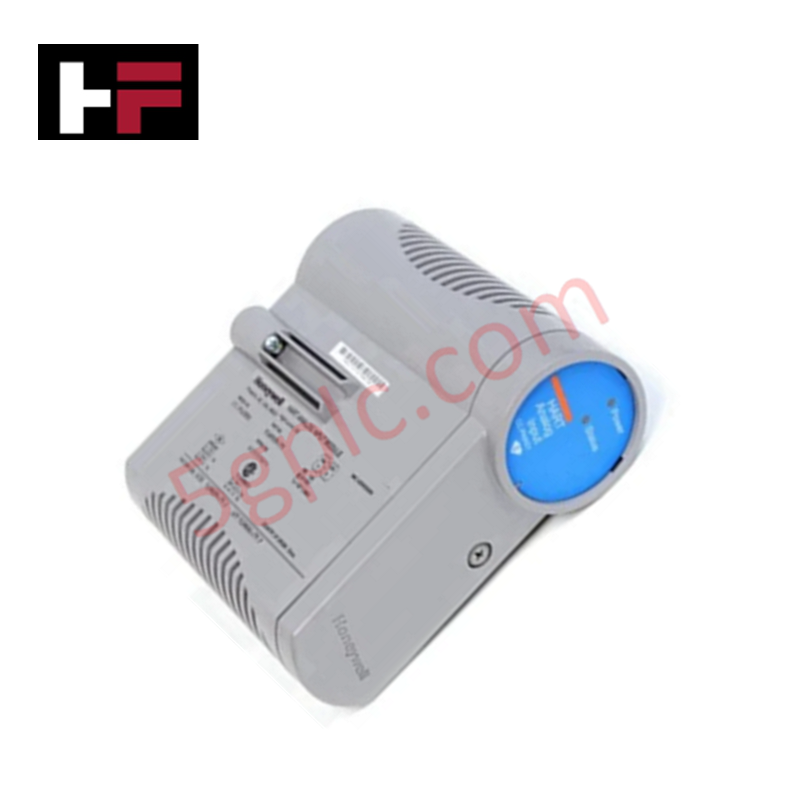
The Yokogawa AMN34 functions as a compact, specialized housing for Multipoint Analog I/O modules within the Yokogawa Distributed Control System (DCS) environment. This nest facilitates the high-density integration of analog signals by providing a stable interface for up to two modules. It bridges the gap between field instrumentation and the processing node, ensuring precise data acquisition for critical process variables.
Technical Specifications
The AMN34 adheres to strict electrical and mechanical standards for seamless RIO integration:
| Parameter | Specification |
| Product Category | Nest for Multipoint Analog I/O Modules |
| Module Capacity | 2 Slots (Supports up to 2 analog I/O modules) |
| Power Supply | 5 V DC (Supplied via Node Interface Unit) |
| Installation Sites | Field Control Station (FCS), I/O Expansion Rack, NIU Assembly |
| Dimensions | 152 mm × 127 mm x 254 mm |
| Weight | 1.2 kg |
| Condition | 100% Brand New and Original |
Engineering Advantages
-
Optimized Dual-Slot Architecture: Unlike bulky 16-slot racks, the AMN34 utilizes a 2-slot design. This allows engineers to deploy small-scale I/O expansion at specific node locations without wasting valuable cabinet space on unpopulated slots.
-
Low-Voltage Efficiency: The unit draws power directly from the Node Interface Unit (NIU) via the 5 V DC backplane. This centralized power management eliminates the need for localized AC/DC converters and reduces the thermal footprint within the Field Control Station.
-
Versatile Mounting Options: The chassis supports multiple installation configurations. Whether mounting within an FCS, an I/O expansion rack, or a NIU assembly, the AMN34 maintains structural integrity and signal alignment regardless of the cabinet layout.
-
Signal Integrity Management: The mechanical design shields sensitive multipoint analog signals from the electromagnetic noise typically generated by nearby high-voltage switchgear, preserving the accuracy of high-resolution analog inputs.
FAQs
-
Is this Yokogawa AMN34 unit new or refurbished?
We offer this AMN34 as 100% Brand New and Original equipment. It ships in its original factory packaging, ensuring you receive a unit with zero previous runtime and full manufacturer-grade reliability.
-
How does the AMN34 receive its operating power?
The nest utilizes a passive backplane that receives 5 V DC from the connected Node Interface Unit (NIU). You do not need to wire a separate power source directly to the AMN34 chassis.
-
Can I mix different types of analog modules in this nest?
Yes. The AMN34 supports up to two multipoint analog I/O modules. As long as the modules belong to the compatible Yokogawa multipoint series for your specific system version, you can combine input and output modules within the two available slots.
-
What are the primary considerations for mounting in an expansion rack?
Ensure the expansion rack provides adequate ventilation and matches the 152 mm × 127 mm x 254 mm dimensions. We recommend verifying that the backplane connectors align perfectly before tightening mounting screws to prevent pin damage.
Additional Information
- 100% Genuine Parts: All products are original and authentic, ensuring reliable industrial performance.
- 30-Day Refund Guarantee: Return any in-stock item within 30 days in original, unopened packaging for a full refund (excluding shipping and fees).
- 12-Month Warranty: Covers defects in materials or workmanship; excludes misuse, normal wear, or unauthorized modifications.
- Worldwide Shipping: We ship via USPS, UPS, FedEx, and DHL. Delivery times vary by country and may be subject to customs or import fees.
- Support & Contact: Technical and warranty assistance is available anytime. Contact us here: Contact.
- Purchase Guidance: Check product specifications and compatibility carefully before ordering to ensure proper application.


Tech & Buying Guide

Comprehensive Guide to Noise Types in Industrial Automation and Electronics

Mitigating Emergency Stop Spurious Trips in Industrial Control Systems
Emergency stop (E-Stop) pushbuttons serve as vital safety devices in factory automation and process control plants. Functional safety standards mandate normally-closed (NC) contact blocks to ensure fail-safe operation during wiring breaks or power outages. However, mechanical degradation over time can trigger unexpected spurious trips, halting production lines without an actual emergency. Understanding the underlying causes of mechanical contact failure allows automation engineers to implement robust, fault-tolerant safety circuits.

Redundant Automation Systems: Maximizing Uptime in Critical Control Applications
Industrial automation relies on continuous operational stability to prevent catastrophic downtime and financial loss. While standard dictionary definitions treat redundancy as superfluous, industrial engineers consider redundant control architectures indispensable for high-availability systems. Implementing backup hardware ensures seamless takeover during primary equipment failures, protecting critical infrastructure across manufacturing and process industries.