












Product Details
Product Overview
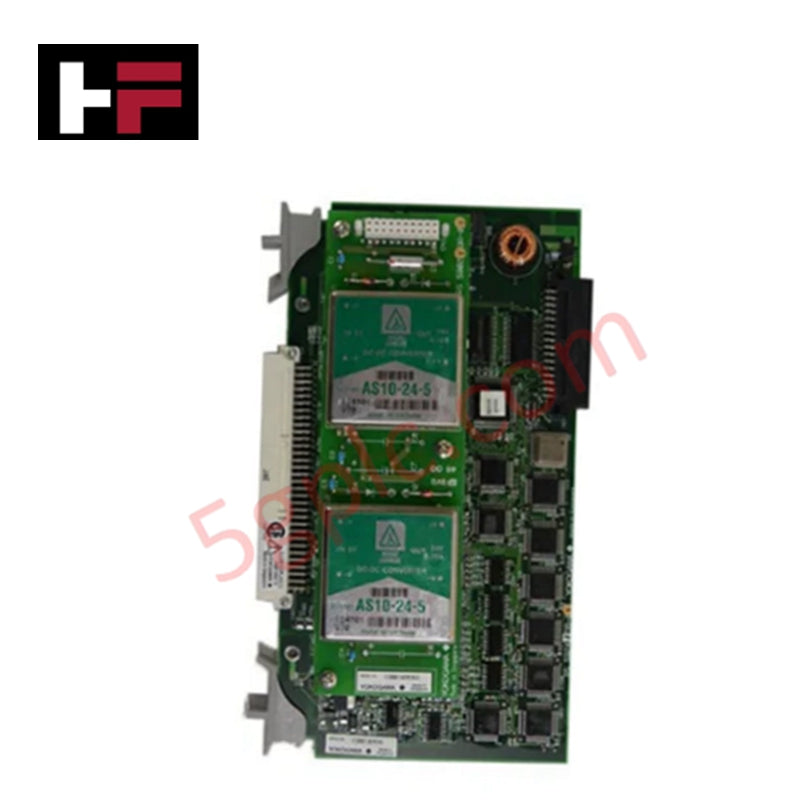
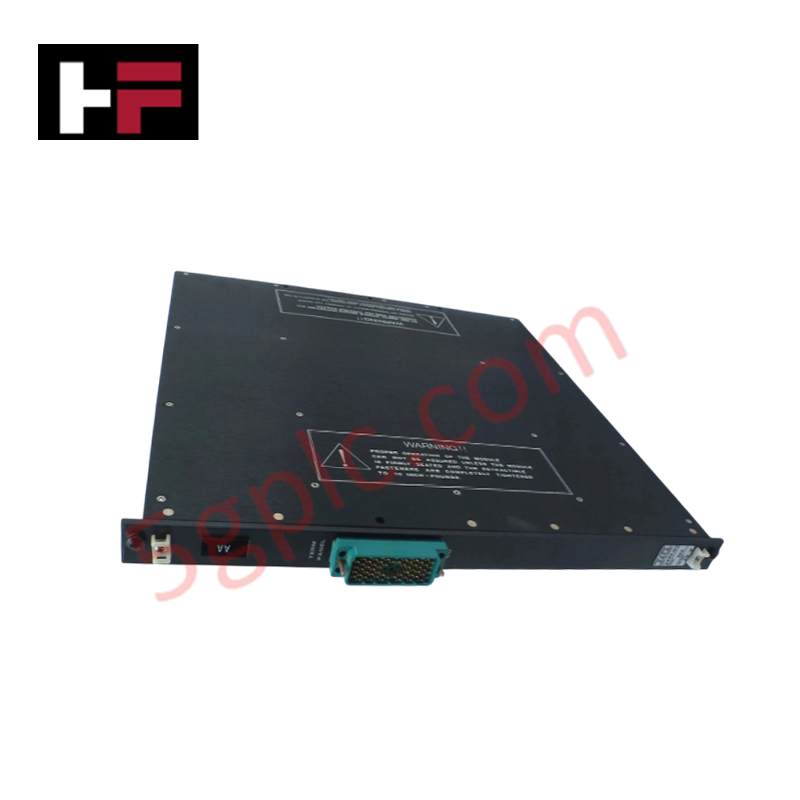
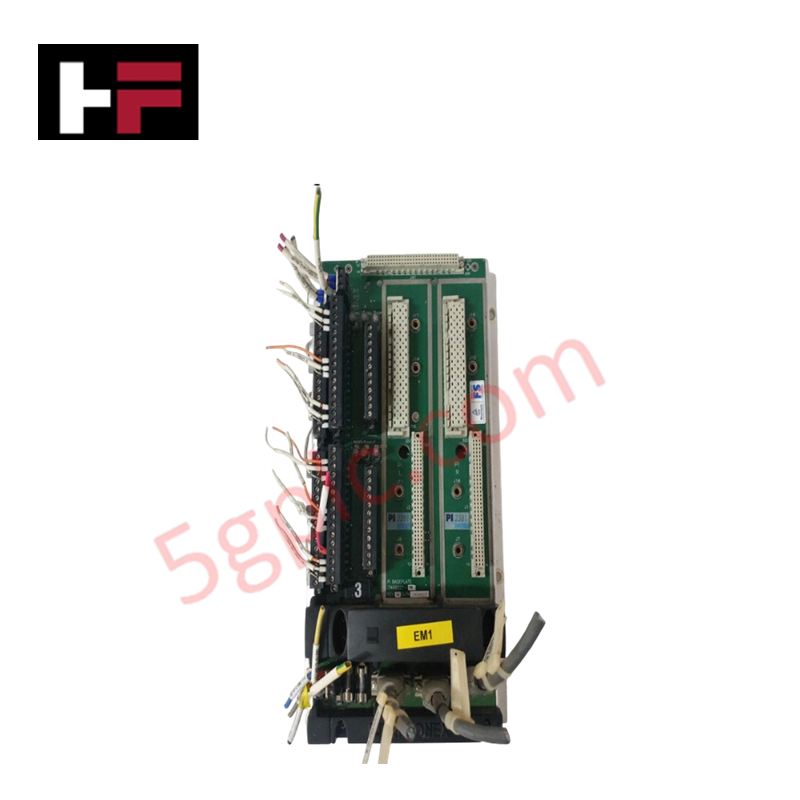
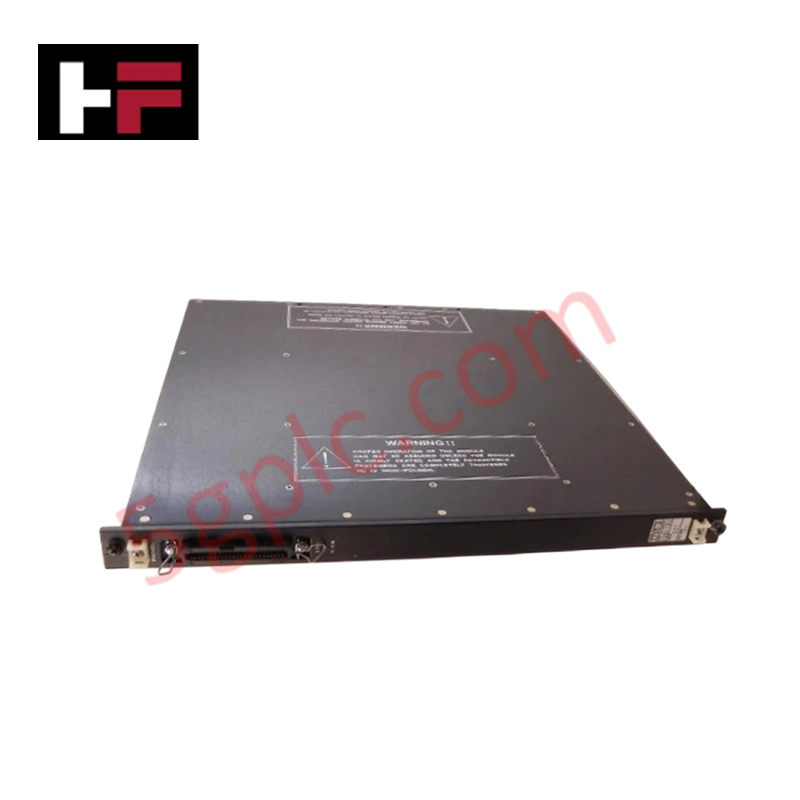
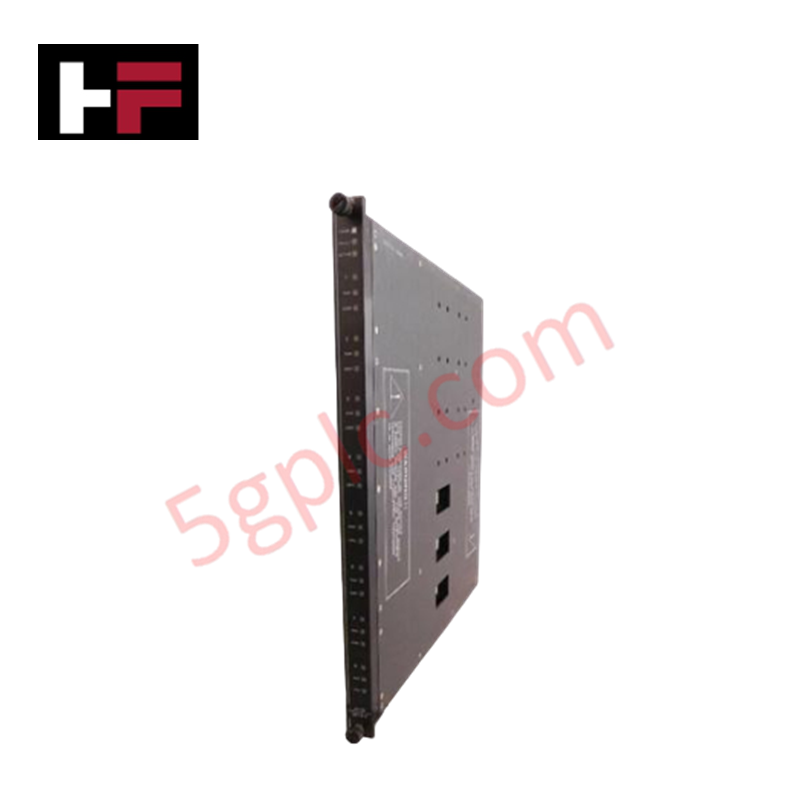
The Yokogawa AMM42 is a specialized multiplexer input module engineered for high-reliability Field Control Stations (FCS) within the CENTUM CS and VP distributed control systems. It is specifically designed to support a fully redundant configuration, effectively eliminating single points of failure in critical process automation environments. By utilizing Yokogawa's robust "Pair and Spare" technology, this module ensures that the control station maintains operational continuity even during hardware faults, making it an essential component for Safety Instrumented Systems (SIS) where TÜV certification and system availability are paramount.
Technical Specifications
The AMM42 is built to interface directly with field transmitters while managing power and signal integrity within a redundant architecture.
| Parameter | Specification |
|---|---|
| Product Type | Multiplexer Input Module |
| Model Number | AMM42 |
| Application | Field Control Station (FCS) Redundant Configuration |
| Transmitter Power Supply | 23.5 to 24.5 V DC |
| Output Power Limit | 60 mA or less |
| Input Resistance | 250 Ω (Standard) / 70 Ω (With Barrier) |
| Signal Isolation | Non-isolated (System-to-Field and Channel-to-Channel) |
| Redundancy | Supports "Pair and Spare" Architecture |
| Certification | TÜV Rheinland (SIS Applications) |
Model Code Interpretation
Understanding the suffix logic is vital for ensuring the correct hardware revision and compatibility with your carrier system.
Part Number: AMM42-S4
AMM42-AXX
-
A (Suffix -S4): This suffix typically designates the specific hardware revision and connector interface type.
-
S: Often indicates a "Spring-clamp" or specific terminal block style compatible with the AMN series carrier boxes (e.g., AMN34).
-
4: Denotes the specific series or revision level, ensuring compatibility with the redundant bus architecture of the FCS.
Note: Always verify the suffix against your system's I/O allocation sheet to ensure it matches the carrier type and redundancy requirements.
Installation and Wiring Guidelines
Proper installation of the AMM42 is critical to maintaining the integrity of the redundant system.
-
Redundancy Configuration: The AMM42 is designed for redundant setups. Ensure that the module is installed in the correct slots as defined by the system architecture (typically involving paired modules). Incorrect slotting can prevent the "Pair and Spare" logic from functioning.
-
Power Supply Limits: The module provides a transmitter power supply of 23.5 to 24.5 V DC. Do not exceed the output power limit of 60 mA per channel to avoid damaging the internal power regulation circuitry.
-
Input Resistance Configuration:
-
The standard input resistance is 250 Ω.
-
If your system utilizes safety barriers, you may need to modify the resistance to 70 Ω. This is typically done via jumpers or switches on the module (refer to the hardware manual).
-
Isolation Awareness: Be aware that there is no electrical isolation between the system and the field, nor between individual channels. Proper grounding of the field wiring and the control system is essential to prevent ground loops and signal noise.
-
Carrier Compatibility: This module is intended for use in specific analog I/O carrier boxes (such as the AMN34). Ensure the module is firmly seated and the locking mechanism is engaged to maintain backplane connectivity.
Frequently Asked Questions (FAQ)
Q: What does "Pair and Spare" technology mean for this module?A: "Pair and Spare" is a redundancy architecture where two processor modules operate in synchronization (Pair), and if one fails, the other takes over instantly without interruption. The AMM42 supports this by providing reliable input data to both sides of the redundant system simultaneously.
Q: Can I use the AMM42 in a non-redundant system?A: While technically possible, the AMM42 is optimized for redundant Field Control Stations. Using it in a non-redundant configuration may not utilize its full capabilities and might require specific engineering settings.
Q: Is the AMM42 isolated?A: No. The specifications state there is no isolation between the system and field or between channels. You must ensure proper system grounding to avoid interference.
Q: What is the input resistance if I am using a barrier?A: When connected to a barrier, the input resistance should be modified to 70 Ω to ensure the correct voltage drop and signal transmission.
Additional Information
- 100% Genuine Parts: All products are original and authentic, ensuring reliable industrial performance.
- 30-Day Refund Guarantee: Return any in-stock item within 30 days in original, unopened packaging for a full refund (excluding shipping and fees).
- 12-Month Warranty: Covers defects in materials or workmanship; excludes misuse, normal wear, or unauthorized modifications.
- Worldwide Shipping: We ship via USPS, UPS, FedEx, and DHL. Delivery times vary by country and may be subject to customs or import fees.
- Support & Contact: Technical and warranty assistance is available anytime. Contact us here: Contact.
- Purchase Guidance: Check product specifications and compatibility carefully before ordering to ensure proper application.





Tech & Buying Guide

Understanding Marshalling Cabinets in Industrial Automation and Control Systems
Marshalling cabinets serve as the crucial connection hub between field instruments and centralized processing units. In large DCS and PLC control system architectures, hundreds of multipair field cables run from local junction boxes to the central instrument equipment room. The marshalling cabinet houses field terminal blocks, surge arresters, intrinsic safety isolation barriers, and interposing relays. By segregating field field-wiring terminations from sensitive processor hardware, engineers protect expensive controller backplanes from high-voltage transients. Consequently, this modular separation dramatically streamlines maintenance workflows and simplifies system expansion.

Essential Best Practices for PLC Wiring and Installation in Industrial Automation
Successful control system deployment begins with thoroughly reviewing manufacturer technical documentation. Controllers from major brands like Allen-Bradley, Siemens, and Schneider Electric feature unique terminal layouts. Engineers must verify voltage requirements before connecting power cables to prevent catastrophic equipment damage. Standard line connections require strict adherence to regional electrical codes and proper wire color coding. Furthermore, panel builders should always establish a robust low-impedance ground connection using at least 16-AWG copper conductor tied directly to the main plant grounding grid.

Demystifying Programmable Logic Controllers: Comprehensive Guide to PLC Classification and Selection in Industrial Automation
Modern industrial automation heavily relies on Programmable Logic Controllers (PLCs) to drive factory floor efficiency. Over my 15 years as an industrial automation expert working with DCS, TSI, and control systems, I have seen PLCs evolve into the central nervous system of modern manufacturing. Selecting the right controller requires a deep understanding of PLC types based on physical size, hardware architecture, and power supply configurations.