












Product Details
Product Overview
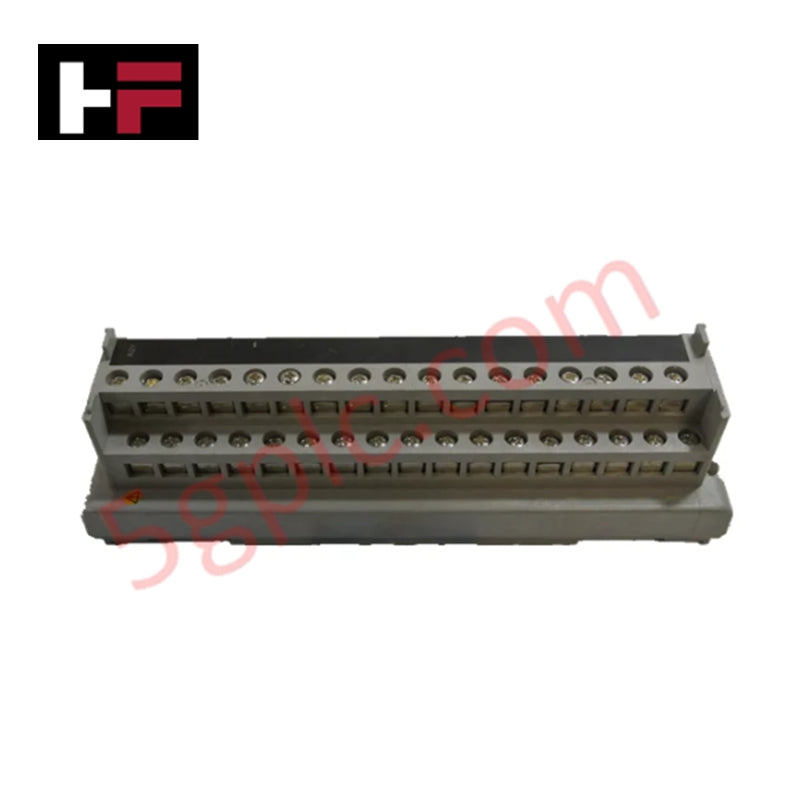
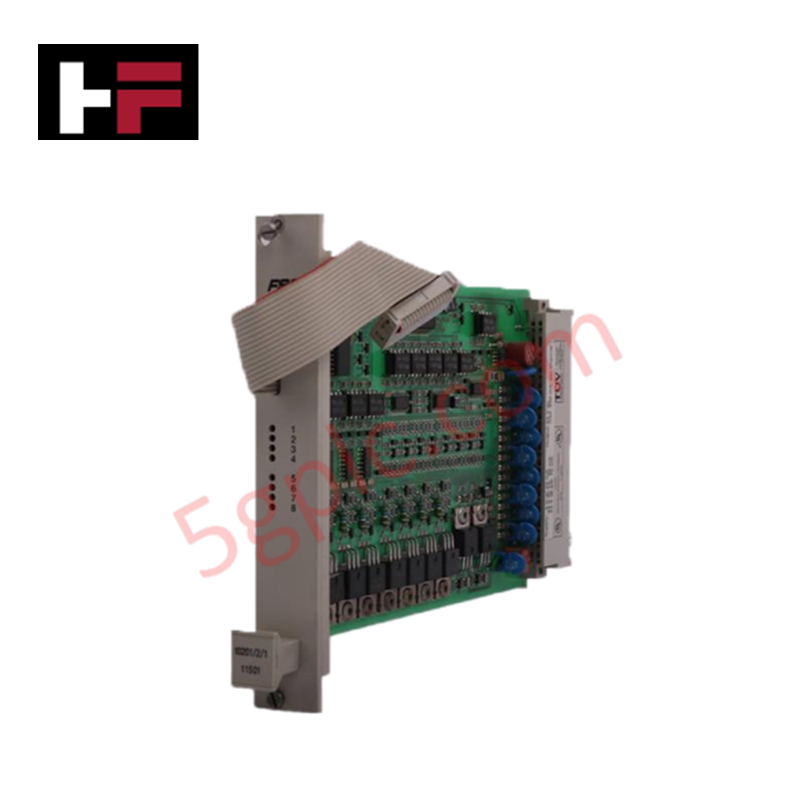
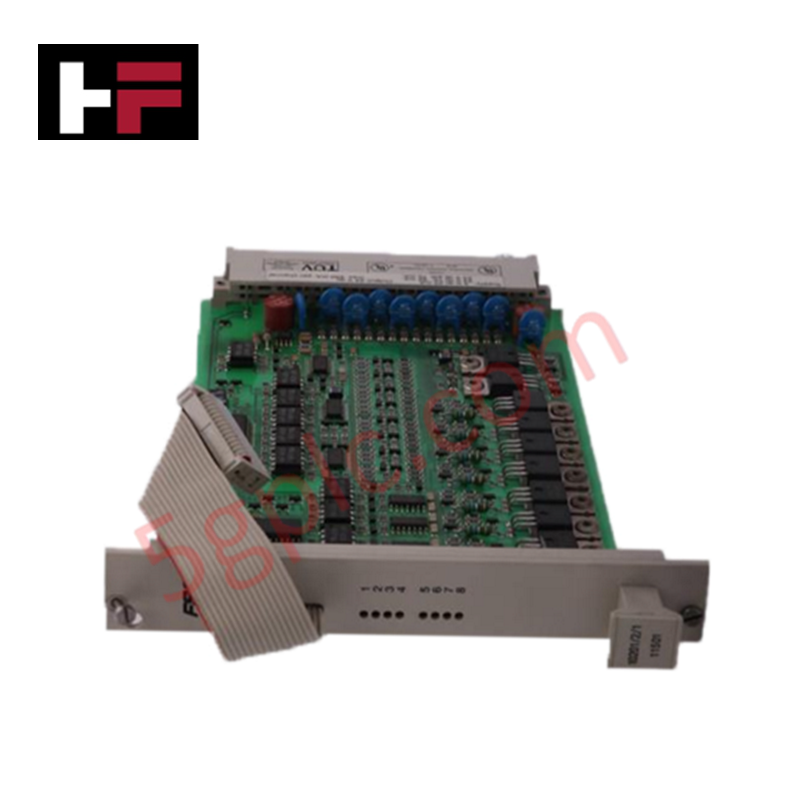
The Yokogawa AMM11T functions as a high-precision Voltage Input Multiplexer Module within the CENTUM distributed control system (DCS) architecture. This module aggregates multiple analog voltage signals from field transmitters and sensors, sequentially switching them into a single measurement circuit. This multiplexing technique optimizes hardware efficiency by allowing the system to process numerous field inputs through a concentrated I/O footprint. We supply this unit as 100% Brand New and original, ensuring the voltage measurement accuracy and long-term stability required for mission-critical process loops.
Technical Specifications
The AMM11T delivers stable signal switching and high-integrity analog data acquisition for industrial control environments.
-
Manufacturer: Yokogawa Electric Corporation
-
Module Type: Voltage Input Multiplexer
-
Signal Compatibility: Analog DC Voltage Inputs
-
System Integration: Yokogawa CENTUM CS 3000 / VP Systems
-
Isolation: Galvanic isolation between field signals and system logic
-
Mounting: Standard I/O Nest installation
-
Operating Temperature: Standard industrial range (0 to 50°C typically)
-
Condition: 100% Brand New and Original
Engineering Advantages
The AMM11T addresses critical signal management and spatial challenges in modern process plants:
-
Drastic Reduction in I/O Footprint: By multiplexing multiple voltage inputs into a single processing path, the AMM11T significantly reduces the number of I/O slots required for large-scale data acquisition. This enables engineers to house more monitoring points within a smaller cabinet footprint, lowering overall enclosure costs.
-
Superior Common-Mode Rejection: The module utilizes advanced shielding and isolation circuitry to suppress electromagnetic interference (EMI) and common-mode noise. This ensures that the system maintains high signal-to-noise ratios even when routing low-voltage signals through electrically noisy industrial environments.
-
High-Integrity Signal Switching: The internal multiplexing relays or solid-state switches feature low contact resistance and thermal EMF. This precision prevents signal degradation during the switching process, ensuring that the DCS receives an accurate representation of the field voltage.
-
Simplified Maintenance and Loop Checks: The centralized multiplexing architecture simplifies the wiring layout within the control cabinet. Technicians can perform loop checks and signal verifications at a single point of entry, reducing the time required for system commissioning and routine troubleshooting.
FAQs
What type of signals does the AMM11T accept?
The AMM11T specifically handles analog DC voltage signals. It typically interfaces with transmitters that output standard voltage ranges (e.g., 1-5V or 0-10V) to monitor parameters like pressure, temperature, or flow in a centralized DCS environment.
How does the AMM11T maintain signal accuracy during multiplexing?
The module employs high-precision internal components to minimize signal loss. Integrated isolation barriers protect the measurement integrity from ground loops, while the high input impedance ensures the multiplexer does not load the field transmitter, preventing voltage drops.
Can I use the AMM11T in a redundant configuration?
Yes. In mission-critical CENTUM configurations, you can install the AMM11T in redundant I/O nests. The system software manages the data paths to ensure that if one module or path fails, the backup hardware continues to deliver field data without interrupting the process control logic.
Does this module require a separate terminal board?
Typically, the AMM11T interfaces with a dedicated terminal block or pressure-clamp terminal board specifically designed for the CENTUM series. This ensures secure, vibration-resistant field wiring and facilitates easy module replacement without disconnecting individual field wires.
Additional Information
- 100% Genuine Parts: All products are original and authentic, ensuring reliable industrial performance.
- 30-Day Refund Guarantee: Return any in-stock item within 30 days in original, unopened packaging for a full refund (excluding shipping and fees).
- 12-Month Warranty: Covers defects in materials or workmanship; excludes misuse, normal wear, or unauthorized modifications.
- Worldwide Shipping: We ship via USPS, UPS, FedEx, and DHL. Delivery times vary by country and may be subject to customs or import fees.
- Support & Contact: Technical and warranty assistance is available anytime. Contact us here: Contact.
- Purchase Guidance: Check product specifications and compatibility carefully before ordering to ensure proper application.




Tech & Buying Guide

Essential Best Practices for PLC Wiring and Installation in Industrial Automation
Successful control system deployment begins with thoroughly reviewing manufacturer technical documentation. Controllers from major brands like Allen-Bradley, Siemens, and Schneider Electric feature unique terminal layouts. Engineers must verify voltage requirements before connecting power cables to prevent catastrophic equipment damage. Standard line connections require strict adherence to regional electrical codes and proper wire color coding. Furthermore, panel builders should always establish a robust low-impedance ground connection using at least 16-AWG copper conductor tied directly to the main plant grounding grid.
Demystifying Programmable Logic Controllers: Comprehensive Guide to PLC Classification and Selection in Industrial Automation
Modern industrial automation heavily relies on Programmable Logic Controllers (PLCs) to drive factory floor efficiency. Over my 15 years as an industrial automation expert working with DCS, TSI, and control systems, I have seen PLCs evolve into the central nervous system of modern manufacturing. Selecting the right controller requires a deep understanding of PLC types based on physical size, hardware architecture, and power supply configurations.

Comprehensive Guide to PLC Types in Modern Industrial Automation
Modern industrial automation relies on programmable logic controllers to govern critical factory operations. System integrators classify PLCs based on scale, hardware architecture, and power supply design. Understanding these core categories enables automation engineers to select the right control system architecture. Consequently, proper hardware selection optimizes performance while minimizing long-term operational costs.