












Product Details
Product Overview
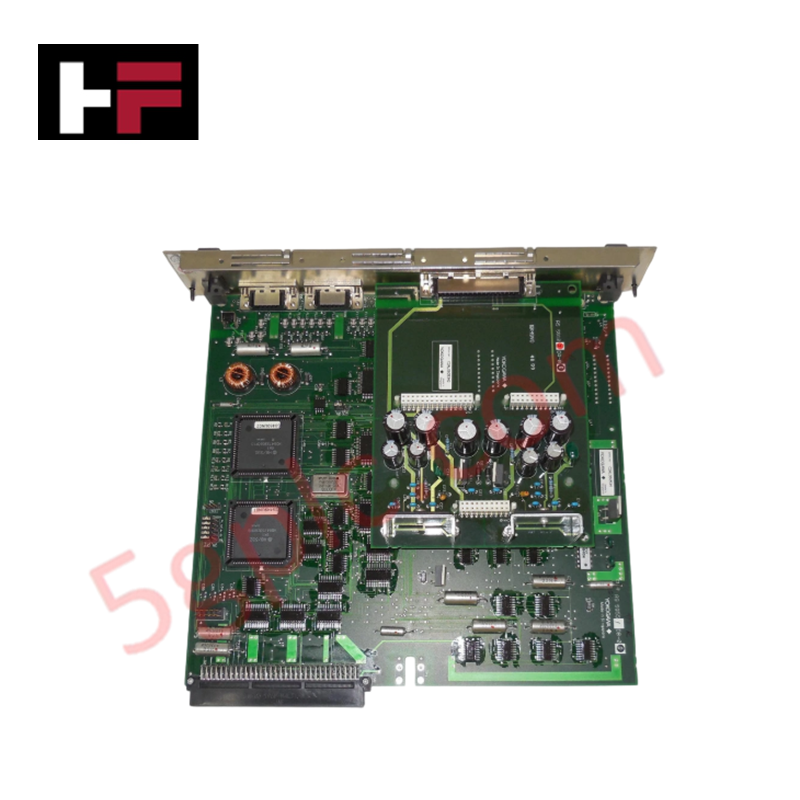
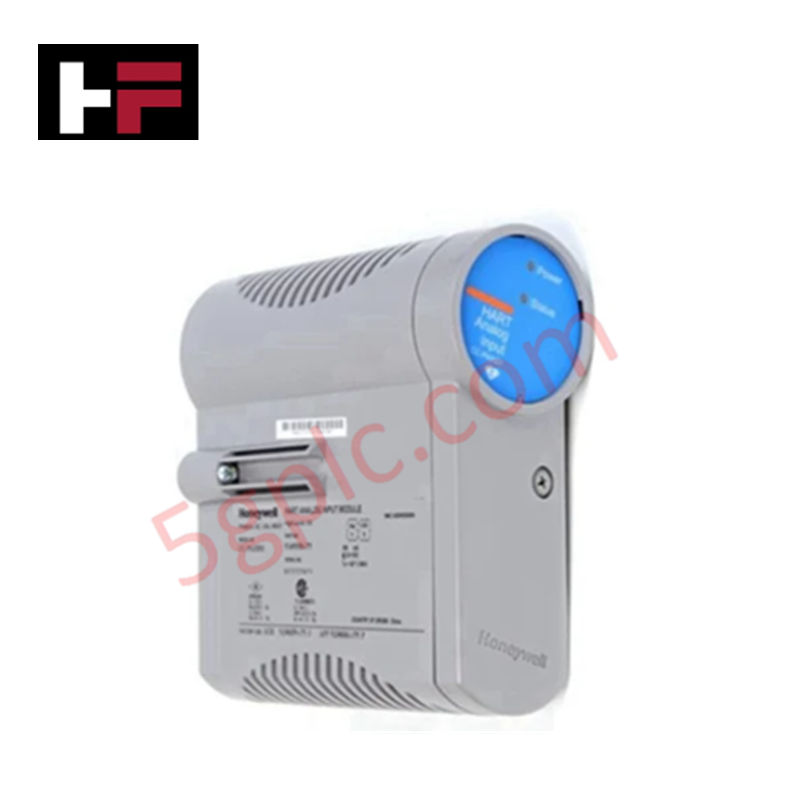
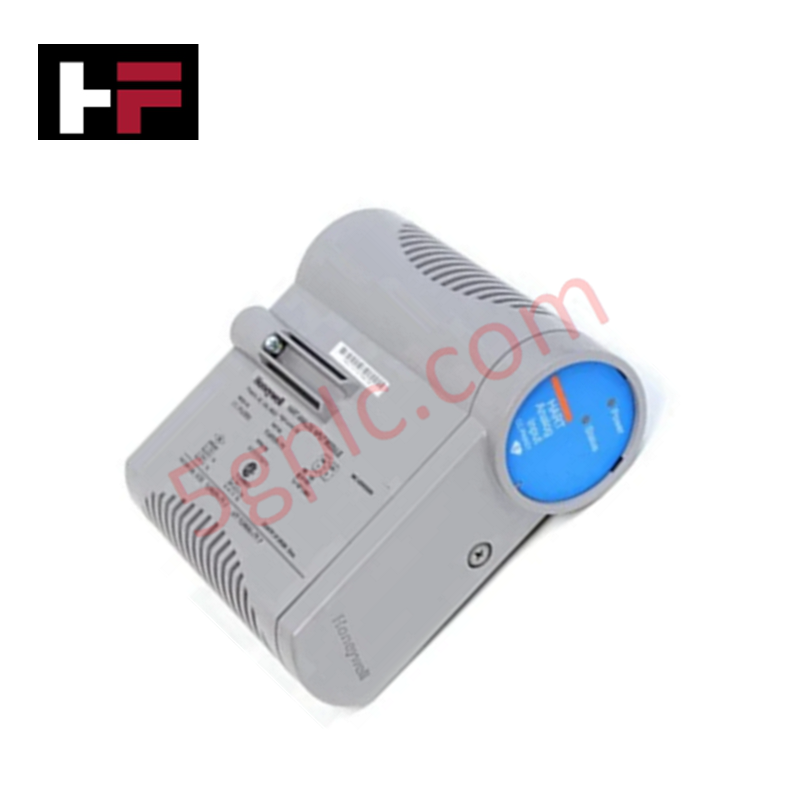
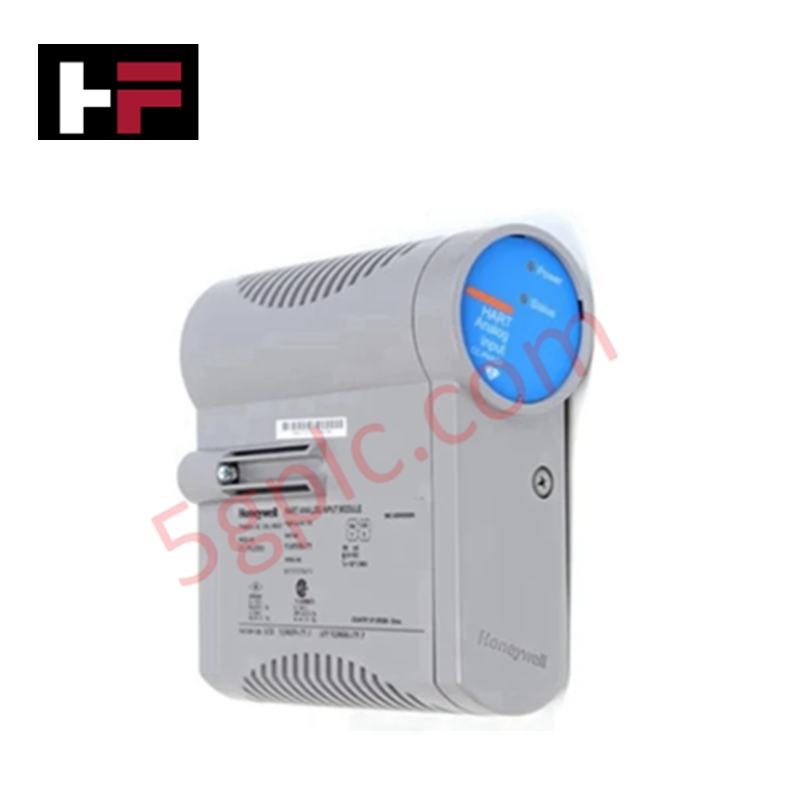
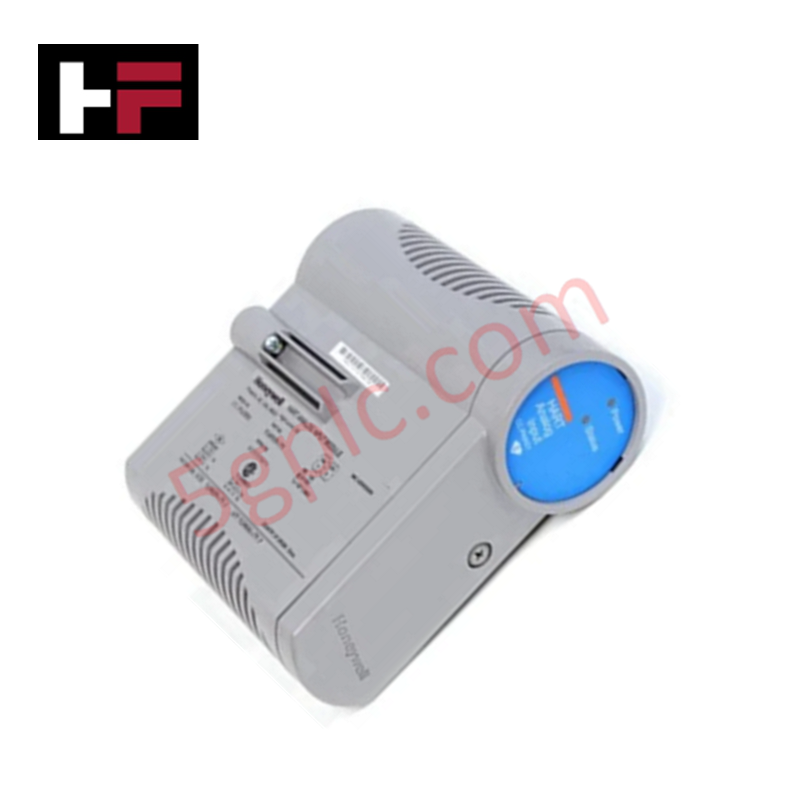
The Yokogawa AIP121 Analog Input Module serves as a critical data acquisition interface for the CENTUM VP and CS 3000 Distributed Control Systems (DCS), engineered to convert standard industrial current signals into precise digital process variables. In complex automation architectures, signal integrity is paramount; the AIP121 solves the challenge of noise interference and channel density by providing 16 isolated input channels in a compact form factor. This ensures high-fidelity monitoring of field transmitters—such as pressure, temperature, and flow sensors—while minimizing cabinet footprint and power consumption. Designed for continuous operation in demanding environments, the module guarantees system stability and accurate feedback loops essential for safe process control in oil and gas, power generation, and chemical manufacturing.
Technical Specifications
|
Parameter |
Specification |
|---|---|
|
Model Number |
AIP121 |
|
Manufacturer |
Yokogawa Electric Corporation |
|
Module Type |
Analog Input Module (Current) |
|
System Compatibility |
CENTUM VP, CENTUM CS 3000 |
|
Input Channels |
16 Channels (Single-ended or Differential configurable) |
|
Signal Type |
4-20 mA DC (Standard Industrial Current Loop) |
|
Input Impedance |
250 Ω (Typical at 24 VDC supply) |
|
Conversion Accuracy |
±0.1% of span (Typical) |
|
Isolation |
Channel-to-bus isolation (Enhances noise immunity) |
|
Power Consumption |
Low power design (Optimized for high-density racks) |
|
Dimensions (H×W×D) |
130 mm × 30 mm × 100 mm |
|
Unit Weight |
Approx. 0.5 kg |
|
Operating Temperature |
0°C to 50°C (32°F to 122°F) |
|
Storage Temperature |
-20°C to 70°C |
|
Mounting Style |
DIN Rail / Backplane Mount (CENTUM VP Node) |
|
Hot-Swapping |
Supported (Allows replacement without system shutdown) |
Model Code Decomposition
Yokogawa’s CENTUM VP I/O modules utilize a structured naming convention where the base part number defines the function, and specific suffixes (often denoted as "Style" or "Suffix" in procurement documents) indicate hardware revisions or regional certifications. The AIP121 is typically procured with a style suffix to ensure exact hardware revision compatibility.
Part Number: AIP121-S2 (Example common configuration)
-
AI: Identifies the hardware series within the Yokogawa CENTUM VP family, specifically for standard I/O and interface units.
-
P: Denotes the "Processor" or "Interface" functional category. In this context, it indicates a smart I/O module with onboard processing for signal linearization and diagnostics.
-
121: The unique designator for the 16-channel, 4-20 mA Analog Input unit.
-
The "1" in the hundreds place often correlates to Analog Input types.
-
The "21" sequence specifies the 16-channel density and current input range.
-
Suffix Logic (e.g., -S2, -S1):
-
S1/S2 (Style): Indicates the hardware revision level. For example, S2 may denote an updated circuit design with improved noise filtering or updated component sourcing compared to the original S1 release. It ensures the module matches the firmware expectations of the latest CENTUM VP stations.
-
Regional/Agency Codes: While often embedded in the style, some variations may include suffixes indicating specific agency approvals (e.g., FM, CSA, ATEX) for hazardous location use, though the standard AIP121 is typically for general industrial areas.
-
Note: Always verify the specific style suffix required by your existing system configuration to prevent firmware mismatch errors during hot-swapping.
Installation Recommendations and Wiring Guidelines
Proper installation of the AIP121 is essential to maintain the accuracy of the 4-20 mA loop and ensure the safety of the DCS node.
-
Power Down & Safety: Although the module supports hot-swapping, it is best practice to isolate the specific I/O rack slot via software forcing or local maintenance switches before physical insertion/removal to prevent transient spikes on the bus.
-
Cable Selection: Use shielded twisted-pair cables for all 4-20 mA signal lines. The shield must be grounded at the control room end (single-point grounding) to prevent ground loops while rejecting electromagnetic interference (EMI).
-
Terminal Wiring: Connect the positive (+) and negative (-) leads of the field transmitter to the corresponding screw terminals on the front of the AIP121. Ensure torque specifications (typically 0.5–0.6 N·m) are met to prevent loose connections that cause signal drift.
-
Channel Configuration: Using the CENTUM VP engineering tool (Vx-Toolset), configure each of the 16 channels for the specific sensor type (e.g., 2-wire vs. 4-wire transmitter) and scaling range (e.g., 0-100% corresponding to 4-20 mA).
-
Noise Mitigation: Route signal cables separately from high-voltage power lines (minimum 20 cm separation). If crossing is unavoidable, cross at a 90-degree angle.
-
Environmental Check: Ensure the control panel ambient temperature remains within the 0°C to 50°C operating range. Excessive heat can degrade the precision of the analog-to-digital converters.
Frequently Asked Questions (FAQ)
Q: Is the AIP121 compatible with 3-wire transmitters?A: Yes, the AIP121 can support 3-wire and 4-wire transmitters provided the external power supply is correctly wired to the common terminal and the signal return is connected to the input channel. The module primarily measures the current flowing through the input terminals.
Q: Can I mix 4-20 mA and voltage input modules in the same rack?A: Absolutely. The CENTUM VP backplane supports mixed I/O configurations. You can install AIP121 (current input) modules alongside AVA141 (voltage input) or other digital I/O modules in the same node without interference.
Q: What happens if a wire breaks in the 4-20 mA loop?A: The AIP121 features built-in burnout detection. If the loop current drops below a certain threshold (typically < 3.6 mA), the module will flag a "Wire Break" alarm in the DCS operator station, allowing for immediate maintenance response.
Q: Do you sell this module as new or refurbished?A: We supply 100% brand-new, original factory-sealed Yokogawa AIP121 modules. We do not sell refurbished or used units for critical control applications to ensure maximum reliability.
Q: What is the lead time for shipping?A: We maintain stock of the AIP121 for immediate dispatch. Orders are typically processed and shipped via DHL/FedEx within 24 to 72 hours, with global delivery usually achieved within 3-5 business days.
Additional Information
- 100% Genuine Parts: All products are original and authentic, ensuring reliable industrial performance.
- 30-Day Refund Guarantee: Return any in-stock item within 30 days in original, unopened packaging for a full refund (excluding shipping and fees).
- 12-Month Warranty: Covers defects in materials or workmanship; excludes misuse, normal wear, or unauthorized modifications.
- Worldwide Shipping: We ship via USPS, UPS, FedEx, and DHL. Delivery times vary by country and may be subject to customs or import fees.
- Support & Contact: Technical and warranty assistance is available anytime. Contact us here: Contact.
- Purchase Guidance: Check product specifications and compatibility carefully before ordering to ensure proper application.


Tech & Buying Guide

Comprehensive Guide to Noise Types in Industrial Automation and Electronics

Mitigating Emergency Stop Spurious Trips in Industrial Control Systems
Emergency stop (E-Stop) pushbuttons serve as vital safety devices in factory automation and process control plants. Functional safety standards mandate normally-closed (NC) contact blocks to ensure fail-safe operation during wiring breaks or power outages. However, mechanical degradation over time can trigger unexpected spurious trips, halting production lines without an actual emergency. Understanding the underlying causes of mechanical contact failure allows automation engineers to implement robust, fault-tolerant safety circuits.

Redundant Automation Systems: Maximizing Uptime in Critical Control Applications
Industrial automation relies on continuous operational stability to prevent catastrophic downtime and financial loss. While standard dictionary definitions treat redundancy as superfluous, industrial engineers consider redundant control architectures indispensable for high-availability systems. Implementing backup hardware ensures seamless takeover during primary equipment failures, protecting critical infrastructure across manufacturing and process industries.