












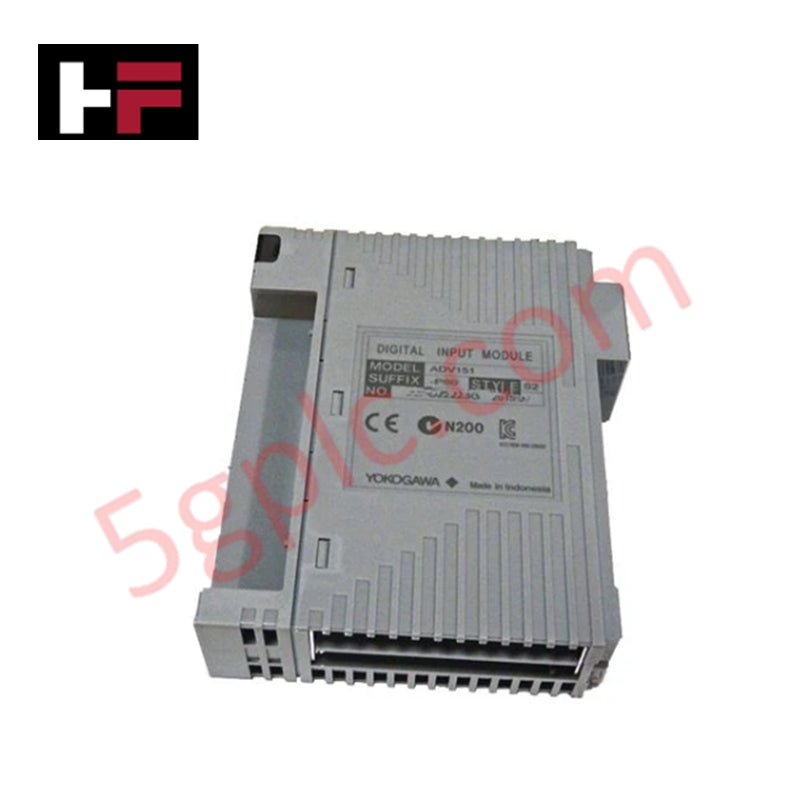
Product Details
Product Overview
The Yokogawa AAV144-S00 serves as a high-performance, 16-channel isolated analog input module designed for the CENTUM VP Distributed Control System (DCS). This module interfaces directly with field instruments to capture critical process variables, supporting both 1 to 5 V and -10 to +10 V signal ranges. We supply this unit as 100% Brand New and Original, ensuring peak performance for your industrial automation architecture.
Part Number Breakdown: AAV144-S00
Yokogawa utilizes a systematic coding structure to define module capabilities. The AAV144 configuration represents:
| Code | Specification | Detail |
| AAV144 | Model | Isolated Analog Input Module (16-channel) |
| -S | Suffix | Standard type |
| 0 | Suffix | Always 0 |
| 0 | Suffix | Basic type |
Technical Specifications
The AAV144-S00 delivers high-speed data processing and robust electrical protection across all 16 channels:
-
Input Channels: 16 isolated channels
-
Input Signal Ranges: 1 to 5 V DC or -10 to +10 V DC (Configurable)
-
Data Update Period: 10 ms (High-speed processing)
-
Accuracy: Typical ±4 mV; Maximum ±20 mV
-
Input Resistance: 1 MΩ (Power ON) / 200 kΩ (Power OFF)
-
Withstanding Voltage: 1500 V AC for 1 minute (Input to System)
-
Allowable Input Voltage: ±30 V DC
-
Current Consumption: 500 mA maximum (at 5 V DC)
-
Weight: 0.2 kg
-
Connectivity Options: Pressure clamp terminal, MIL connector, or Dedicated KS1 cable
Engineering Advantages
The AAV144-S00 addresses specific industrial pain points through superior hardware engineering:
-
Eliminate Ground Loops: 1500 V AC galvanic isolation between input channels and the system logic protects your DCS backplane from voltage surges and eliminates common-mode noise issues often found in complex plant grounding systems.
-
High-Speed Loop Control: A 10 ms data update cycle provides the rapid feedback necessary for high-dynamic control loops, ensuring the system reacts to process deviations in real-time.
-
Flexible Signal Configuration: Engineers can switch input ranges across all 16 channels, allowing one spare part (AAV144-S00) to cover multiple application types, effectively reducing your inventory overhead.
-
Thermal Stability: The module maintains high accuracy (±4 mV/10°C drift) even in environments with fluctuating ambient temperatures, ensuring consistent process data without frequent recalibration.
FAQs
-
Can I use the AAV144-S00 to replace non-isolated modules like the AAV141?
While both handle 1-5 V signals, the AAV144-S00 provides superior isolation. You must verify that your existing terminal block or KS1 cable configuration matches, as isolation often changes the wiring footprint.
-
What is the benefit of the 1500 V AC withstanding voltage?
This rating ensures that even if a field instrument suffers a catastrophic failure or a lightning surge hits the field wiring, the high-voltage transient will not migrate to your central processor, saving your core DCS hardware from damage.
-
Does the module support hot-swapping?
Yes, within a powered CENTUM VP I/O rack, you can replace the AAV144-S00 without shutting down the entire station. However, ensure you follow Yokogawa’s specific hot-swap procedures to maintain signal stability on other modules.
-
How do I choose between the MIL connector and the pressure clamp terminal?
Choose the MIL connector for rapid deployment using pre-fabricated KS1 cables to a marshalling panel. Use pressure clamp terminals for direct field-to-module wiring where space is limited.
Additional Information
- 100% Genuine Parts: All products are original and authentic, ensuring reliable industrial performance.
- 30-Day Refund Guarantee: Return any in-stock item within 30 days in original, unopened packaging for a full refund (excluding shipping and fees).
- 12-Month Warranty: Covers defects in materials or workmanship; excludes misuse, normal wear, or unauthorized modifications.
- Worldwide Shipping: We ship via USPS, UPS, FedEx, and DHL. Delivery times vary by country and may be subject to customs or import fees.
- Support & Contact: Technical and warranty assistance is available anytime. Contact us here: Contact.
- Purchase Guidance: Check product specifications and compatibility carefully before ordering to ensure proper application.






Tech & Buying Guide
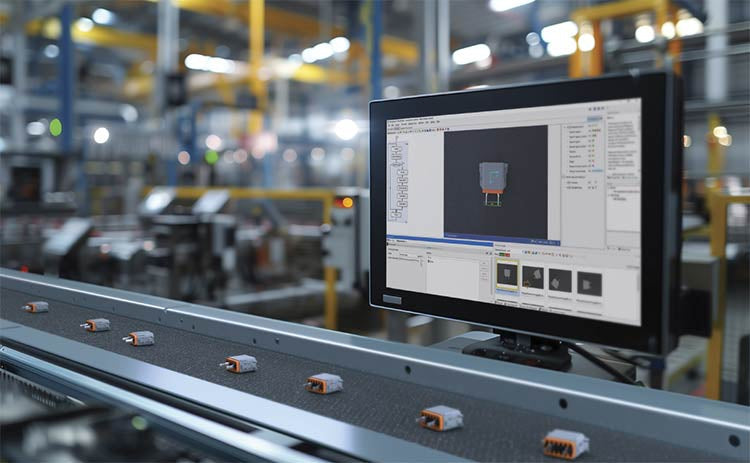
Modern Industrial Automation: Transforming Safety and Efficiency in Mining Operations
Industrial automation has evolved from a simple manufacturing tool into the operational backbone of high-risk sectors. Modern mining operations increasingly rely on advanced control systems, programmable logic controllers (PLCs), distributed control systems (DCS), and artificial intelligence to address deep-underground hazards. By replacing manual labor in high-risk zones, factory automation technologies protect personnel while significantly boosting operational throughput.

Step-by-Step System Cabinet Health Check Guide for PLC and DCS Infrastructure
