










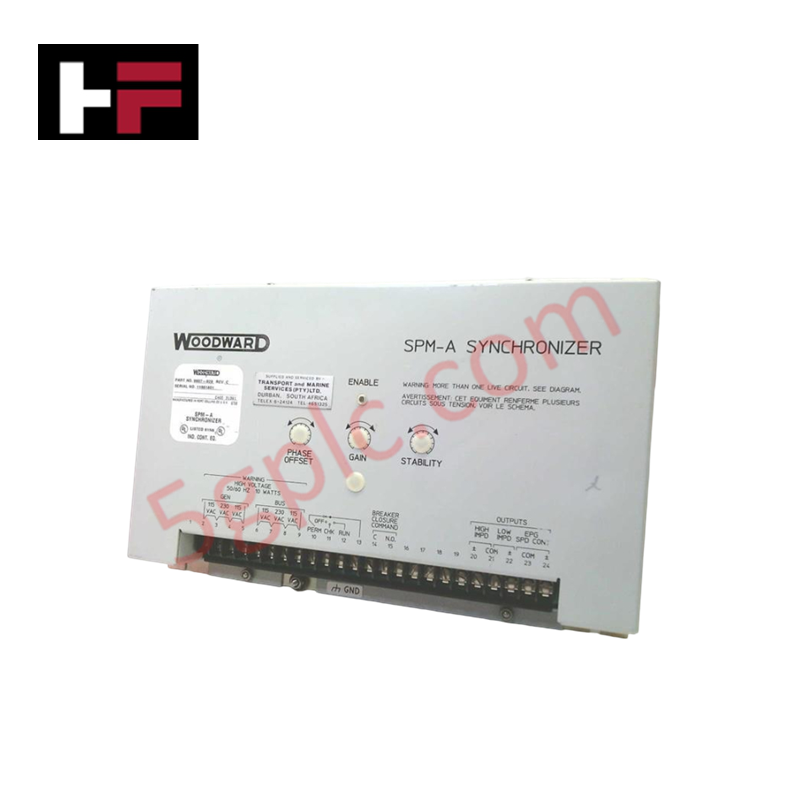
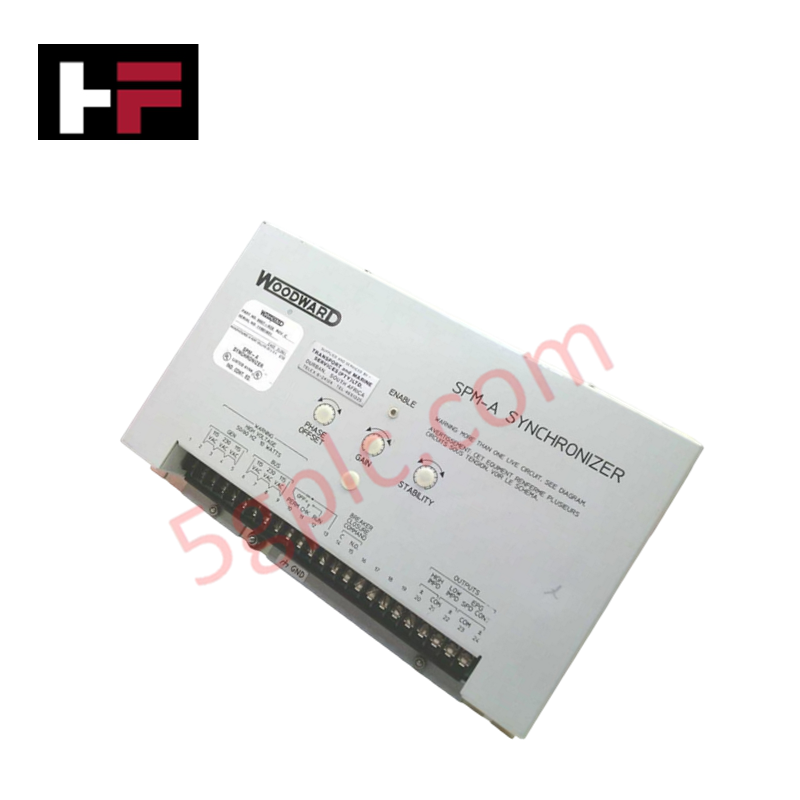
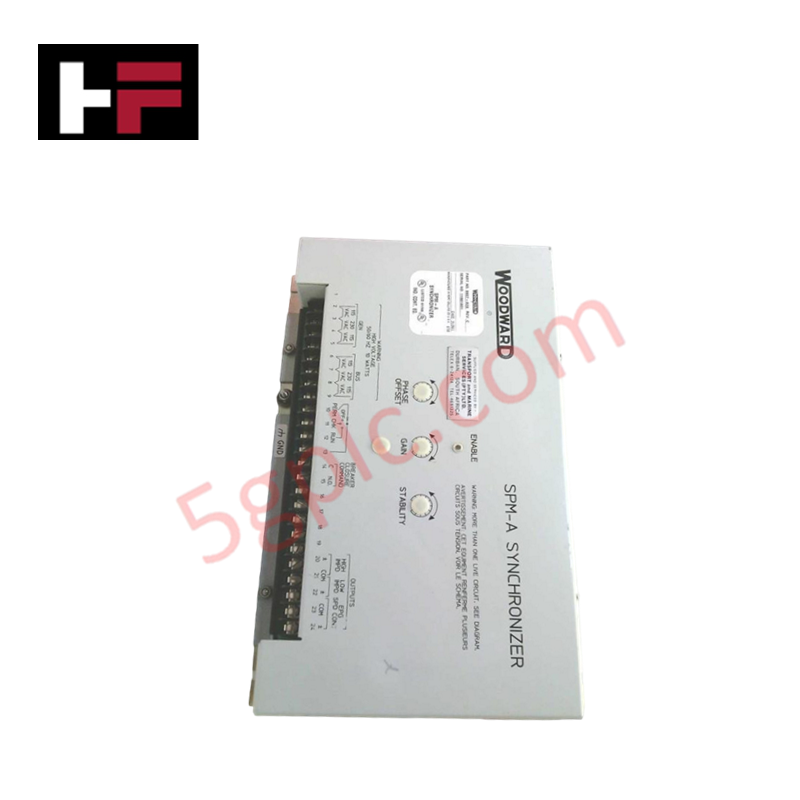
Product Details
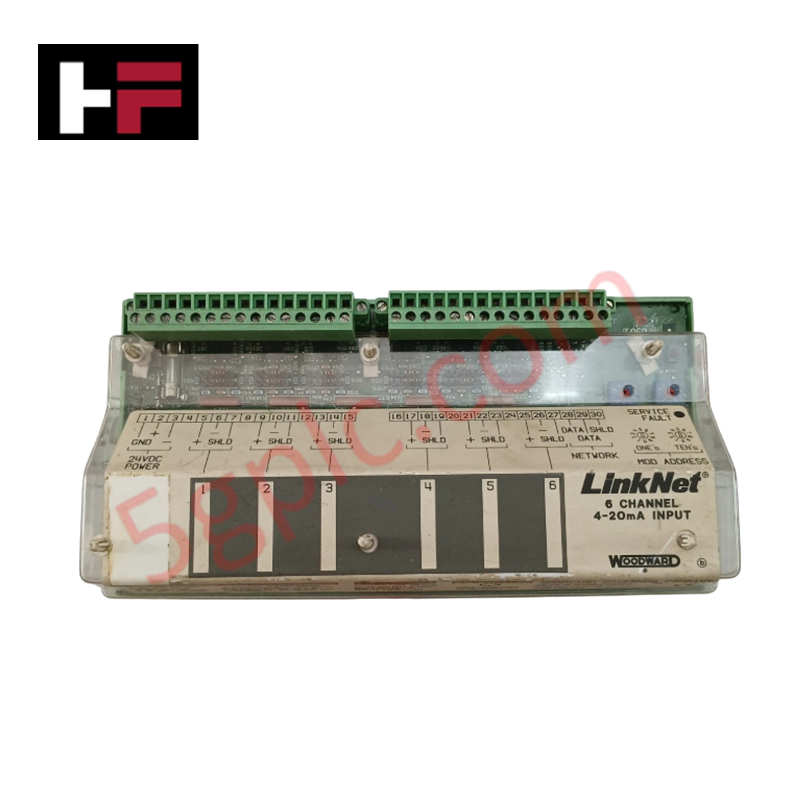
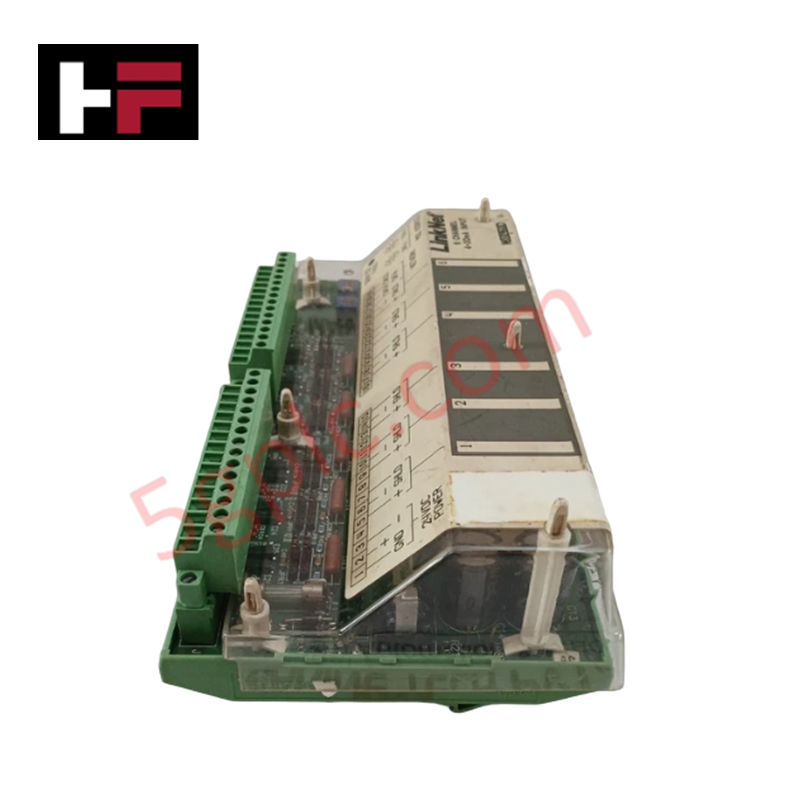
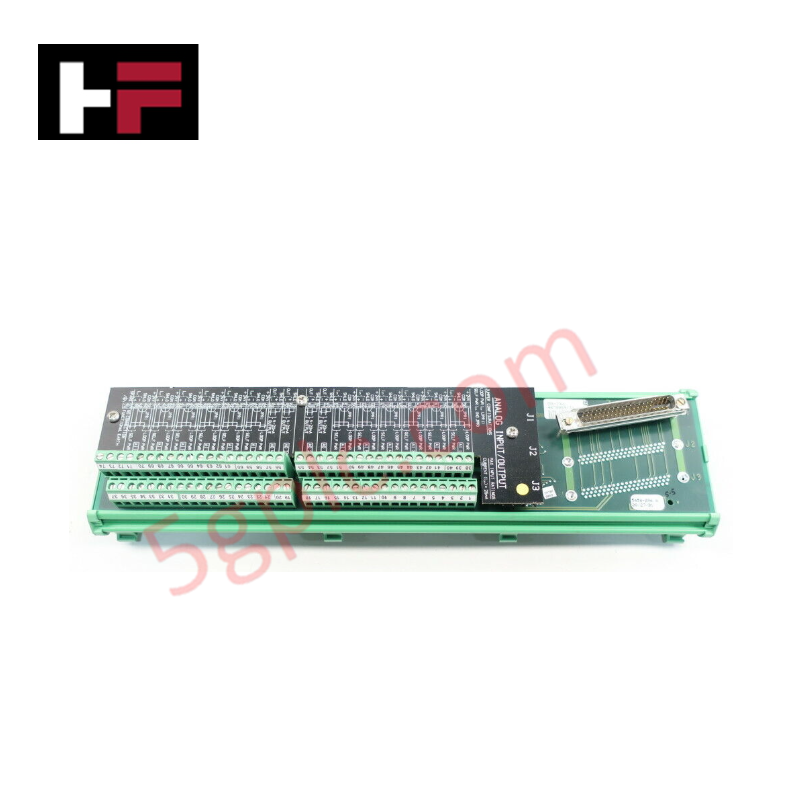
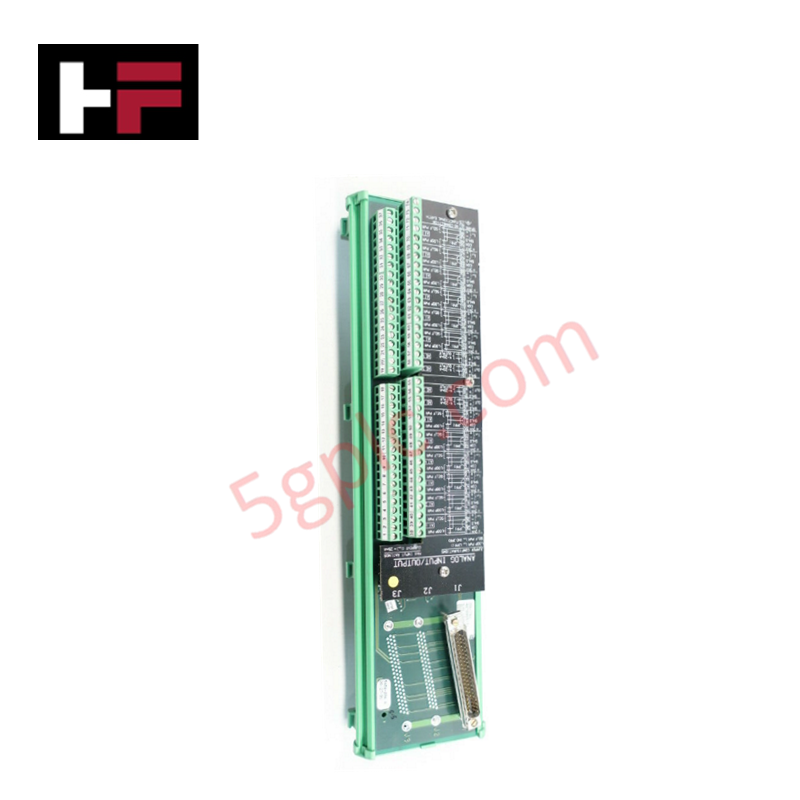
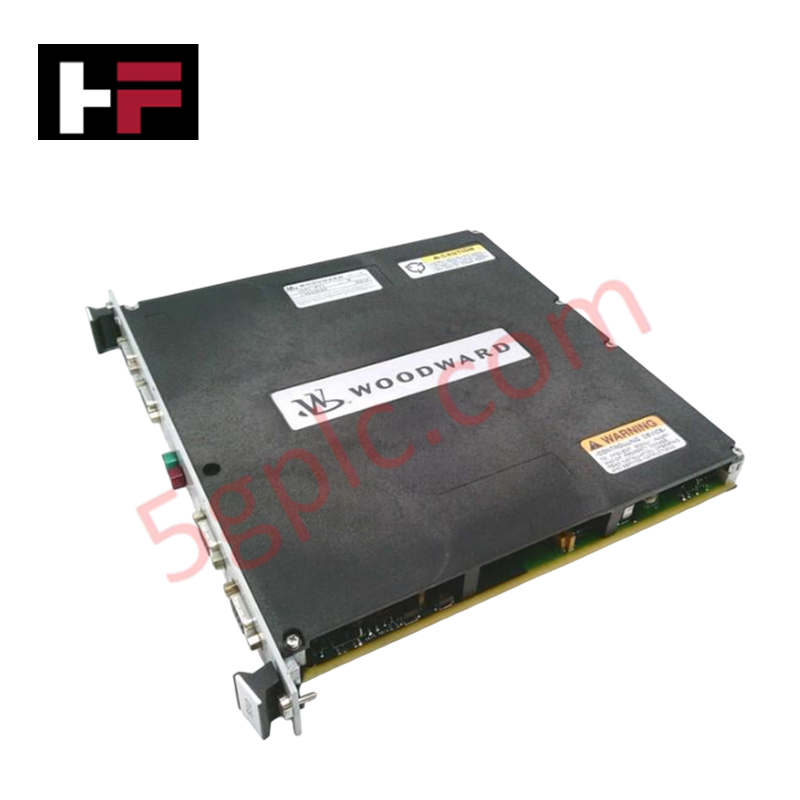
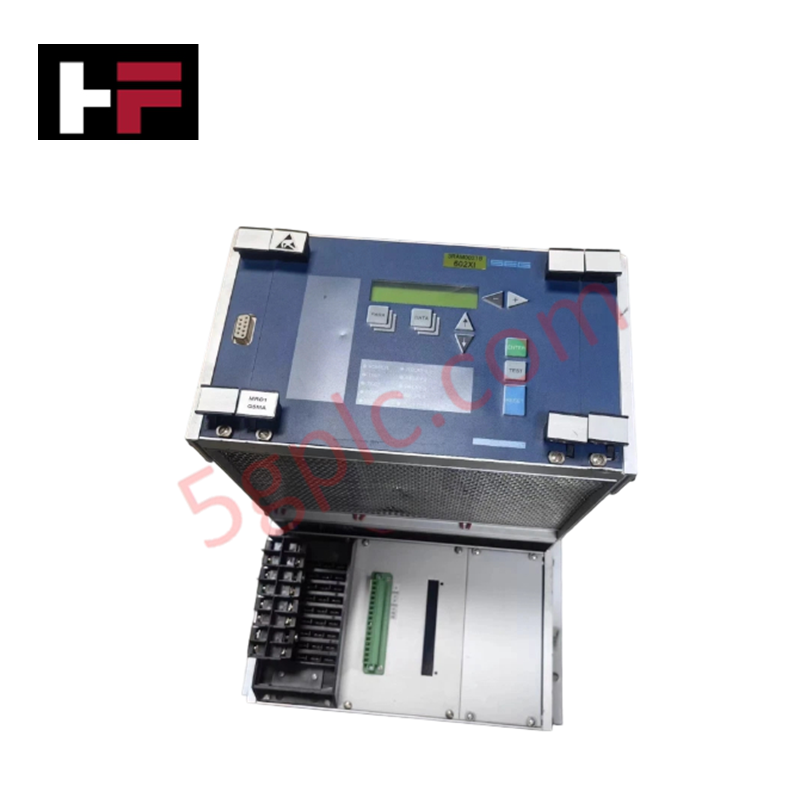
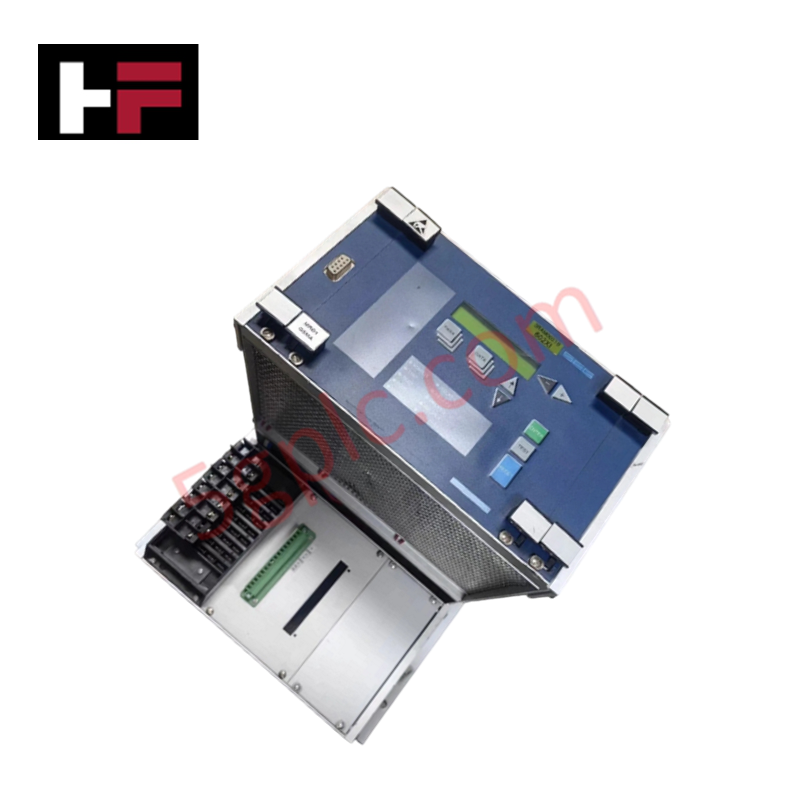
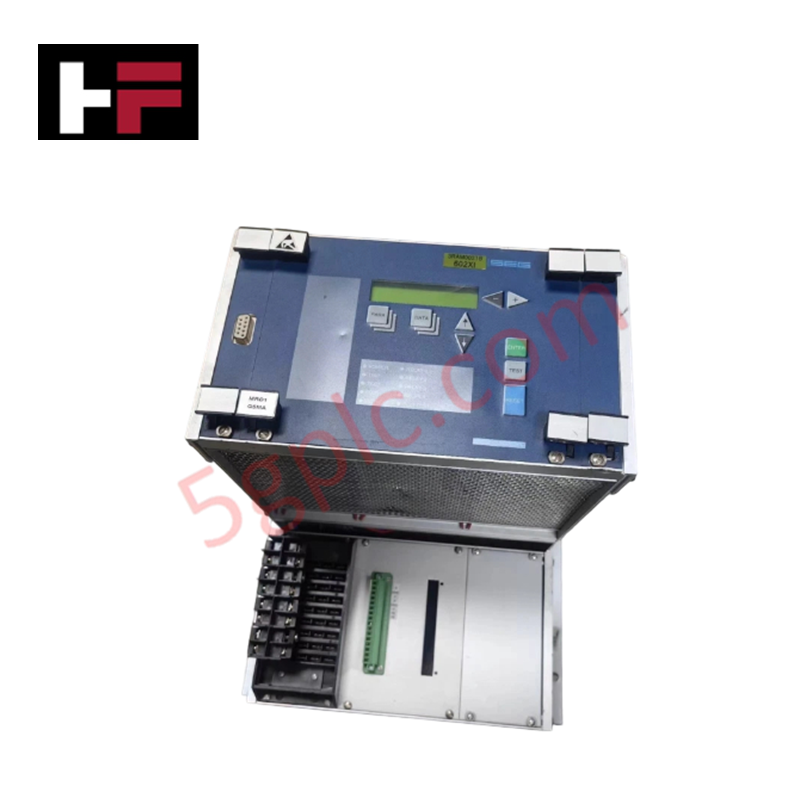
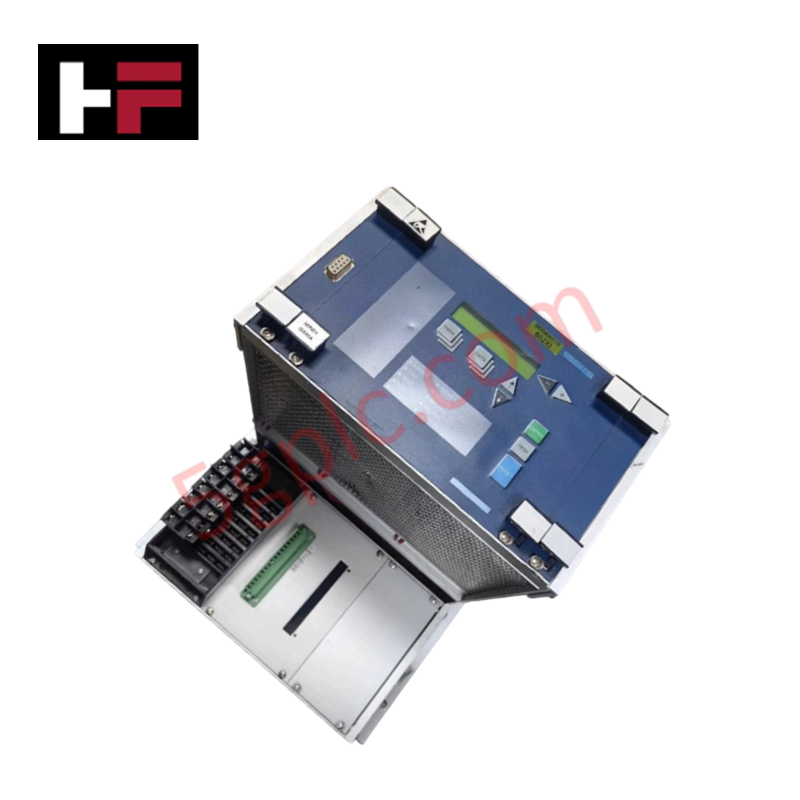
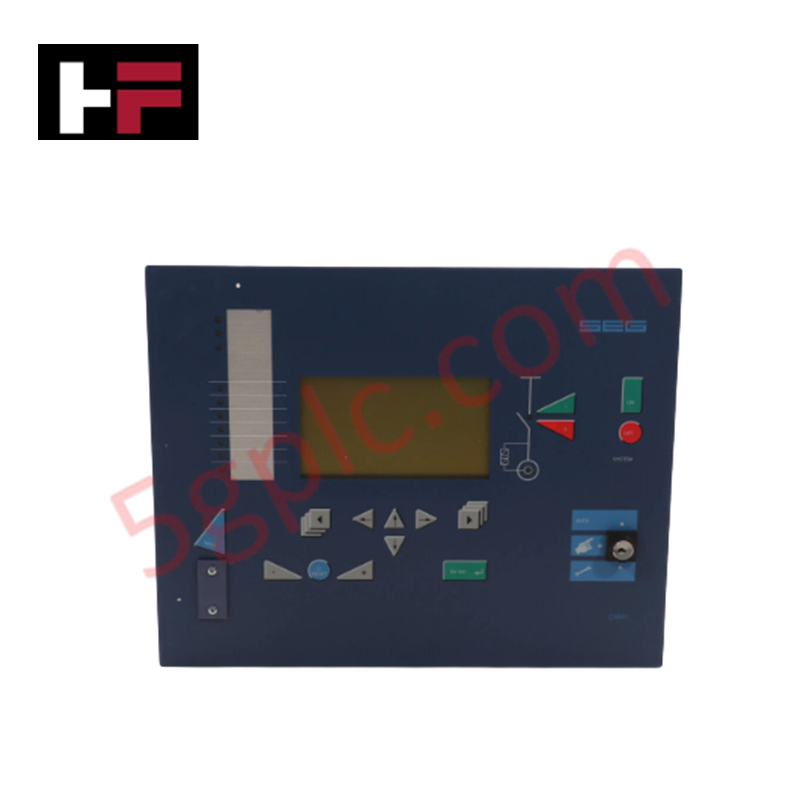
Configured for generator synchronization and phase alignment in parallel power systems, the Woodward 9907-028 (9907-028 Synchronizer) provides direct physical/electrical execution of generator speed matching and breaker closure signaling.
Hardware Specifications
| Parameter | Specification |
|---|---|
| Model | 9907-028 |
| Brand | Woodward |
| Weight | 2.2 kg (5 lbs) |
| Dimensions | Not specified |
| Operating Temp | -45 to 70 deg C |
| Power Consumption | 5 W |
| Voltage Input | 115/230 VAC RMS (+/- 10%) |
| Frequency | 50/60 Hz |
| Phase Angle | +/- 10 deg |
Actuator Loop Feedback Response
The 9907-028 synchronizer modulates prime mover rotational speed to align the generator phase angle within a +/- 10 deg window relative to the bus. To achieve a stable actuator loop feedback response, the device integrates adjustable dynamic settings that allow for precise tuning of the frequency correction output. The controller interfaces with external speed governors, such as the 2301 or EPG series, to influence engine speed without performing voltage matching. The internal logic provides four selectable operational modes—RUN, CHECK, PERMISSIVE, and OFF—which dictate the synchronization behavior and the activation of the circuit breaker closure signals.
Frequently Asked Questions
Q: Does the 9907-028 perform automatic voltage matching during synchronization?
A: No, this model does not feature voltage matching capabilities. It focuses exclusively on phase angle and frequency matching to facilitate parallel operation.
Q: How do the different operational modes (RUN, CHECK, PERMISSIVE) affect synchronization?
A: RUN mode enables full synchronization and breaker closure signals. CHECK mode performs synchronization calculations but inhibits breaker closure. PERMISSIVE mode allows synchronization monitoring but restricts the unit from modifying the engine speed.
Field Installation Guidelines
- Mounting: Install the synchronizer within a switchgear enclosure. Ensure adequate ventilation to maintain operation within the rated -45 to 70 deg C range, though optimal stability is observed between 10 deg C and 30 deg C.
- Wiring: Use shielded cabling for all sensing inputs (bus/generator voltage) and control outputs to prevent electrical noise interference.
- Switch Configuration: Install a user-defined multi-position switch to toggle between the four operational states. Verify the wiring of the switch inputs corresponds to the desired mode definitions (RUN, CHECK, PERMISSIVE, OFF).
- Validation: During initial commissioning, monitor the phase angle error and frequency drift. Adjust internal dynamic settings as necessary to achieve smooth synchronization without excessive speed hunting or oscillation before breaker closure.
Additional Information
- 100% Genuine Parts: All products are original and authentic, ensuring reliable industrial performance.
- 30-Day Refund Guarantee: Return any in-stock item within 30 days in original, unopened packaging for a full refund (excluding shipping and fees).
- 12-Month Warranty: Covers defects in materials or workmanship; excludes misuse, normal wear, or unauthorized modifications.
- Worldwide Shipping: We ship via USPS, UPS, FedEx, and DHL. Delivery times vary by country and may be subject to customs or import fees.
- Support & Contact: Technical and warranty assistance is available anytime. Contact us here: Contact.
- Purchase Guidance: Check product specifications and compatibility carefully before ordering to ensure proper application.
Tech & Buying Guide

Wellhead Control Panel (WHCP) Architecture in Oil and Gas Automation
Upstream oil and gas operations rely on specialized field control platforms to manage wellhead extraction safety and hydraulic actuation. A Wellhead Control Panel (WHCP) serves as a dedicated hydraulic and pneumatic power unit designed to operate critical Christmas Tree isolation valves. By interfacing field safety components directly with Programmable Logic Controller (PLC) architecture, a WHCP protects upstream extraction assets against overpressure, catastrophic leaks, and thermal emergencies.

Understanding Marshalling Cabinets in Industrial Control Systems Architecture
Industrial control system deployments rely on structured signal distribution to bridge field instrumentation with central processing hardware. A marshalling cabinet serves as the vital intermediate connection point between heavy field home-run multi-pair cables and delicate input/output (I/O) modules housed inside Programmable Logic Controller (PLC) or Distributed Control System (DCS) enclosures. By segregating field cable terminations from control hardware, engineers maintain system flexibility, safeguard controller components, and streamline commissioning workflows.

FAT vs SAT in Industrial Control Systems: Key Differences and Execution Guide
Industrial control system deployment relies on strict verification protocols to guarantee operational safety, system stability, and regulatory compliance. Commissioning complex Programmable Logic Controller (PLC) racks, Distributed Control Systems (DCS), and Safety Instrumented Systems (SIS) requires two critical milestones: the Factory Acceptance Test (FAT) and the Site Acceptance Test (SAT). Both procedures validate that system automation meets design specifications, but they occur at different stages of project execution and target distinct operational risks.