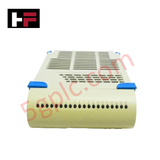
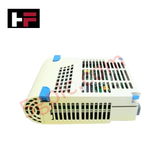
Product Details
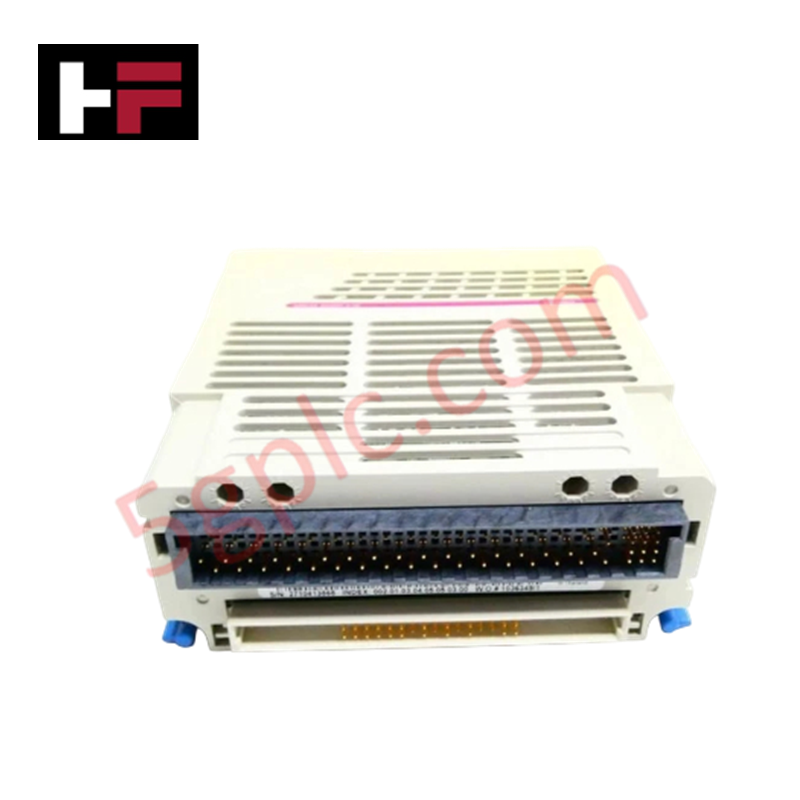
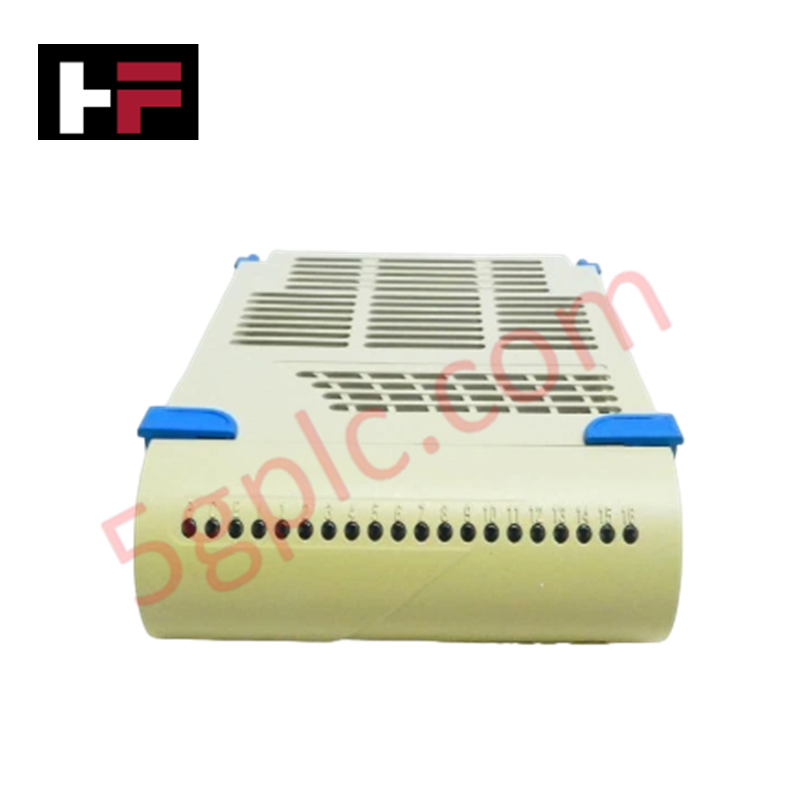
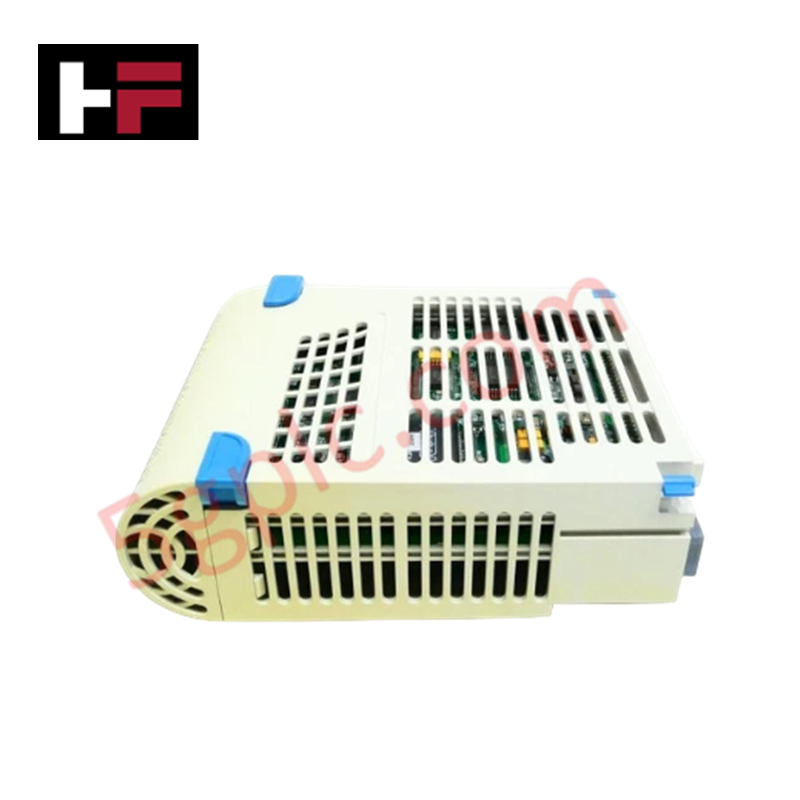
Configured for high-speed signal processing in Ovation distributed control systems, the Westinghouse Ovation 1C31233G02 (1C31233G02 Digital I/O Module) provides direct physical electrical execution for monitoring and controlling binary field states. The module supports bi-directional communication, facilitating the exchange of logic-level data between industrial sensors and the host controller platform.
Hardware Specifications
| Parameter | Specification |
|---|---|
| Model | 1C31233G02 |
| Brand | Westinghouse |
| Origin | USA |
| Weight | 0.35 kg |
| Dimensions | 150 mm x 100 mm x 30 mm |
| Operating Temp | -40 to 70 deg C |
| Power Consumption | 5 W |
| Power Supply | 24 / 48 VDC |
| Data Bus Speed | 1 Mbps |
I/O Density Scaling and Network Determinism
The 1C31233G02 architecture supports I/O density scaling, allowing for configuration in redundant pairs to maintain system availability during hardware failure events. The module manages deterministic network communication via Modbus, HART, and Profibus DP protocols, maintaining a backplane bus communication velocity of 1 Mbps. These features ensure synchronized data acquisition and command output, permitting the controller to execute precise timing-sensitive logic across multiple I/O nodes without latency degradation.
Frequently Asked Questions (FAQ)
Q: Does the 1C31233G02 support hot-swapping in a redundant pair configuration?
A: Yes, the module is designed for hot-swap capability. When configured in a redundant pair, the standby module assumes control upon the removal or failure of the primary module without interrupting the process loop.
Q: How is the security access level managed on this module?
A: The module implements internal security protocols that restrict unauthorized firmware modification and unauthorized read/write access to the I/O data registers via the communication bus.
Field Installation Guidelines
- Ensure the control rack backplane is powered down before module insertion to prevent transient electrical stresses.
- Align the module with the chassis guides and seat the backplane connector fully to establish a low-resistance interface.
- Secure the module using the top and bottom captive fasteners to prevent mechanical displacement in high-vibration environments.
- Route field wiring through segregated cable troughs, maintaining a physical distance from high-voltage AC lines to minimize electromagnetic interference (EMI).
- Terminate all signal wiring at the I/O terminal block and verify that field-side common references are appropriately bonded to the cabinet ground bus.
Additional Information
- 100% Genuine Parts: All products are original and authentic, ensuring reliable industrial performance.
- 30-Day Refund Guarantee: Return any in-stock item within 30 days in original, unopened packaging for a full refund (excluding shipping and fees).
- 12-Month Warranty: Covers defects in materials or workmanship; excludes misuse, normal wear, or unauthorized modifications.
- Worldwide Shipping: We ship via USPS, UPS, FedEx, and DHL. Delivery times vary by country and may be subject to customs or import fees.
- Support & Contact: Technical and warranty assistance is available anytime. Contact us here: Contact.
- Purchase Guidance: Check product specifications and compatibility carefully before ordering to ensure proper application.




Tech & Buying Guide

Importance of Safety Barriers in PLC and DCS Control Systems

Static UPS vs. Rotary UPS: Technical Evaluation for Industrial Automation