










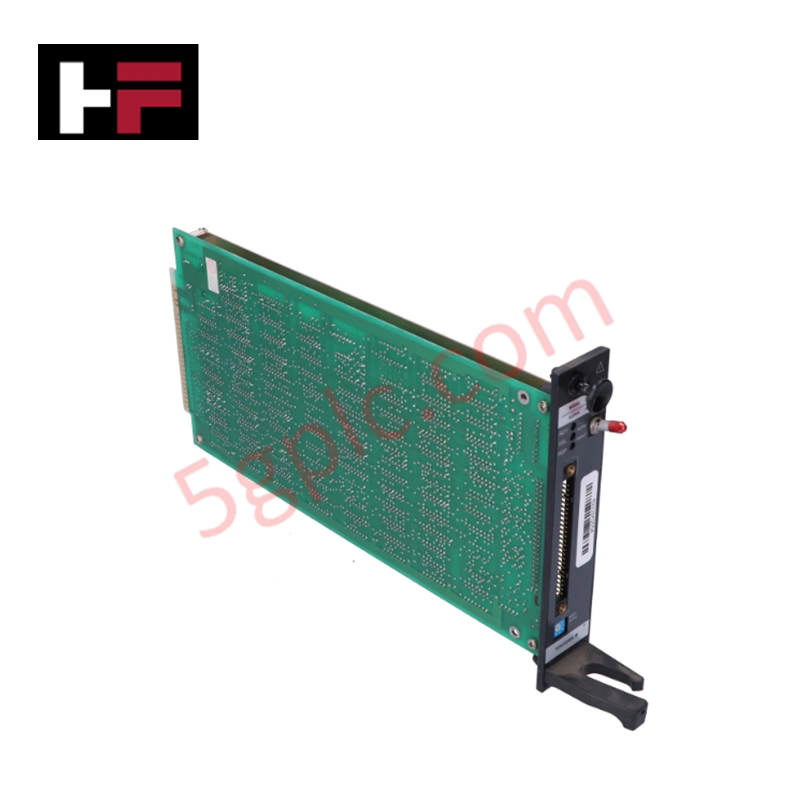
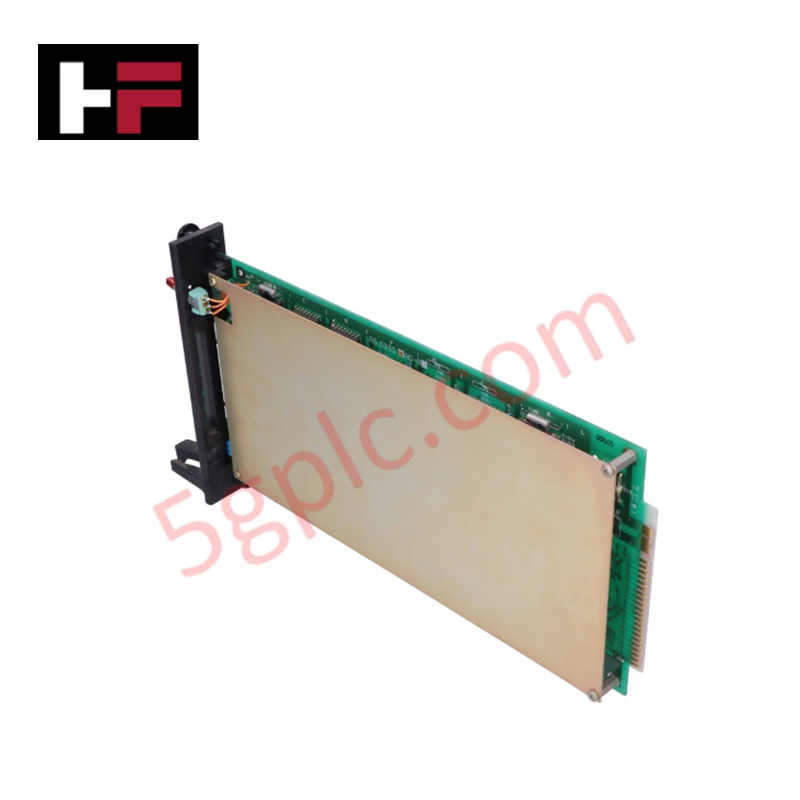
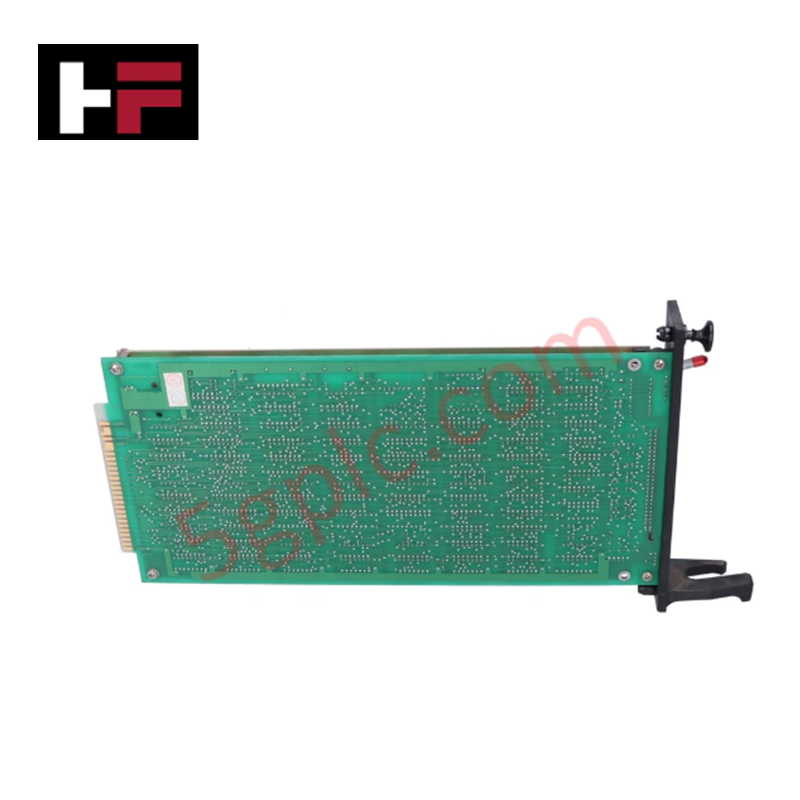
Product Details
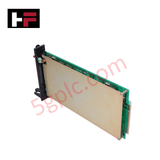
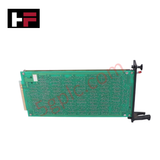
The Yokogawa NC4*B serves as the primary NC4 Nest Common Card utilized to execute communication gateway functions and local node signal management across CENTUM VP and ProSafe-RS platforms. The unit establishes a physical link between field-level digital or analog I/O modules and upper-level controllers, enabling deterministic data frame routing and real-time execution of automation logic over system backplane buses.
Suffix Breakdown & Model Matrix
| Code Element | Specification / Description |
|---|---|
| NC4 | Base model designation for node control and nest common card series |
| *B | Style code Revision B specifying physical circuit layout, terminal assembly, and embedded firmware revisions |
Hardware Specifications
| Parameter | Specification |
|---|---|
| Model | NC4*B |
| Brand | Yokogawa |
| Origin | Japan |
| Weight | 0.45 kg |
| Dimensions | 130 mm x 100 mm x 35 mm |
| Operating Temp | -20 deg C to 60 deg C |
| Power Consumption | 24 VDC nominal |
| Processing Architecture | Embedded CPU with high-speed system bus interface |
| System Compatibility | Yokogawa CENTUM VP, ProSafe-RS |
Process Control Architecture and Signal Isolation
The NC4*B processes 4-20 mA HART loop protocol parameters across field instrumentation loops, interfacing directly with distributed control system backplanes. Galvanic channel-to-channel isolation prevents electrical ground loops and suppresses high-frequency noise transients across signal channels. For temperature processing, the card incorporates cold junction compensation (CJC) logic for connected thermocouple inputs, mitigating ambient temperature variations. An embedded CPU manages watchdog timing cycles and autonomous hardware diagnostic logging, initiating safe-state logic execution upon detecting scan cycle anomalies.
Frequently Asked Questions
Q: How does the internal watchdog timer on the NC4*B maintain node stability during logic execution faults?
A: The watchdog timer tracks CPU scan execution times. If logic processing exceeds programmed thresholds due to hardware failure or software hangs, the timer logs a diagnostic fault and forces associated I/O channels into pre-configured safe states.
Q: What requirements must be verified before hot-swapping the NC4*B module in an active rack?
A: Hot-swapping requires confirming that the redundant node control card is fully online, synchronized, and actively handling communication traffic before extracting the target card from the chassis slot.
Q: What physical communication interfaces are hosted directly on the NC4*B board assembly?
A: The module includes a high-speed proprietary backplane bus interface for local slot-to-slot communication and dedicated Ethernet ports for auxiliary networking and engineering access.
Field Installation Guidelines
- Slot Insertion: Align the card edge guides with the designated slot in the control rack. Slide the NC4*B module inward until the backplane pin assembly fully seats, then engage the mechanical lock.
- Grounding & Shielding: Terminate all system bus and Ethernet cable shields to the main cabinet functional earth (FE) bus bar at a single entry point to prevent electromagnetic noise coupling.
- Power Verification: Ensure the 24 VDC primary power supply output stays within nominal tolerance before energizing the module assembly.
- Redundancy Validation: Following hardware replacement, use the engineering software suite to verify node link status and dual-bus path synchronization before returning the loop to active control.
Additional Information
- 100% Genuine Parts: All products are original and authentic, ensuring reliable industrial performance.
- 30-Day Refund Guarantee: Return any in-stock item within 30 days in original, unopened packaging for a full refund (excluding shipping and fees).
- 12-Month Warranty: Covers defects in materials or workmanship; excludes misuse, normal wear, or unauthorized modifications.
- Worldwide Shipping: We ship via USPS, UPS, FedEx, and DHL. Delivery times vary by country and may be subject to customs or import fees.
- Support & Contact: Technical and warranty assistance is available anytime. Contact us here: Contact.
- Purchase Guidance: Check product specifications and compatibility carefully before ordering to ensure proper application.


Tech & Buying Guide

Understanding Siemens PLC Memory Cards: MMC, SMC, and SD Solutions in Industrial Automation
Memory management plays a pivotal role in maintaining control system reliability across modern manufacturing plants. Industrial control systems rely on specialized memory cards to store project logic, firmware updates, and retentive system data. Siemens uses several memory architectures, including Micro Memory Cards (MMC) and SIMATIC Memory Cards (SMC). Engineers must understand these hardware variations to ensure zero data loss and minimize downtime during maintenance routines.

Redefining Control Systems: The Rise of Flexible I/O Modules in Industrial Automation
Conventional input-output architectures often limit engineering agility and inflate long-term inventory costs. Today, Flexible Input/Output Modules (FIOM) are transforming how control system engineers design, commission, and maintain automation infrastructure. By allowing individual channel software configuration, FIOM technology bridges the gap between rigid hardware design and dynamic plant requirements.

Understanding Modern SCADA Systems: Architecture, Communication Topologies, and Industrial Applications
Supervisory Control and Data Acquisition (SCADA) systems form the digital backbone of modern industrial automation. They collect critical field data, transmit signals across vast distances, and empower plant operators with real-time process visibility. Across modern infrastructures, SCADA solutions streamline centralized control and maintain continuous operational uptime.