












Product Details
Product Overview
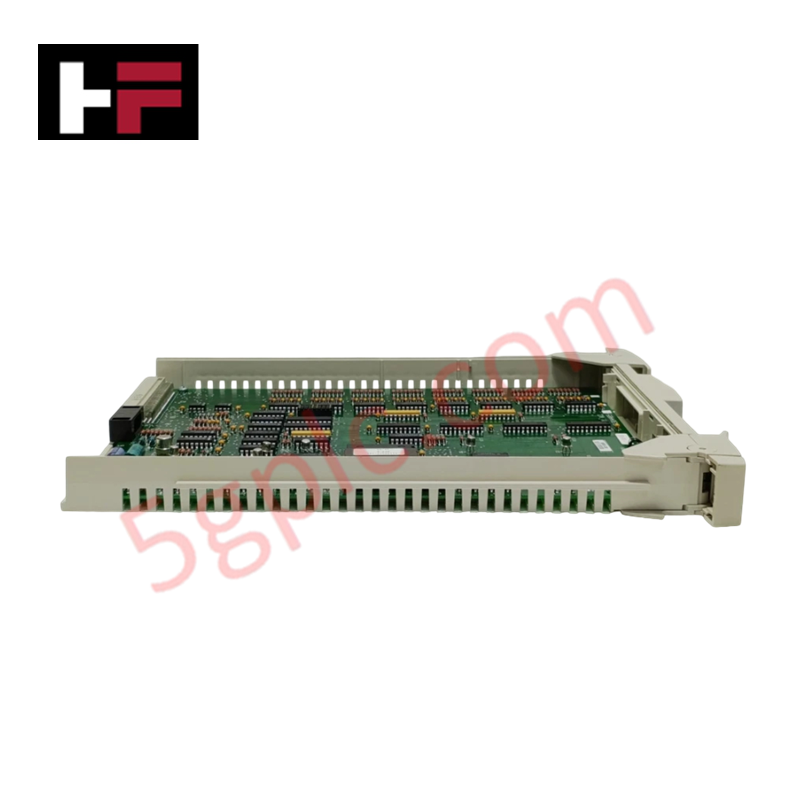
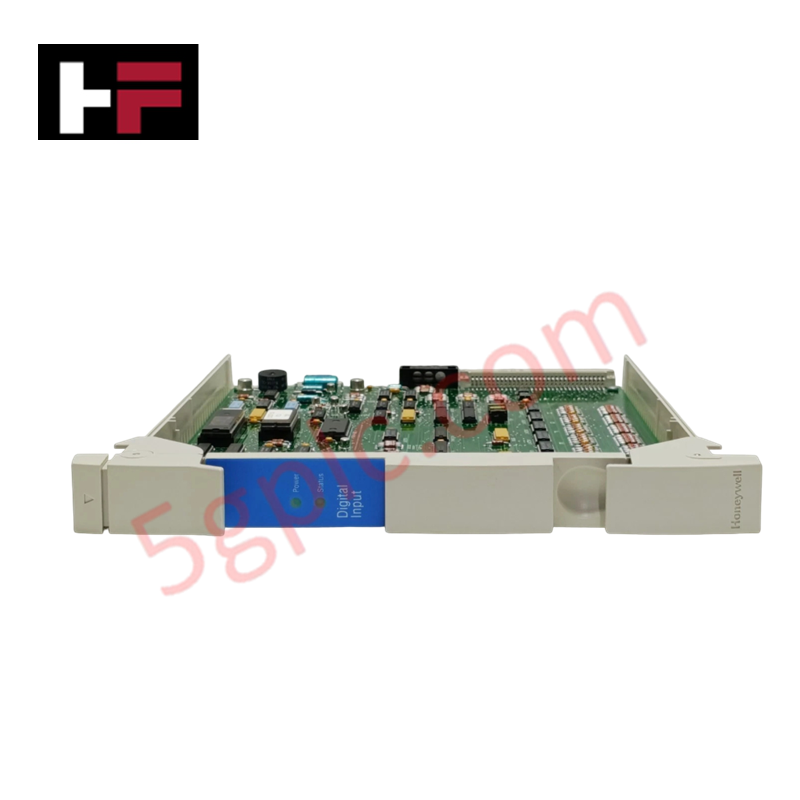
The Honeywell MU-PDIX02 (Part Number: 51304485-100) serves as a high-density Digital Input Processor Printed Wire Assembly (PWA) within the Honeywell TDC 3000 ecosystem. This module executes the critical task of monitoring discrete field states—such as limit switches, push buttons, and motor contactors—and translating them into logic-level data for the High-Performance Manager (HPM). We provide this component as 100% Brand New Original equipment, ensuring zero-latency signal acquisition for your plant's control hierarchy.
Technical Specifications
The MU-PDIX02 incorporates specialized circuitry designed for the rigorous timing requirements of large-scale distributed control systems:
| Feature | Specification Details |
| Manufacturer | Honeywell |
| Model Number | MU-PDIX02 |
| Part Number | 51304485-100 |
| PWA Type | Digital Input (DI) Processor (D/D)-CRP |
| System Compatibility | TDC 3000 / HPM / APM |
| Function | Discrete Signal Processing & Logic Translation |
| Shipping Weight | 4 kg (Includes protective industrial packaging) |
| Condition | 100% Brand New Original |
Engineering Advantages
-
High-Speed Signal Sampling: The MU-PDIX02 utilizes advanced onboard logic to sample field inputs at micro-intervals. This rapid detection ensures the control system captures transient state changes, preventing missed interlocks in high-speed sequence operations.
-
Hardware-Based Debouncing: Integrated circuitry filters out mechanical contact bounce from field switches. By cleaning the signal at the processor level, the module prevents "chatter" from triggering false alarms or unnecessary controller interrupts.
-
Backplane Power Efficiency: The module optimizes power consumption from the I/O rack backplane. This low thermal footprint allows for maximum module density within a single card file without exceeding the cooling capacity of standard cabinet fans.
-
Seamless CRP Integration: As a (D/D)-CRP designated assembly, this processor maintains full synchronization with redundant HPM configurations, ensuring that secondary processors receive identical input data for bumpless failover.
FAQs
-
Does the MU-PDIX02 51304485-100 support redundant configurations?
Yes. This processor supports fully redundant I/O link architectures. When paired with a second MU-PDIX02, the system maintains continuous signal monitoring even if one processor assembly requires maintenance.
-
How does the 4 kg shipping weight compare to the actual board weight?
The PWA itself is lightweight; however, we utilize heavy-duty ESD (Electrostatic Discharge) shielding and reinforced industrial cushioning for shipping. This ensures the precision electronics survive the vibrations and impacts of global logistics.
-
What is the primary difference between this and older DI processors?
The 51304485-100 variant features updated component logic that offers better electromagnetic compatibility (EMC) and higher reliability under continuous 24/7 duty cycles compared to early-generation TDC 3000 hardware.
-
Is this unit compatible with Experion PKS migrations?
While primarily a TDC 3000 component, many Experion PKS systems utilizing integrated HPM controllers continue to use the MU-PDIX02. Verify your specific I/O link software version to ensure full driver compatibility.
Additional Information
- 100% Genuine Parts: All products are original and authentic, ensuring reliable industrial performance.
- 30-Day Refund Guarantee: Return any in-stock item within 30 days in original, unopened packaging for a full refund (excluding shipping and fees).
- 12-Month Warranty: Covers defects in materials or workmanship; excludes misuse, normal wear, or unauthorized modifications.
- Worldwide Shipping: We ship via USPS, UPS, FedEx, and DHL. Delivery times vary by country and may be subject to customs or import fees.
- Support & Contact: Technical and warranty assistance is available anytime. Contact us here: Contact.
- Purchase Guidance: Check product specifications and compatibility carefully before ordering to ensure proper application.


Tech & Buying Guide
Demystifying Programmable Logic Controllers: Comprehensive Guide to PLC Classification and Selection in Industrial Automation
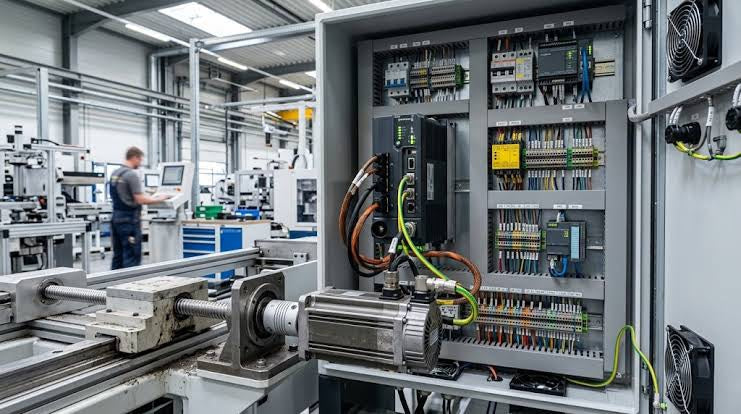
Modern industrial automation heavily relies on Programmable Logic Controllers (PLCs) to drive factory floor efficiency. Over my 15 years as an industrial automation expert working with DCS, TSI, and control systems, I have seen PLCs evolve into the central nervous system of modern manufacturing. Selecting the right controller requires a deep understanding of PLC types based on physical size, hardware architecture, and power supply configurations.
Comprehensive Guide to PLC Types in Modern Industrial Automation
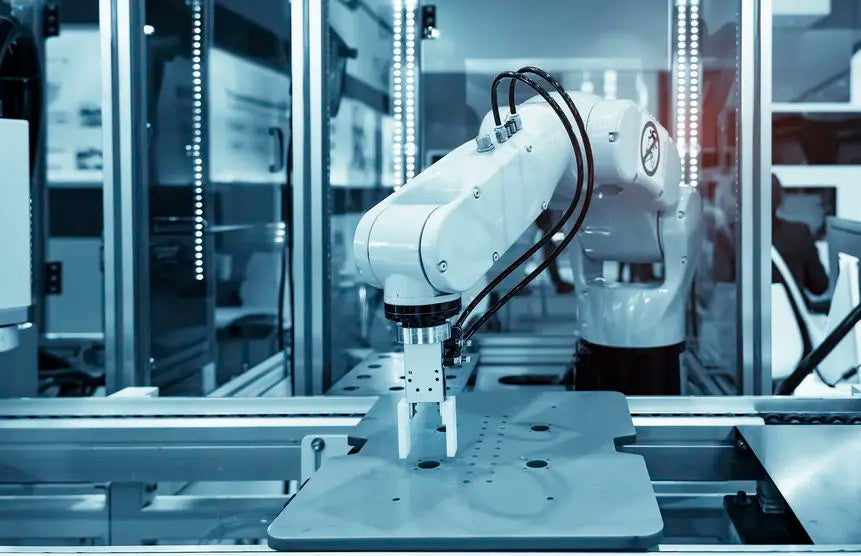
Modern industrial automation relies on programmable logic controllers to govern critical factory operations. System integrators classify PLCs based on scale, hardware architecture, and power supply design. Understanding these core categories enables automation engineers to select the right control system architecture. Consequently, proper hardware selection optimizes performance while minimizing long-term operational costs.

Demystifying the DDE Protocol in Legacy Industrial Automation Systems
Modern control systems rely heavily on seamless interprocess communication to exchange operational data between software programs. Microsoft first introduced the Dynamic Data Exchange (DDE) protocol in 1987 to enable real-time data sharing. In factory automation, DDE served as an early bridge between control software and Windows desktop applications. Therefore, understanding DDE mechanics provides crucial insights into how legacy industrial networks established software-level connectivity.