










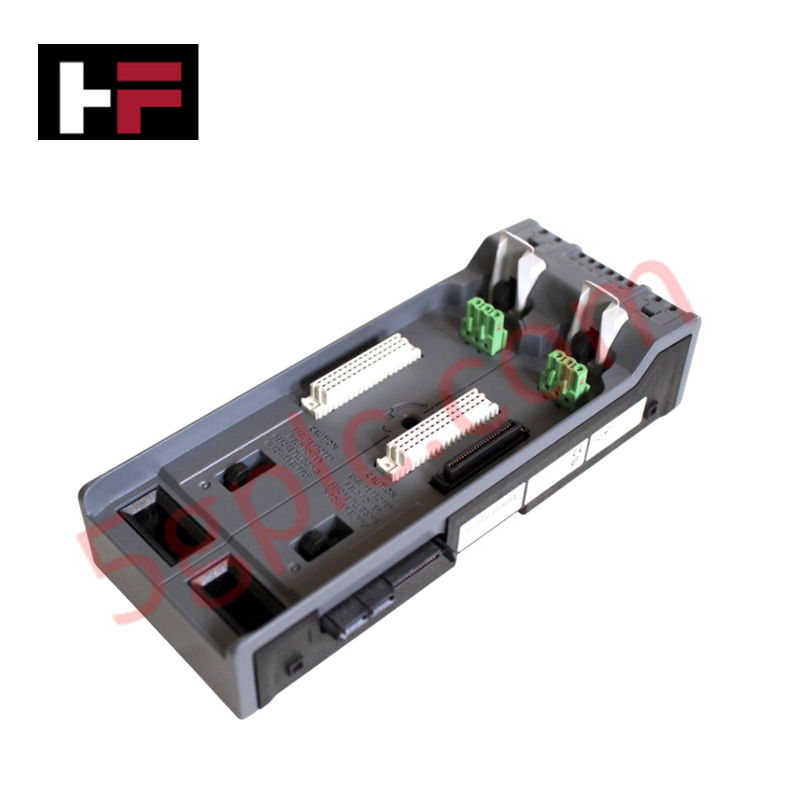
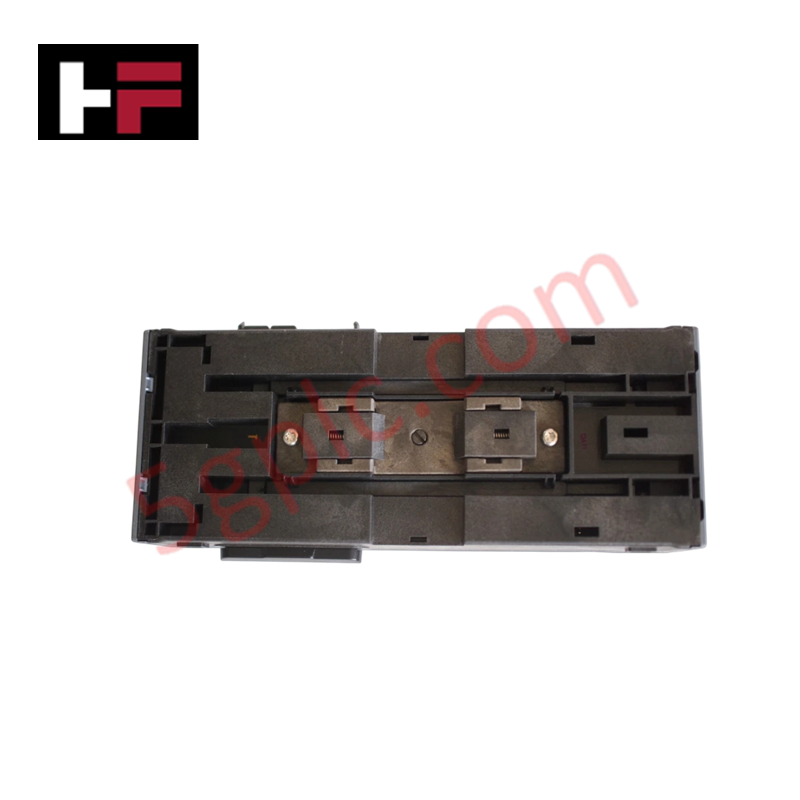
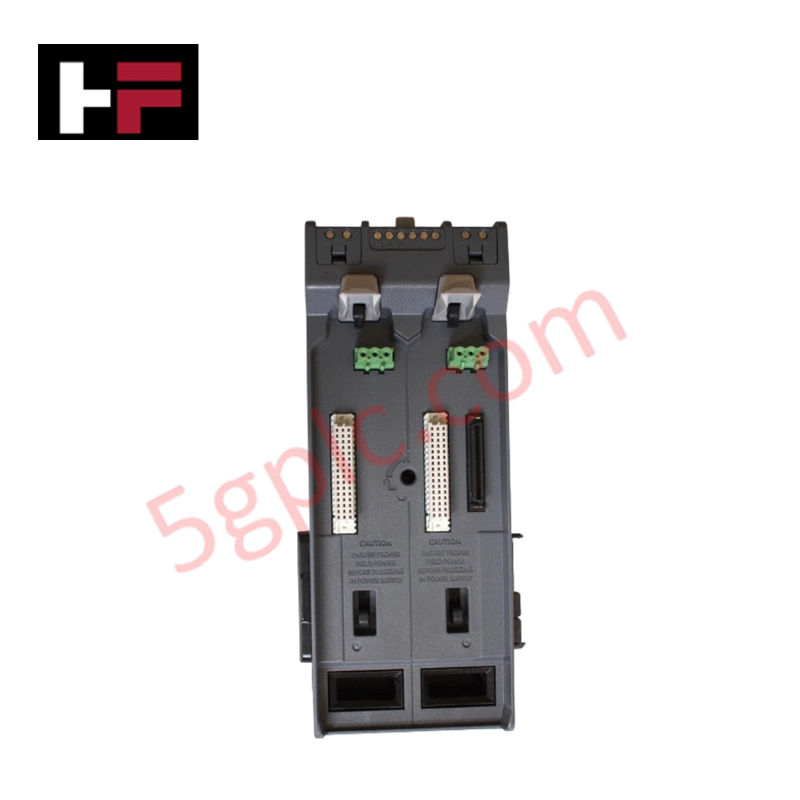
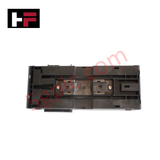
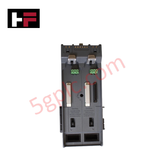
Product Details
Configured for power distribution and management in DeltaV control networks, the Emerson KJ4005X1-BA1 (KJ4005X1-BA1 2-Wide Power Controller Carrier) provides direct physical/electrical execution of bus power regulation and field power distribution.
Hardware Specifications
| Parameter | Specification |
| Model | KJ4005X1-BA1 |
| Brand | Emerson |
| Origin | USA |
| Weight | 0.5 kg (1.0 lb) |
| Dimensions | 10.2 cm x 22.9 cm x 6.3 cm |
| Operating Temp | -40 deg C to +70 deg C |
| Power Consumption | 12 VDC Local Bus / 30 VDC Field Power |
| Local Bus Power | 12 VDC at 15 A |
| Field Power | 30 VDC at 3 A per card |
Process Control: Channel-to-Channel Isolation
The KJ4005X1-BA1 carrier is engineered to maintain electrical separation between the local bus power and field power distribution paths. This architecture utilizes integrated galvanic isolation to prevent noise transmission from field-side actuator loops back to the primary controller bus. By maintaining strict dielectric boundaries and utilizing a low-impedance ground plane, the carrier ensures that transients or localized shorts in field circuits do not compromise the stability of the 12 VDC local bus. The design specifically supports high-density configurations, ensuring that isolation remains effective even under maximum load conditions of 15 A on the local bus and 3 A per card on the field power rails.
Frequently Asked Questions (FAQ)
Q: Can this carrier be used in high-corrosion environments?
A: Yes. The KJ4005X1-BA1 is certified to meet ISA-S71.04-1985 Class G3 standards for airborne contaminants, allowing for reliable operation in environments where corrosive gases are present, provided that standard enclosure sealing requirements are met.
Q: Is this carrier susceptible to performance degradation from mechanical vibration?
A: The carrier is rated for vibration resistance up to 1 mm peak-to-peak (2-13.2 Hz) and 0.7 g (13.2-150 Hz). Ensure that all module locking mechanisms are fully engaged and that the carrier is mounted on a rigid cabinet backplane to comply with these mechanical specifications.
Field Installation Guidelines
-
Mounting: Secure the carrier to the mounting surface using the provided fastener points. Ensure the carrier is oriented vertically to optimize natural convection and heat dissipation for the 12 VDC and 30 VDC power circuitry.
-
Grounding: Terminate the carrier chassis to the cabinet earth ground bus. A low-impedance grounding connection is mandatory to maintain the integrity of the integrated shield planes and protection against transient voltage spikes.
-
Wiring: Utilize properly sized conductors for the 30 VDC field power input to minimize voltage drop. All field power wiring must be segregated from low-level analog signal cabling to prevent inductive coupling.
-
Load Balancing: Verify that current draw from connected I/O cards does not exceed the 3 A limit per card on the field power rails. Monitor local bus loading to ensure total current remains within the 15 A rating.
Additional Information
- 100% Genuine Parts: All products are original and authentic, ensuring reliable industrial performance.
- 30-Day Refund Guarantee: Return any in-stock item within 30 days in original, unopened packaging for a full refund (excluding shipping and fees).
- 12-Month Warranty: Covers defects in materials or workmanship; excludes misuse, normal wear, or unauthorized modifications.
- Worldwide Shipping: We ship via USPS, UPS, FedEx, and DHL. Delivery times vary by country and may be subject to customs or import fees.
- Support & Contact: Technical and warranty assistance is available anytime. Contact us here: Contact.
- Purchase Guidance: Check product specifications and compatibility carefully before ordering to ensure proper application.


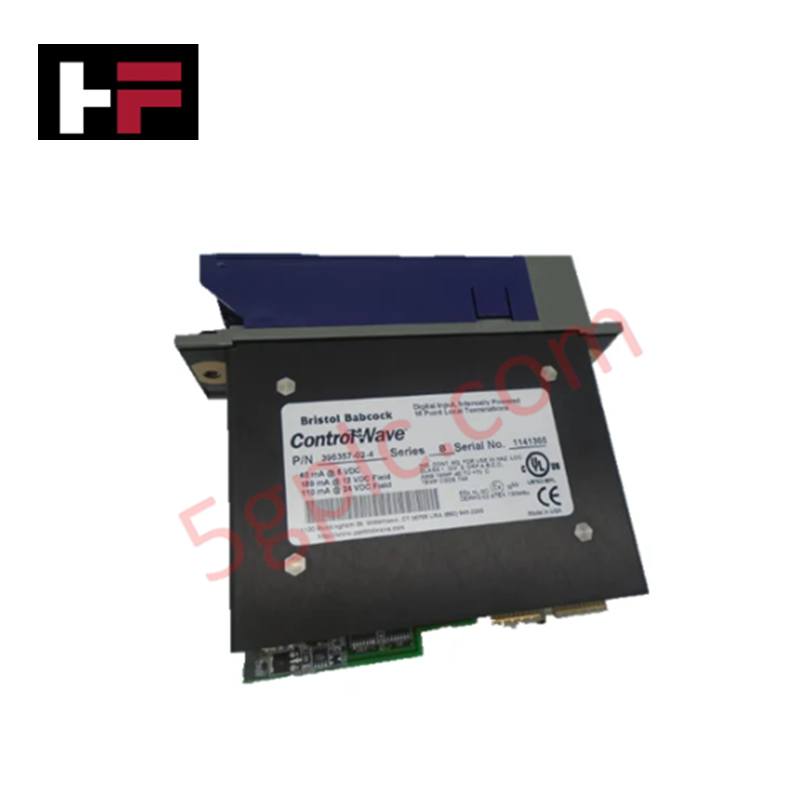


Tech & Buying Guide
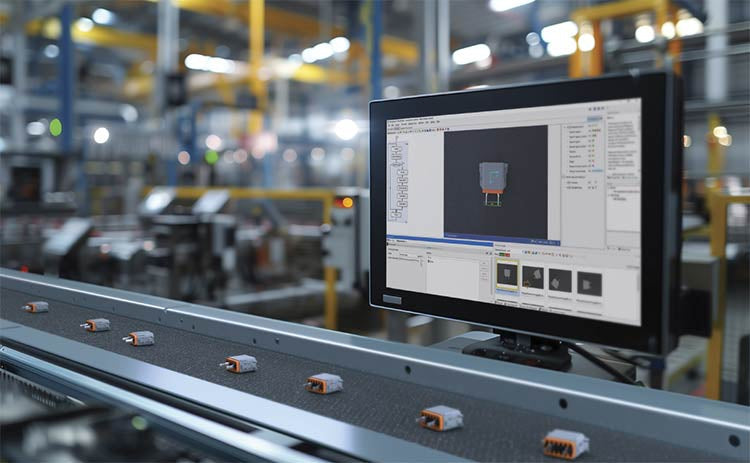
Modern Industrial Automation: Transforming Safety and Efficiency in Mining Operations
Industrial automation has evolved from a simple manufacturing tool into the operational backbone of high-risk sectors. Modern mining operations increasingly rely on advanced control systems, programmable logic controllers (PLCs), distributed control systems (DCS), and artificial intelligence to address deep-underground hazards. By replacing manual labor in high-risk zones, factory automation technologies protect personnel while significantly boosting operational throughput.

Step-by-Step System Cabinet Health Check Guide for PLC and DCS Infrastructure
