












Product Details
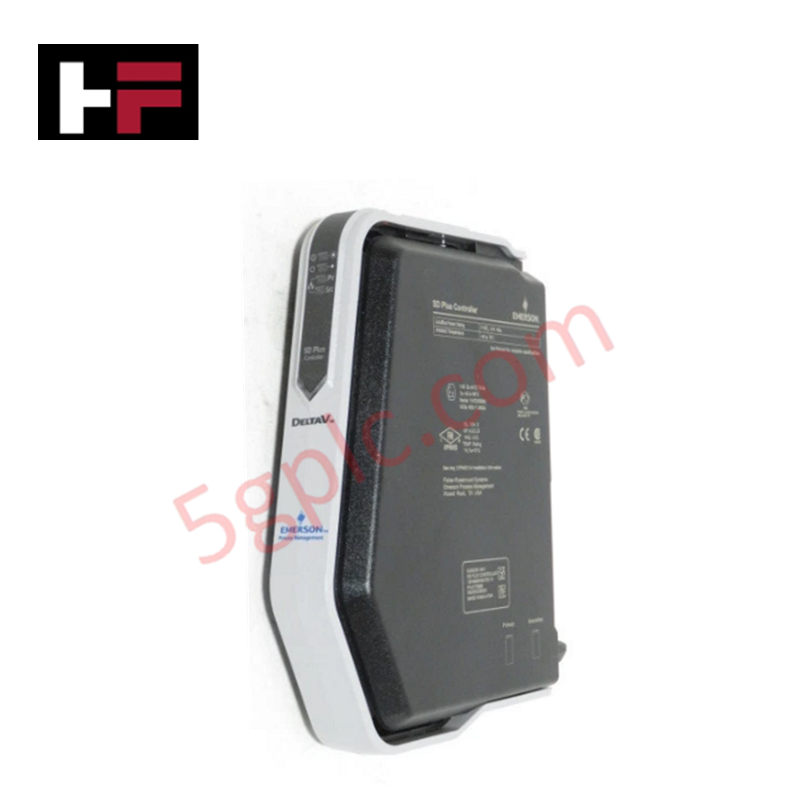
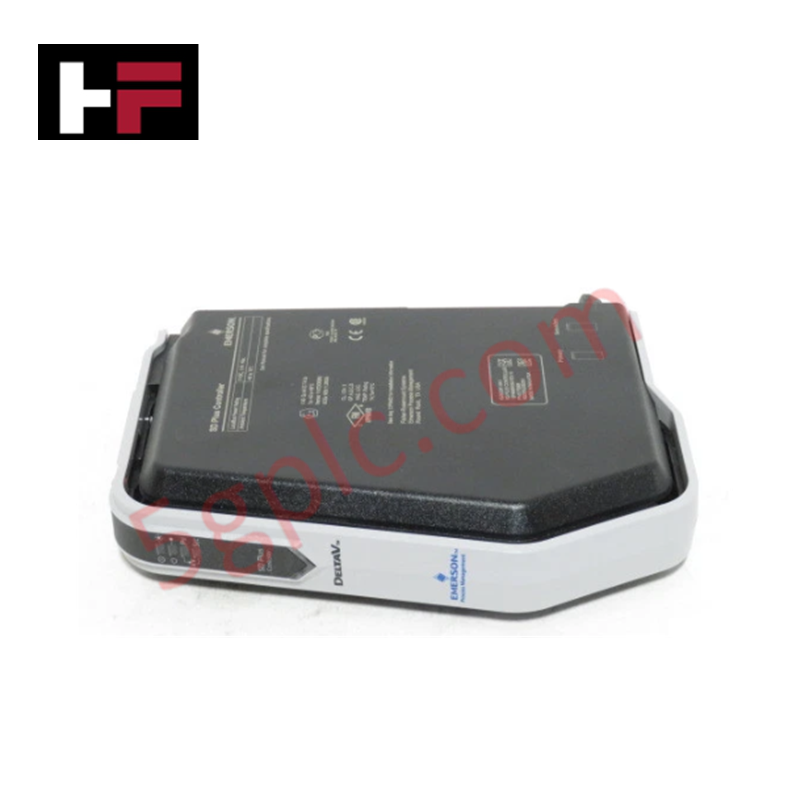
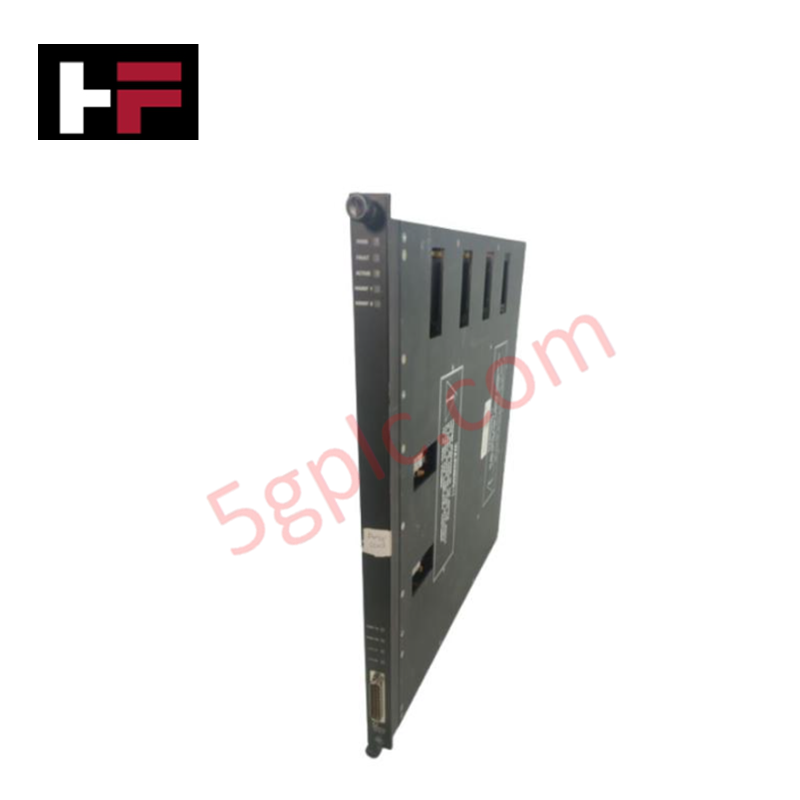
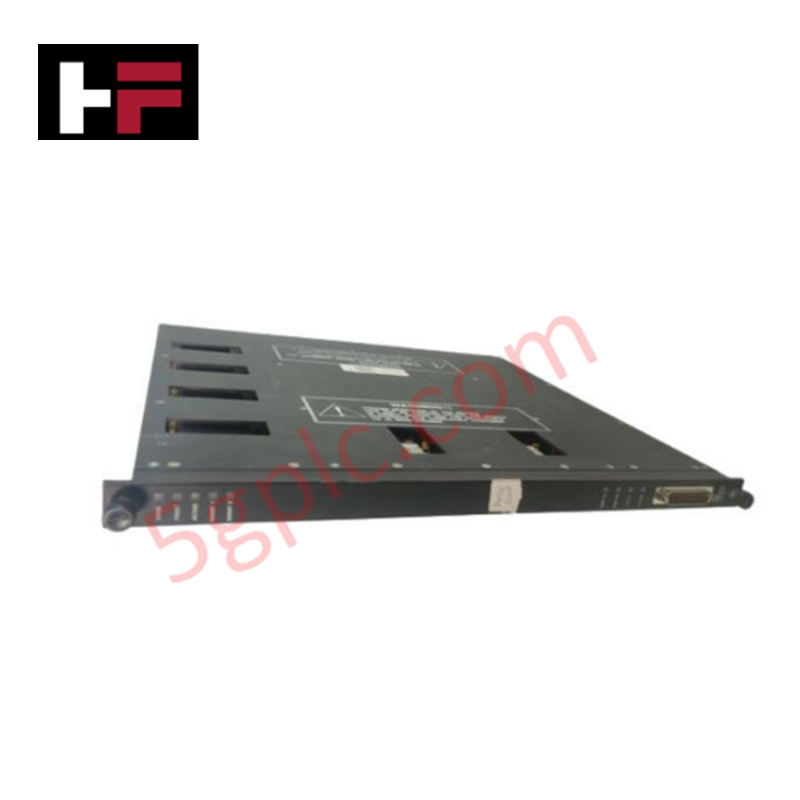
The Emerson KJ2003X1-BK1, also cataloged as the KJ2003X1-BK1 SD Plus Controller, operates as a dedicated hardware component for central process logic execution and localized sub-bus scheduling within DeltaV system topologies. This processing unit coordinates digital state calculations, interfaces directly with regional I/O network carriers, and establishes deterministic execution intervals across associated industrial instrument loops over the backplane array.
Hardware Specifications
| Parameter | Specification |
| Model | KJ2003X1-BK1 |
| Brand | Emerson |
| Origin | USA |
| Weight | 0.45 kg |
| Dimensions | Standard DeltaV controller carrier chassis footprint |
| Operating Temp | -40 deg C to +70 deg C |
| Power Consumption | 12 VDC at 75 mA (Local Bus Power) |
| Bussed Field Power | 24 VDC at 150 mA |
| Field Circuit Rating | 24 VDC at 5 mA per channel |
| Shock Resistance | 10g 1/2 sine wave for 11 ms |
| Vibration Resistance | 1 mm peak-to-peak from 2 to 13.2 Hz; 0.7g from 13.2 to 150 Hz |
Process Control Integration and Channel-to-Channel Isolation
Mechanical execution of this process control core component utilizes integrated physical boundary logic to isolate real-time processing tasks from field disruptions. The processor architecture operates alongside channel-to-channel isolation matrices engineered into the complementary I/O tracks, supporting stable 4-20 mA HART loop protocol routing. This electronic segregation prevents localized field loop anomalies, common-mode voltage fluctuations, or ground loop offsets from corrupting the internal logic processing registers or causing data drops across parallel operational tracks.
Frequently Asked Questions
Q: Does this central controller module support hot-swap exchange when the carrier baseplate is energized?
A: No. Primary controller modules require systematic switchover procedures or complete power isolation before physical removal. Extracting a simplex active processor directly triggers immediate system communication loss across the backplane bus.
Q: How is the 24 VDC field circuit current distribution managed by the hardware?
A: The controller tracks up to 150 mA of external bussed field power, allocating a restricted 5 mA maximum per channel through downstream interface layers to drive logic transitions without overwhelming the internal bus traces.
Field Installation Guidelines
-
Carrier Mechanical Alignment: Position the controller unit guide keys into the designated master slot tracks of the DeltaV installation carrier. Apply downward force perpendicular to the baseplate until the locking levers engage completely.
-
Grounding Connection Sequence: Connect all external communication shielding cables directly to the common master cabinet earth bar. Maintaining a single-point grounding matrix suppresses high-frequency noise from inducing errors into processing tasks.
-
Cable Separation Rules: Route all network communication and low-voltage signal infrastructure inside separate cable trunks away from high-power AC lines to prevent magnetic induction anomalies.
-
Thermal Environment Management: Maintain active internal cabinet air circulation when working under high ambient conditions approaching +70 deg C to prevent localized thermal pockets from exceeding the specified operational boundaries.
Additional Information
- 100% Genuine Parts: All products are original and authentic, ensuring reliable industrial performance.
- 30-Day Refund Guarantee: Return any in-stock item within 30 days in original, unopened packaging for a full refund (excluding shipping and fees).
- 12-Month Warranty: Covers defects in materials or workmanship; excludes misuse, normal wear, or unauthorized modifications.
- Worldwide Shipping: We ship via USPS, UPS, FedEx, and DHL. Delivery times vary by country and may be subject to customs or import fees.
- Support & Contact: Technical and warranty assistance is available anytime. Contact us here: Contact.
- Purchase Guidance: Check product specifications and compatibility carefully before ordering to ensure proper application.



Tech & Buying Guide

Understanding Root Causes of Unplanned PLC Stop Mode in Industrial Automation
Modern Programmable Logic Controllers manage execution through distinct operational states: Run, Stop, Start-Up, and Hold. During power-up, a controller initializes memory registers within Stop mode before briefly transitioning to Start-Up mode. During this phase, internal self-diagnostics evaluate system integrity across hardware and user programs. If the controller detects no critical faults, it enters Run mode to execute the control program continuously. However, any severe system anomaly forces the CPU back into Stop mode immediately to prevent erratic machine behavior across the plant floor.

Human-Machine Interface Design: Essential Guide to HMI Selection, Visualization, and Control System Integration
Human-Machine Interfaces (HMIs) serve as the primary operational window into complex industrial automation systems. Modern HMIs convert raw machine data into clear graphical displays, enabling operators to oversee entire manufacturing processes in real time. Instead of relying on physical control panels full of hardwired switches, engineers program interactive screens using intuitive graphics, dynamic color coding, and responsive touch interfaces. Over my 15 years in control systems engineering, I have observed HMIs transform from basic display screens into sophisticated command centers that drive operational efficiency across DCS and PLC environments.

Understanding Safety Relays in Industrial Automation: Architecture, Operation, and Functional Safety
Standard electromechanical relays provide basic electrical isolation between low-voltage control circuits and high-power output loads. A traditional switching relay features a magnetic coil driving mechanical Common (COM), Normally-Open (NO), and Normally-Closed (NC) contacts. However, standard relays pose severe functional risks when deployed in critical safety interlock circuits. High current inrush or mechanical wear can weld contacts together permanently. If contact welding occurs in an emergency stop circuit, pressing the button fails to halt hazardous machinery movements. Consequently, global functional safety standards prohibit standard relays for critical machine guarding functions.