










Product Details
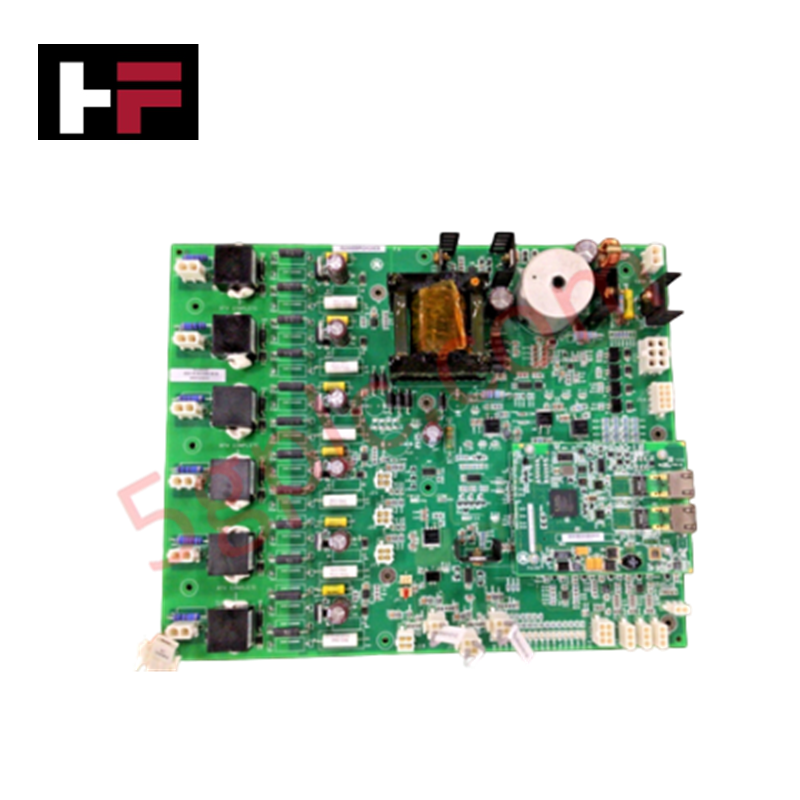
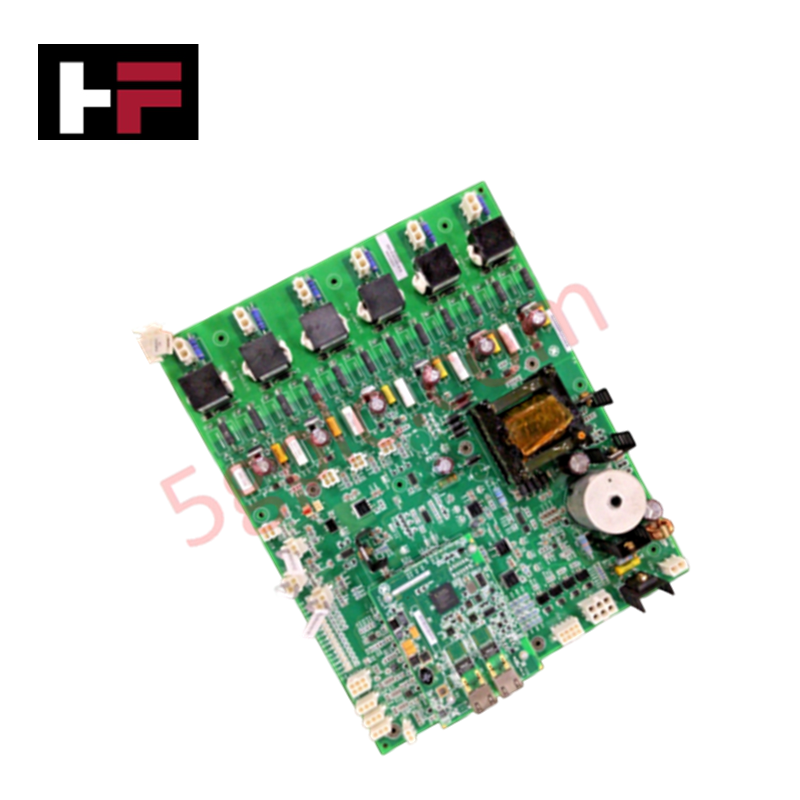
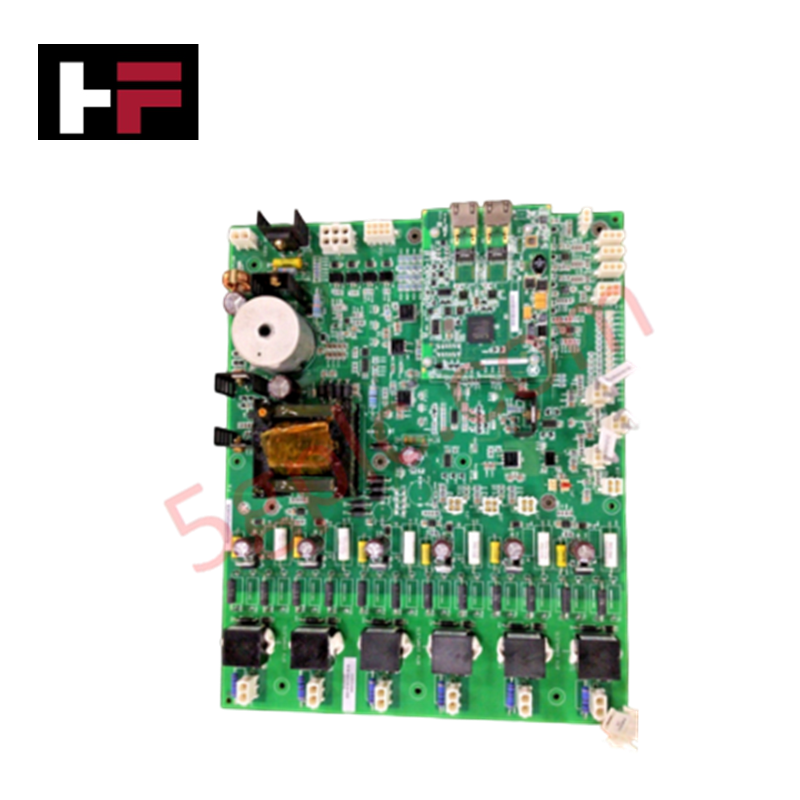
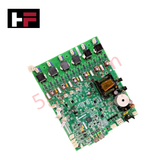
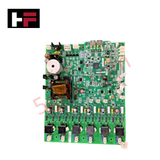
Configured for thyristor control in EX2100e excitation systems, the GE IS200EBRGH2A (IS200EBRGH2A Exciter Bridge Interface Board) provides direct physical and electrical execution of gate firing signal processing and bridge feedback monitoring.
Hardware Specifications
| Parameter | Specification |
|---|---|
| Model | IS200EBRGH2A |
| Brand | General Electric |
| Origin | USA |
| Weight | 2 lbs (0.91 kg) |
| Dimensions | 10.2 x 5.1 cm |
| Operating Temp | 0 to 60 deg C |
| Power Consumption | 125 VDC nominal |
| Analog Output | 0-20 mA |
| Compatibility | 42, 52, and 77 mm Thyristor Systems |
V/Hz and Field-Oriented Vector Control
The IS200EBRGH2A acts as a critical interface layer between the control processor and the power bridge, ensuring precise regulation of excitation current. By facilitating gate command distribution, the board supports the internal algorithms necessary for V/Hz and field-oriented vector control strategies within the generator excitation loop. The module is engineered to support various thyristor frame sizes (42 mm, 52 mm, and 77 mm), allowing for flexible adaptation to different power bridge architectures. Accurate actuator loop feedback response is maintained through the 0-20 mA analog output stage, ensuring synchronization between the exciter output and generator field requirements. The surface-mount technology utilized on the PCB minimizes parasitic inductance, reducing potential interference in high-speed gate pulse generation.
Frequently Asked Questions
Q: Can this board be used for thyristor systems outside of the specified 42 mm to 77 mm range?
A: No. The hardware is specifically indexed for compatibility with 42, 52, and 77 mm thyristor architectures. Use with incompatible bridge frame sizes may result in improper firing sequences or gate trigger failure.
Q: Is this board compatible with standard 24 VDC control power?
A: No. The IS200EBRGH2A requires a 125 VDC nominal power supply to operate its gate drive circuitry and bridge interface logic. Verification of the power supply voltage is necessary before energizing the board.
Field Installation Guidelines
- Mounting: Secure the board within the exciter bridge cabinet. Ensure the mounting standoffs provide adequate clearance from the power bridge busbars to prevent arcing or insulation degradation.
- Wiring: Use high-temperature, shielded signal wiring for all gate pulse connections. Maintain strict separation between low-voltage feedback signals and high-power DC/AC excitation lines to minimize EMI.
- Inspection: Prior to installation, confirm the thyristor system size matches the configuration of the IS200EBRGH2A. Inspect all connector pins for deformation or oxidation.
- Integration: Verify the 125 VDC supply polarity before connecting the power input. Once seated, perform a cold-loop check using the EX2100e diagnostic software to ensure all gate pulse channels communicate correctly with the main controller.
- Environment: Ensure the exciter cabinet cooling system is functional. The board is rated for 0 to 60 deg C; exceeding these limits can lead to thermal drift in the analog 0-20 mA feedback loop, causing excitation instability.
Additional Information
- 100% Genuine Parts: All products are original and authentic, ensuring reliable industrial performance.
- 30-Day Refund Guarantee: Return any in-stock item within 30 days in original, unopened packaging for a full refund (excluding shipping and fees).
- 12-Month Warranty: Covers defects in materials or workmanship; excludes misuse, normal wear, or unauthorized modifications.
- Worldwide Shipping: We ship via USPS, UPS, FedEx, and DHL. Delivery times vary by country and may be subject to customs or import fees.
- Support & Contact: Technical and warranty assistance is available anytime. Contact us here: Contact.
- Purchase Guidance: Check product specifications and compatibility carefully before ordering to ensure proper application.


Tech & Buying Guide

Optimizing Tank Level Control Using Proportional Algorithms in PLC Systems
Industrial automation engineers frequently encounter liquid level regulation challenges across diverse process plants. Traditional ON-OFF control mechanisms often disrupt system stability due to abrupt actuator switching. Therefore, upgrading to closed-loop architectures like proportional control yields smoother responses. In a typical PLC environment, such as Siemens TIA Portal, engineers utilize closed-loop feedback to minimize process errors without requiring full PID complexity.

Understanding Why Your PLC Enters Stop Mode: Causes and Troubleshooting
In industrial automation, programmable logic controllers (PLCs) serve as the core intelligence of modern factory automation and distributed control systems (DCS). Understanding how a PLC transitions between modes is vital for maintenance engineers. Typically, a PLC operates across four primary modes: Run, Stop, Start-Up, and Hold. When power is applied, the system immediately boots into Stop mode before initiating the Start-Up sequence. If the controller encounters a critical error during execution, it automatically reverts to Stop mode to prevent equipment damage. Therefore, monitoring these state transitions helps technicians maintain high system availability.

Comprehensive Guide to Servo Motor Drive Control Techniques in Industrial Automation
Precision motion control systems drive high-throughput manufacturing across modern industrial automation environments. Unlike standard induction motors running on basic variable frequency drives, servo motor systems deliver sub-millimeter positioning accuracy and fast dynamic response.