










Product Details
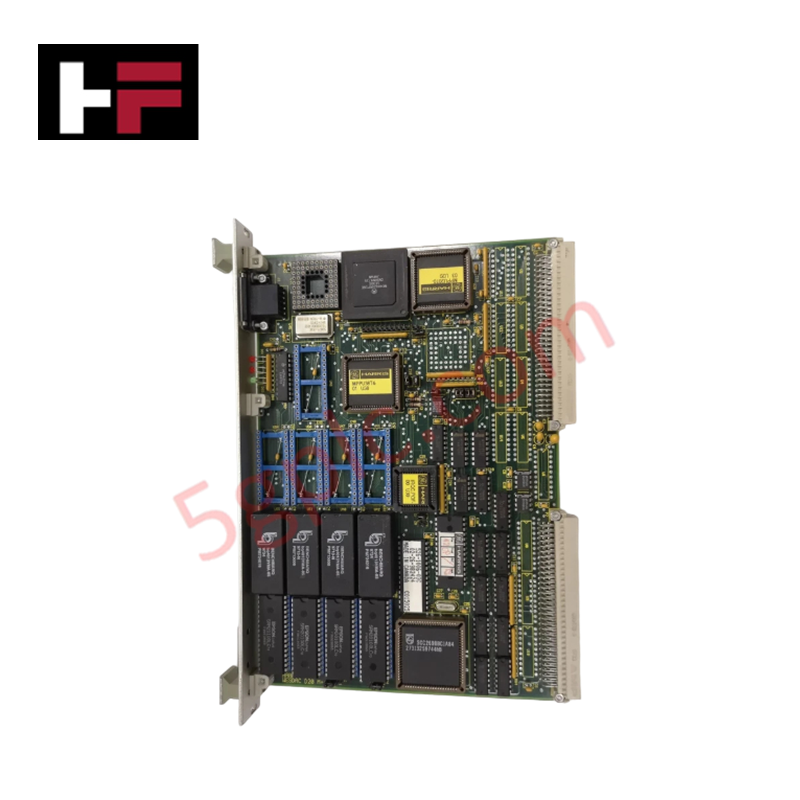
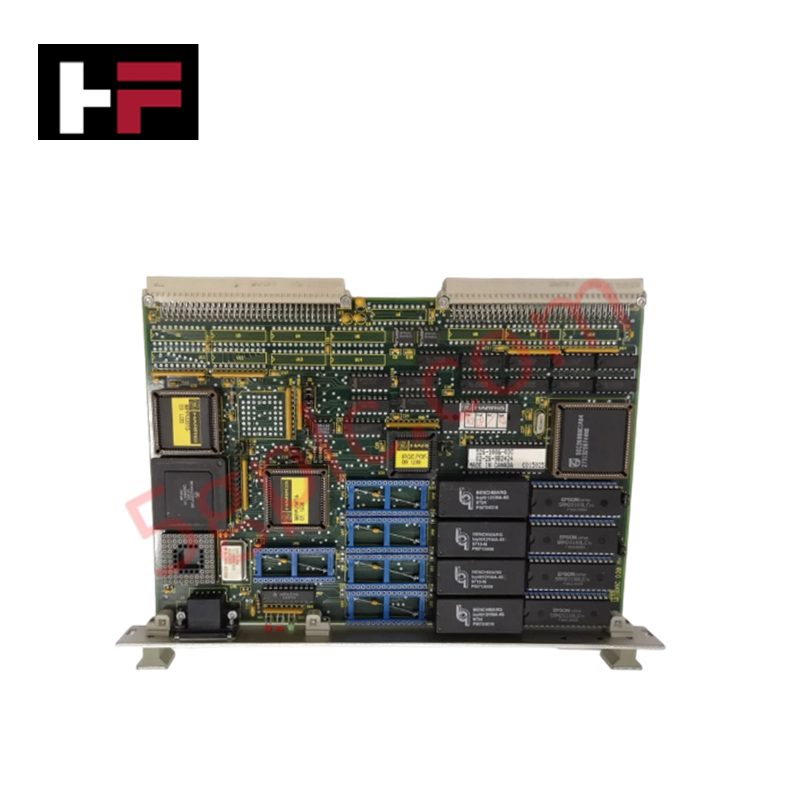
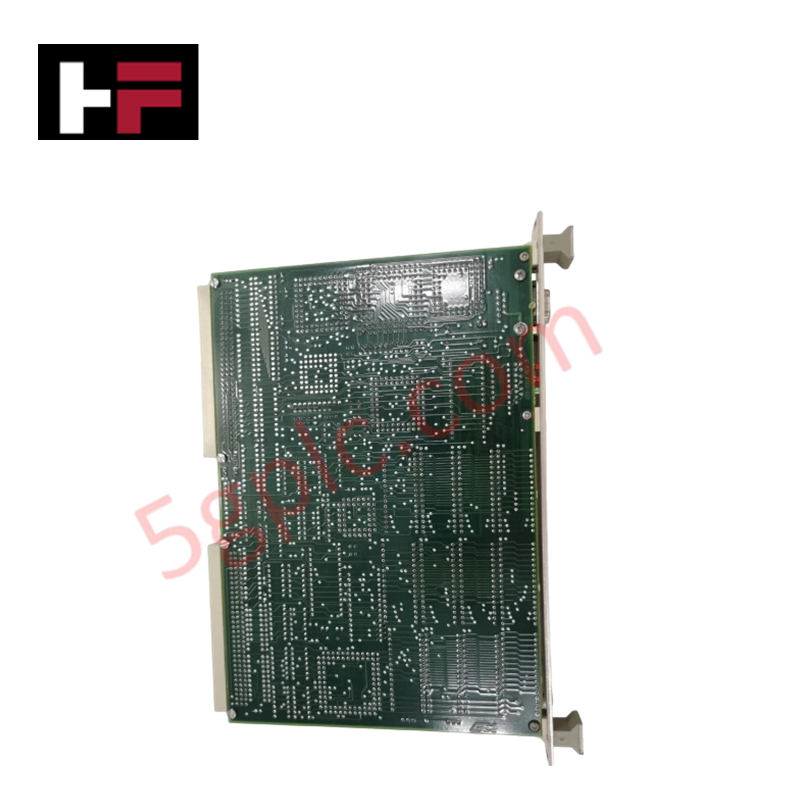
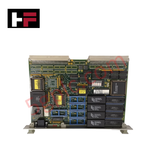
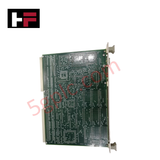
The GE WESDAC D20ME, also cataloged as the D20ME Versatile Substation Controller, operates as a dedicated hardware component for localized processing scaling and network medium conversion within WESDAC D20 system architectures.
Hardware Specifications
| Parameter | Specification |
|---|---|
| Model | WESDAC D20ME |
| Brand | GE (General Electric) |
| Origin | United States |
| Weight | Standard 19" Rack Component Weight Profile |
| Dimensions | Standard 19" rack mount configuration |
| Operating Temp | 0 - +55 deg C |
| Power Consumption | Base Power Supply Option Dependent |
| Power Supply Inputs | 20-60 VDC / 100-300 VDC / 85-264 VAC |
| Communication Ports | 7 RS-232/485 serial, 1 RS-232 maintenance, 2 D.20 Link HDLC |
| Memory Subsystem | 2 MB flash application, 1.5 MB SRAM, 512 KB NVRAM, 1 MB BootROM |
| Protocols Supported | PROFIBUS DP, D.20 Link HDLC |
| Internal Diagnostics | Program memory checksums, RAM tests, configuration verification |
| Vibration Tolerance | 5 to 2000 Hz, peak acceleration 5 g |
| Shock Resistance | 10 g, half-sine wave, duration 11 ms |
| Operating Humidity | 5% to 95% RH (non-condensing) |
Profinet / EtherNet/IP Deterministic Networks and Firmware Flash Compatibility
The substation controller processes multi-channel telemetry streams using its dedicated memory architecture, which distributes code execution among flash memory, SRAM, and non-volatile registers. The integration of 7 RS-232/485 serial pathways with a high-speed PROFIBUS DP loop requires deterministic synchronization to maintain steady register polling. To guarantee data throughput when interfacing with auxiliary Profinet or EtherNet/IP deterministic networks, all onboard execution code layers must strictly align with verified firmware flash compatibility matrices stored within the 1 MB BootROM sector.
Frequently Asked Questions
Q: How do the internal memory diagnostics respond to a localized RAM or checksum fault?
A: The embedded diagnostic loops continuously evaluate the 1.5 MB SRAM block and program memory checksum fields. If a verification bit fails, the controller flags an error register via the RS-232 maintenance interface and triggers a hardware-driven fail-safe loop state.
Q: What are the backplane constraints concerning power supply module replacement on the D20ME module?
A: The passive backplane does not accommodate hot-swap extraction under active electrical loading. System power fields (20-60 VDC or high-voltage lines) must be fully isolated before terminal change-outs to avoid transient voltage generation across the logic circuits.
Field Installation Guidelines
- 19" Rack Mechanical Grounding: Install the module into a rigid, grounded 19" rack structure, verifying that the front faceplate ears make solid metal-to-metal contact with the enclosure rails to minimize g-force vibration profiles.
- Serial Comm Cable Shielding: Connect all RS-232/485 multi-drop communication line shields to a single ground point at the panel entrance boundary to eliminate high-frequency common-mode noise.
- External Power Isolation: Route incoming primary power lines through an independent circuit breaker, keeping field signal wiring separate from universal AC or high-voltage DC distribution pathways inside the wire ducting tracks.
Additional Information
- 100% Genuine Parts: All products are original and authentic, ensuring reliable industrial performance.
- 30-Day Refund Guarantee: Return any in-stock item within 30 days in original, unopened packaging for a full refund (excluding shipping and fees).
- 12-Month Warranty: Covers defects in materials or workmanship; excludes misuse, normal wear, or unauthorized modifications.
- Worldwide Shipping: We ship via USPS, UPS, FedEx, and DHL. Delivery times vary by country and may be subject to customs or import fees.
- Support & Contact: Technical and warranty assistance is available anytime. Contact us here: Contact.
- Purchase Guidance: Check product specifications and compatibility carefully before ordering to ensure proper application.


Tech & Buying Guide

Demystifying CPU Communication Ports in Siemens PLC Architectures
Industrial automation relies heavily on robust data exchange between devices. Without seamless connectivity, field instruments, network switches, human-machine interfaces, and programmable logic controllers cannot coordinate effectively. Therefore, understanding the various CPU communication ports available in Siemens hardware ensures efficient factory automation design and seamless system integration.

Mastering the Siemens PLC Scan Cycle: How the CPU Executes Automation Programs
Industrial automation relies heavily on programmable logic controllers (PLCs) to manage complex manufacturing processes. Many engineers dive straight into programming without mastering the underlying architecture. However, understanding how a PLC CPU executes a program ensures reliable system design. Therefore, mastering the scan cycle optimizes both performance and troubleshooting in modern control systems.

How to Connect to Siemens S7 PLCs: 5 Essential Communication Methods
Establishing a reliable hardware link between a programming terminal and a Siemens SIMATIC controller is essential for engineering workflows. Field engineers rely on distinct physical layers, ranging from legacy serial connections to high-speed Industrial Ethernet protocols. Modern factory automation environments prioritize fast data transfer and seamless driver integration. Selecting the correct connection method simplifies program downloads, online monitoring, and system troubleshooting in complex control systems.