












Product Details
Product Description
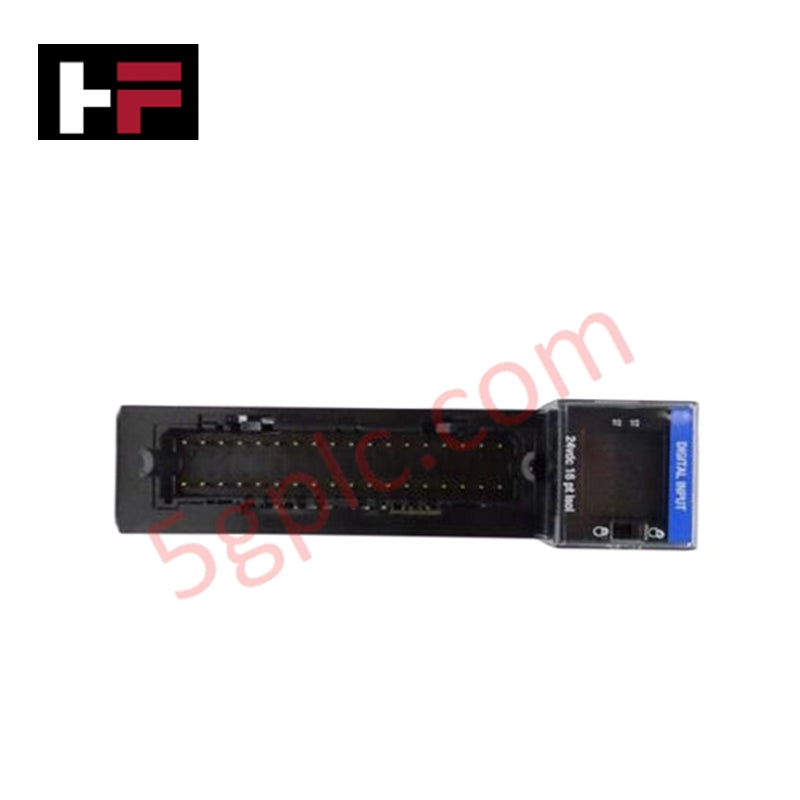
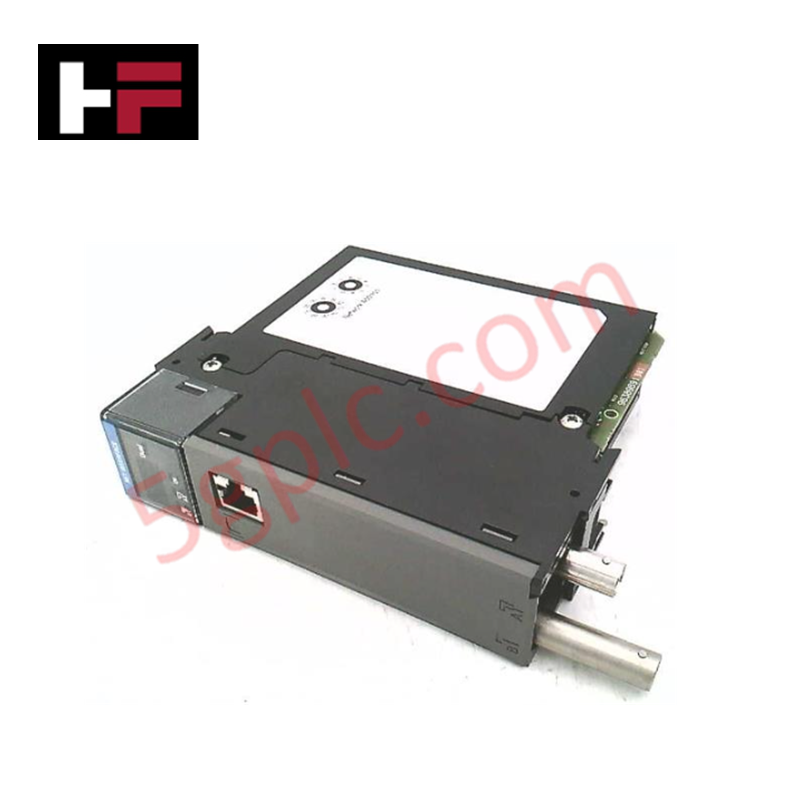
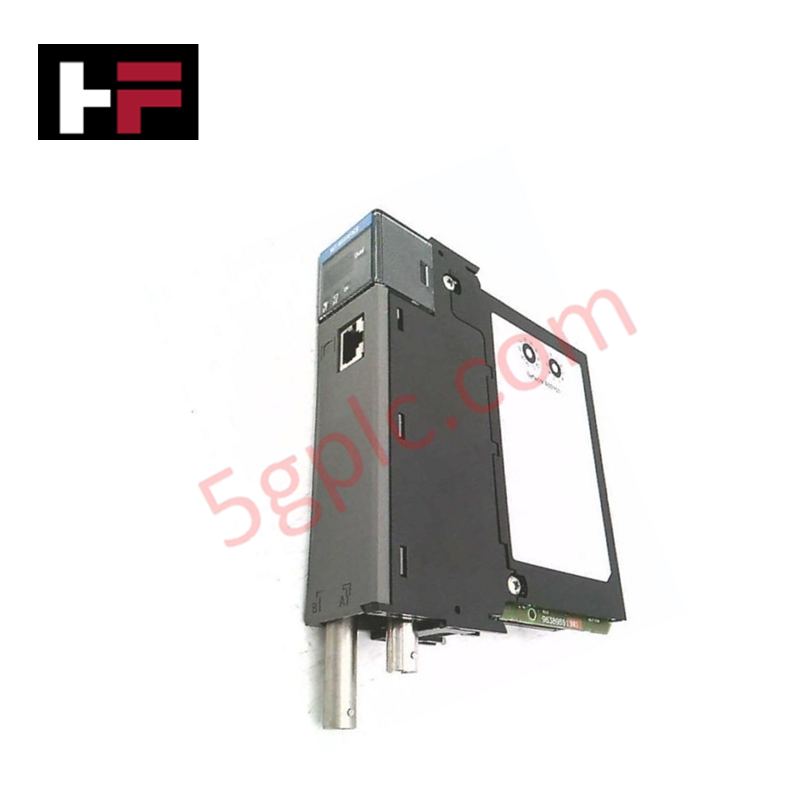
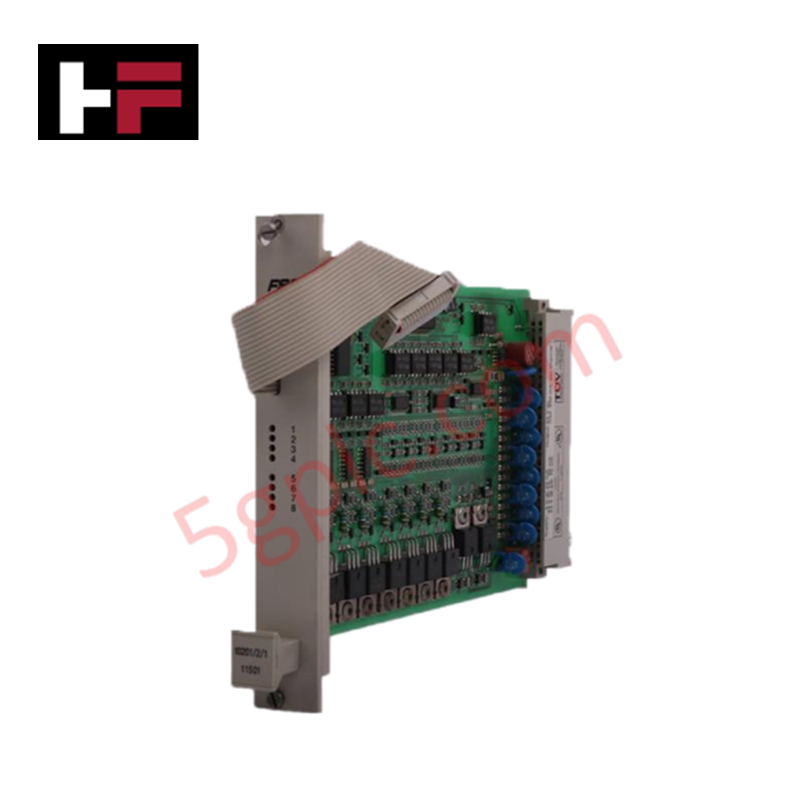
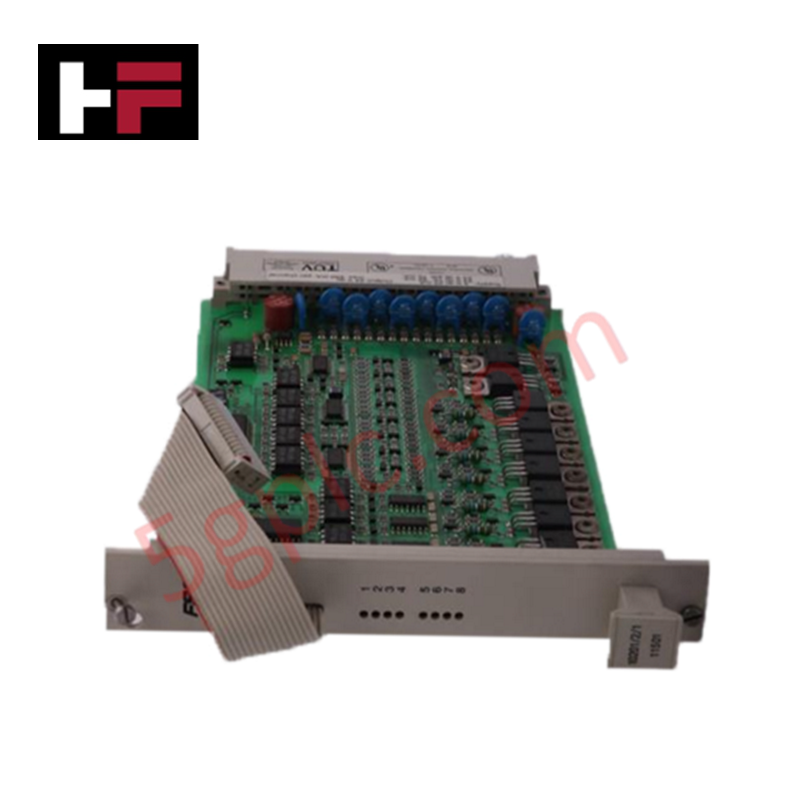
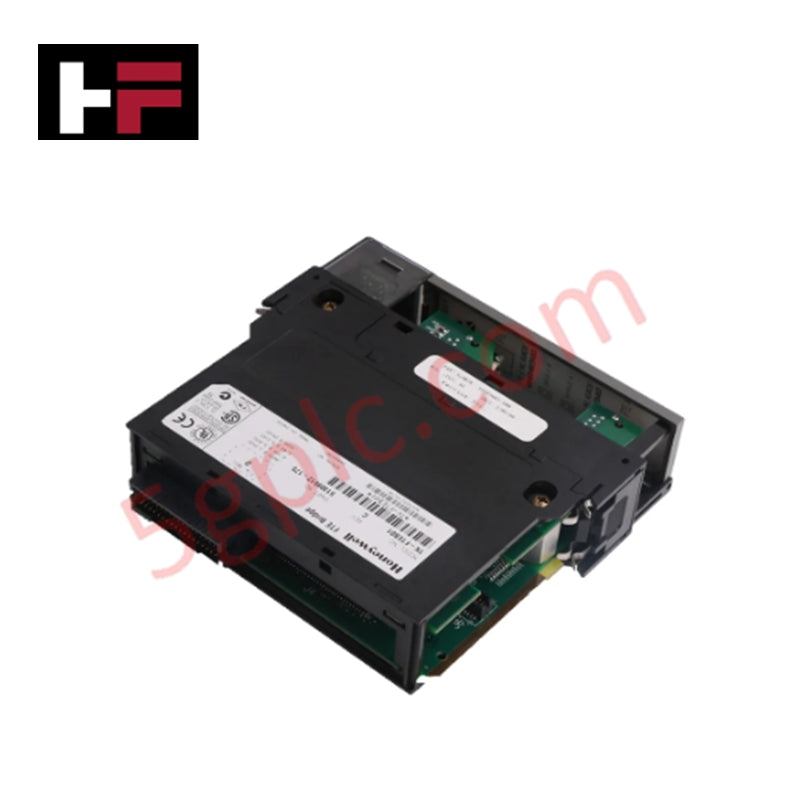
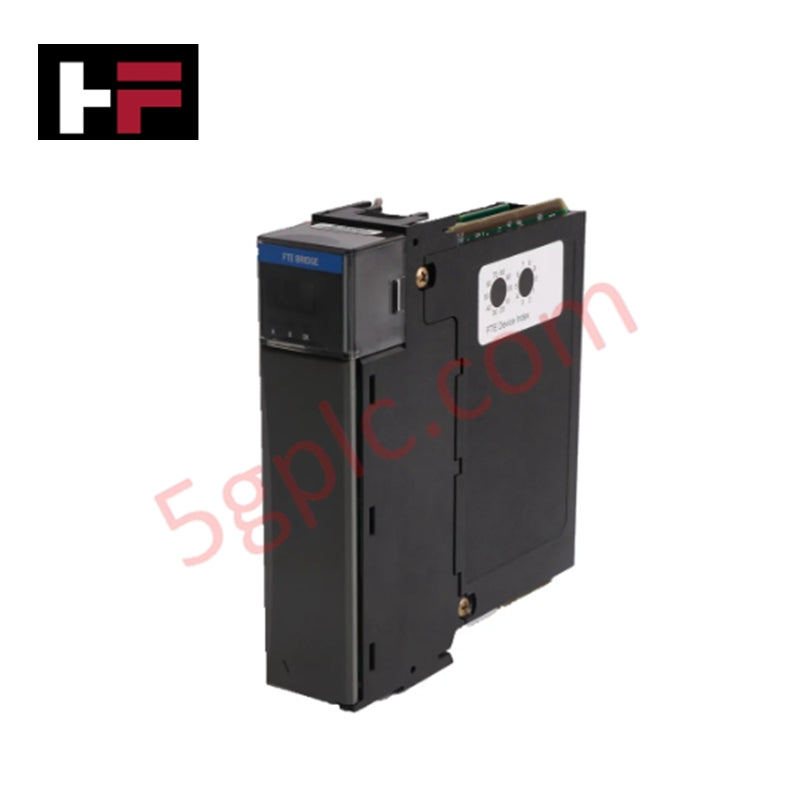
The TC-IDK161 (TK-IDK161) is a high-density discrete input interface engineered for Honeywell industrial control architectures. This module provides 16 individual sensing points designed to monitor 120 VAC field signals. A critical feature of this hardware is its total channel-to-channel isolation, which ensures that each input is electrically independent. This prevents ground loops and protects the controller backplane from field-side electrical transients, making it an essential component for high-reliability process environments.
Technical Specifications
-
Model Identification: TC-IDK161
-
Part Number: TK-IDK161
-
Input Configuration: 16 Individually Isolated Channels
-
Nominal Operating Voltage: 120 VAC
-
On-State Voltage Range: 79 to 132 VAC (47-63 Hz)
-
Off-State Threshold: 20 VAC (Maximum)
-
Input Impedance: 11 KΩ @ 60 Hz
-
Signal Response Time: Programmable Off-to-On (1ms/2ms) and On-to-Off (9ms/18ms)
-
Isolation Rating: 2546 VDC (Channel-to-Channel and User-to-System)
-
Power Dissipation: 4.9 W
-
Backplane Current Draw: 0.125A @ 5VDC / 0.003A @ 24VDC
-
Physical Weight: 0.2 kg
-
Required Interface: TC-TBCH 36-position terminal block
Application and System Integration
The TC-IDK161 (TK-IDK161) is typically deployed in motor control centers (MCCs) and power distribution monitoring where diverse AC signals must be sensed. Because each of the 16 points is isolated, engineers can wire inputs from different phases or power sources into the same module without risk of cross-talk or short circuits. This density significantly reduces the required footprint in the I/O cabinet while adhering to IEC Type 1+ input compatibility standards.
Frequently Asked Questions
-
How does the programmable filter time affect performance?
The user can adjust the delay times to balance between high-speed signal capture and the rejection of electrical noise or contact bounce commonly found on AC limit switches.
-
Is the terminal block included with the module?
The TC-TBCH 36-position block is the recommended connection interface and is usually sourced separately to facilitate pre-wiring of the control cabinet.
Additional Information
- 100% Genuine Parts: All products are original and authentic, ensuring reliable industrial performance.
- 30-Day Refund Guarantee: Return any in-stock item within 30 days in original, unopened packaging for a full refund (excluding shipping and fees).
- 12-Month Warranty: Covers defects in materials or workmanship; excludes misuse, normal wear, or unauthorized modifications.
- Worldwide Shipping: We ship via USPS, UPS, FedEx, and DHL. Delivery times vary by country and may be subject to customs or import fees.
- Support & Contact: Technical and warranty assistance is available anytime. Contact us here: Contact.
- Purchase Guidance: Check product specifications and compatibility carefully before ordering to ensure proper application.




Tech & Buying Guide

Essential Best Practices for PLC Wiring and Installation in Industrial Automation
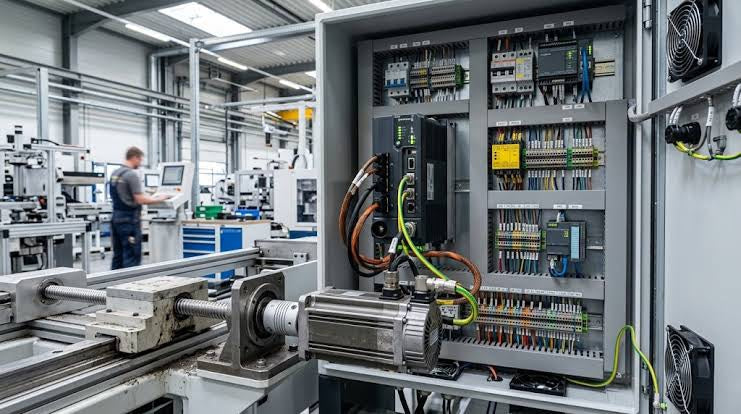
Successful control system deployment begins with thoroughly reviewing manufacturer technical documentation. Controllers from major brands like Allen-Bradley, Siemens, and Schneider Electric feature unique terminal layouts. Engineers must verify voltage requirements before connecting power cables to prevent catastrophic equipment damage. Standard line connections require strict adherence to regional electrical codes and proper wire color coding. Furthermore, panel builders should always establish a robust low-impedance ground connection using at least 16-AWG copper conductor tied directly to the main plant grounding grid.
Demystifying Programmable Logic Controllers: Comprehensive Guide to PLC Classification and Selection in Industrial Automation
Modern industrial automation heavily relies on Programmable Logic Controllers (PLCs) to drive factory floor efficiency. Over my 15 years as an industrial automation expert working with DCS, TSI, and control systems, I have seen PLCs evolve into the central nervous system of modern manufacturing. Selecting the right controller requires a deep understanding of PLC types based on physical size, hardware architecture, and power supply configurations.
Comprehensive Guide to PLC Types in Modern Industrial Automation
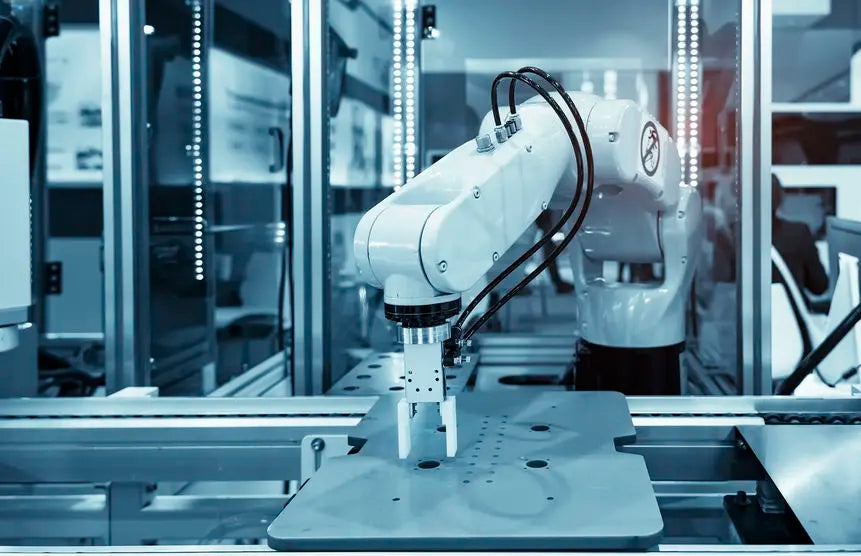
Modern industrial automation relies on programmable logic controllers to govern critical factory operations. System integrators classify PLCs based on scale, hardware architecture, and power supply design. Understanding these core categories enables automation engineers to select the right control system architecture. Consequently, proper hardware selection optimizes performance while minimizing long-term operational costs.