










Product Details
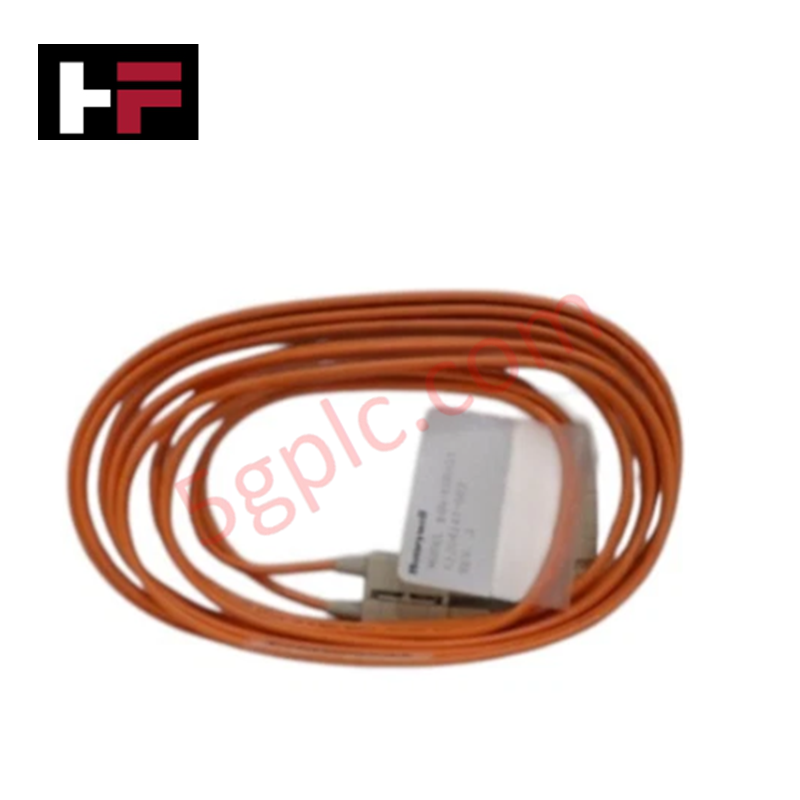
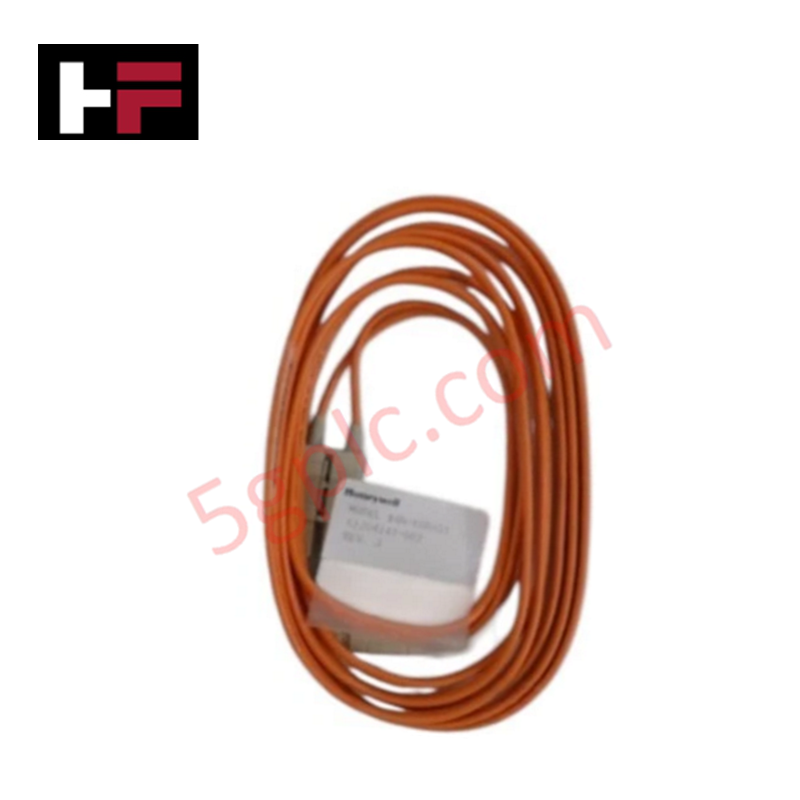
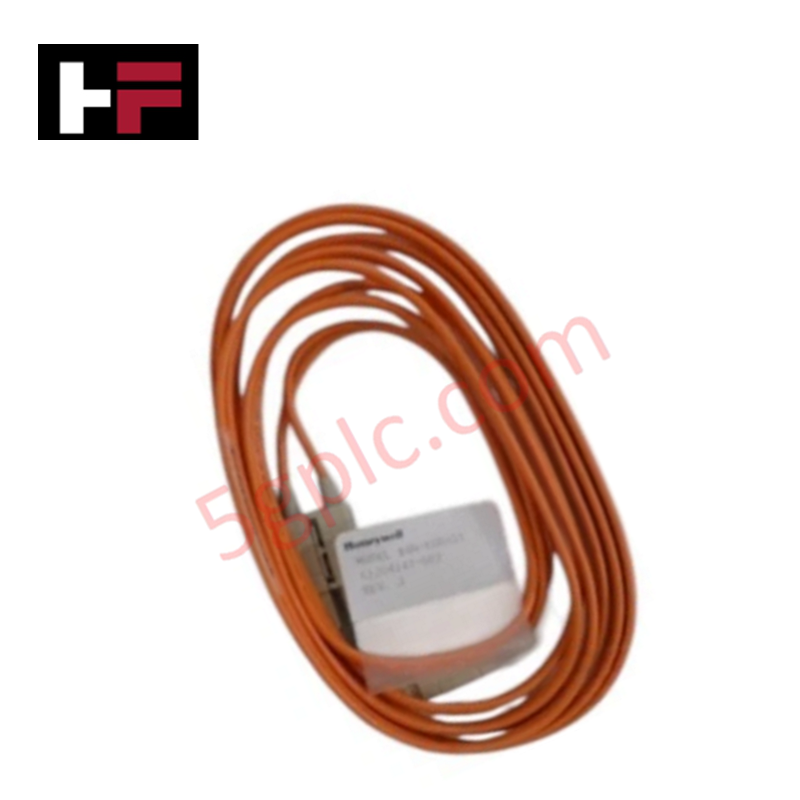
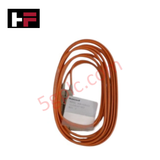
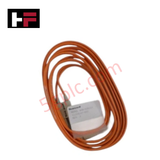
The Honeywell GN-KRR031, also cataloged as the 51204147-003 Fiber Optic Cable, operates as a dedicated hardware component for high-speed optical signal transmission within Honeywell Experion PKS networks. Configured for noise-immune data propagation between processing nodes and remote I/O networks, the assembly provides direct physical execution of deterministic communications, eliminating electromagnetic interference vectors across the link path.
Hardware Specifications
| Parameter | Specification |
|---|---|
| Model | GN-KRR031 (Part Number: 51204147-003) |
| Brand | Honeywell |
| Origin | USA |
| Dimensions | Enclosure distribution specific footprint |
| Operating Temp | Standard industrial control environment limits |
| Power Consumption | Passive optical component (Zero active load) |
| Cable Type | Fiber optic link assembly |
| Application | High-speed data interconnection between DCS nodes |
Honeywell DCS Channel-to-Channel Isolation Parameters
The dielectric composition of the optical medium delivers complete physical channel-to-channel isolation by substituting electrical conduction paths with photonic wave propagation. This configuration prevents ground loop potentials, high-voltage surges, or localized common-mode voltage fluctuations from traveling between separate chassis fields, maintaining total signal loop integrity for the host processing units and parallel 4-20 mA HART loop protocol architectures.
Frequently Asked Questions
Q: Can this fiber optic cable assembly be disconnected while the host DCS controllers are actively processing plant control loops?
A: No, unlatching an active optical communication link can break the deterministic network path, causing immediate I/O dropouts or fail-safe system trips; communications must be redirected or powered down before physical removal.
Q: What physical handling precautions must be followed to maintain signal attenuation limits?
A: The internal glass structure dictates strict adherence to the minimum bending radius limits to prevent micro-fractures, which cause permanent optical signal attenuation and packet corruption across the data link.
Field Installation Guidelines
- Pull the fiber optic cable through dedicated instrument raceways, ensuring complete separation from high-voltage electrical conduits to prevent physical crushing.
- Observe standard minimum bending radius parameters during all routing procedures to avoid optical core distortion or mechanical fracturing.
- Clean all optical termination end-faces with specialized fiber wipes before inserting them into the module transceivers to mitigate attenuation from particulate contamination.
- Align the cable connector index tabs carefully with the receiver socket, pushing firmly until the locking mechanism clicks into a fixed, vibration-resistant position.
Additional Information
- 100% Genuine Parts: All products are original and authentic, ensuring reliable industrial performance.
- 30-Day Refund Guarantee: Return any in-stock item within 30 days in original, unopened packaging for a full refund (excluding shipping and fees).
- 12-Month Warranty: Covers defects in materials or workmanship; excludes misuse, normal wear, or unauthorized modifications.
- Worldwide Shipping: We ship via USPS, UPS, FedEx, and DHL. Delivery times vary by country and may be subject to customs or import fees.
- Support & Contact: Technical and warranty assistance is available anytime. Contact us here: Contact.
- Purchase Guidance: Check product specifications and compatibility carefully before ordering to ensure proper application.


Tech & Buying Guide

Demystifying CPU Communication Ports in Siemens PLC Architectures
Industrial automation relies heavily on robust data exchange between devices. Without seamless connectivity, field instruments, network switches, human-machine interfaces, and programmable logic controllers cannot coordinate effectively. Therefore, understanding the various CPU communication ports available in Siemens hardware ensures efficient factory automation design and seamless system integration.

Mastering the Siemens PLC Scan Cycle: How the CPU Executes Automation Programs
Industrial automation relies heavily on programmable logic controllers (PLCs) to manage complex manufacturing processes. Many engineers dive straight into programming without mastering the underlying architecture. However, understanding how a PLC CPU executes a program ensures reliable system design. Therefore, mastering the scan cycle optimizes both performance and troubleshooting in modern control systems.

How to Connect to Siemens S7 PLCs: 5 Essential Communication Methods
Establishing a reliable hardware link between a programming terminal and a Siemens SIMATIC controller is essential for engineering workflows. Field engineers rely on distinct physical layers, ranging from legacy serial connections to high-speed Industrial Ethernet protocols. Modern factory automation environments prioritize fast data transfer and seamless driver integration. Selecting the correct connection method simplifies program downloads, online monitoring, and system troubleshooting in complex control systems.