










Product Details
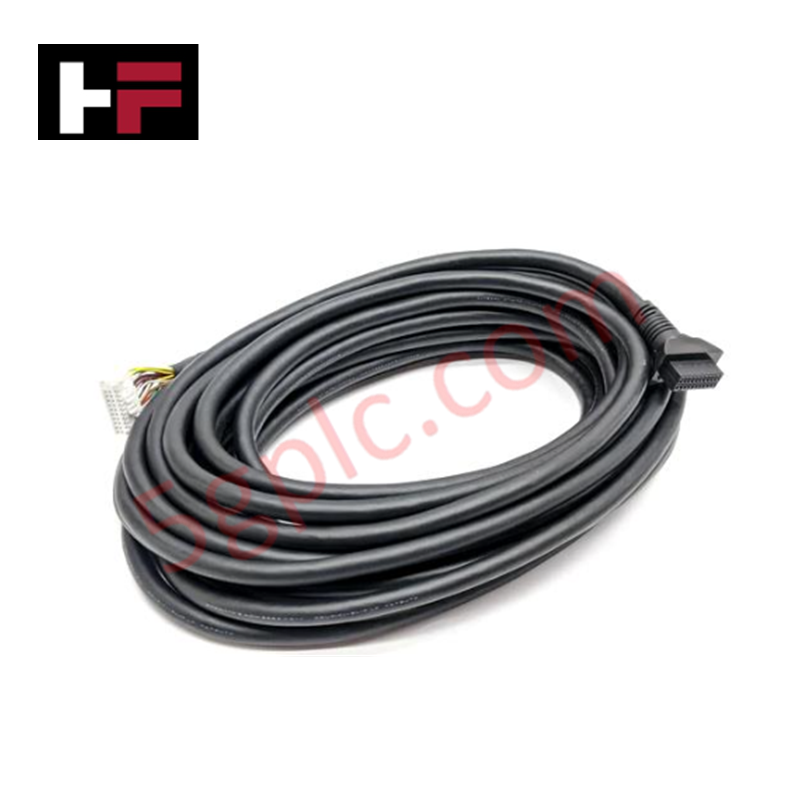
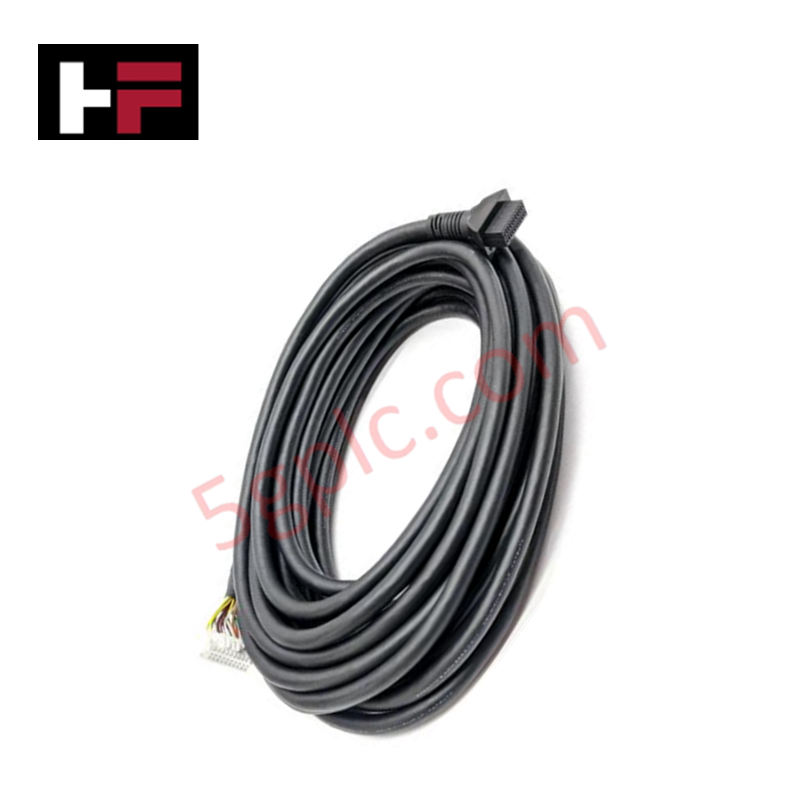
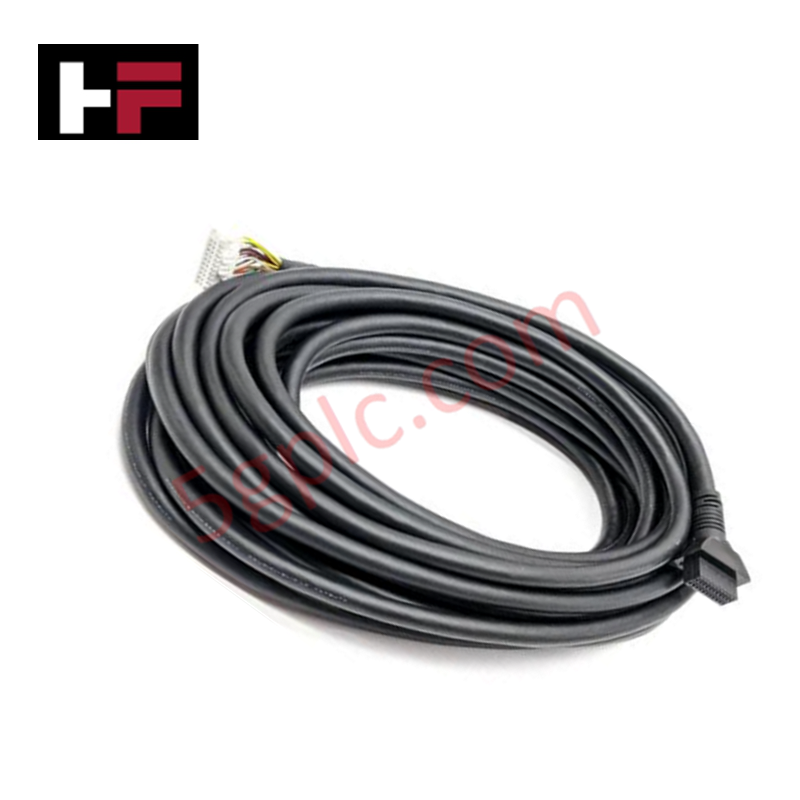
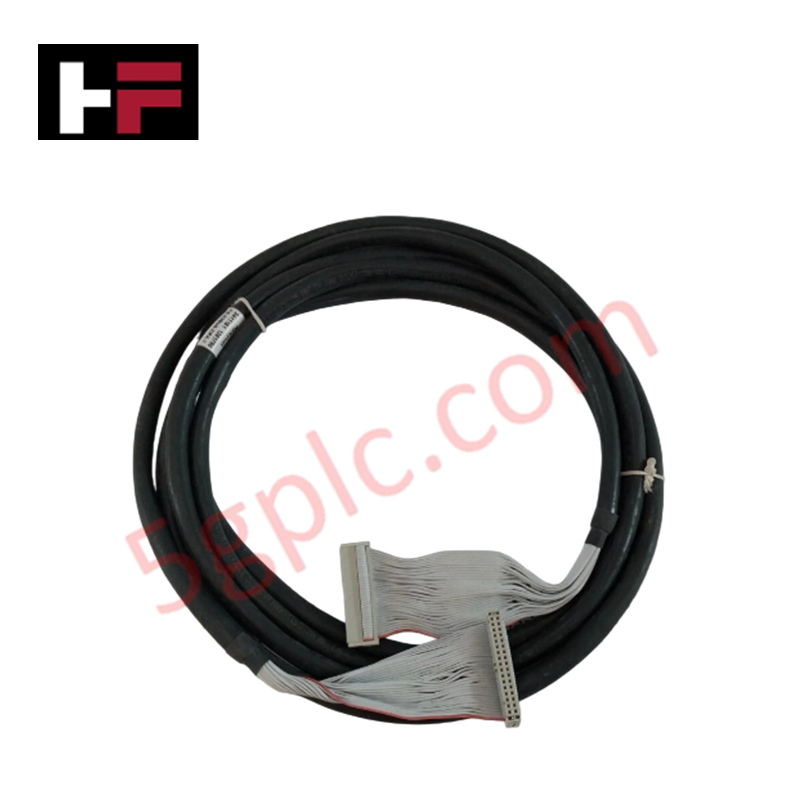
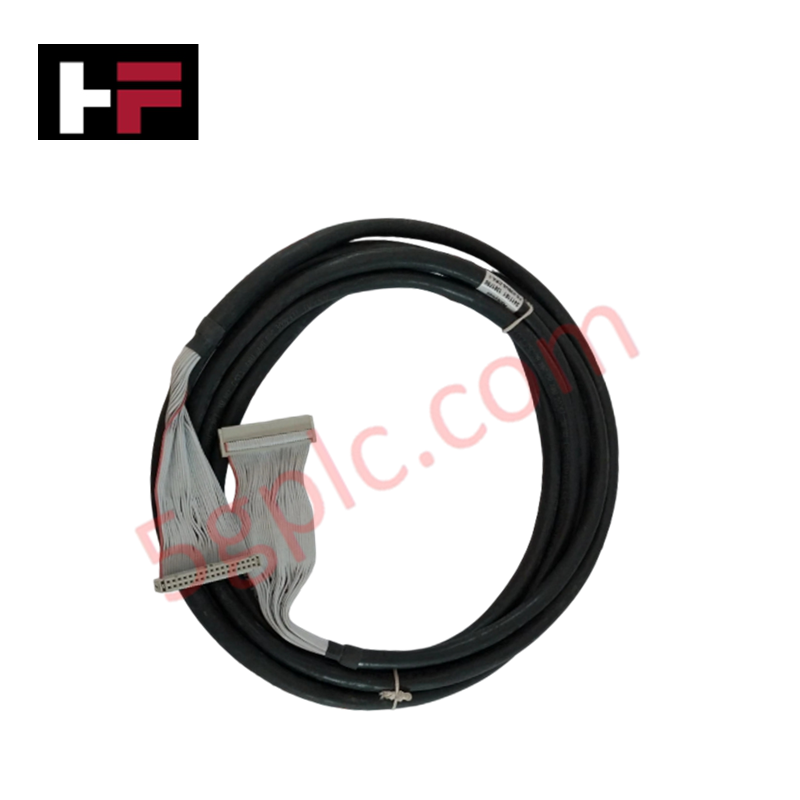
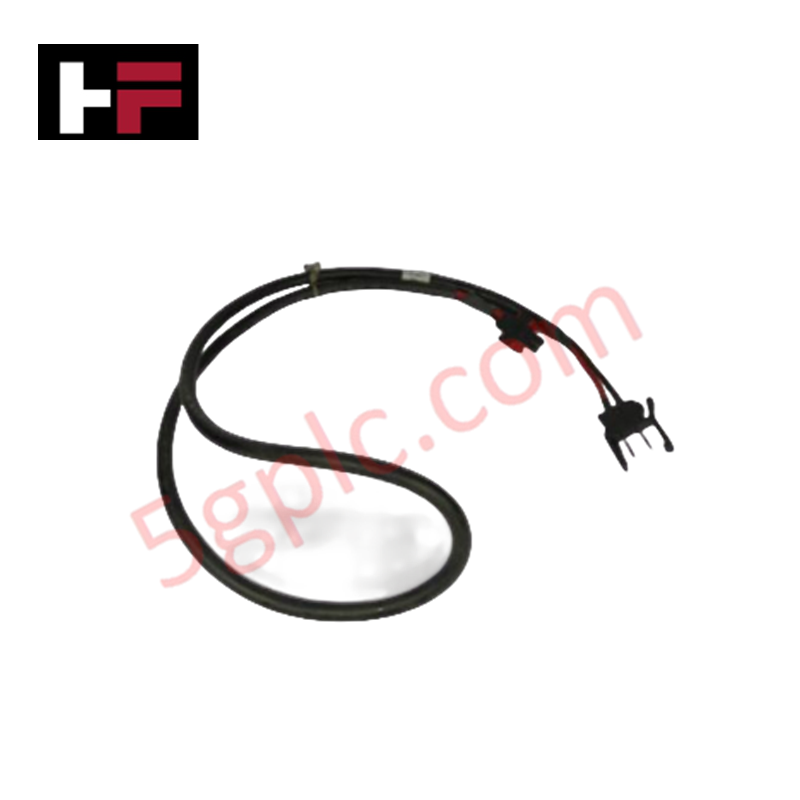
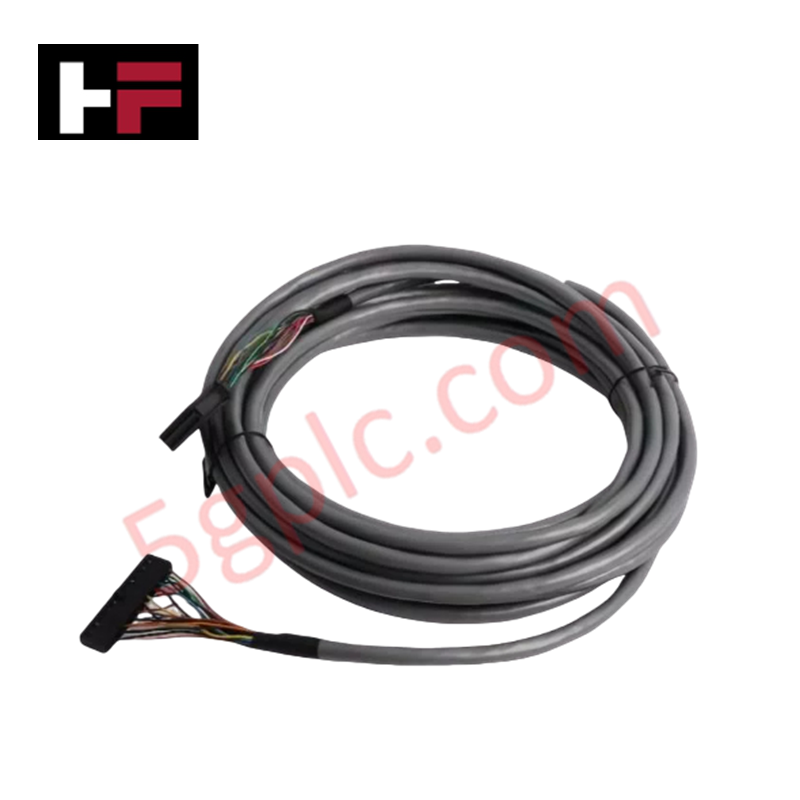
Configured for high-fidelity motor power and encoder feedback signal transmission in automated robotic platforms, the Honeywell CB-CA-MPA150-RB (CB-CA-MPA150-RB Motor/Encoder Cable) provides direct physical/electrical execution. It establishes stable point-to-point conductor continuity between motion controllers, servo drive units, and rotary optical/magnetic encoders across industrial automation cells.
Hardware Specifications
| Parameter | Specification |
|---|---|
| Model | CB-CA-MPA150-RB |
| Brand | Honeywell |
| Origin | USA / Global Manufacturing |
| Weight | 1.5 kg |
| Dimensions | 15 meters length |
| Operating Temp | -20 to 70 deg C |
| Power Consumption | Passive (Rated 24 VDC system supply) |
| Cable Type | Industrial-grade, shielded multi-conductor |
| Bending / Application Profile | Flexible robotics continuous flexing rating |
| Shielding Coverage | Tinned copper braid plus aluminum foil outer shield |
Cold Junction Compensation & Channel-to-Channel Signal Isolation
In motion control and DCS field interface environments, precise signal isolation and noise rejection are mandatory to preserve sensor feedback integrity. The Honeywell CB-CA-MPA150-RB cable assembly incorporates high-density braid shielding engineered to prevent EMI/RFI interference from corrupting differential encoder quadrature signals (A, B, Z channels) and 4-20 mA or digital control loops running in close proximity. The cable dielectric construction maintains stable loop impedance, mitigating voltage drops across its 15 meters length while ensuring galvanic separation between high-voltage motor power leads and sensitive 24 VDC encoder feedback conductors.
Frequently Asked Questions
Q: What is the maximum recommended bending radius during robotic arm installation?
A: For dynamic flexing applications on articulated robot arms, maintain a minimum bending radius of 10 times the outer cable diameter to prevent inner conductor fatigue and shield separation.
Q: How does the shielding handle grounding at the servo drive and encoder ends?
A: The integral tinned copper braid shield should be terminated via 360-degree conductive cable glands or shield grounding clamps at the drive enclosure entry point to optimize drain current path and common-mode noise suppression.
Q: Is this cable rated for hot-plugging under 24 VDC power?
A: No, control power to the servo drive and encoder interface must be de-energized before connecting or disconnecting the terminal connectors to prevent voltage transients and pin arcing.
Field Installation Guidelines
- Route the cable through dedicated cable tracks or flexible conduits separated from high-voltage AC mains (480 VAC) power distribution lines by a minimum of 200 mm clearance.
- Ensure strain relief boots or mechanical clamps are secured at both fixed and moving termination points to eliminate tension on internal solder/crimp pin joints.
- Verify that the continuous operating ambient temperature along the entire cable path stays strictly within the -20 to 70 deg C thermal rating.
- Dress all outer shield pigtails to direct ground chassis ground studs using short, low-impedance grounding straps.
Additional Information
- 100% Genuine Parts: All products are original and authentic, ensuring reliable industrial performance.
- 30-Day Refund Guarantee: Return any in-stock item within 30 days in original, unopened packaging for a full refund (excluding shipping and fees).
- 12-Month Warranty: Covers defects in materials or workmanship; excludes misuse, normal wear, or unauthorized modifications.
- Worldwide Shipping: We ship via USPS, UPS, FedEx, and DHL. Delivery times vary by country and may be subject to customs or import fees.
- Support & Contact: Technical and warranty assistance is available anytime. Contact us here: Contact.
- Purchase Guidance: Check product specifications and compatibility carefully before ordering to ensure proper application.





Tech & Buying Guide
Modern Industrial Automation: Transforming Safety and Efficiency in Mining Operations
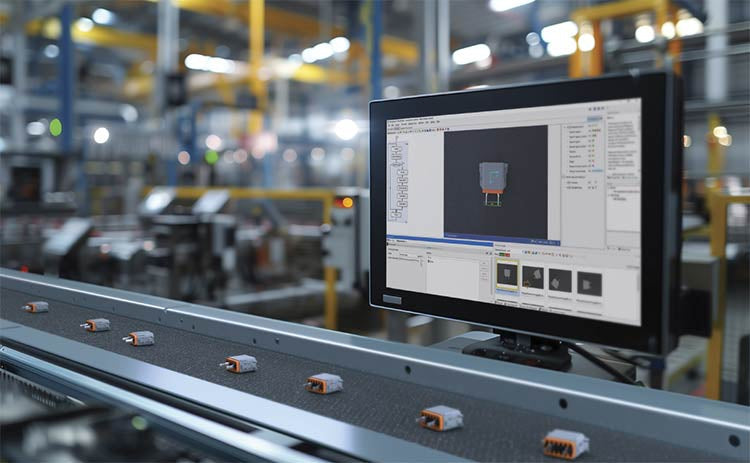
Industrial automation has evolved from a simple manufacturing tool into the operational backbone of high-risk sectors. Modern mining operations increasingly rely on advanced control systems, programmable logic controllers (PLCs), distributed control systems (DCS), and artificial intelligence to address deep-underground hazards. By replacing manual labor in high-risk zones, factory automation technologies protect personnel while significantly boosting operational throughput.

Step-by-Step System Cabinet Health Check Guide for PLC and DCS Infrastructure
