
Product Details
Product Overview
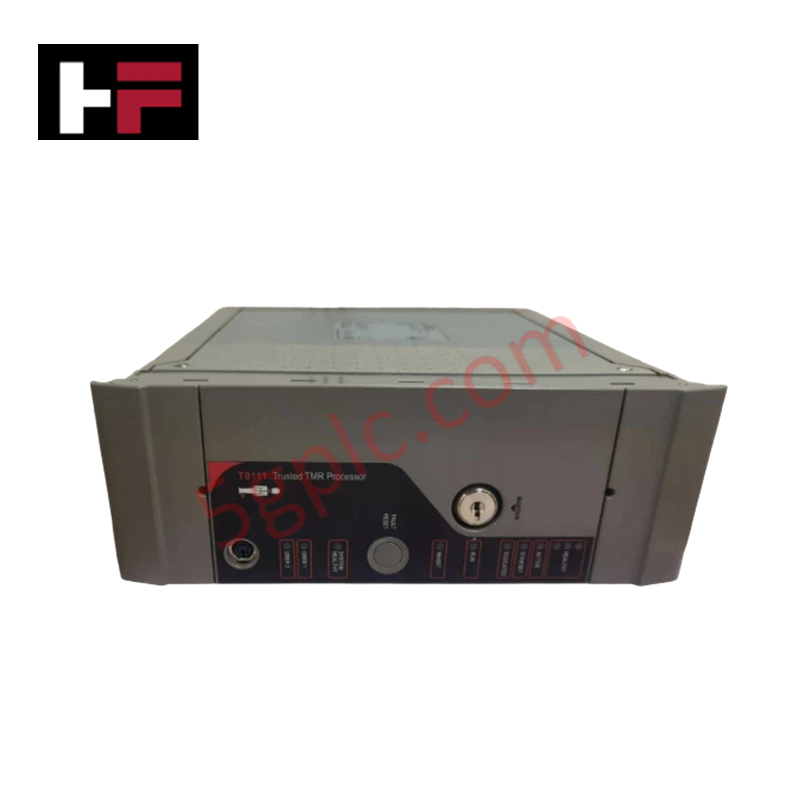
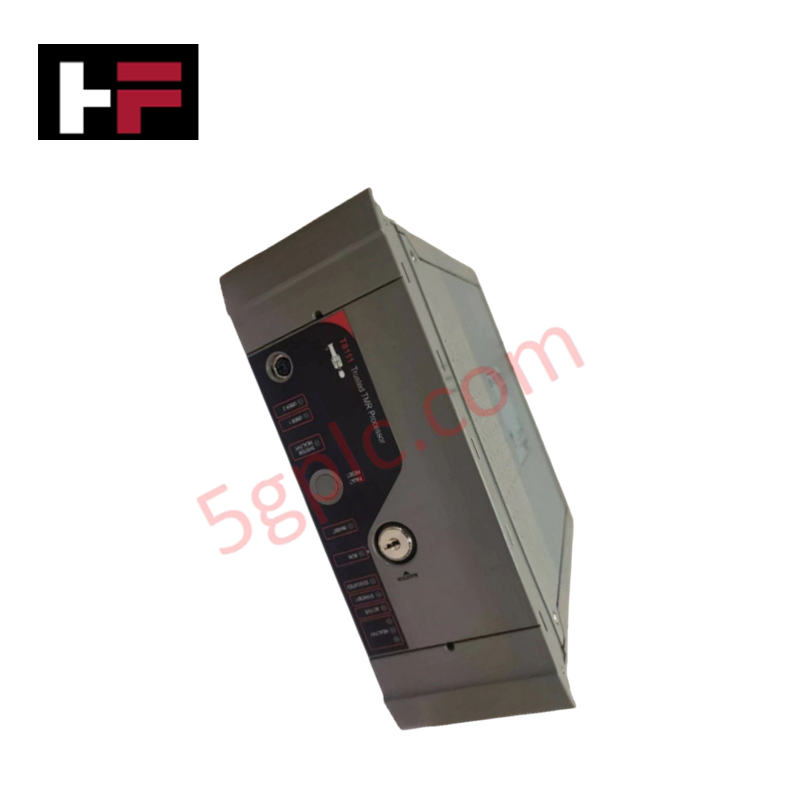
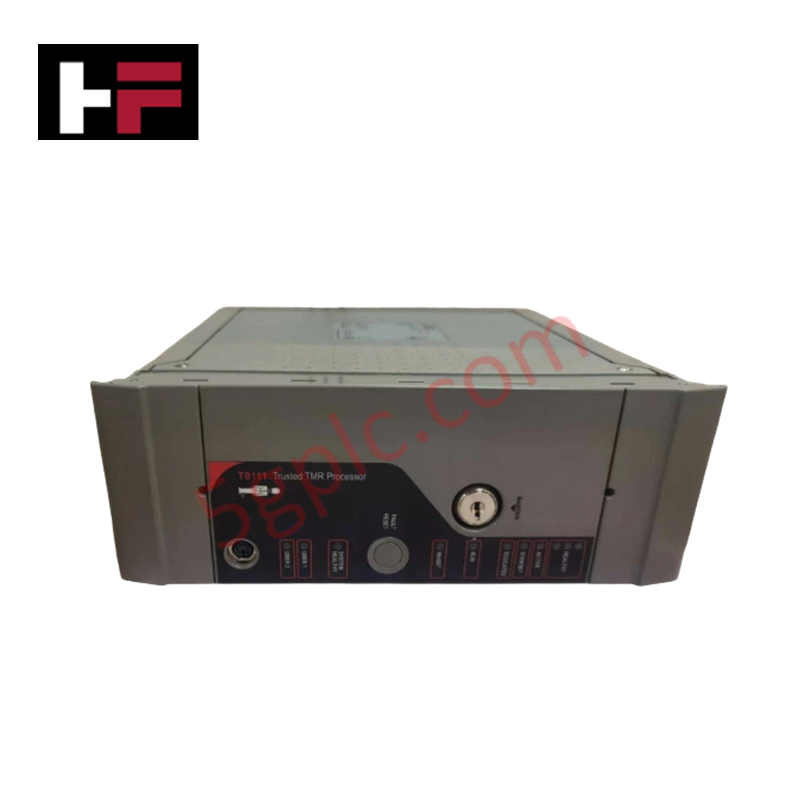
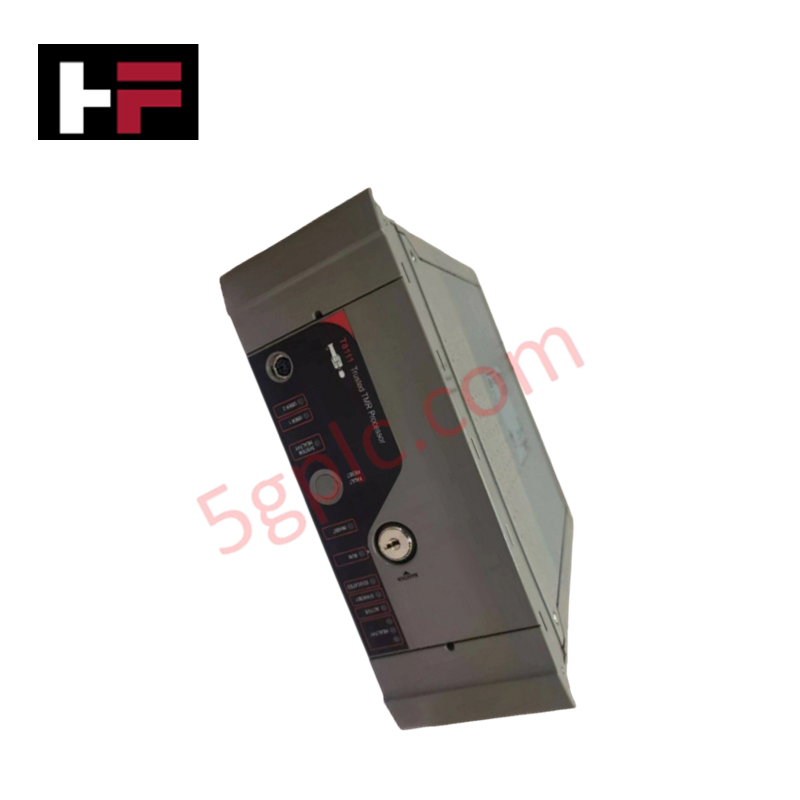
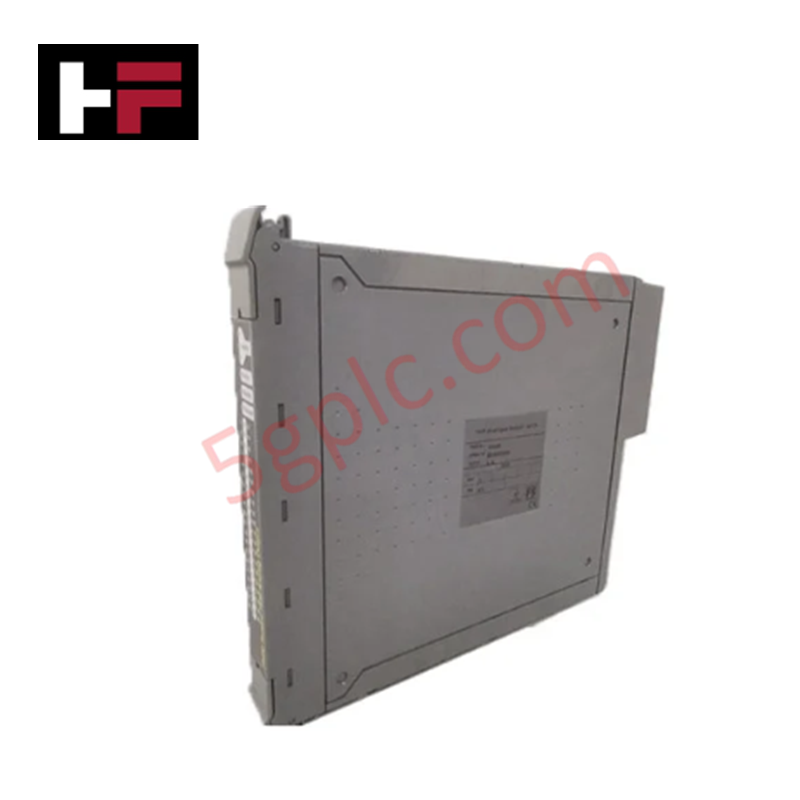
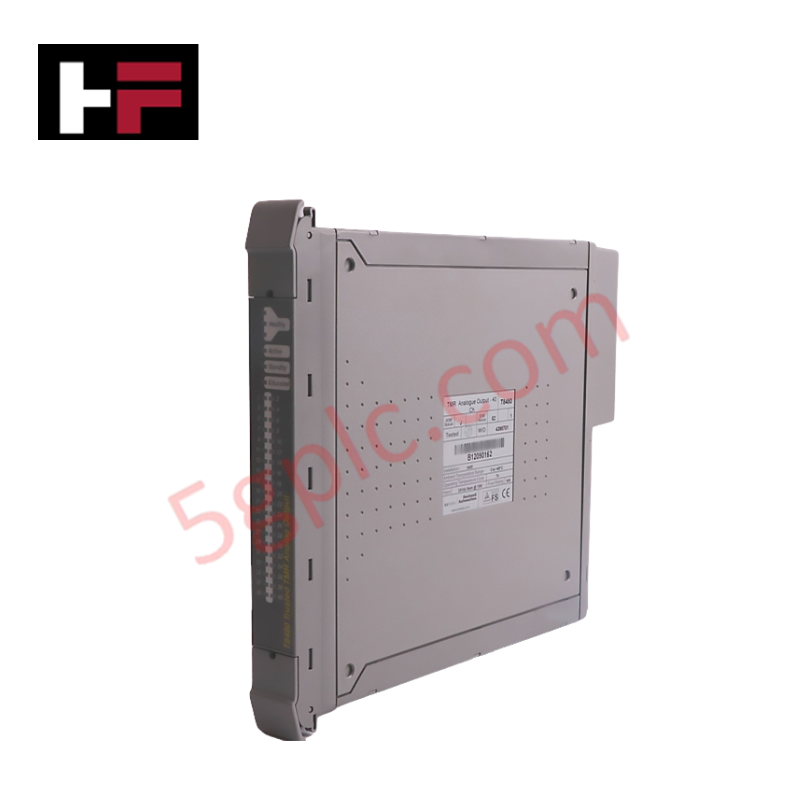
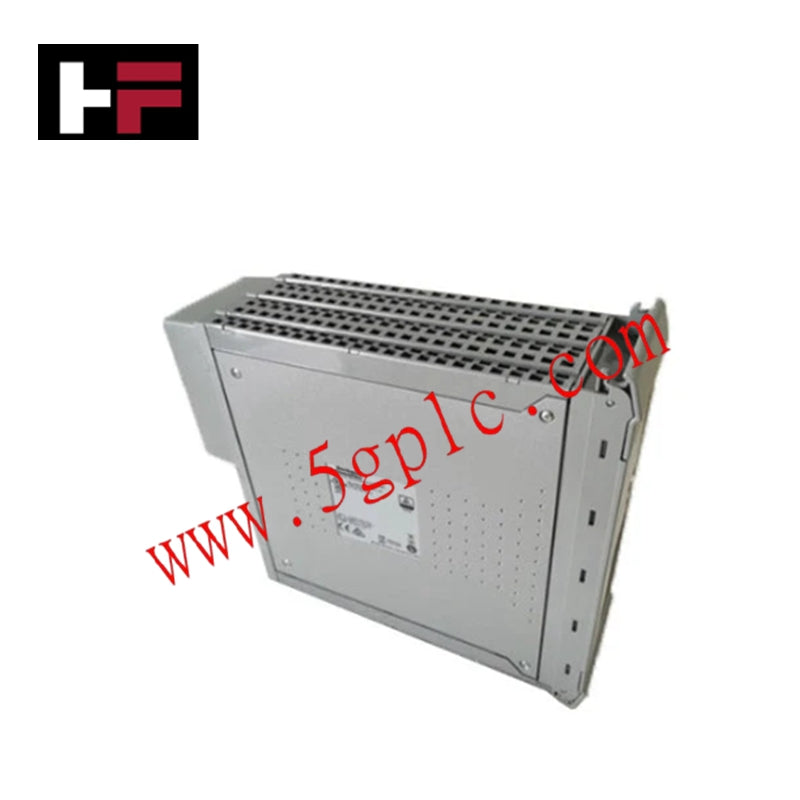
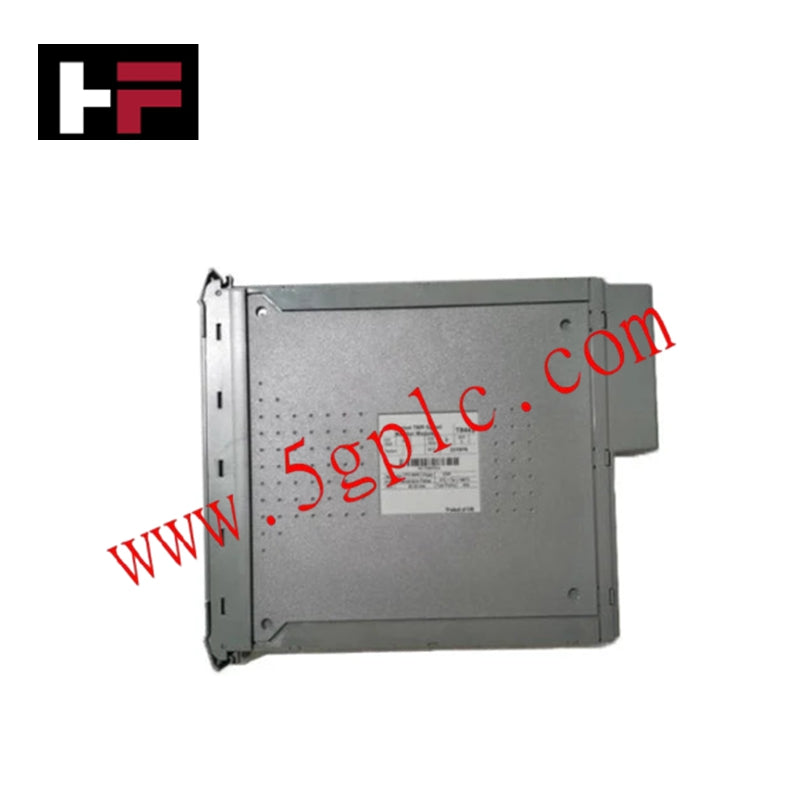
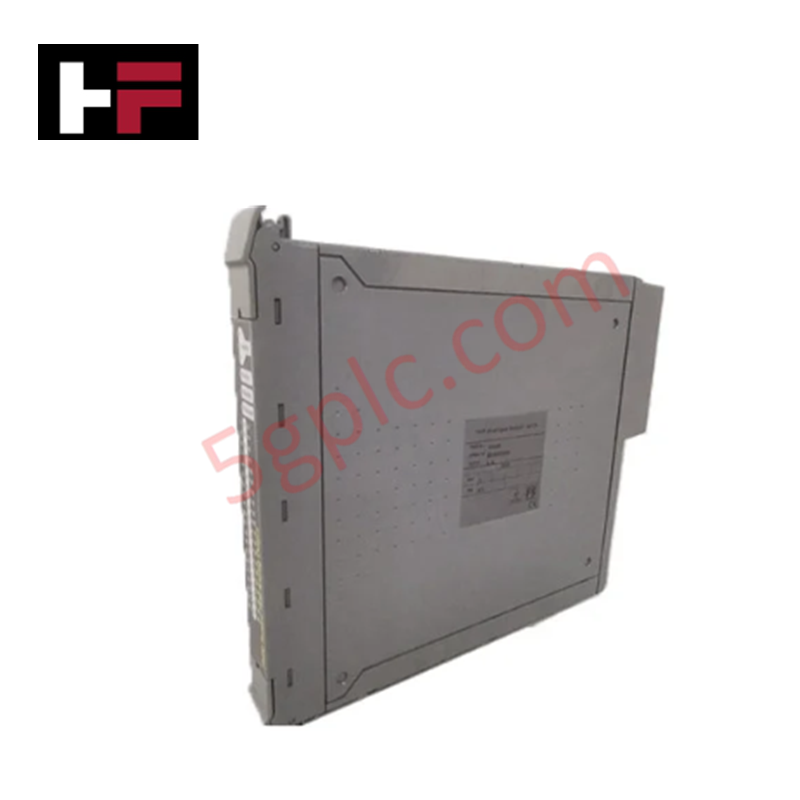
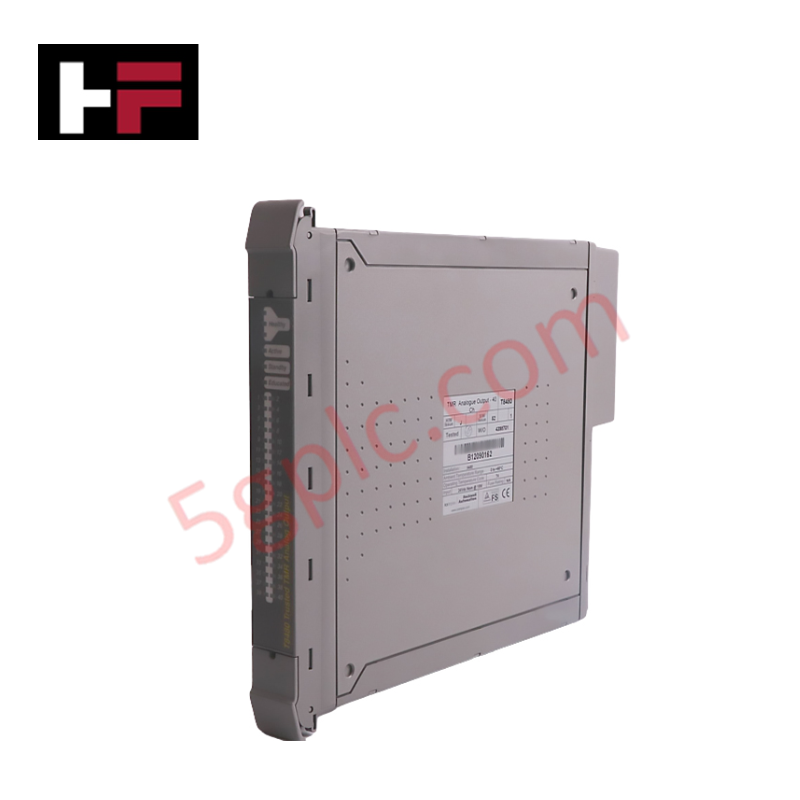
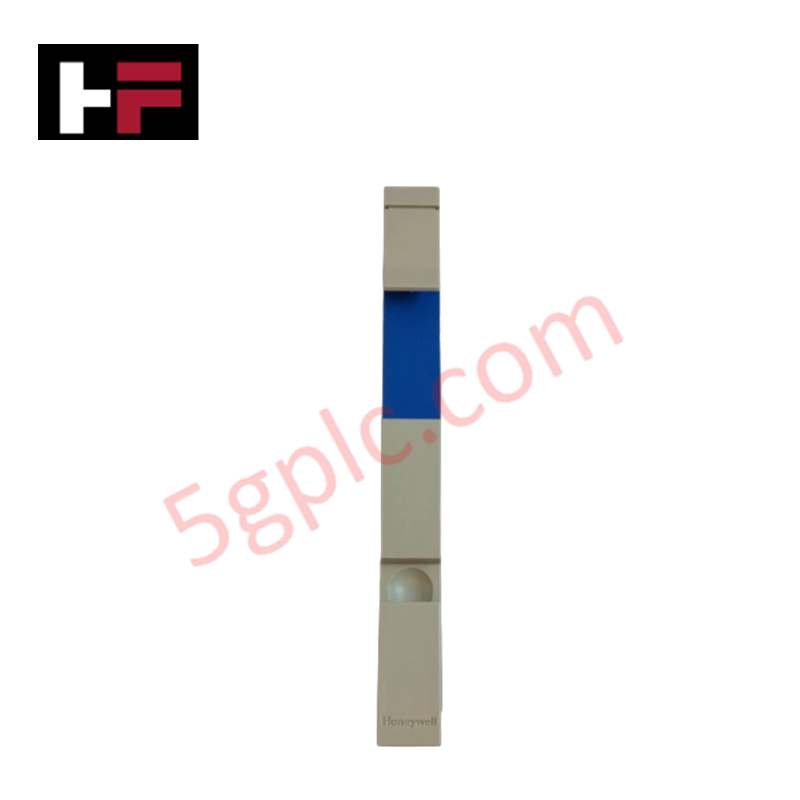
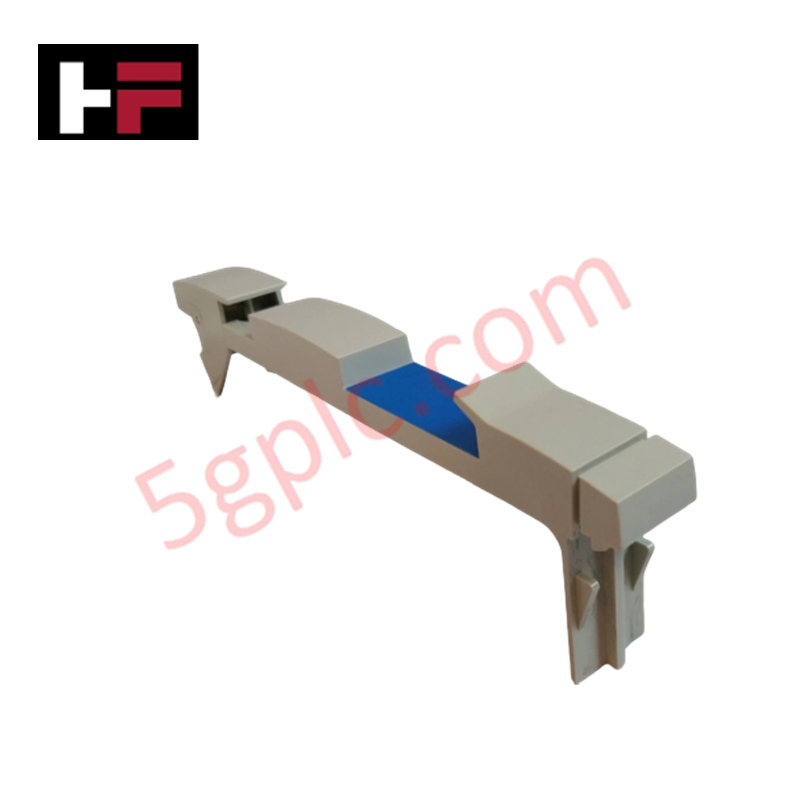
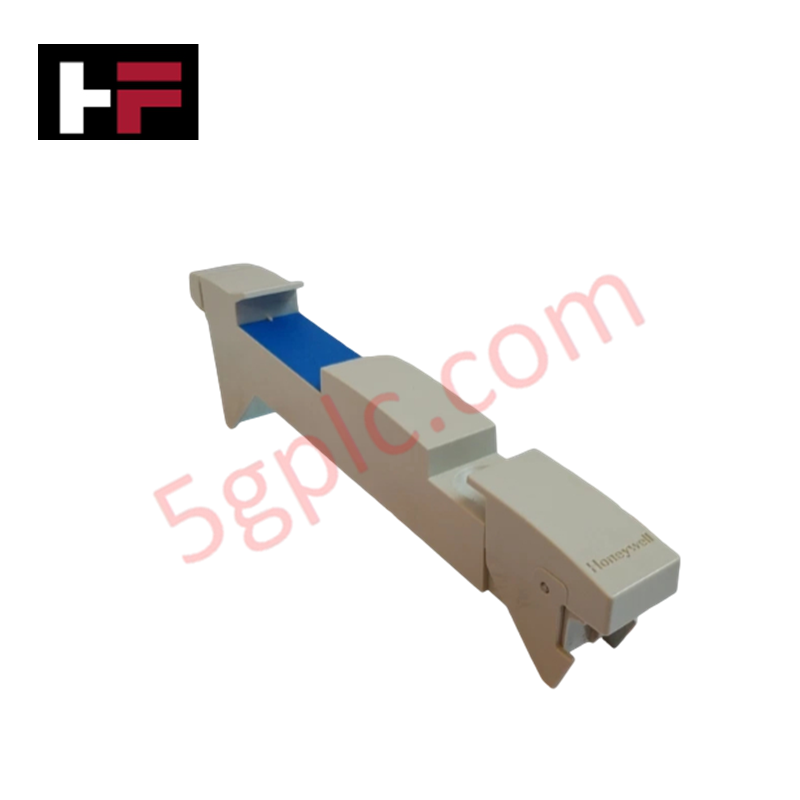
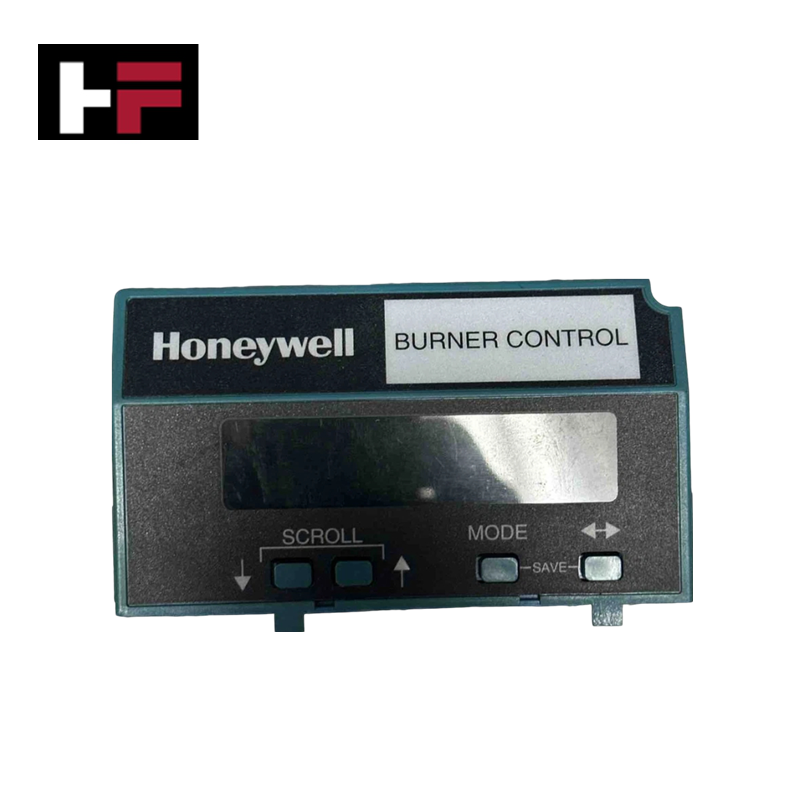
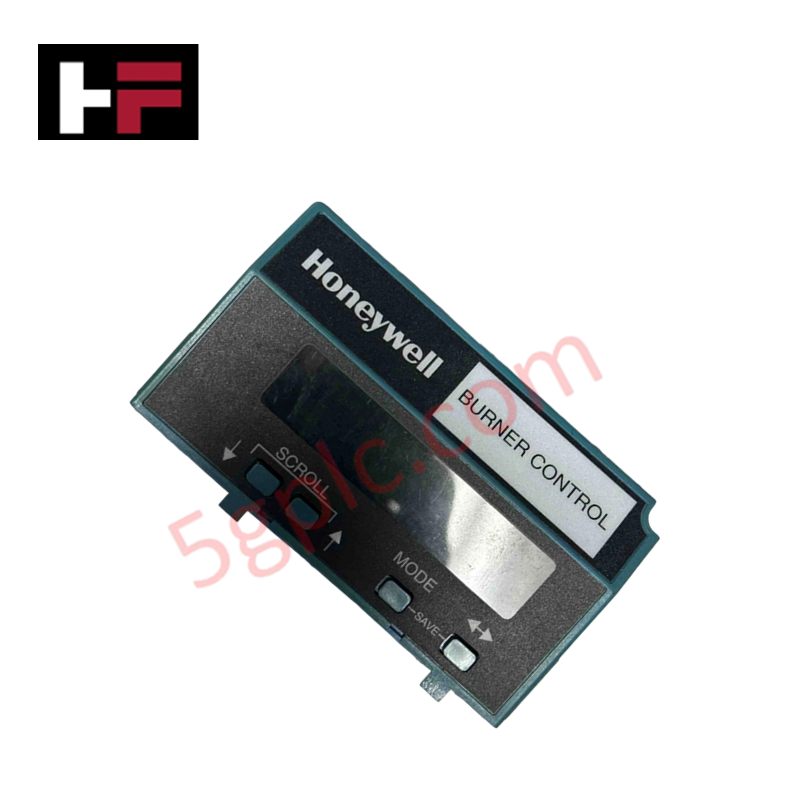
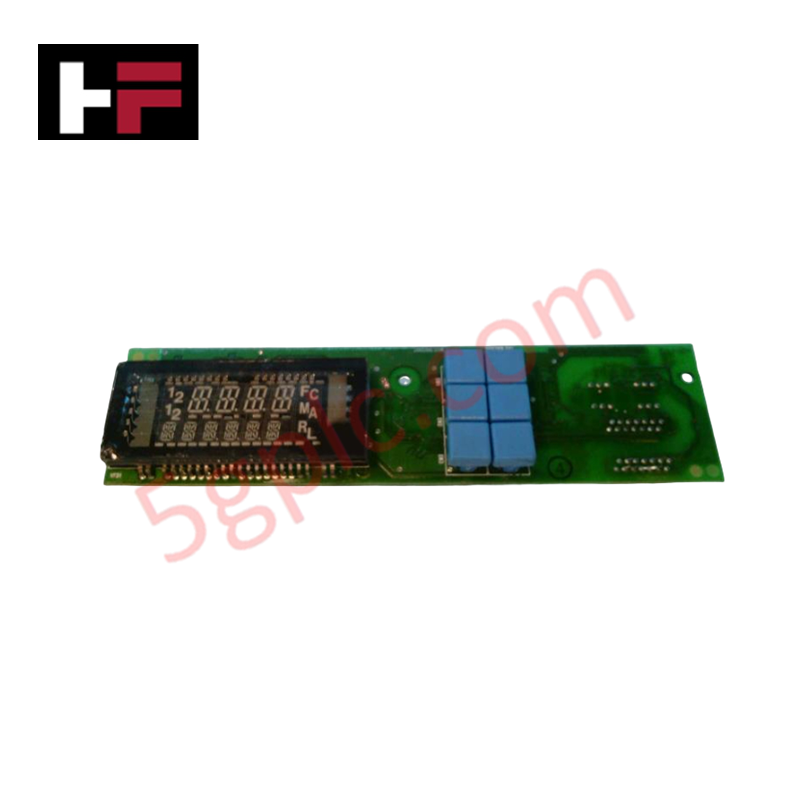
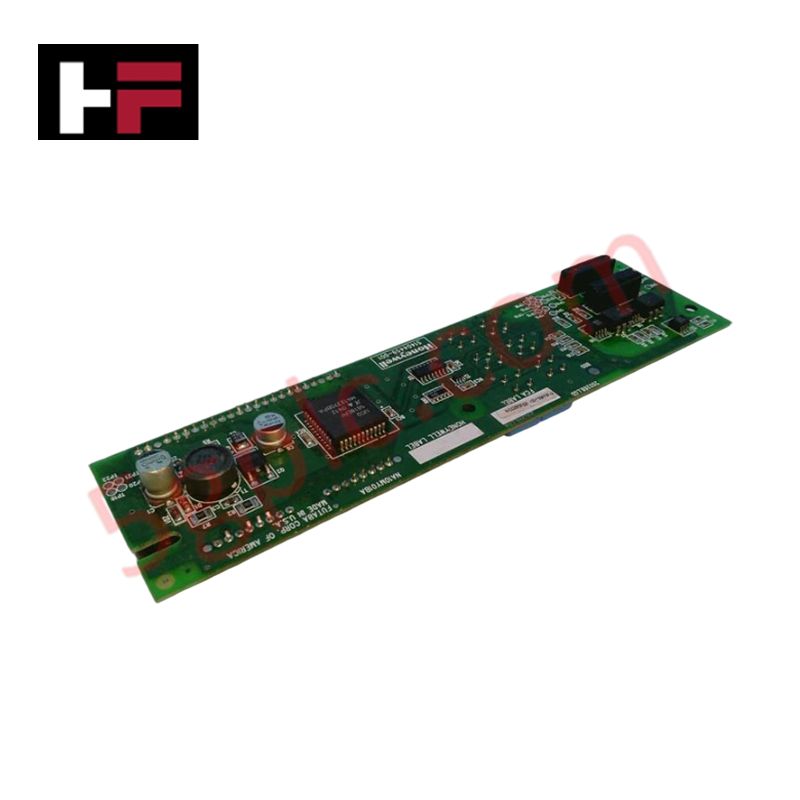
The Honeywell 51309228-300 functions as a standard, industrial-grade chassis filler panel designed for Honeywell TDC 3000 and Experion distributed control system (DCS) racks. This structural hardware accessory seals unpopulated slots within central processing nests and I/O files. We supply this product in 100% brand new, original factory condition to ensure exact mechanical fit, maintain correct system aesthetics, and safeguard active electronic components from environmental hazards.
Technical Specifications
| Parameter | Specification |
| Manufacturer | Honeywell |
| Model Number | 51309228-300 |
| Product Type | Chassis Filler Panel |
| System Compatibility | Honeywell TDC 3000 / Experion Racks |
| Color | Industrial Beige |
| Country of Origin | United States (USA) |
| Dimensions (H x W x D) | 36.7 cm x 36.3 cm x 2.0 cm (14.45" x 14.29" x 0.79") |
| Net Weight | 0.72 kg (1.59 lbs) |
Engineering Advantages
-
Optimizes Enclosure Airflow Dynamics: Sealing empty rack spaces with this filler panel blocks exhaust air short-cycling. This forces cooling air streams to pass directly across live, high-heat processing modules rather than escaping through vacant slots.
-
Blocks Airborne Particulates and Contaminants: The solid faceplate structure creates a physical barrier over open backplane slots. This blocks conductive dust, moisture droplets, and airborne debris from settling on sensitive multi-pin electrical connectors.
-
Maintains Enclosure Shielding Integrity: The 36.7 cm x 36.3 cm panel covers open rack voids precisely, reducing ambient electromagnetic interference (EMI) transmission through the front of the chassis.
-
Simplifies Hardware Retrofitting: Standardized pre-drilled mounting slots allow field technicians to secure the panel into the rack frame within seconds using standard chassis screws, eliminating custom sheet metal adjustments.
FAQs
-
Does this filler panel include the necessary mounting screws?
The 51309228-300 panel ships in standard factory packaging. It utilizes the standard thread pitch screws native to your existing Honeywell TDC 3000 chassis hardware kit.
-
Is this an authentic Honeywell factory-fresh item or painted surplus?
We guarantee this product is a 100% brand new, original Honeywell factory-produced panel. It arrives with the authentic industrial beige finish direct from original manufacturing lots, with no cosmetic wear or re-painted surfaces.
-
Can I cut or modify this panel to fit smaller non-Honeywell server racks?
We do not recommend cutting the panel. The 36.7 cm x 36.3 cm dimensions match the exact mechanical window of standard Honeywell chassis files. Modifying the metal frame may warp the panel, ruin the finish, or compromise the protective seal over adjacent active cards.
Additional Information
- 100% Genuine Parts: All products are original and authentic, ensuring reliable industrial performance.
- 30-Day Refund Guarantee: Return any in-stock item within 30 days in original, unopened packaging for a full refund (excluding shipping and fees).
- 12-Month Warranty: Covers defects in materials or workmanship; excludes misuse, normal wear, or unauthorized modifications.
- Worldwide Shipping: We ship via USPS, UPS, FedEx, and DHL. Delivery times vary by country and may be subject to customs or import fees.
- Support & Contact: Technical and warranty assistance is available anytime. Contact us here: Contact.
- Purchase Guidance: Check product specifications and compatibility carefully before ordering to ensure proper application.



Tech & Buying Guide
Demystifying Programmable Logic Controllers: Comprehensive Guide to PLC Classification and Selection in Industrial Automation
Modern industrial automation heavily relies on Programmable Logic Controllers (PLCs) to drive factory floor efficiency. Over my 15 years as an industrial automation expert working with DCS, TSI, and control systems, I have seen PLCs evolve into the central nervous system of modern manufacturing. Selecting the right controller requires a deep understanding of PLC types based on physical size, hardware architecture, and power supply configurations.

Comprehensive Guide to PLC Types in Modern Industrial Automation
Modern industrial automation relies on programmable logic controllers to govern critical factory operations. System integrators classify PLCs based on scale, hardware architecture, and power supply design. Understanding these core categories enables automation engineers to select the right control system architecture. Consequently, proper hardware selection optimizes performance while minimizing long-term operational costs.

Demystifying the DDE Protocol in Legacy Industrial Automation Systems
Modern control systems rely heavily on seamless interprocess communication to exchange operational data between software programs. Microsoft first introduced the Dynamic Data Exchange (DDE) protocol in 1987 to enable real-time data sharing. In factory automation, DDE served as an early bridge between control software and Windows desktop applications. Therefore, understanding DDE mechanics provides crucial insights into how legacy industrial networks established software-level connectivity.