












Product Details
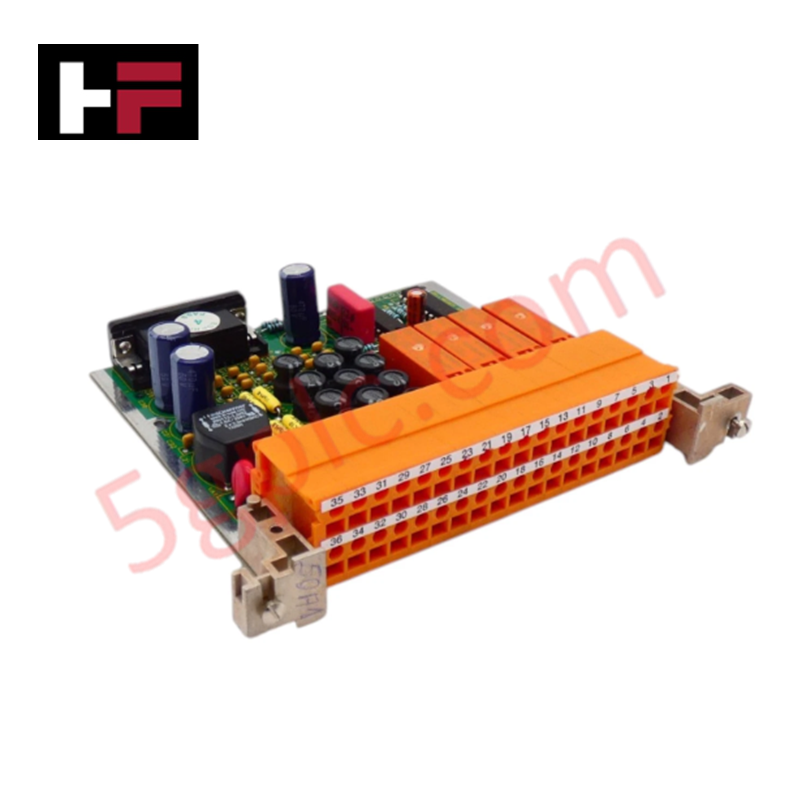
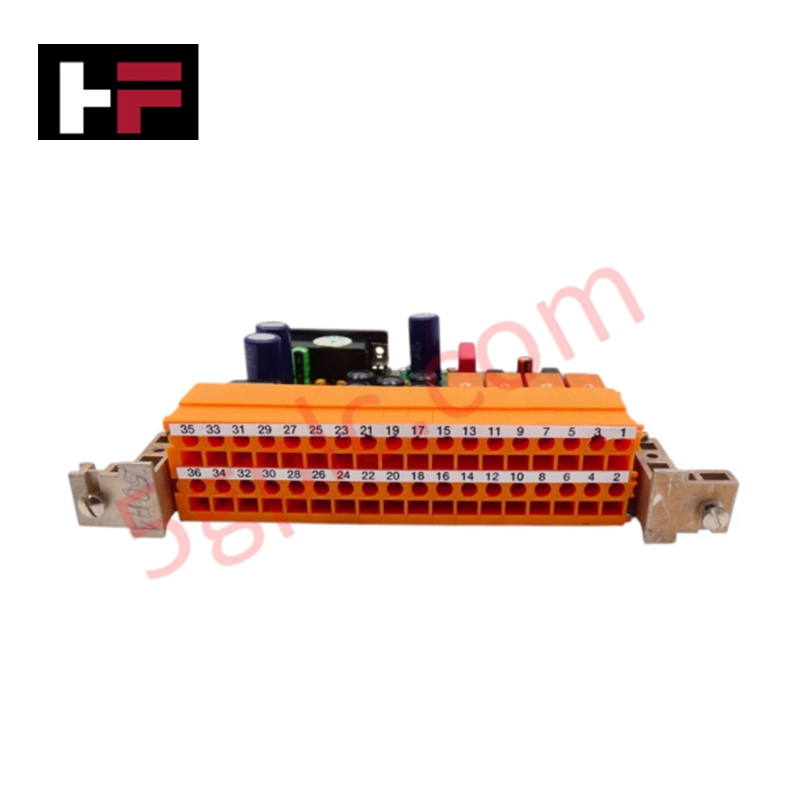
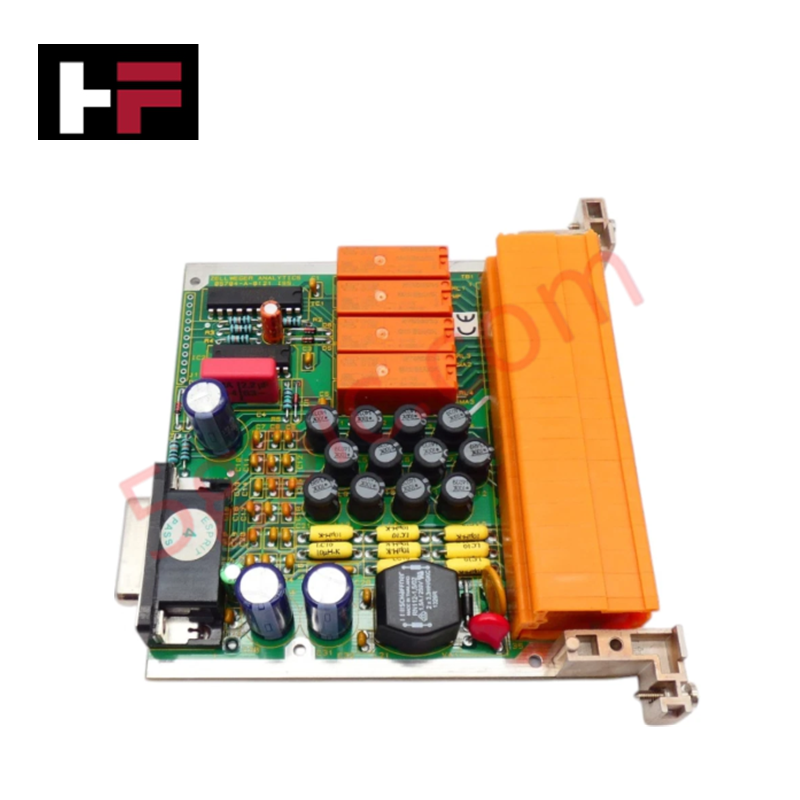
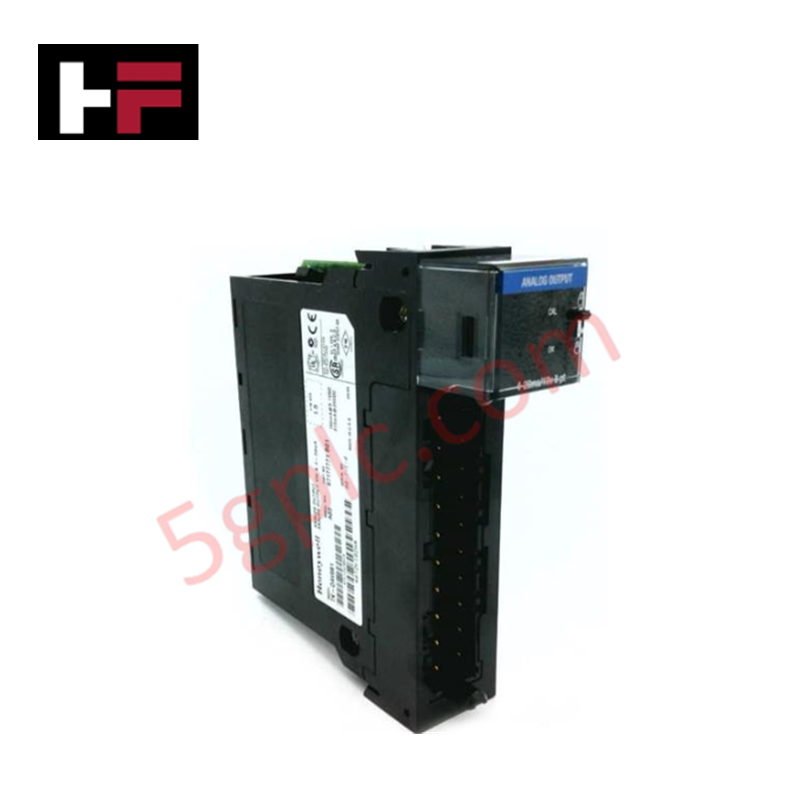
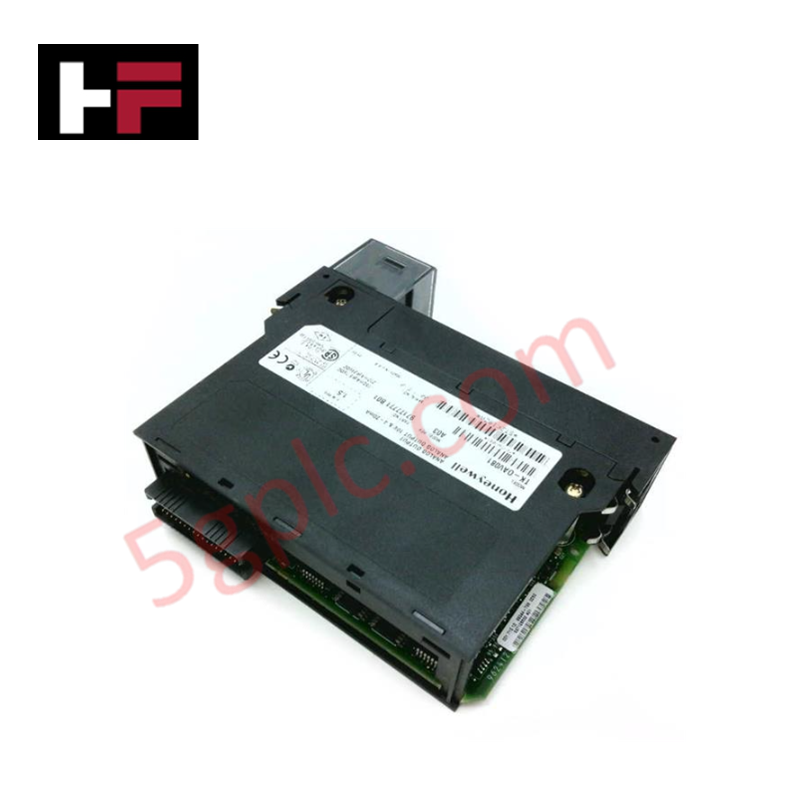
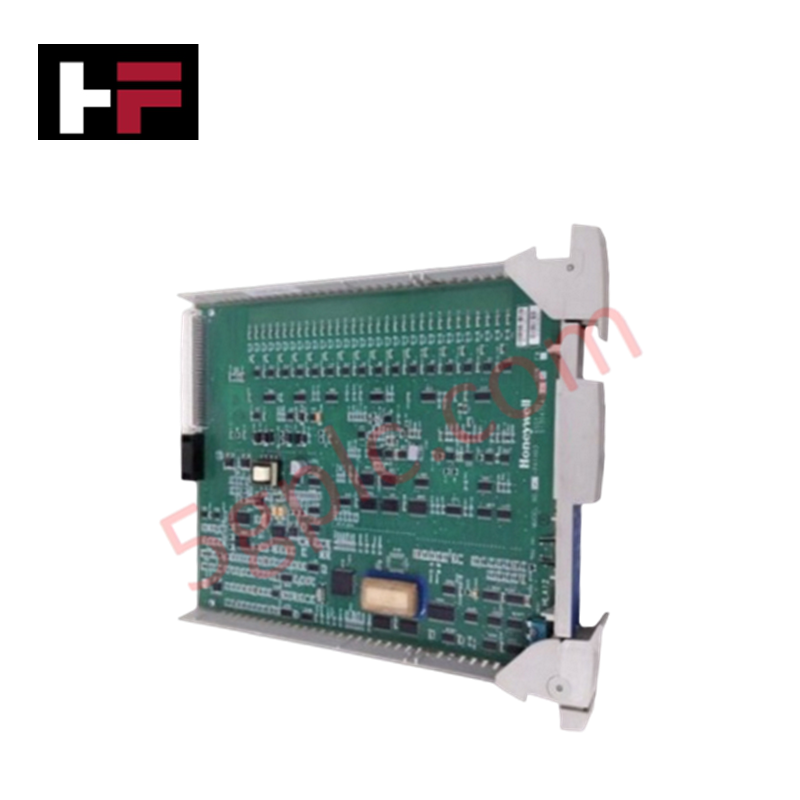
Configured for discrete output switching in gas detection and control architectures, the Honeywell 05704-A-0121 (05704-A-0121 Quad Relay Interface Card) provides direct physical execution of sensor-to-controller signal routing. The module serves as a primary relay interface utilized to execute alarm and control switching across Honeywell DCS platforms.
Hardware Specifications
| Parameter | Specification |
|---|---|
| Model | 05704-A-0121 |
| Brand | Honeywell |
| Weight | 0.23 kg |
| Dimensions | 132 x 25 x 119 mm |
| Operating Temp | Not Specified |
| Power Consumption | 1.0 W (Typical) / 1.7 W (Maximum) |
| Relay Configuration | 4 x SPCO |
| Contact Rating | 5 A at 110/250 VAC; 5 A at 32 VDC (Non-inductive) |
DCS Process Control and Connectivity
The 05704-A-0121 facilitates interconnection between four independent sensors and the control system logic. The module provides channel-to-channel isolation on the relay output side, ensuring that switching transients from one relay do not interfere with adjacent signal paths or the central processing unit. The card supports configurable relay behavior, including latching/non-latching modes and energized/de-energized state logic, allowing for flexible integration into diverse safety and process interlock schemes. HART loop protocol compatibility is maintained for upstream sensors by ensuring the interface card imposes minimal impedance on the primary measurement loop.
Frequently Asked Questions
Q: Can this module be hot-swapped while the field loop is energized?
A: Hot-swapping the 05704-A-0121 is not supported. Removing or installing the card while the backplane is powered may cause an accidental relay state transition or trigger a bus fault, leading to unintended activation of external alarm devices.
Q: Are the relay contacts rated for inductive loads?
A: The contact ratings (5 A at 250 VAC / 32 VDC) are specified for non-inductive loads. If the relay is utilized to drive inductive loads such as solenoid valves or contactor coils, an external suppression device (e.g., flyback diode or snubber circuit) must be installed to prevent arcing and premature relay failure.
Field Installation Guidelines
- Ensure the control rack power is de-energized and locked out before card installation.
- Verify that the field wiring conductor size is compatible with the 2.5 mm (14 AWG) terminal limit.
- Seat the module into the designated rack slot, ensuring the backplane connector is correctly aligned and fully inserted.
- Secure the card faceplate to the rack frame to ensure a low-impedance ground connection, which aids in EMI protection for the relay drive circuitry.
- Configure the relay operational mode (latching/non-latching, energized/de-energized) via the system software or onboard jumpers before commissioning the loop.
Additional Information
- 100% Genuine Parts: All products are original and authentic, ensuring reliable industrial performance.
- 30-Day Refund Guarantee: Return any in-stock item within 30 days in original, unopened packaging for a full refund (excluding shipping and fees).
- 12-Month Warranty: Covers defects in materials or workmanship; excludes misuse, normal wear, or unauthorized modifications.
- Worldwide Shipping: We ship via USPS, UPS, FedEx, and DHL. Delivery times vary by country and may be subject to customs or import fees.
- Support & Contact: Technical and warranty assistance is available anytime. Contact us here: Contact.
- Purchase Guidance: Check product specifications and compatibility carefully before ordering to ensure proper application.



Tech & Buying Guide

PLC and DCS Control System Spares Strategy: Engineering Guidelines
Industrial automation lifecycle management requires robust spare parts planning for Programmable Logic Controller (PLC) and Distributed Control System (DCS) platforms. Plant engineers must correctly categorize spare components during front-end engineering design to maintain high system availability. Miscalculating spare requirements can lead to prolonged unscheduled downtime, project budget overruns, or delayed site commissioning.

Wellhead Control Panel (WHCP) Architecture in Oil and Gas Automation
Upstream oil and gas operations rely on specialized field control platforms to manage wellhead extraction safety and hydraulic actuation. A Wellhead Control Panel (WHCP) serves as a dedicated hydraulic and pneumatic power unit designed to operate critical Christmas Tree isolation valves. By interfacing field safety components directly with Programmable Logic Controller (PLC) architecture, a WHCP protects upstream extraction assets against overpressure, catastrophic leaks, and thermal emergencies.

Understanding Marshalling Cabinets in Industrial Control Systems Architecture
Industrial control system deployments rely on structured signal distribution to bridge field instrumentation with central processing hardware. A marshalling cabinet serves as the vital intermediate connection point between heavy field home-run multi-pair cables and delicate input/output (I/O) modules housed inside Programmable Logic Controller (PLC) or Distributed Control System (DCS) enclosures. By segregating field cable terminations from control hardware, engineers maintain system flexibility, safeguard controller components, and streamline commissioning workflows.