
Product Details
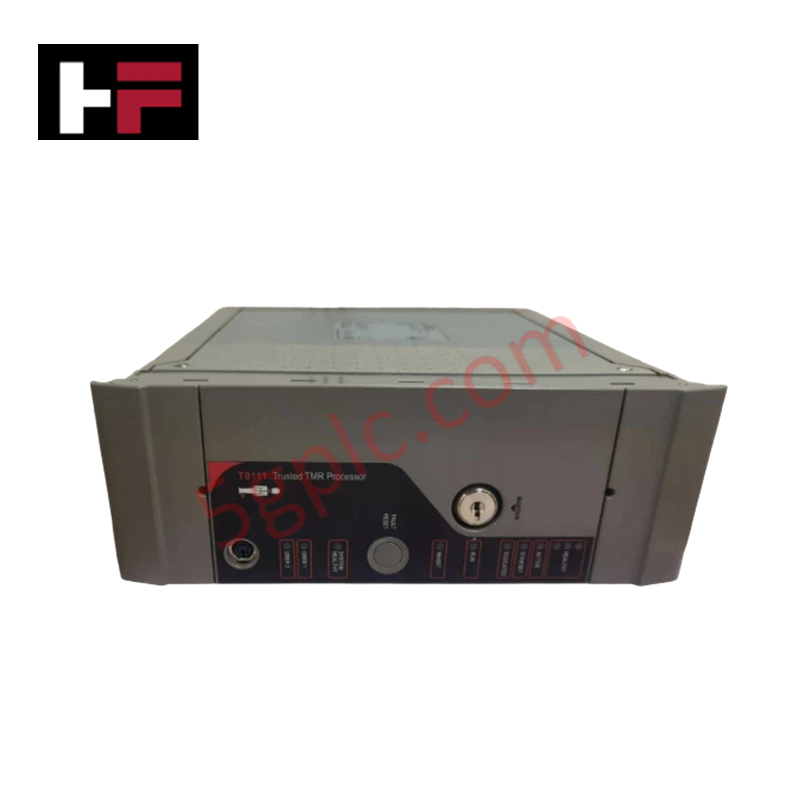
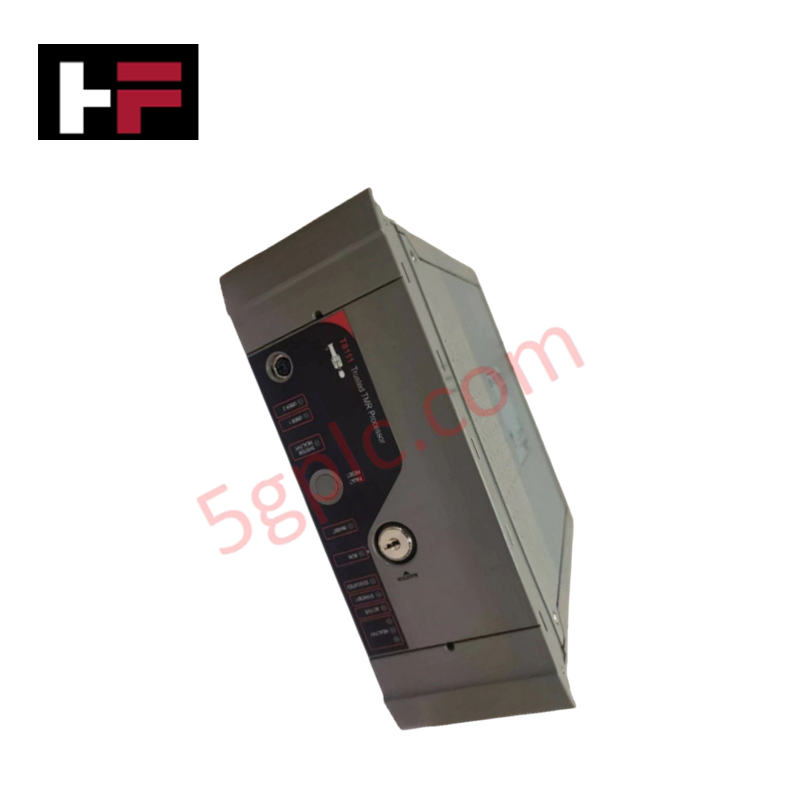
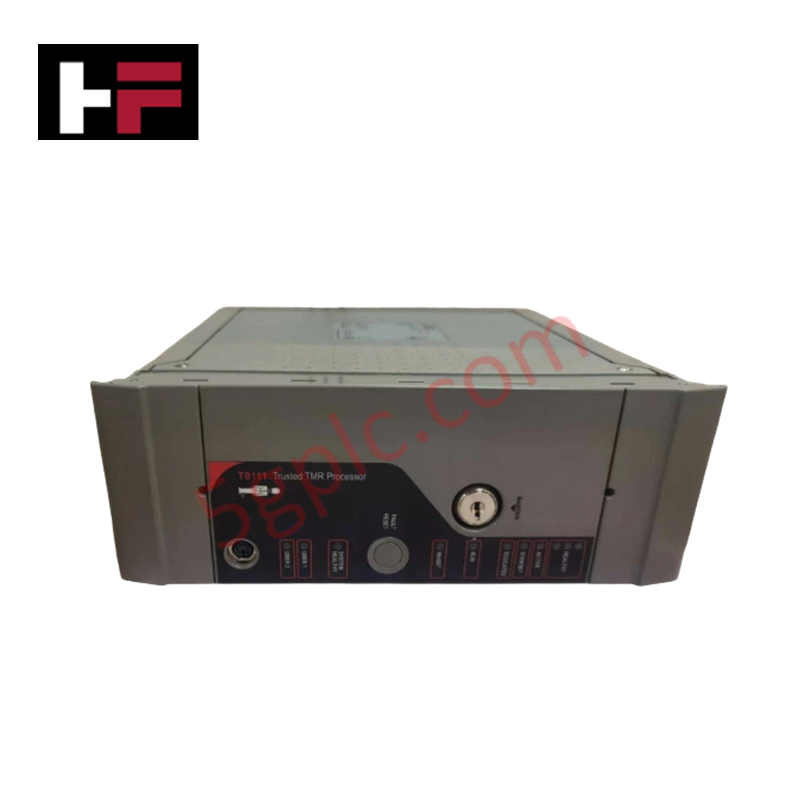
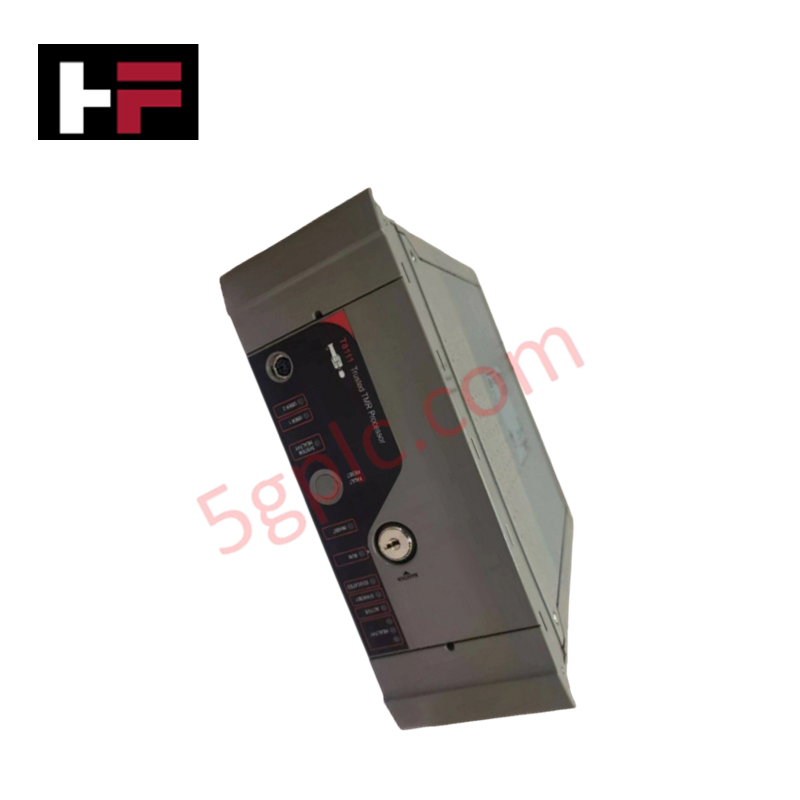
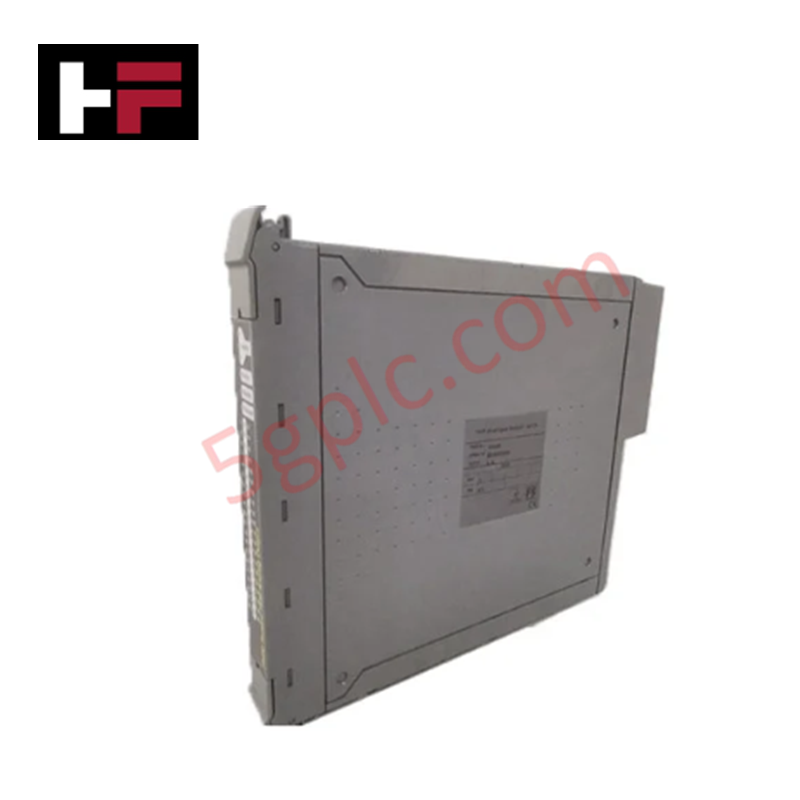
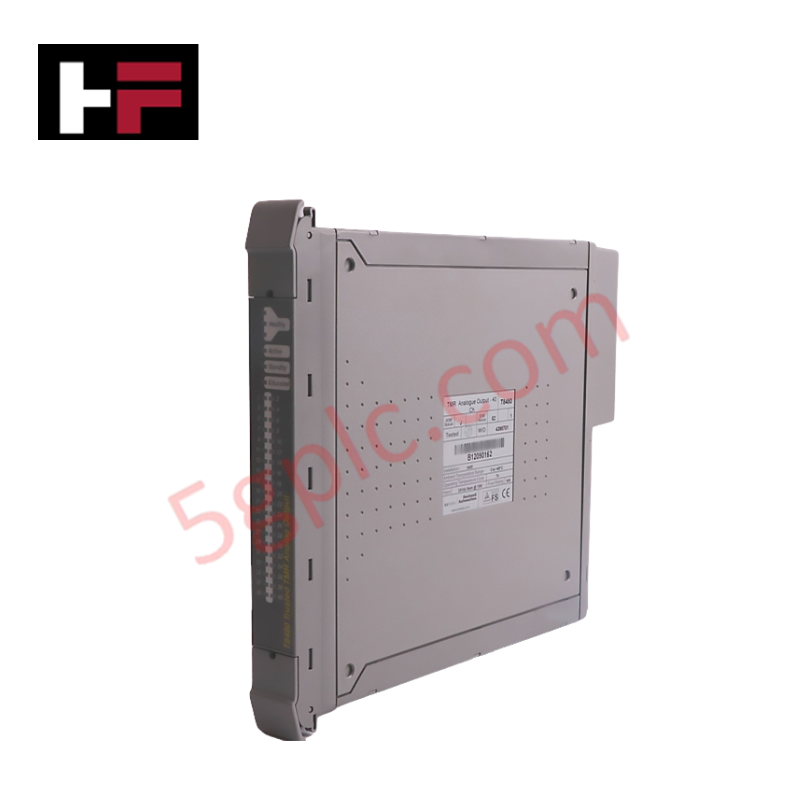
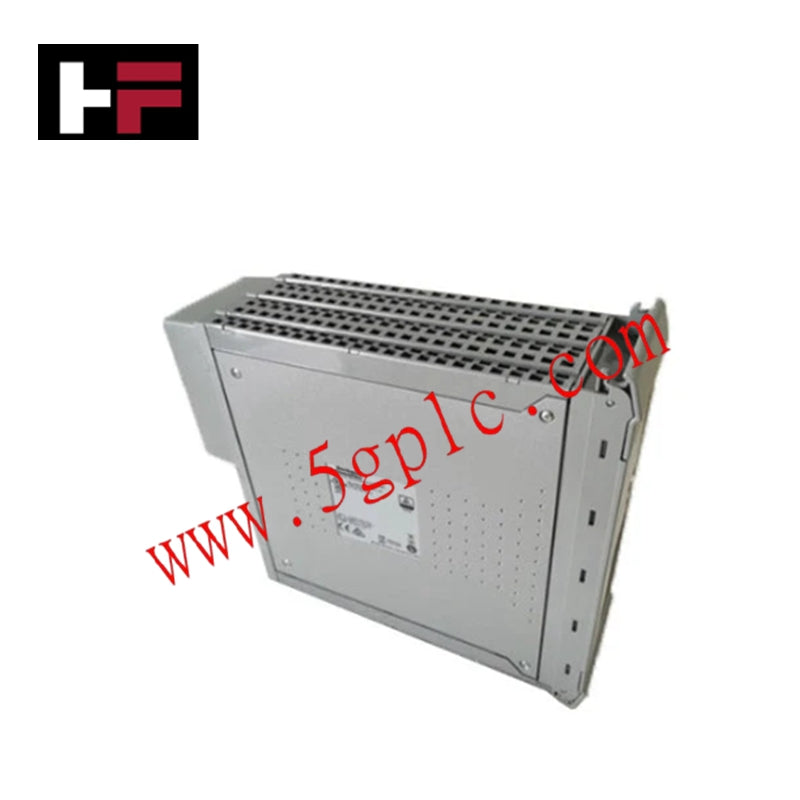
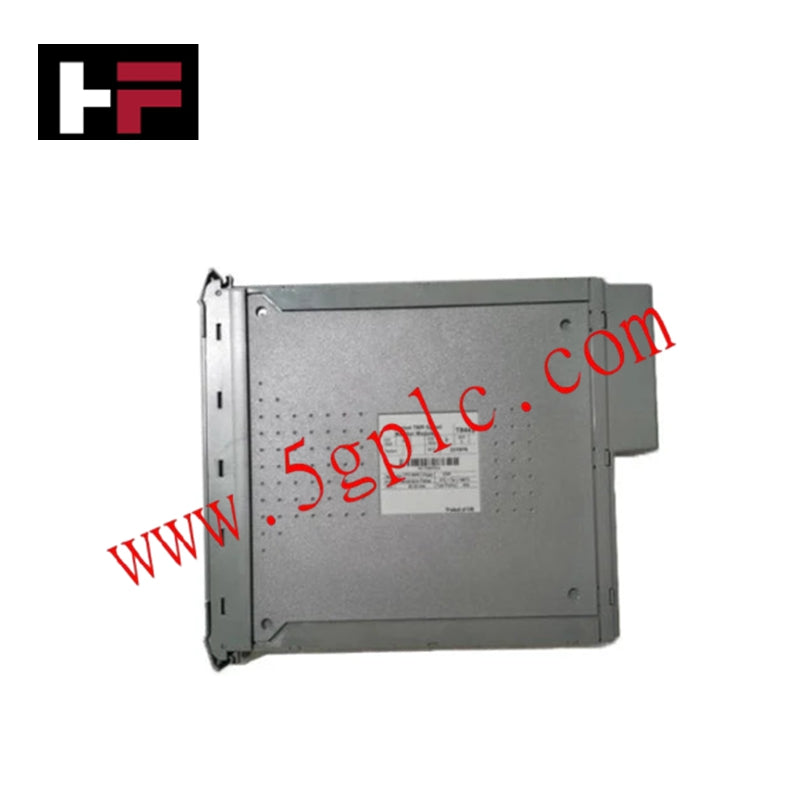
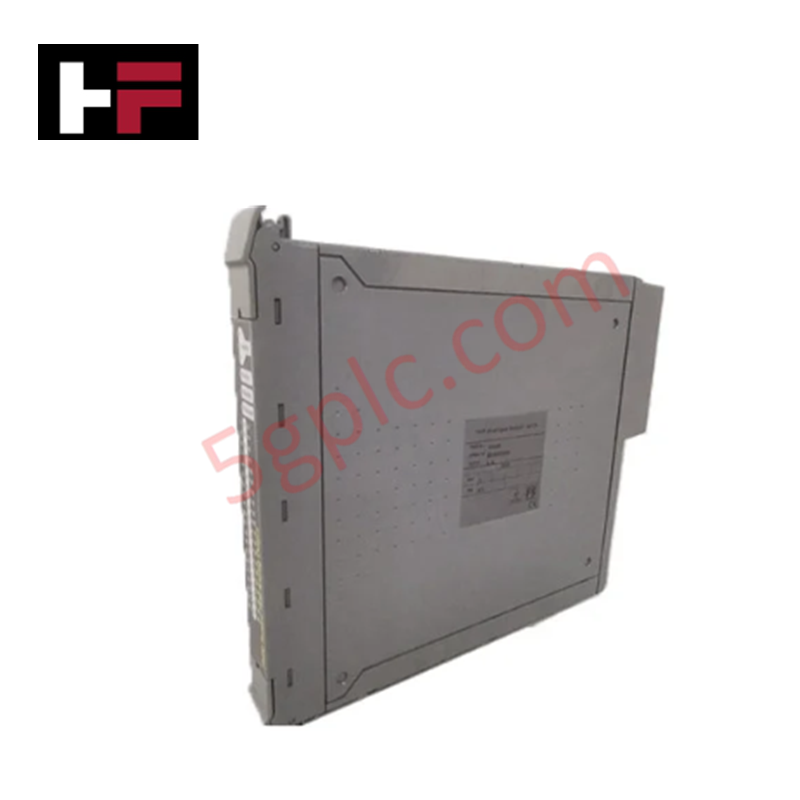
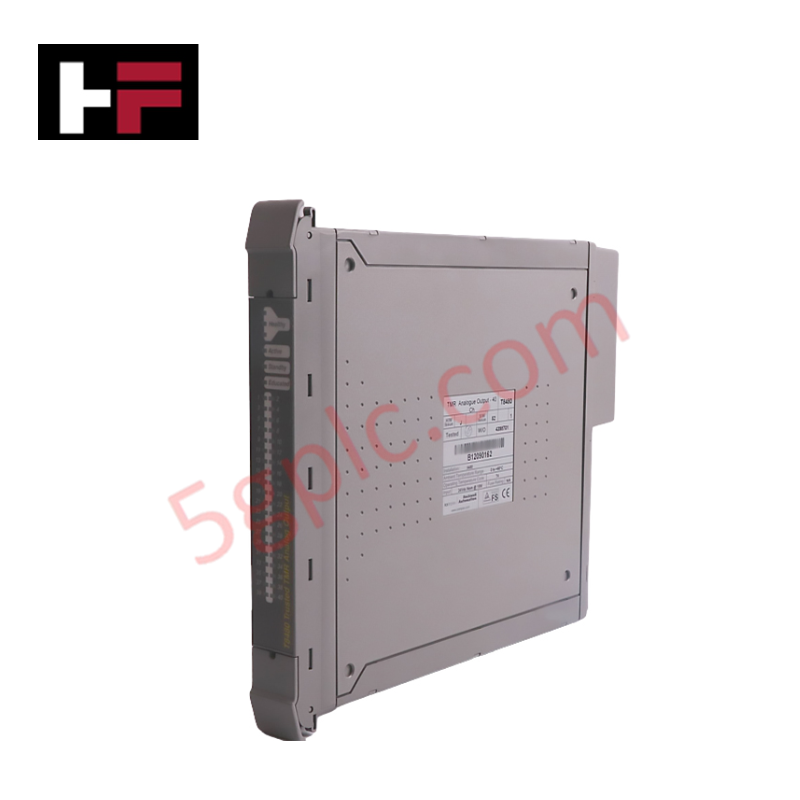
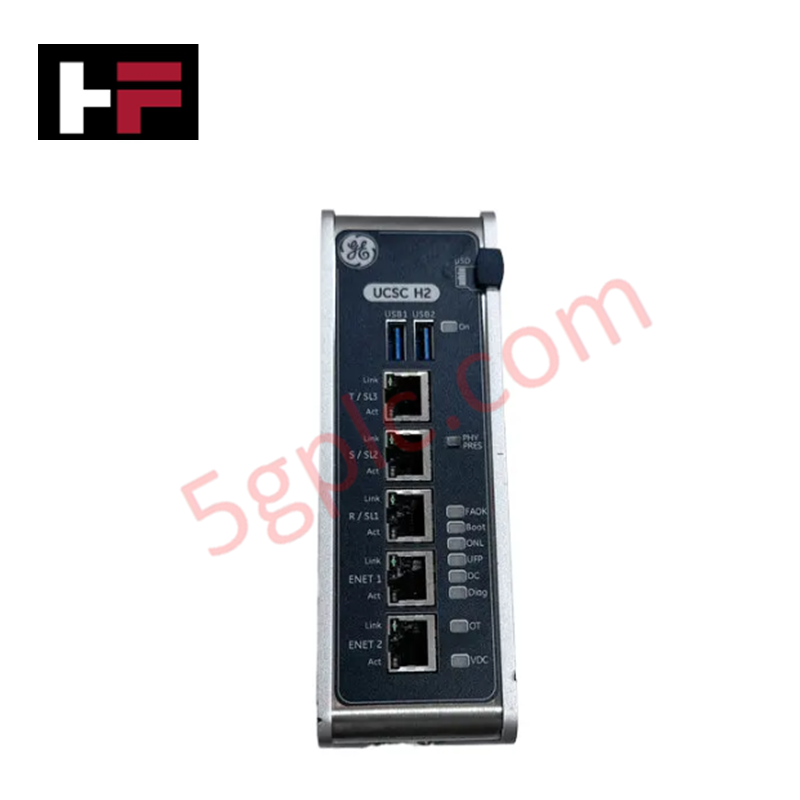
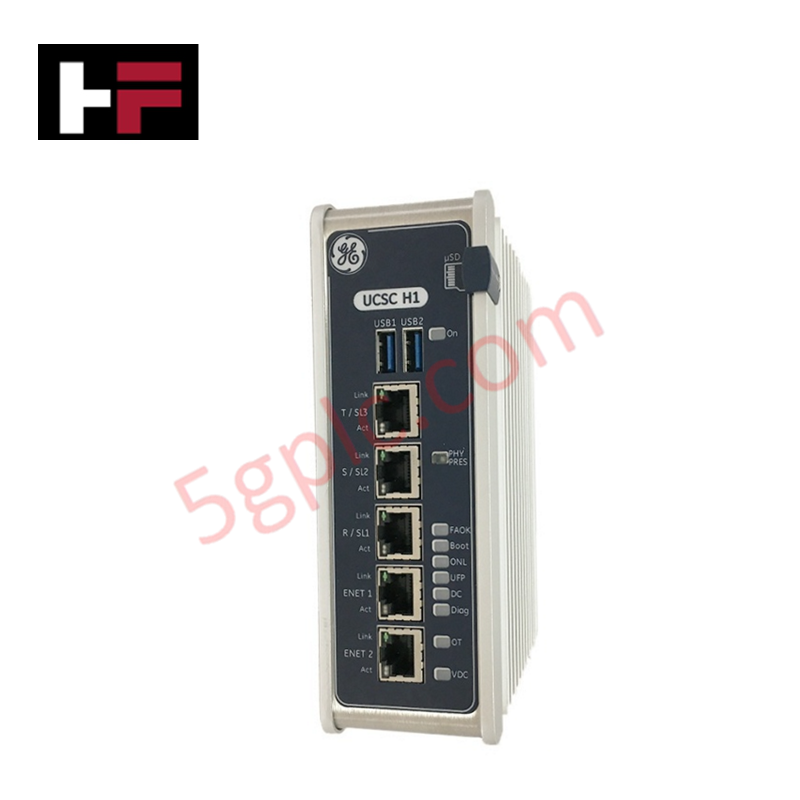
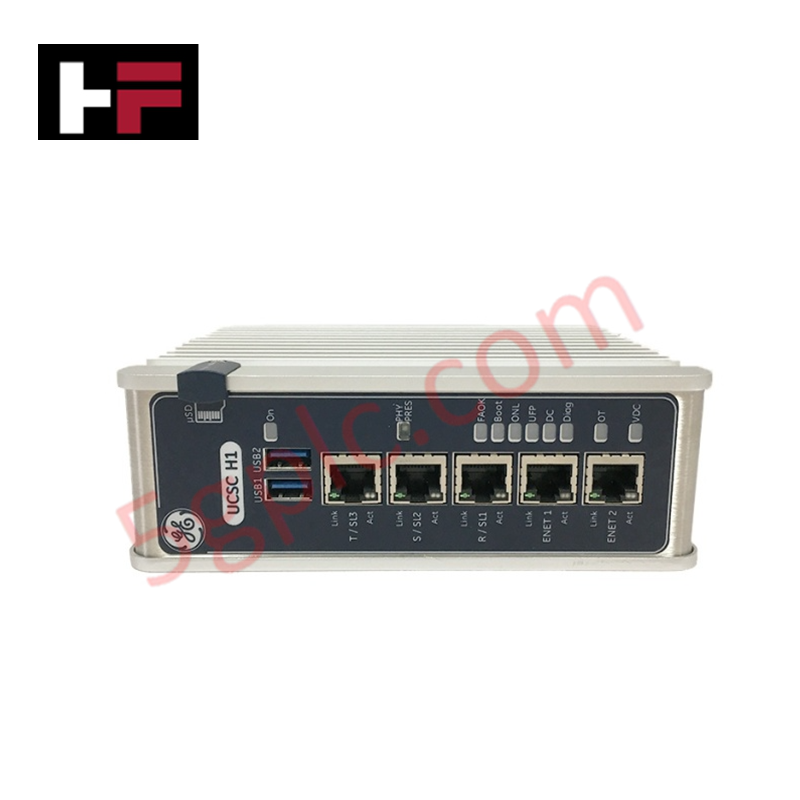
Configured for high-speed logic execution in Mark VIe control networks, the GE IS420UCSCH1A (IS420UCSCH1A Compact Control Module) provides direct physical and electrical execution of real-time turbine control tasks through its embedded processor architecture.
Suffix Breakdown & Model Matrix
The IS420UCSCH1A is a single-model compact controller serving as a functional successor to the UCSB series. It maintains a unified hardware revision index within the Mark VIe product line, requiring no modular decomposition for field deployment.
Hardware Specifications
| Parameter | Specification |
|---|---|
| Model | IS420UCSCH1A |
| Brand | General Electric |
| Origin | USA |
| Weight | Standard control module weight |
| Dimensions | Standard Mark VIe form factor |
| Operating Temp | 0 to 60 deg C |
| Power Consumption | System-bus dependent |
| Processor | 600 MHz Intel Celeron-M |
| Memory | 256 MB DDR2 SDRAM |
| OS | QNX Neutrino |
Profinet / EtherNet/IP Deterministic Networks
The IS420UCSCH1A utilizes high-speed IONet communication to maintain deterministic network performance across the Mark VIe platform. By employing the QNX Neutrino real-time operating system, the module achieves precise task scheduling and backplane bus communication velocity, minimizing latency in mission-critical control loops. The hardware supports I/O density scaling, allowing for seamless integration with distributed I/O packs while maintaining synchronized data exchange. Firmware flash compatibility is managed via the ControlST suite, ensuring that the controller remains compliant with the specific site configuration and logic requirements. The fanless convection cooling design ensures operation within industrial thermal limits without the need for active mechanical maintenance.
Frequently Asked Questions
Q: Does the IS420UCSCH1A support hot-swapping during active turbine operation?
A: No. The controller must be taken offline and de-energized before removal or installation to prevent potential bus errors and maintain the integrity of the IONet segment.
Q: Is the memory expandable beyond the factory-installed 128 MB Compact Flash?
A: Yes. The unit includes an expandable Compact Flash slot, allowing for the storage of larger logic datasets or extended diagnostic logs as required by specific application configurations.
Field Installation Guidelines
- Mounting: Secure the module to a 35 mm DIN rail or via the designated base-mount chassis points. Ensure the orientation allows for optimal convection cooling, as the unit relies on fanless thermal dissipation.
- Wiring: Connect the three 10/100 Ethernet ports to the IONet switches. Use shielded CAT5e or higher Ethernet cabling to maintain signal integrity and satisfy noise immunity requirements in high-EMI environments.
- Grounding: Bond the module chassis to the cabinet ground stud using a low-impedance braided strap to ensure effective EMI shielding and electrical protection.
- Configuration: Utilize the ControlST software suite to load the application-specific firmware onto the module. Verify the successful boot of the QNX Neutrino OS before enabling I/O communication.
- Environment: Monitor the module ambient temperature. While rated for 0 to 60 deg C, maintain adequate clearance around the unit to prevent hot-spot development and premature component aging.
Additional Information
- 100% Genuine Parts: All products are original and authentic, ensuring reliable industrial performance.
- 30-Day Refund Guarantee: Return any in-stock item within 30 days in original, unopened packaging for a full refund (excluding shipping and fees).
- 12-Month Warranty: Covers defects in materials or workmanship; excludes misuse, normal wear, or unauthorized modifications.
- Worldwide Shipping: We ship via USPS, UPS, FedEx, and DHL. Delivery times vary by country and may be subject to customs or import fees.
- Support & Contact: Technical and warranty assistance is available anytime. Contact us here: Contact.
- Purchase Guidance: Check product specifications and compatibility carefully before ordering to ensure proper application.


Tech & Buying Guide

Understanding VFD Mechanical Brake Logic and Control in Industrial Automation
Variable Frequency Drives (VFDs) play a crucial role in modern industrial automation by controlling motor speed, torque, and acceleration. However, high-inertia loads and vertical lifting systems require precise mechanical braking logic to ensure operational safety and prevent equipment damage.

Why Programmable Logic Controllers Drop into Stop Mode: An Expert Analysis
Industrial automation systems rely heavily on Programmable Logic Controllers (PLCs) to maintain uninterrupted production. When a PLC unexpectedly shifts from Run to Stop mode, whole manufacturing lines stall.
As control systems evolve across modern factory automation, understanding the root causes of these interruptions helps engineers minimize costly downtime. This technical guide breaks down why PLCs trip into Stop mode and provides practical strategies to mitigate system faults.

Understanding Root Causes of Unplanned PLC Stop Mode in Industrial Automation
Modern Programmable Logic Controllers manage execution through distinct operational states: Run, Stop, Start-Up, and Hold. During power-up, a controller initializes memory registers within Stop mode before briefly transitioning to Start-Up mode. During this phase, internal self-diagnostics evaluate system integrity across hardware and user programs. If the controller detects no critical faults, it enters Run mode to execute the control program continuously. However, any severe system anomaly forces the CPU back into Stop mode immediately to prevent erratic machine behavior across the plant floor.