










Product Details
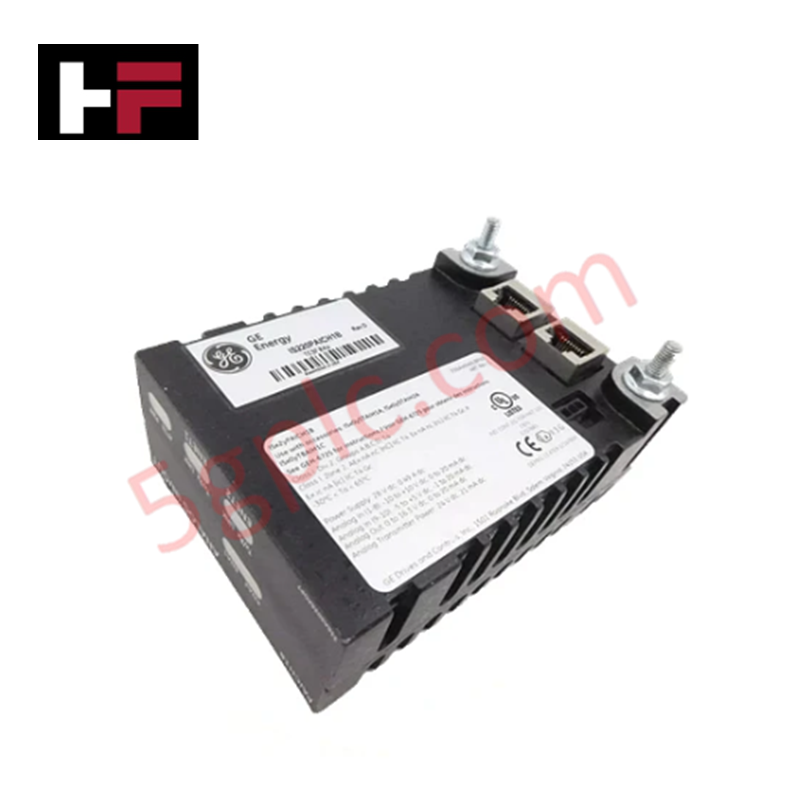
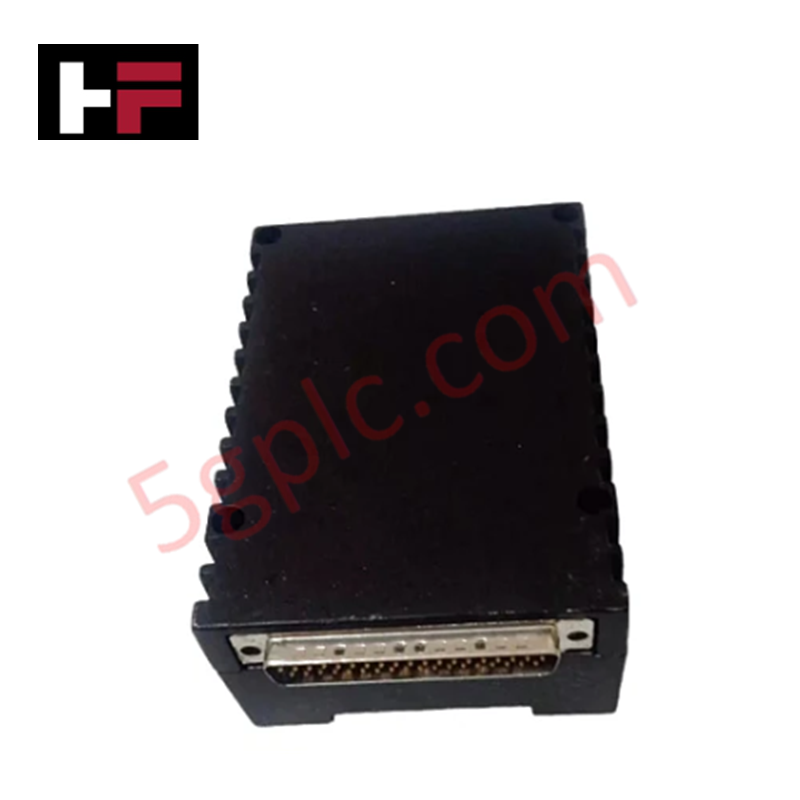
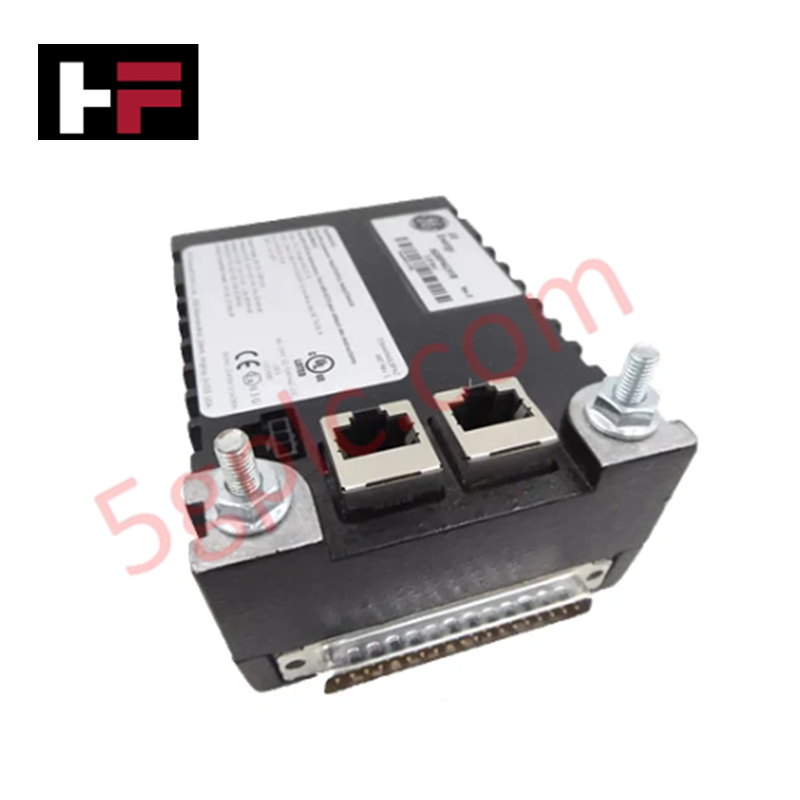
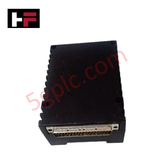
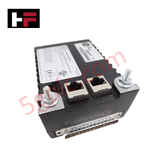
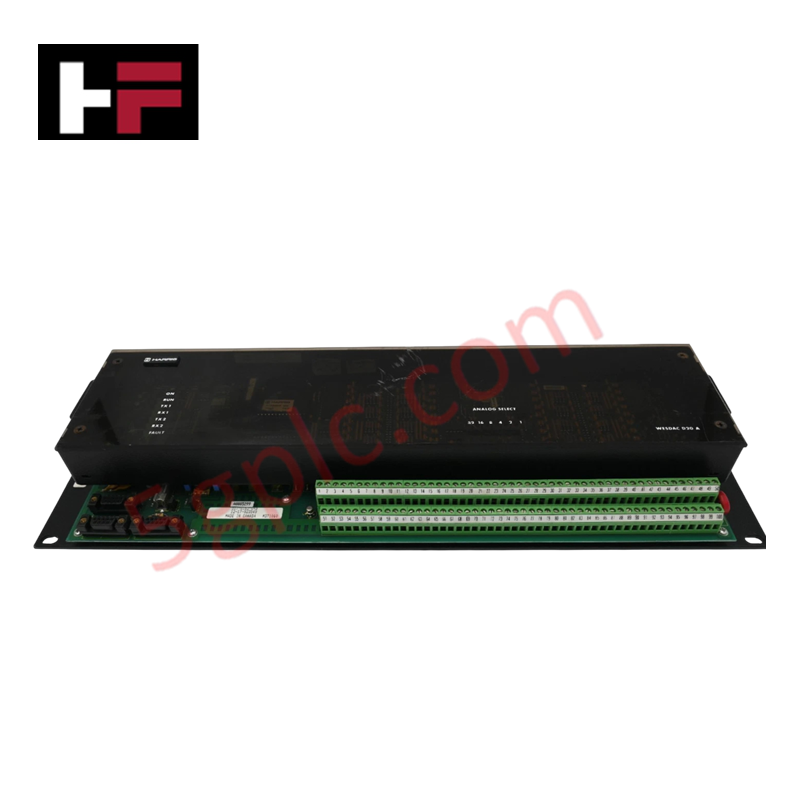
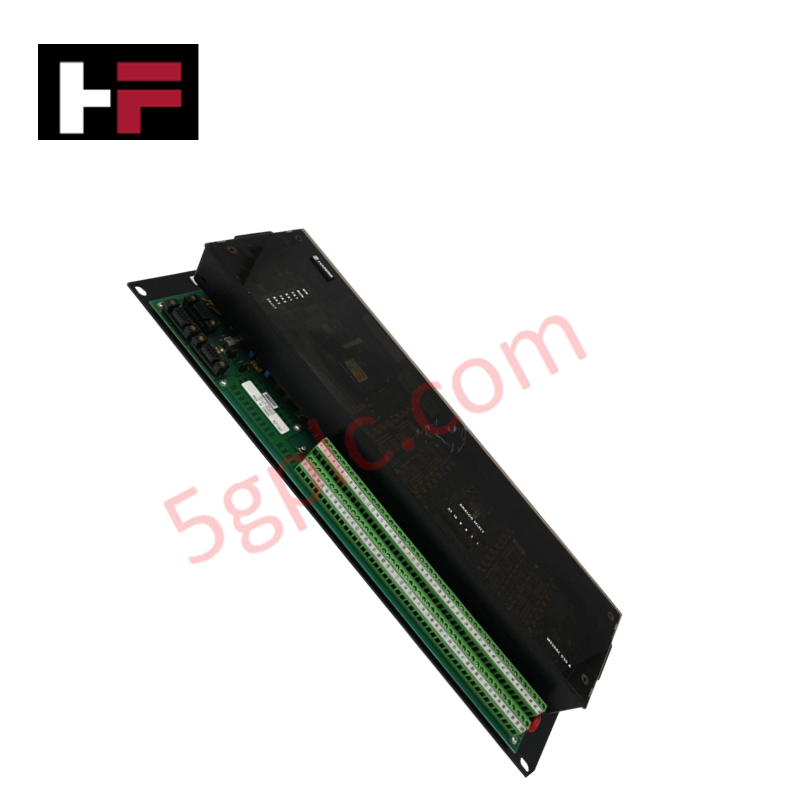
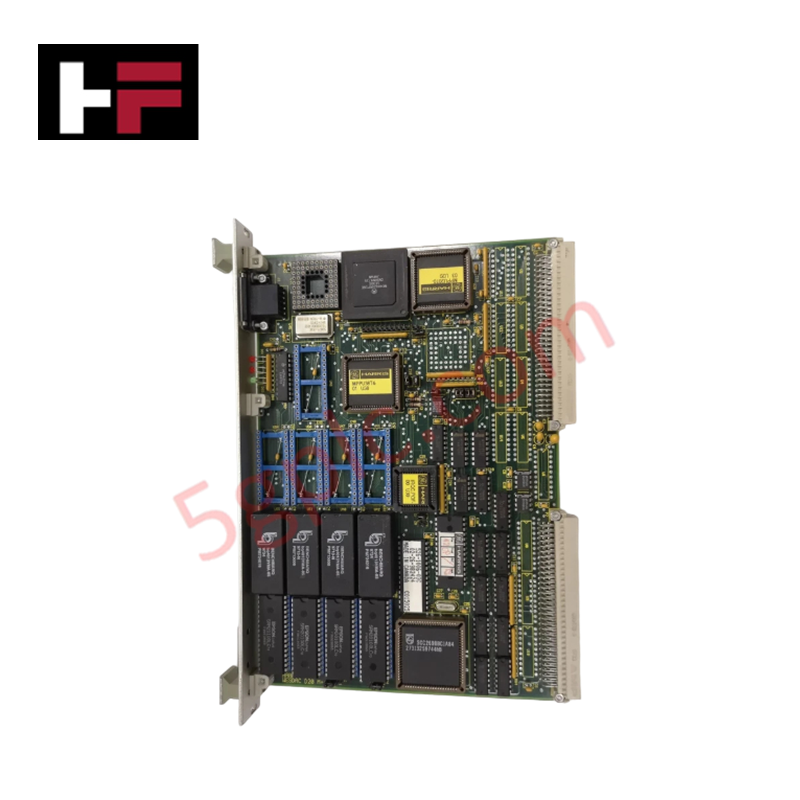
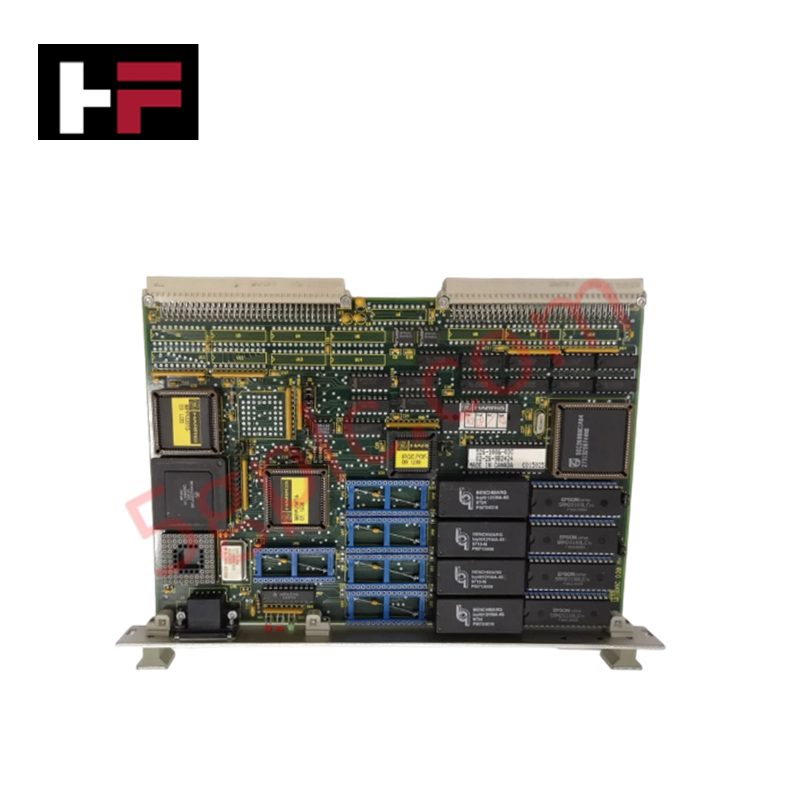
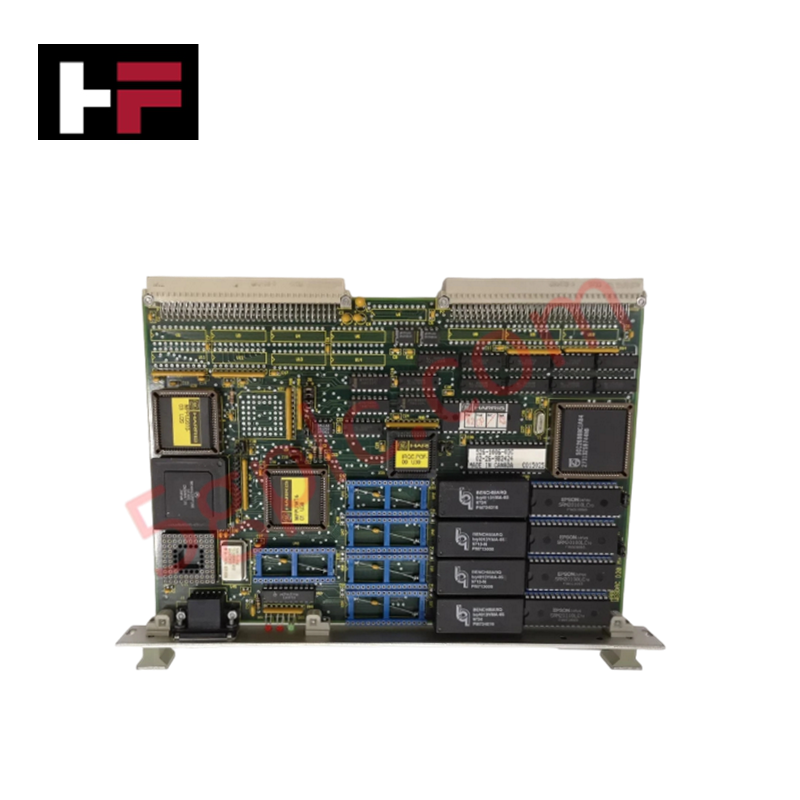
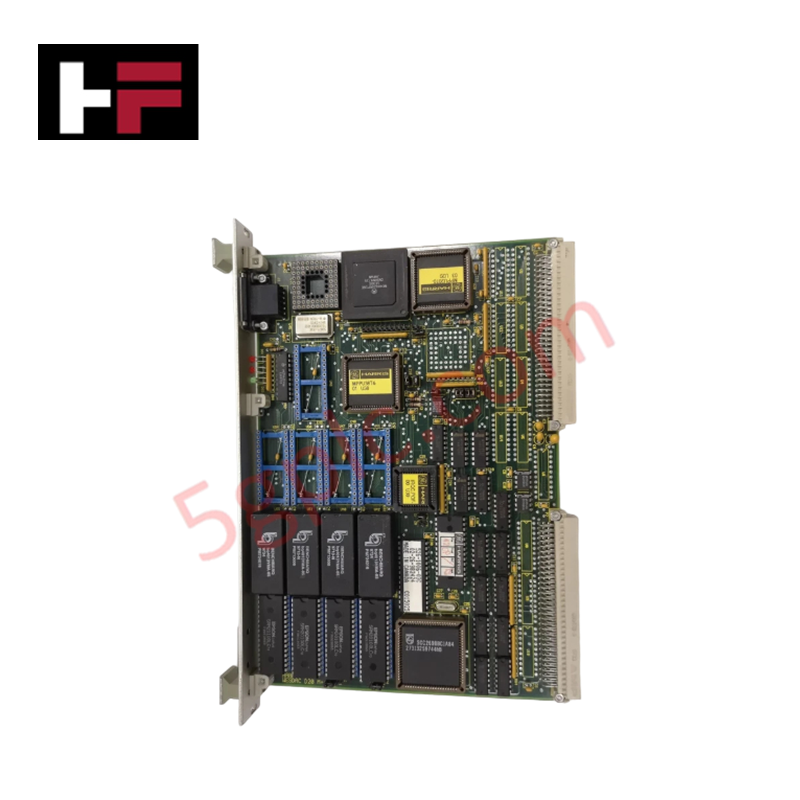
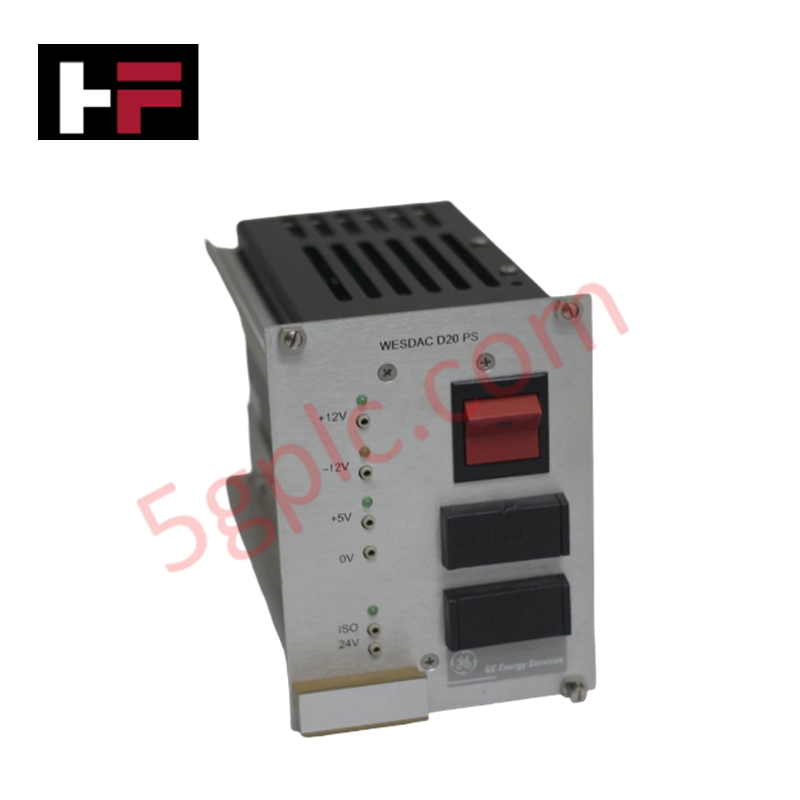
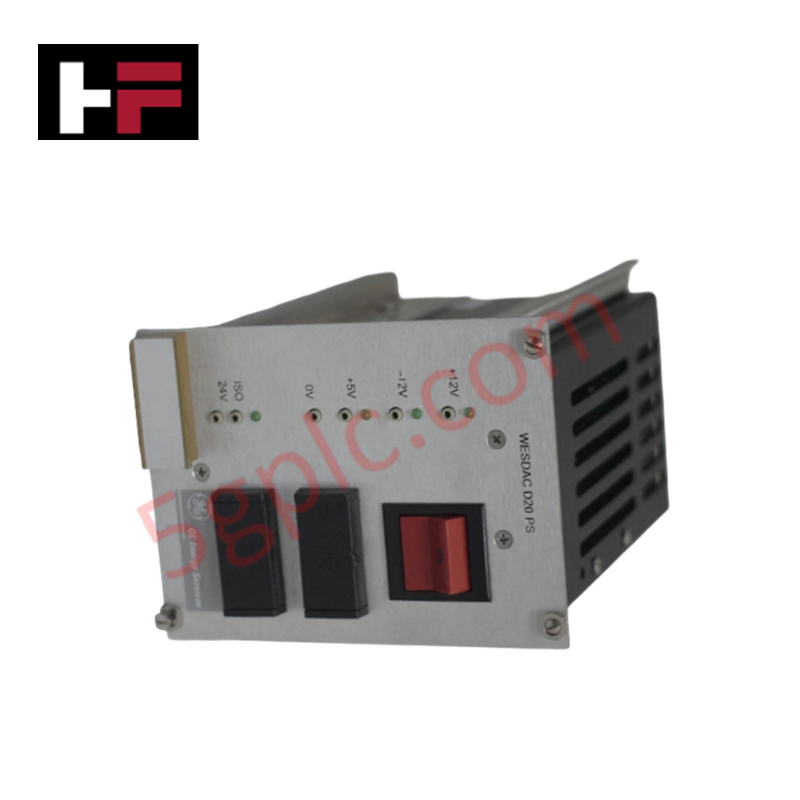
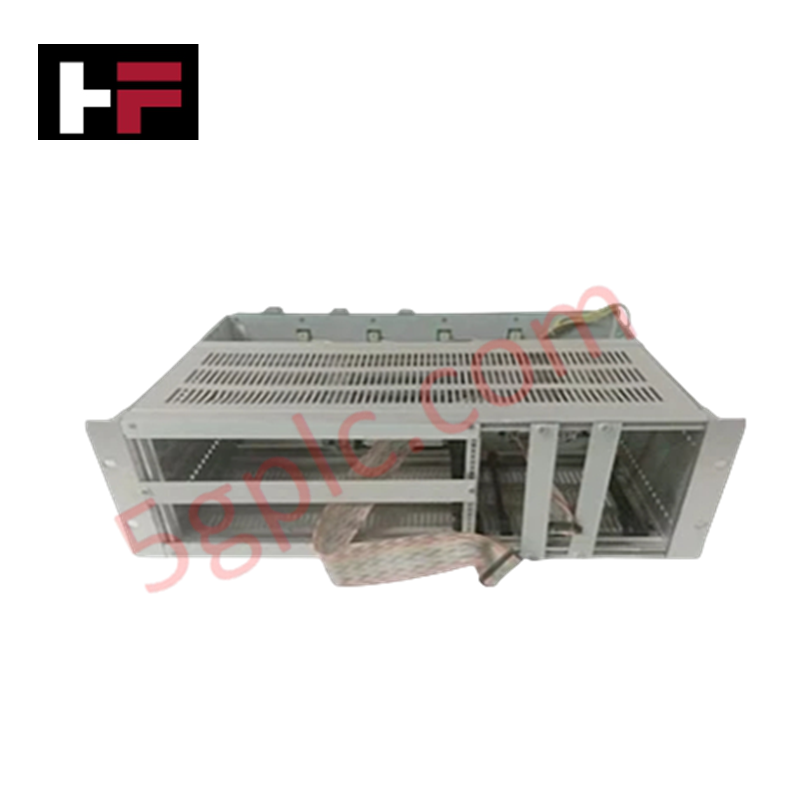
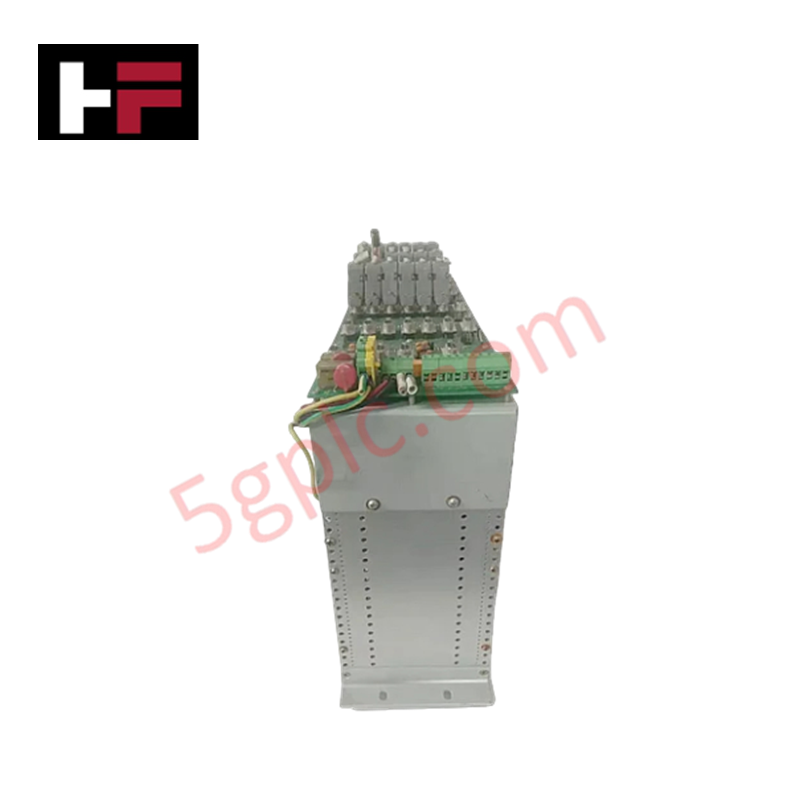
Configured for emergency turbine protection and independent watchdog monitoring in Mark VIe control systems, the GE IS220PPROS1B (IS220PPROS1B Emergency Turbine Protection I/O Pack) provides direct physical/electrical execution. This module functions as a critical component in TMR architectures to execute backup overspeed protection and generator synchronization verification.
Hardware Specifications
| Parameter | Specification |
|---|---|
| Model | IS220PPROS1B |
| Brand | General Electric |
| Origin | USA |
| Weight | 0.45 kg |
| Dimensions | 14.3 cm x 23.1 cm |
| Operating Temp | -30 to 65 deg C |
| Power Supply | 24 VDC |
| Series | Mark VIe |
Backplane Bus Communication Velocity and System Integration
The IS220PPROS1B utilizes high-speed internal bus communication to interface with the Mark VIe main controller. System reliability is contingent upon maintaining firmware flash compatibility across the TMR I/O pack cluster and the primary control processor. I/O density scaling is managed by the connection to the SPRO terminal board, which provides the physical interface for turbine emergency trip signals. Proper configuration of the Ethernet-based I/O communication ensures deterministic reporting of trip status and watchdog heartbeats to the supervisory control layer.
Frequently Asked Questions
Q: Is the IS220PPROS1B compatible with all emergency trip terminal boards?
A: No. The I/O pack is designed to connect to specific SPRO terminal boards, which in turn interface with TREG (Gas Turbine), TREL (Large Steam Turbine), TRES (Small/Medium Steam Turbine), or TREA (Turbine) emergency trip terminal boards.
Q: Can this I/O pack be used in a simplex configuration?
A: While the protection system is typically implemented in a triple modular redundant (TMR) 2oo3 architecture to ensure fault-tolerant operation, the electrical interface is designed for deployment with the SPRO terminal board as defined in the specific turbine protection application requirements.
Field Installation Guidelines
- Terminal Board Interface: Connect the IS220PPROS1B to the SPRO terminal board using the designated DC-37 pin cable. Verify that both ends of the cable are fully seated and the locking screws are engaged to prevent intermittent signal transmission.
- TMR Configuration: In a TMR installation, ensure all three PPRO I/O packs are properly indexed to the controller to prevent configuration mismatches and to allow for valid majority voting logic.
- Environmental Sealing: Given the module's operating range of -30 to 65 deg C, ensure the cabinet environment is controlled to prevent condensation or extreme thermal cycling, which can induce stress on the board-level components.
- Shielding and Grounding: Ensure the cable shields are terminated at the designated points on the terminal board to provide a low-impedance path for EMI protection, essential for reliable overspeed detection.
Additional Information
- 100% Genuine Parts: All products are original and authentic, ensuring reliable industrial performance.
- 30-Day Refund Guarantee: Return any in-stock item within 30 days in original, unopened packaging for a full refund (excluding shipping and fees).
- 12-Month Warranty: Covers defects in materials or workmanship; excludes misuse, normal wear, or unauthorized modifications.
- Worldwide Shipping: We ship via USPS, UPS, FedEx, and DHL. Delivery times vary by country and may be subject to customs or import fees.
- Support & Contact: Technical and warranty assistance is available anytime. Contact us here: Contact.
- Purchase Guidance: Check product specifications and compatibility carefully before ordering to ensure proper application.
Tech & Buying Guide
Essential Motion Control Commands: A Practical Guide for Engineers
Automation engineers often rely on precise position and speed control to drive modern factory machinery. Modern industrial systems, such as Programmable Logic Controllers (PLCs) and Distributed Control Systems (DCS), depend heavily on standardized motion instructions. Mastering these commands ensures operational safety, protects mechanical components, and optimizes cycle times across production lines.

The Role of Intrinsic Safety Barriers in PLC and DCS Architectures
Implementing robust protection in hazardous industrial environments represents a fundamental safety requirement in factory automation. Process facilities often handle volatile gases, dusts, and chemical agents that pose significant combustion risks. Consequently, control system engineers must deploy energy-limiting interfaces to isolate safe-area control cabinets from hazardous-area field instrumentation. This article examines the function, selection, and electrical principles of intrinsic safety barriers within modern PLC and DCS networks.

Architectural Selection and Scale Classification of PLC Systems in Industrial Automation
Selecting the correct control platform represents a foundational engineering decision in factory automation. System designers must carefully balance technical parameters against long-term operational requirements when implementing a Programmable Logic Controller (PLC). This article examines the critical evaluation metrics, physical scale classifications, and operational architectures of modern control systems.