










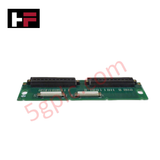
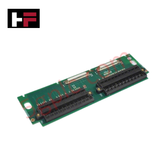
Product Details
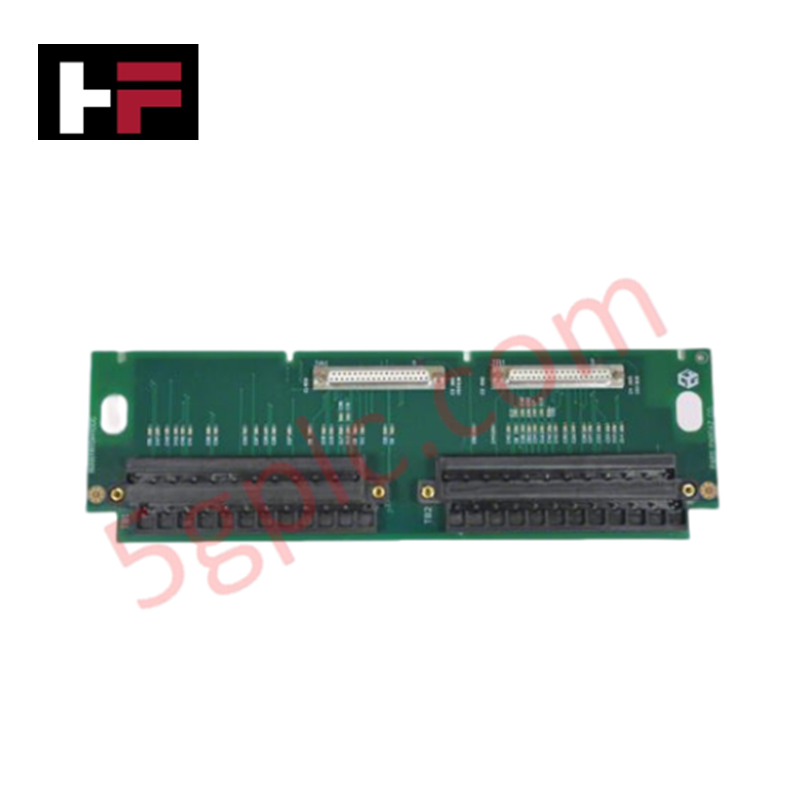
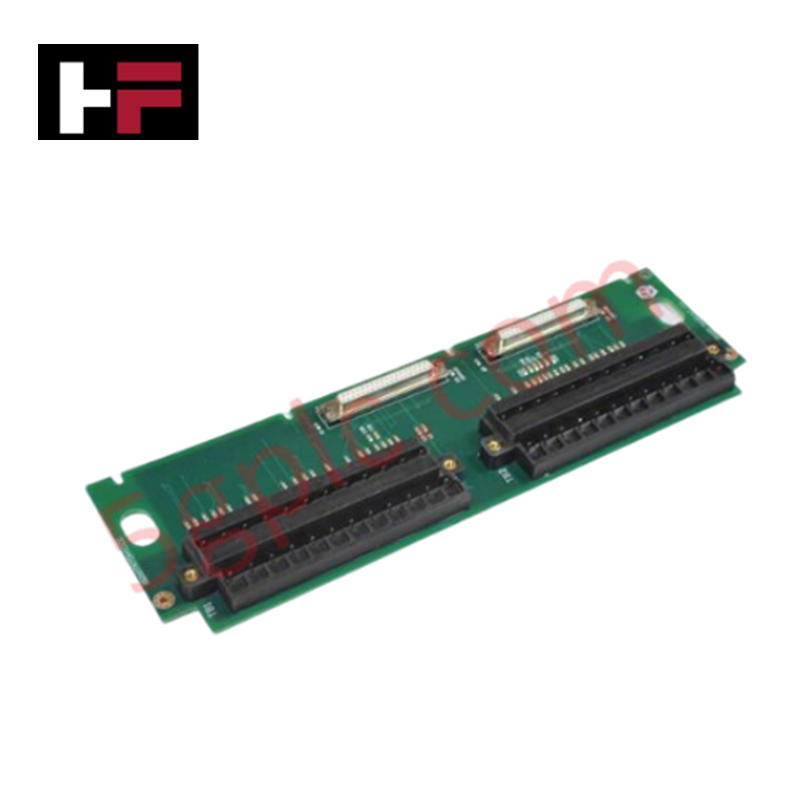
The GE IS200TRTDH1C, also cataloged as the IS200TRTDH1C RTD Input Terminal Board, operates as a dedicated hardware component for multi-channel temperature signal acquisition within Mark VIe distributed control platforms.
Hardware Specifications
| Parameter | Specification |
|---|---|
| Model | IS200TRTDH1C |
| Brand | General Electric |
| Origin | USA |
| Dimensions | 6.25 in x 4.25 in |
| Operating Temp | 0 deg C to 60 deg C |
| Power Consumption | 400 W (Total capacity) |
| Input Capacity | 16 three-wire RTD inputs |
Profinet / EtherNet/IP Deterministic Networks
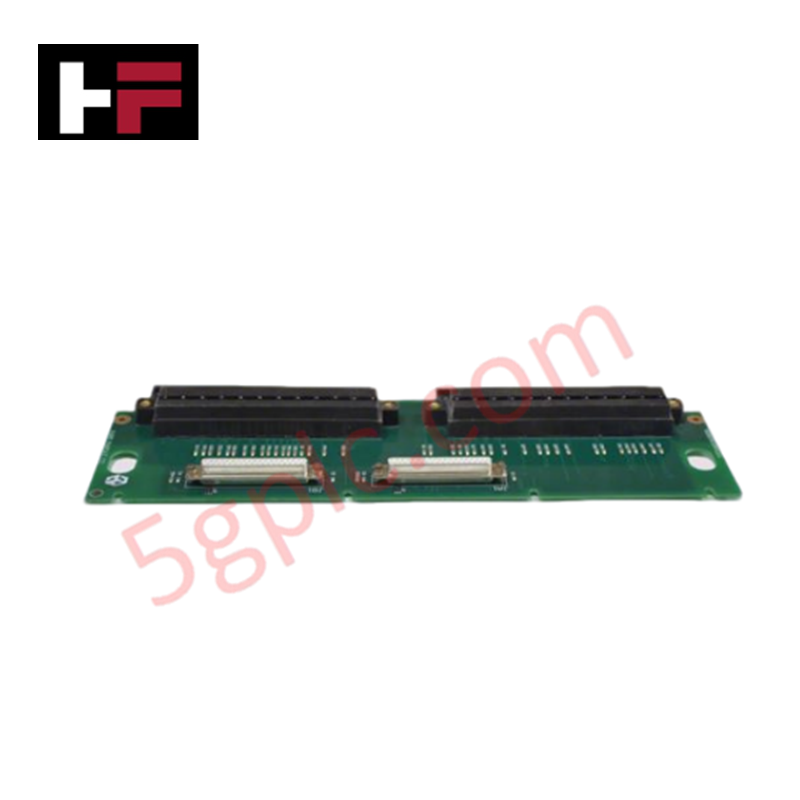
The IS200TRTDH1C manages the termination and conditioning of 16 three-wire RTD signals. The board utilizes integrated noise-reduction circuitry at each input to mitigate high-frequency interference and surge events before signal conversion. The terminal board interfaces with I/O processors (VRTD boards) via two DC-type connectors to digitize temperature values for controller transmission. Deterministic operation is maintained through synchronized communication between the TRTD and the I/O processors, ensuring that thermal data is ingested within established controller scan cycles. I/O density scaling is supported through the board's modular architecture, allowing for straightforward expansion of temperature monitoring points within the Mark VIe control cabinet.
Frequently Asked Questions
Q: Can the IS200TRTDH1C be used in TMR (Triple Modular Redundant) systems?
A: No. The IS200TRTDH1C is a simplex configuration board. For TMR applications, the TRTDH1B variant is required, which provides the necessary six DC-type connectors to interface with three redundant VRTD boards.
Q: How does the board handle high-frequency noise on RTD inputs?
A: The board features dedicated surge and noise-reduction circuitry at the point of input. This circuitry filters induced noise from field cabling before the signal is passed to the analog-to-digital conversion stage.
Field Installation Guidelines
- Terminal Block Wiring: Use the two provided barrier-type terminal blocks for all field connections. Ensure that the three-wire RTD leads are terminated securely to prevent resistance imbalances, which can cause significant measurement errors in temperature readings.
- Mounting: Secure the board onto a flat panel or DIN-rail. Ensure a clean mechanical connection to the cabinet ground to maximize the effectiveness of the noise suppression circuitry.
- Signal Segregation: Maintain physical separation between RTD input wiring and high-current power or AC control wiring to minimize inductive noise ingress.
- Connector Seating: Ensure the two DC-type connectors linked to the VRTD boards are fully seated and locked. Loose connections can introduce contact resistance that degrades the precision of the temperature feedback loop.
Additional Information
- 100% Genuine Parts: All products are original and authentic, ensuring reliable industrial performance.
- 30-Day Refund Guarantee: Return any in-stock item within 30 days in original, unopened packaging for a full refund (excluding shipping and fees).
- 12-Month Warranty: Covers defects in materials or workmanship; excludes misuse, normal wear, or unauthorized modifications.
- Worldwide Shipping: We ship via USPS, UPS, FedEx, and DHL. Delivery times vary by country and may be subject to customs or import fees.
- Support & Contact: Technical and warranty assistance is available anytime. Contact us here: Contact.
- Purchase Guidance: Check product specifications and compatibility carefully before ordering to ensure proper application.


Tech & Buying Guide

Understanding Marshalling Cabinets in Industrial Automation and Control Systems
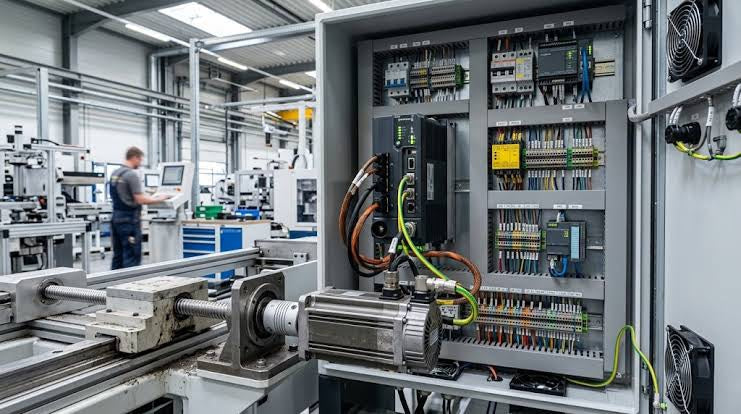
Marshalling cabinets serve as the crucial connection hub between field instruments and centralized processing units. In large DCS and PLC control system architectures, hundreds of multipair field cables run from local junction boxes to the central instrument equipment room. The marshalling cabinet houses field terminal blocks, surge arresters, intrinsic safety isolation barriers, and interposing relays. By segregating field field-wiring terminations from sensitive processor hardware, engineers protect expensive controller backplanes from high-voltage transients. Consequently, this modular separation dramatically streamlines maintenance workflows and simplifies system expansion.

Essential Best Practices for PLC Wiring and Installation in Industrial Automation
Successful control system deployment begins with thoroughly reviewing manufacturer technical documentation. Controllers from major brands like Allen-Bradley, Siemens, and Schneider Electric feature unique terminal layouts. Engineers must verify voltage requirements before connecting power cables to prevent catastrophic equipment damage. Standard line connections require strict adherence to regional electrical codes and proper wire color coding. Furthermore, panel builders should always establish a robust low-impedance ground connection using at least 16-AWG copper conductor tied directly to the main plant grounding grid.
Demystifying Programmable Logic Controllers: Comprehensive Guide to PLC Classification and Selection in Industrial Automation
Modern industrial automation heavily relies on Programmable Logic Controllers (PLCs) to drive factory floor efficiency. Over my 15 years as an industrial automation expert working with DCS, TSI, and control systems, I have seen PLCs evolve into the central nervous system of modern manufacturing. Selecting the right controller requires a deep understanding of PLC types based on physical size, hardware architecture, and power supply configurations.