












Product Details
Product Description
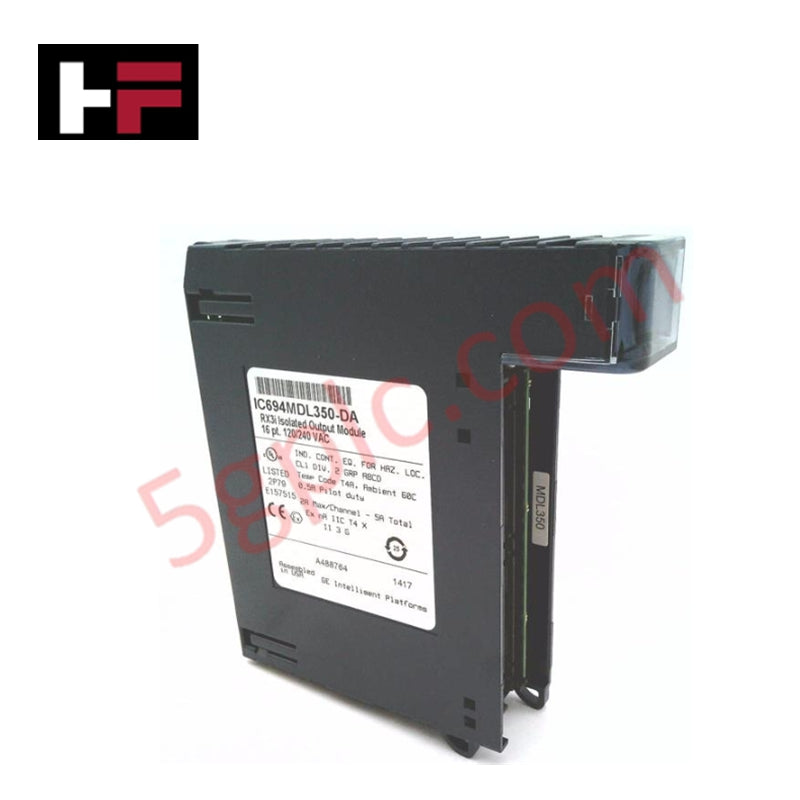
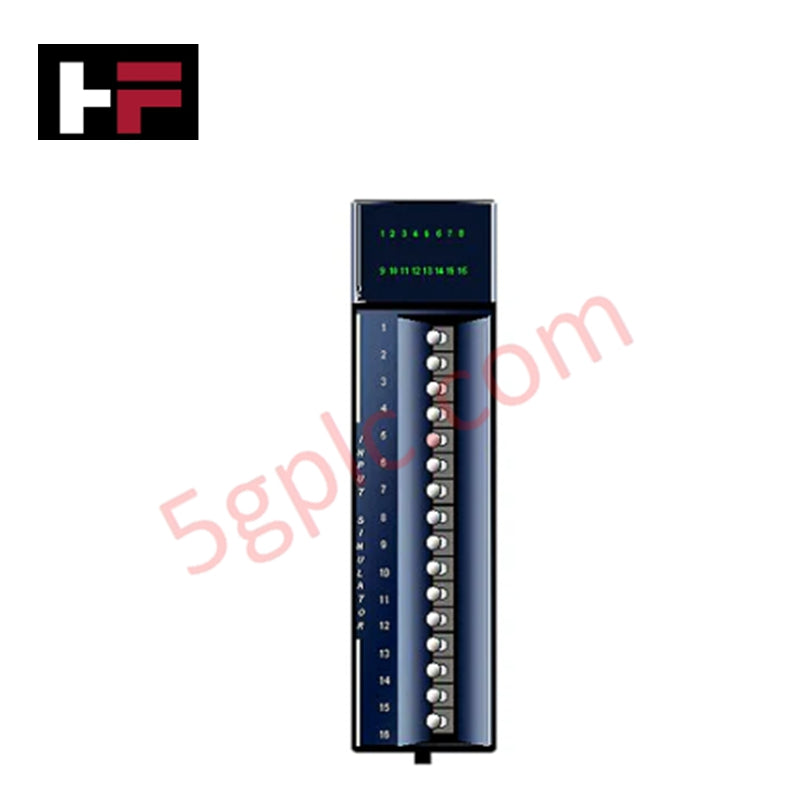
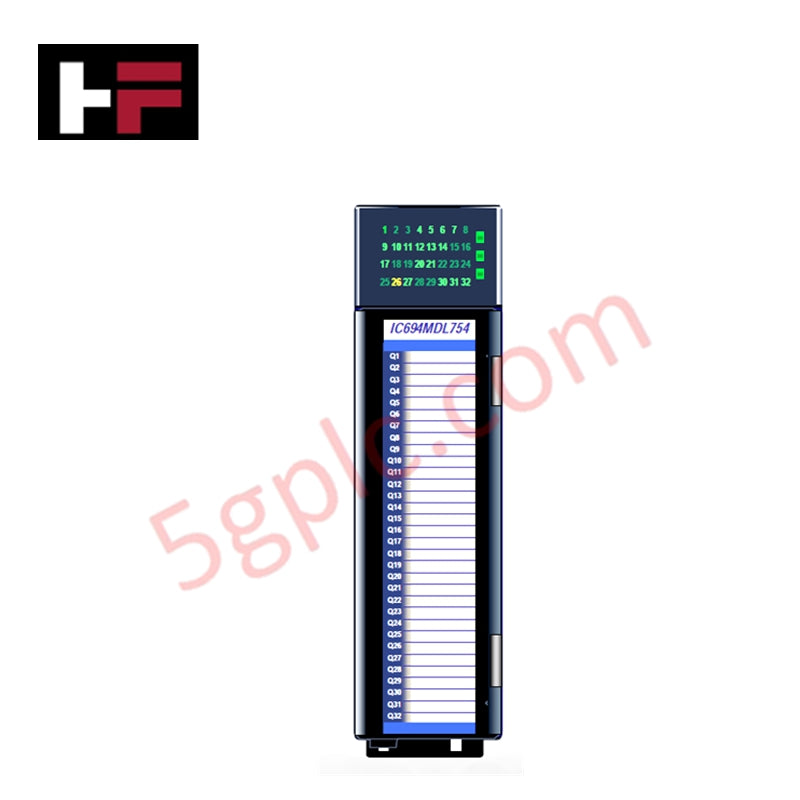
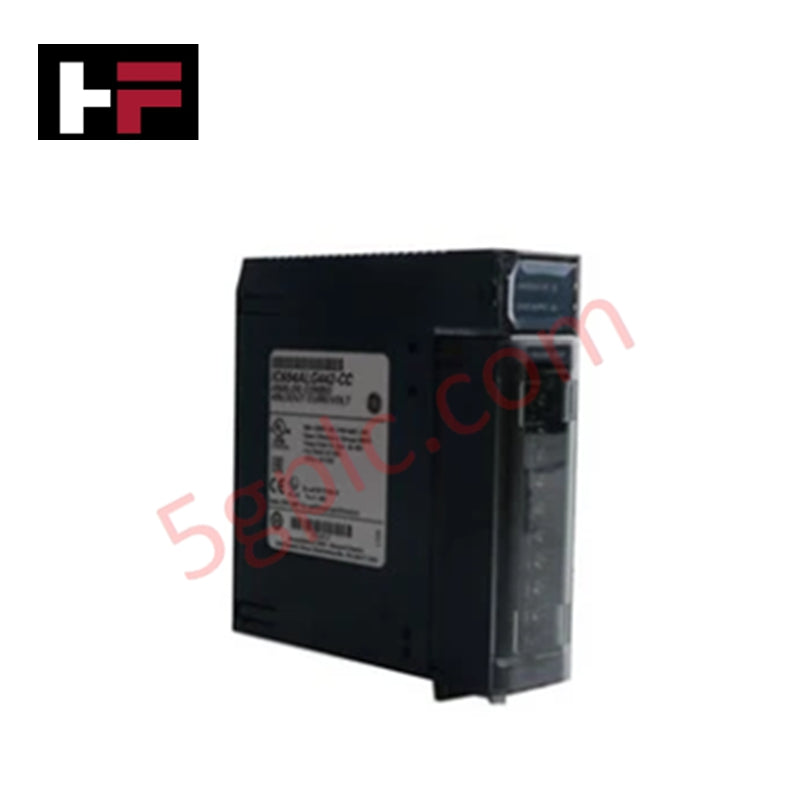
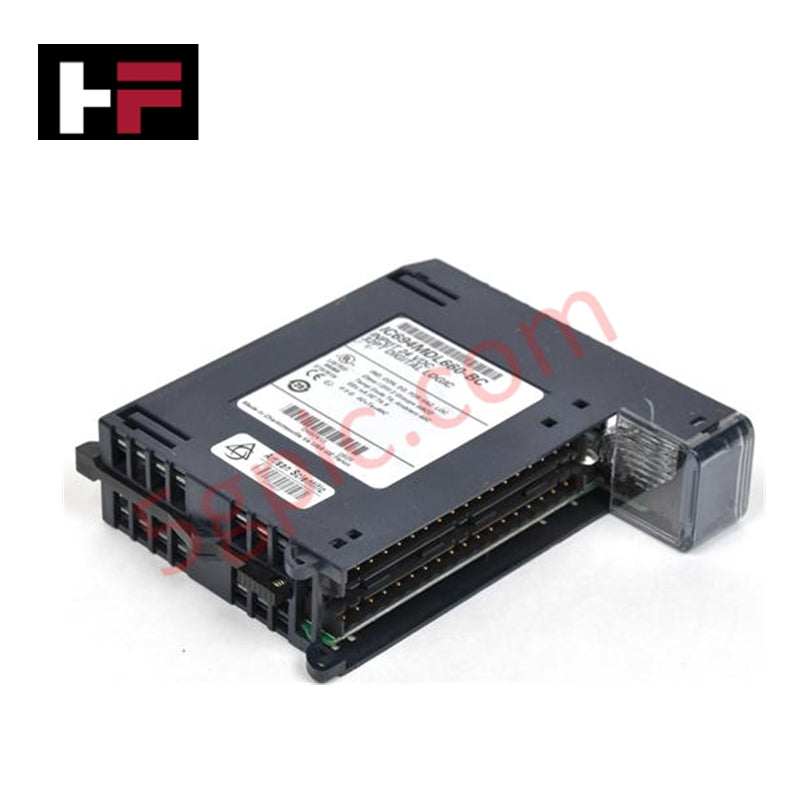
The IC694MDL646 input module from GE Fanuc PACSystems RX3i series is a discontinued unit designed for 24 VDC applications. It supports both positive and negative logic configurations, offering 16 input points with fast response filtering. This module was widely used in PLC-based machine control systems and rack-mounted automation setups.
Technical Specifications
-
Manufacturer GE Fanuc
-
Product Line PACSystems RX3i
-
Part Number IC694MDL646
-
Product Type 24 VDC Input Module
-
Logic Type Positive and Negative logic supported
-
Number of Input Points 16
-
Filter Response Time 1 ms
-
Category PLCs / Machine Control
-
Category PLC Module / Rack
-
Weight 0.57 lbs (0.26 kg)
-
Lifecycle Status Discontinued by manufacturer
Application Scenarios
-
Used in PLC racks for machine control systems
-
Suitable for industrial automation requiring dual logic input capability
-
Applied in environments where fast input filtering is critical
FAQ
Q: How many input points does this module provide? A: 16 input points.
Q: What type of logic is supported? A: Both positive and negative logic.
Q: Is this product still in production? A: No, it has been discontinued by GE Fanuc.
Additional Information
- 100% Genuine Parts: All products are original and authentic, ensuring reliable industrial performance.
- 30-Day Refund Guarantee: Return any in-stock item within 30 days in original, unopened packaging for a full refund (excluding shipping and fees).
- 12-Month Warranty: Covers defects in materials or workmanship; excludes misuse, normal wear, or unauthorized modifications.
- Worldwide Shipping: We ship via USPS, UPS, FedEx, and DHL. Delivery times vary by country and may be subject to customs or import fees.
- Support & Contact: Technical and warranty assistance is available anytime. Contact us here: Contact.
- Purchase Guidance: Check product specifications and compatibility carefully before ordering to ensure proper application.





Tech & Buying Guide

Top 5 Operational Advantages of HMIs in Modern Factory Automation

Importance of Safety Barriers in PLC and DCS Control Systems
