










Product Details
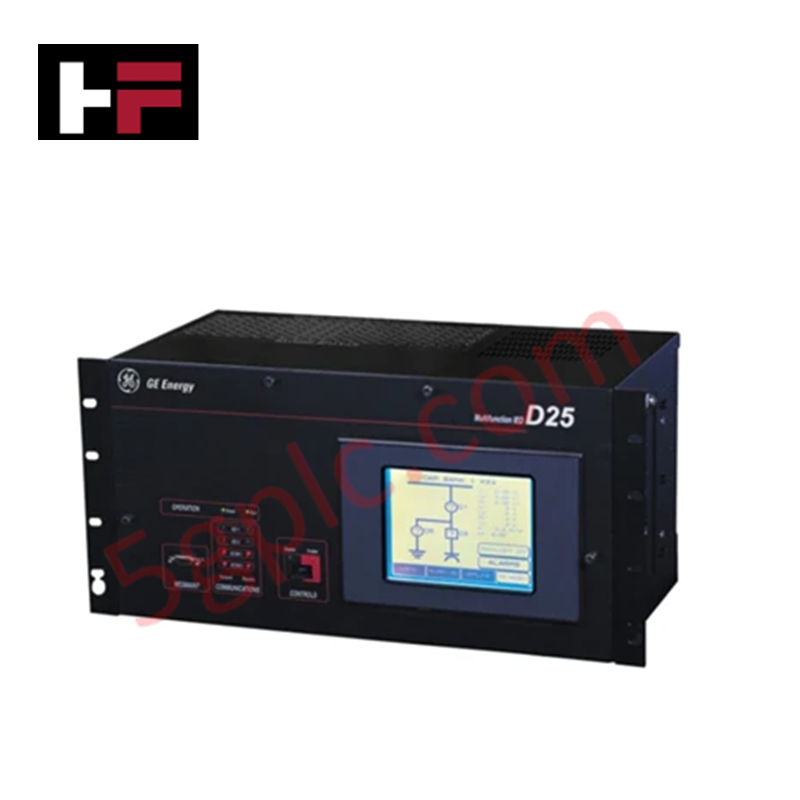
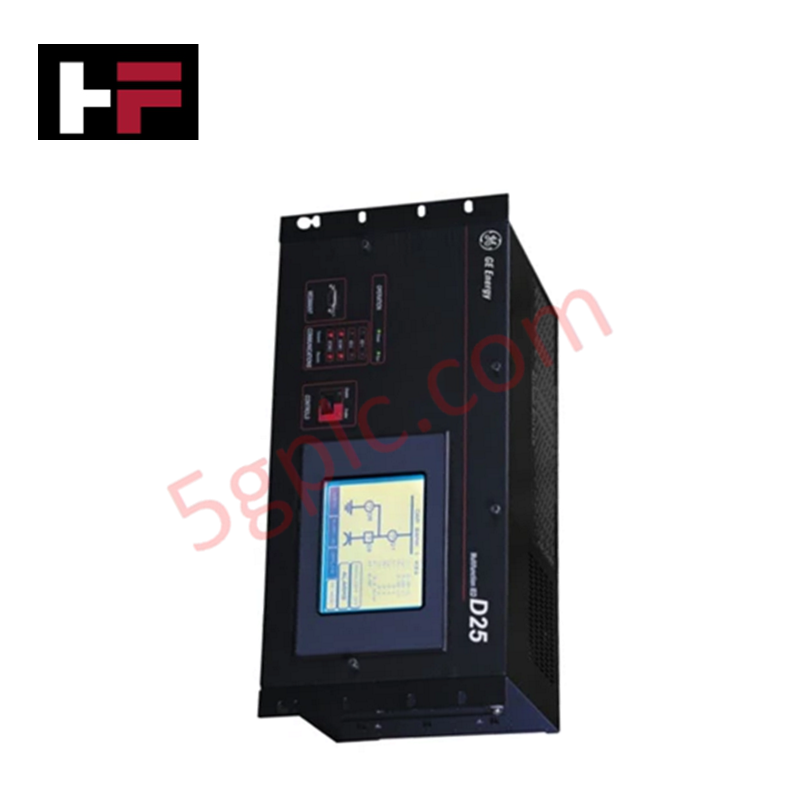
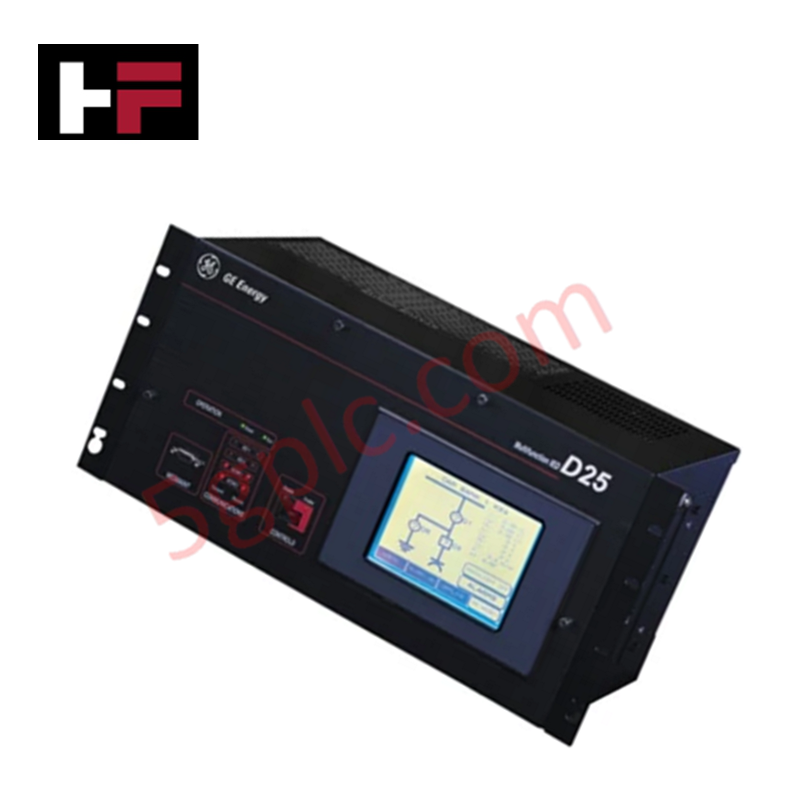
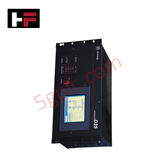
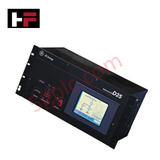
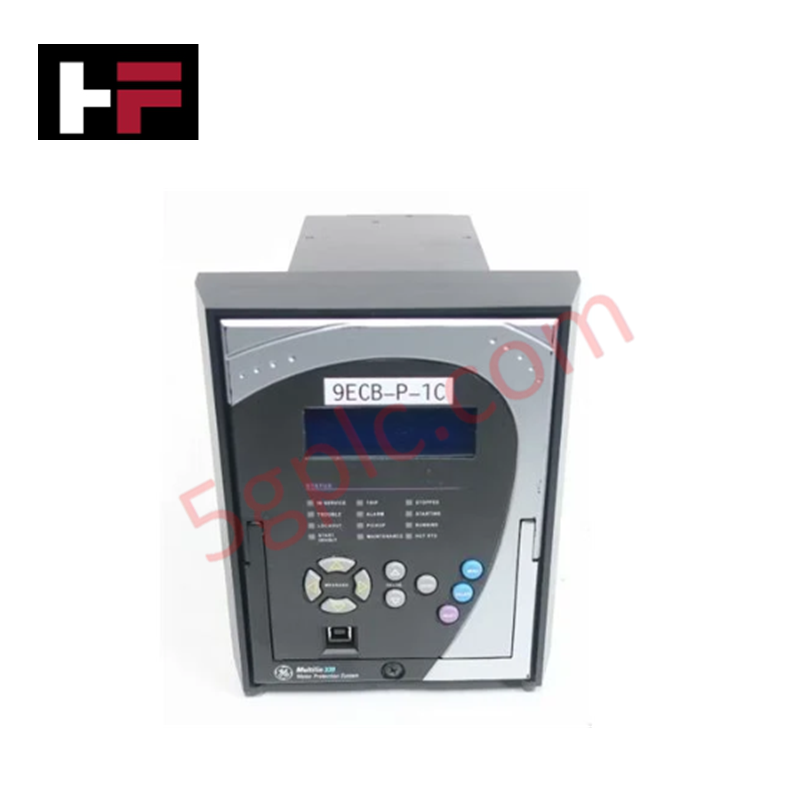
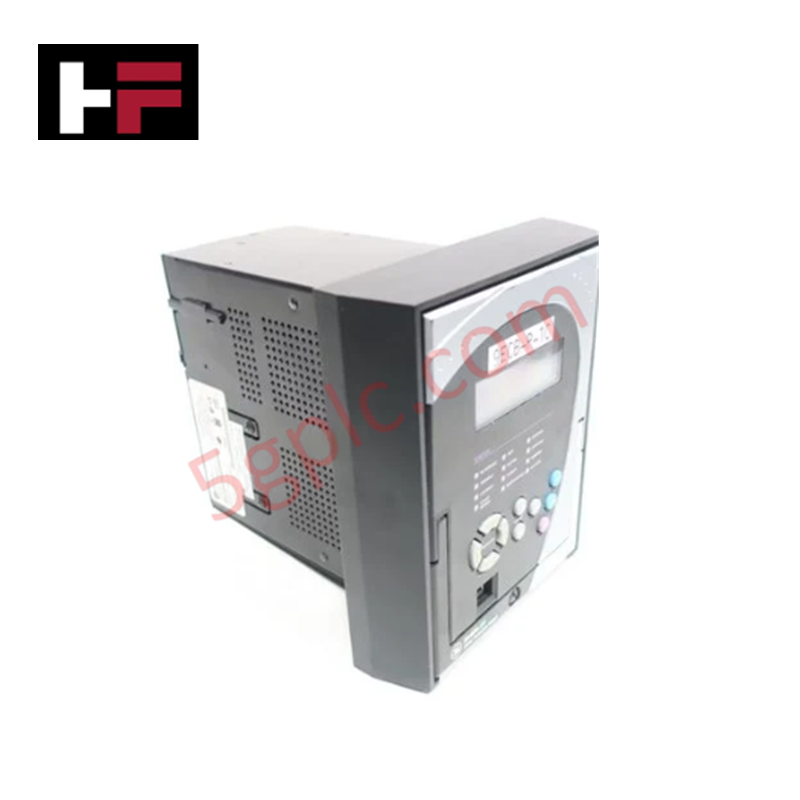
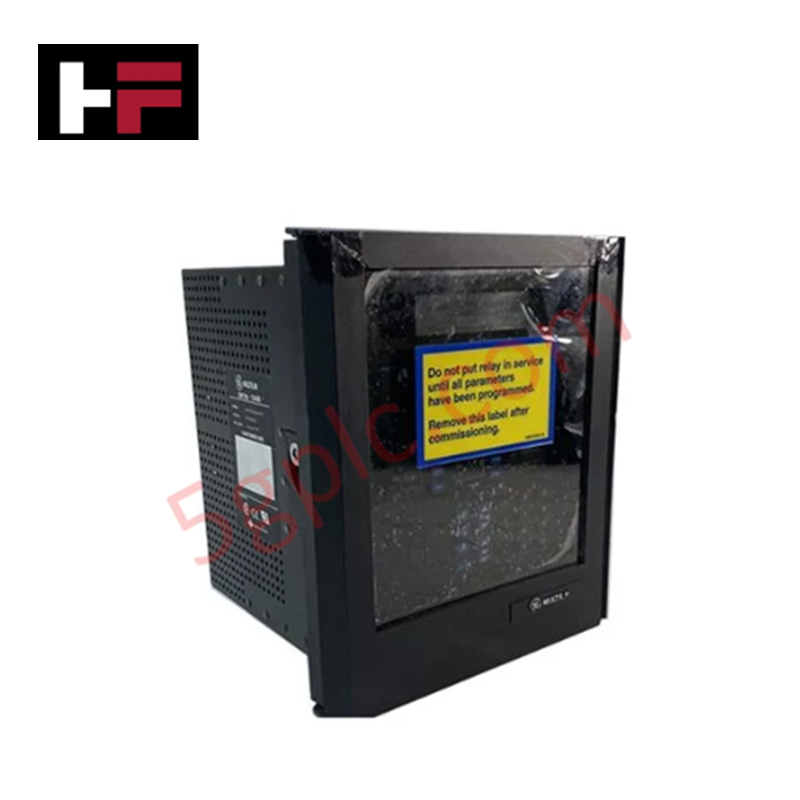
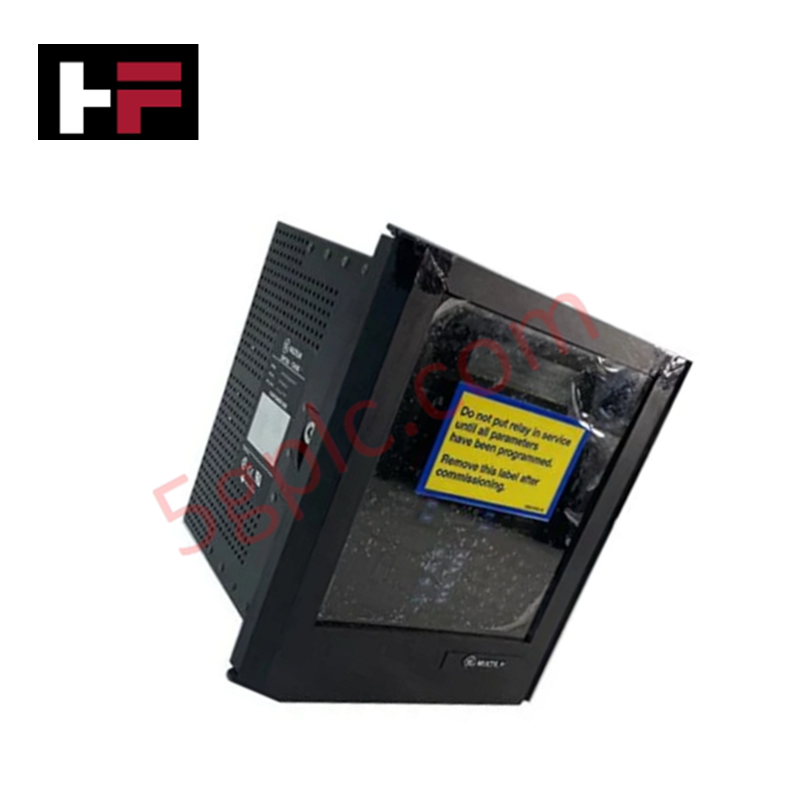
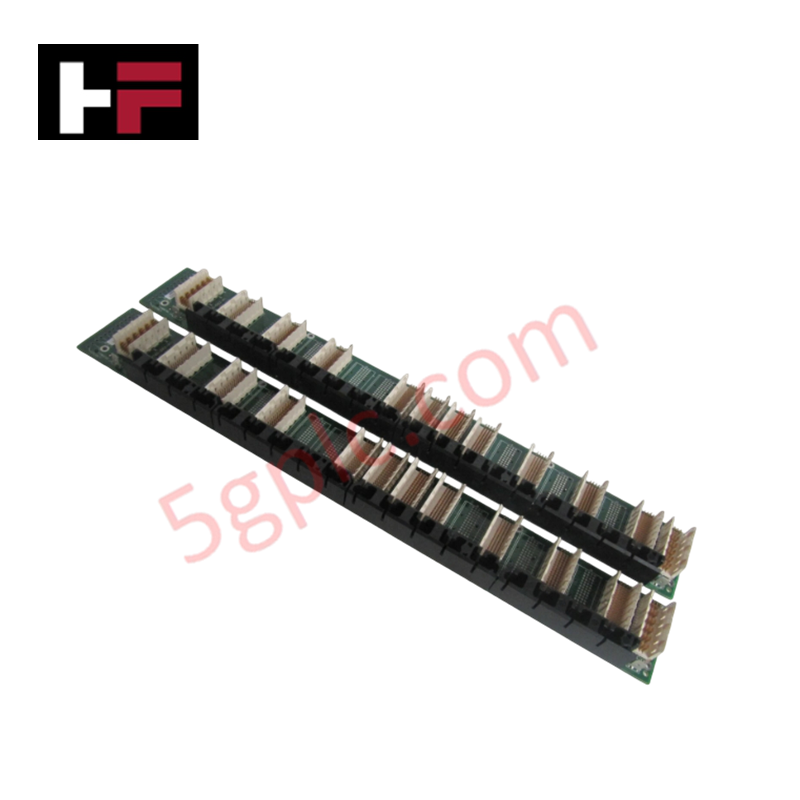
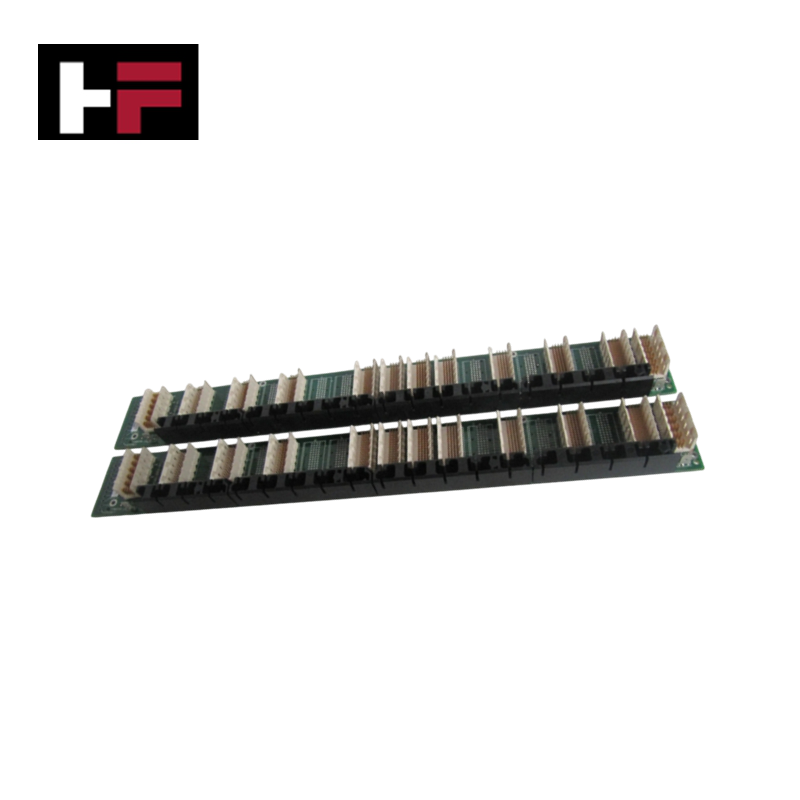
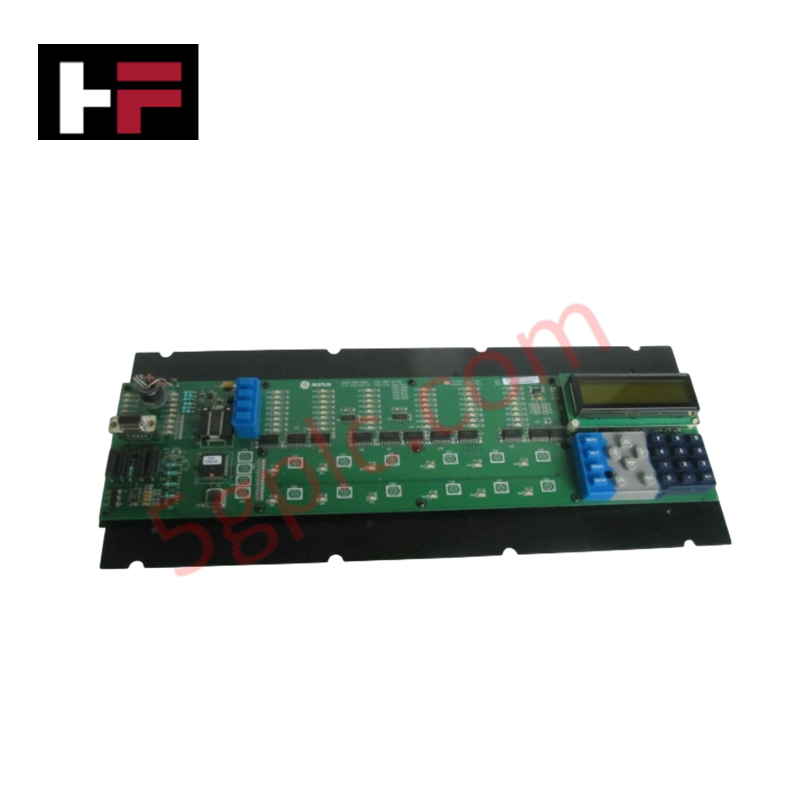
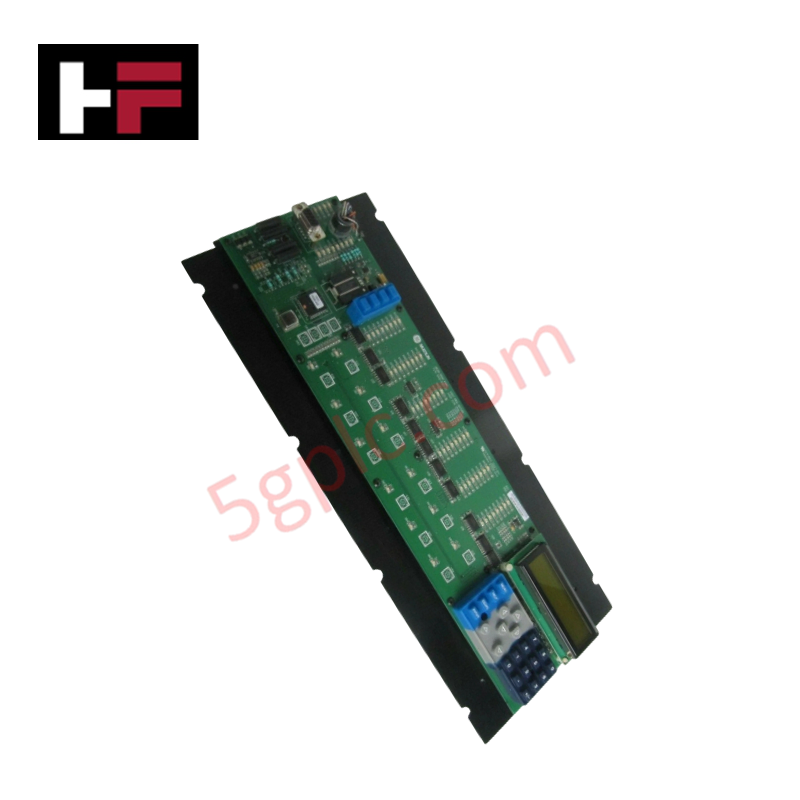
The GE FANUC D25-0158-000002, also cataloged as the D25 Control and Monitoring Device, operates as a dedicated hardware component for specific technical task execution within industrial automation and network platforms. The module executes data ingestion across modular input spans including up to 15 AC analog nodes, 16 DC analog channels, and 96 digital status points. It acts on real-time parameters via a maximum of 32 trip/close control output pairs while transmitting co-processed telemetry packets through dual host ports, internal IED links, and a dedicated IRIG time-synchronization terminal.
Hardware Specifications
| Parameter | Specification |
|---|---|
| Model | D25-0158-000002 |
| Brand | GE FANUC |
| Origin | Technical specifications determine factory origin |
| Weight | Chassis internal assembly configuration dependent |
| Dimensions | 19-inch rack mount frame compatibility / Height: 8.75 inches (22.22 cm) |
| Operating Temp | Industrial grade environmental tolerance |
| Power Consumption | Base processor draw plus expansion slot load metrics |
| AC Analog Inputs | Configurable options: 0, 3, 6, 9, 12, or 15 inputs |
| DC Analog Inputs | Configurable options: 0, 8, or 16 inputs |
| Digital Status Inputs | 0 to 96 inputs (scaled in increments of 32) |
| Control Outputs | 0, 8, 16, or 32 trip/close pairs |
| Host Communication Ports | 2 serial (38.4 Kbps) or 2 Ethernet (10 Mbps) |
| IED Communication Ports | 2 channels (38.4 Kbps) |
| Time Synchronization | 1 IRIG / Rugby / GPS synchronization port |
| Local Interface Ports | 1 WESMAINT Configuration Port (9600 bps), 1 D25 Display Port (9600 bps) |
Firmware Flash Compatibility and I/O Density Scaling
The internal controller bus synchronizes the data paths of all integrated sub-modules, demanding rigid firmware flash compatibility across active memory registers during expansion. When escalating digital input boards up to the 96-channel ceiling, the scaling engine limits execution jitter by parsing incoming status changes in designated hardware registers. This isolates background telecontrol polling via the 10 Mbps Ethernet ports from the direct execution loops of the 32 trip/close output relays, preserving deterministic processing speeds during substation fault conditions.
Frequently Asked Questions
Q: How does the system validate internal card additions when scaling the digital inputs to 96 channels?
A: The central processor checks the physical sub-board array during the power-on boot sequence. Installed expansions must match the parameters defined within the system firmware flash image; unmapped or mismatched hardware IDs halt the internal bus and flag a configuration error through the WESMAINT port.
Q: Can the serial host ports or the digital output cards be hot-swapped while control power is active?
A: No. The internal backplane traces and board interconnections lack insulation for live servicing. Auxiliary supply voltage must be fully isolated from the 19-inch rack before inserting or extracting any cards to prevent logic component failure or unintended trip execution.
Field Installation Guidelines
- Enclosure Grounding: Secure a low-impedance copper earthing strap from the ground stud located on the rear of the rack enclosure directly to the primary station panel ground bus bar.
- Shielding Protocol: Wire all DC analog inputs and time synchronization lines using shielded twisted-pair cables, bonding the outer shield braid exclusively at the entry terminal enclosure plate to prevent ground loop currents.
- Conduit Isolation: Route high-current control output pairs through independent metal wireways completely separated from low-voltage serial connections, Ethernet cables, and sensitive IRIG timing lines.
Additional Information
- 100% Genuine Parts: All products are original and authentic, ensuring reliable industrial performance.
- 30-Day Refund Guarantee: Return any in-stock item within 30 days in original, unopened packaging for a full refund (excluding shipping and fees).
- 12-Month Warranty: Covers defects in materials or workmanship; excludes misuse, normal wear, or unauthorized modifications.
- Worldwide Shipping: We ship via USPS, UPS, FedEx, and DHL. Delivery times vary by country and may be subject to customs or import fees.
- Support & Contact: Technical and warranty assistance is available anytime. Contact us here: Contact.
- Purchase Guidance: Check product specifications and compatibility carefully before ordering to ensure proper application.


Tech & Buying Guide

Mastering the Siemens PLC Scan Cycle: How the CPU Executes Automation Programs
Industrial automation relies heavily on programmable logic controllers (PLCs) to manage complex manufacturing processes. Many engineers dive straight into programming without mastering the underlying architecture. However, understanding how a PLC CPU executes a program ensures reliable system design. Therefore, mastering the scan cycle optimizes both performance and troubleshooting in modern control systems.

How to Connect to Siemens S7 PLCs: 5 Essential Communication Methods
Establishing a reliable hardware link between a programming terminal and a Siemens SIMATIC controller is essential for engineering workflows. Field engineers rely on distinct physical layers, ranging from legacy serial connections to high-speed Industrial Ethernet protocols. Modern factory automation environments prioritize fast data transfer and seamless driver integration. Selecting the correct connection method simplifies program downloads, online monitoring, and system troubleshooting in complex control systems.

Will PLCs Become Obsolete? The Future of Control Systems in Industry 4.0
Modern manufacturing is undergoing a rapid technological transformation driven by Industry 4.0 innovations. Technologies like Artificial Intelligence (AI), Machine Learning (ML), and the Industrial Internet of Things (IIoT) are dominating discussions across the factory automation sector. Consequently, many engineers wonder if these advanced digital tools will eventually replace traditional Programmable Logic Controllers (PLCs). However, evaluating the core physics of industrial operations reveals a very different reality for control systems.