










Product Details
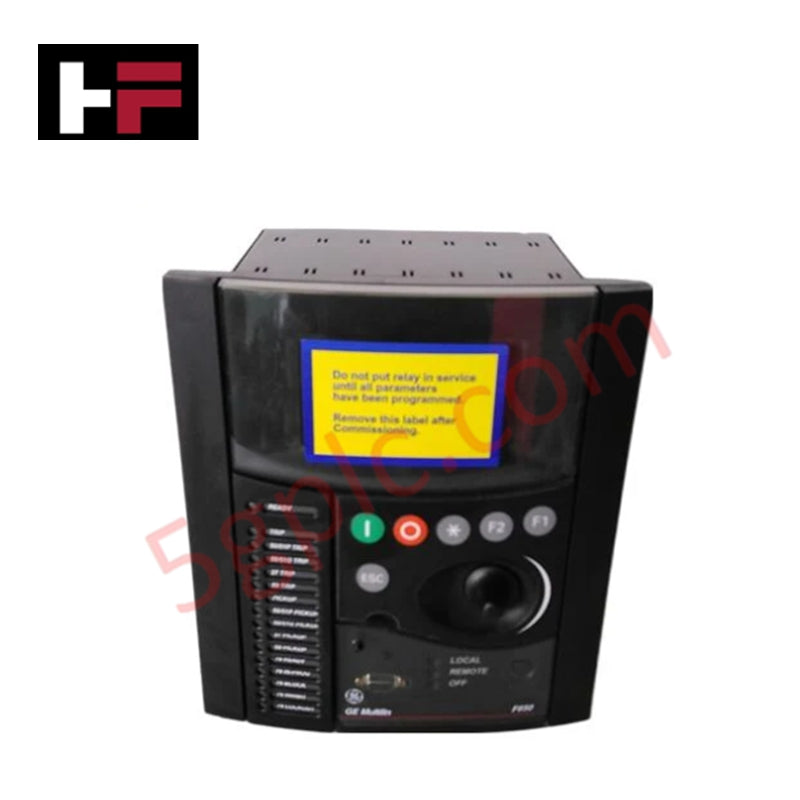
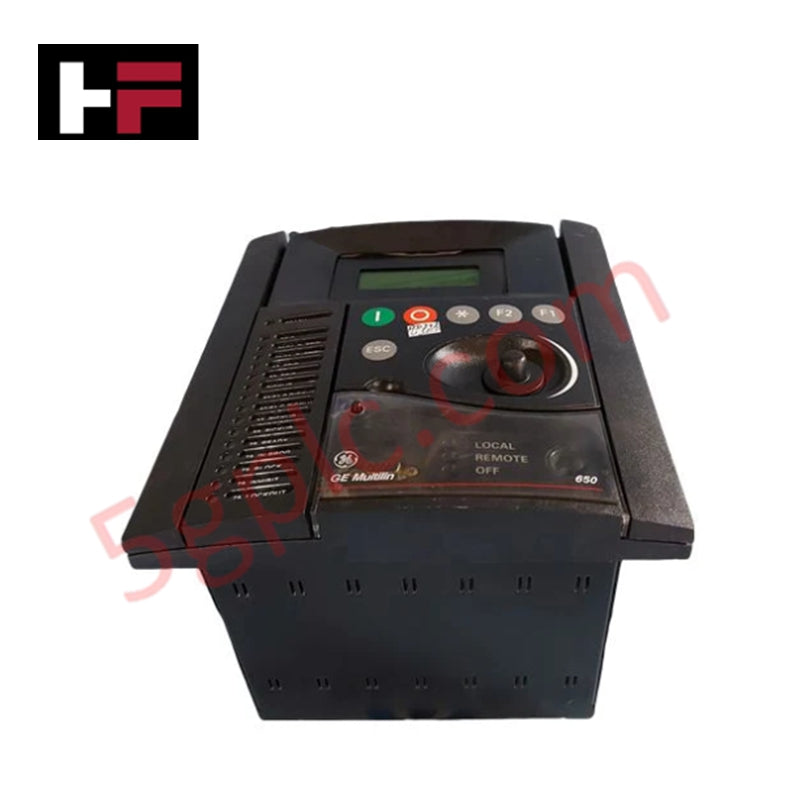
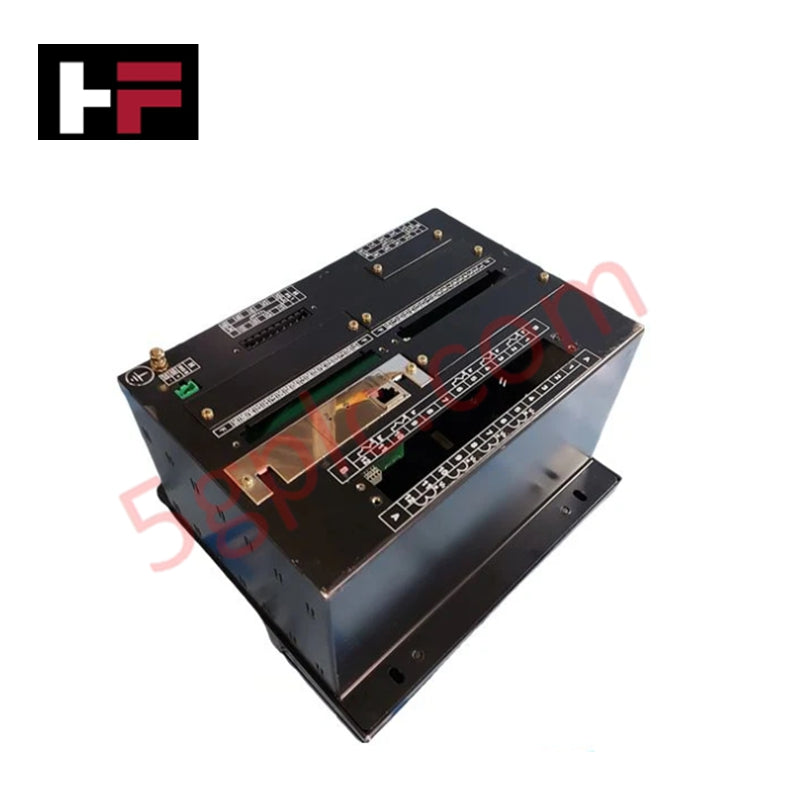
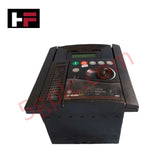
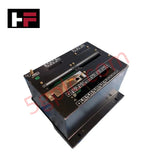
Configured for high-speed feeder protection and localized breaker management in substation architectures, the GE F650BABF2G1HI (F650 Bay Controller) provides direct physical/electrical execution of real-time monitoring and control logic.
Hardware Specifications
| Parameter | Specification |
|---|---|
| Model | F650BABF2G1HI |
| Brand | GE |
| Origin | USA |
| Weight | 1.2 kg |
| Dimensions | 2200 x 800 x 1000 mm |
| Operating Temp | -25 to 50 deg C |
| Power Consumption | Not specified |
| Input Voltage | 400 VAC (±15%) |
| Max Current | 1625 A |
| Protection Rating | IP65 |
Profinet / EtherNet/IP Deterministic Networks and I/O Density Scaling
The F650 processing engine coordinates high-density internal I/O sampling grids alongside deterministic network traffic. The localized logic engine cross-references automated interlocking equations, overvoltage metrics, and fault conditions with real-time analog values. By updating internal trip registers and transmitting binary state packets over standard industrial networks, the controller isolates anomalies and manages power restoration sequences. The firmware flash compatibility is strictly controlled; users must ensure that logic updates are validated against the specific revision of the processing board to maintain deterministic performance during communication with upstream SCADA or microgrid management loops.
Frequently Asked Questions
Q: How does the integrated control system execute protection logic against sudden input voltage deviations?
A: The onboard processor continuously tracks incoming electrical waves across the 400 VAC input lines. If the voltage swings beyond the specified ±15% window, the internal protection algorithms initiate automatic power scaling, isolation routines, or trip commands within milliseconds to prevent damage to downstream components.
Q: What are the backplane firmware flash compatibility constraints during live system maintenance?
A: Firmware flash updates require the controller to be placed into a dedicated configuration mode, which suspends active protection and control functions. Online hot-swapping or background flash updates are blocked on active processing tracks; firmware modifications must be verified through a secondary isolated serial or Ethernet connection before deploying the logic engine.
Field Installation Guidelines
- Enclosure Mounting: Ensure the IP65-rated enclosure is mounted on a vibration-isolated base. Due to the physical dimensions of 2200 x 800 x 1000 mm, verify that floor load-bearing capacity meets structural requirements for the installed controller.
- Power Input Terminations: Connect 400 VAC lines to the primary terminal blocks. Verify that phase sequencing matches the internal processing requirements to ensure correct calculation of voltage vectors.
- Grounding: Establish a low-impedance connection between the controller chassis and the substation earth-ground bar. Use appropriate grounding lugs to maintain the integrity of the IP65 enclosure and shield against electromagnetic interference.
- Cable Management: Utilize shielded twisted-pair cabling for all industrial network connections (Profinet/EtherNet/IP). Segregate communication conduits from high-current power cables (rated for 1625 A) to prevent inductive noise injection into the internal telemetry circuits.
Additional Information
- 100% Genuine Parts: All products are original and authentic, ensuring reliable industrial performance.
- 30-Day Refund Guarantee: Return any in-stock item within 30 days in original, unopened packaging for a full refund (excluding shipping and fees).
- 12-Month Warranty: Covers defects in materials or workmanship; excludes misuse, normal wear, or unauthorized modifications.
- Worldwide Shipping: We ship via USPS, UPS, FedEx, and DHL. Delivery times vary by country and may be subject to customs or import fees.
- Support & Contact: Technical and warranty assistance is available anytime. Contact us here: Contact.
- Purchase Guidance: Check product specifications and compatibility carefully before ordering to ensure proper application.


Tech & Buying Guide

Demystifying the DDE Protocol in Legacy Industrial Automation Systems
Modern control systems rely heavily on seamless interprocess communication to exchange operational data between software programs. Microsoft first introduced the Dynamic Data Exchange (DDE) protocol in 1987 to enable real-time data sharing. In factory automation, DDE served as an early bridge between control software and Windows desktop applications. Therefore, understanding DDE mechanics provides crucial insights into how legacy industrial networks established software-level connectivity.

Demystifying CPU Communication Ports in Siemens PLC Architectures
Industrial automation relies heavily on robust data exchange between devices. Without seamless connectivity, field instruments, network switches, human-machine interfaces, and programmable logic controllers cannot coordinate effectively. Therefore, understanding the various CPU communication ports available in Siemens hardware ensures efficient factory automation design and seamless system integration.

Mastering the Siemens PLC Scan Cycle: How the CPU Executes Automation Programs
Industrial automation relies heavily on programmable logic controllers (PLCs) to manage complex manufacturing processes. Many engineers dive straight into programming without mastering the underlying architecture. However, understanding how a PLC CPU executes a program ensures reliable system design. Therefore, mastering the scan cycle optimizes both performance and troubleshooting in modern control systems.