










Product Details
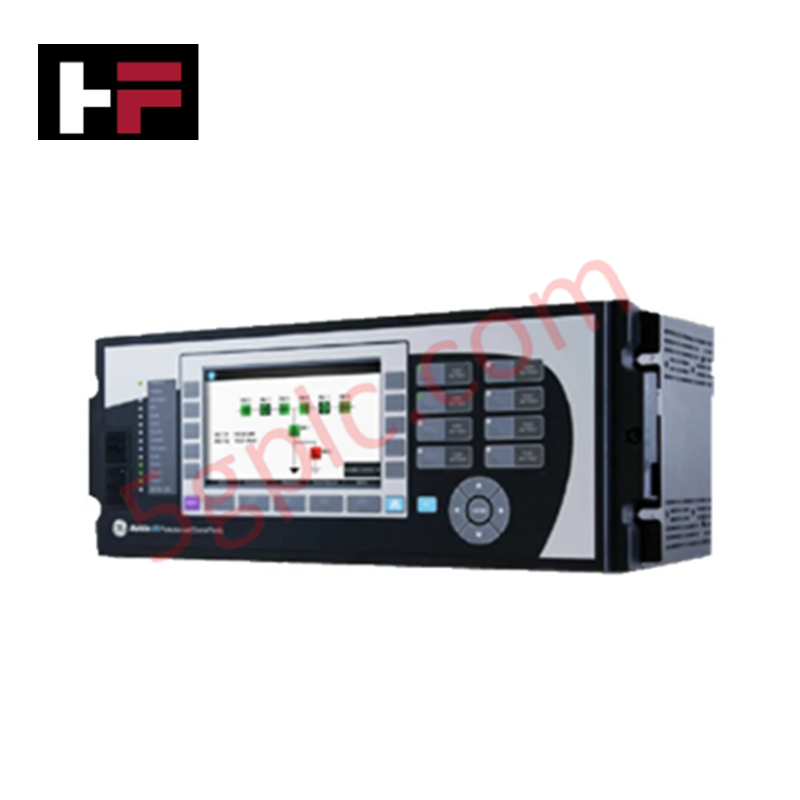
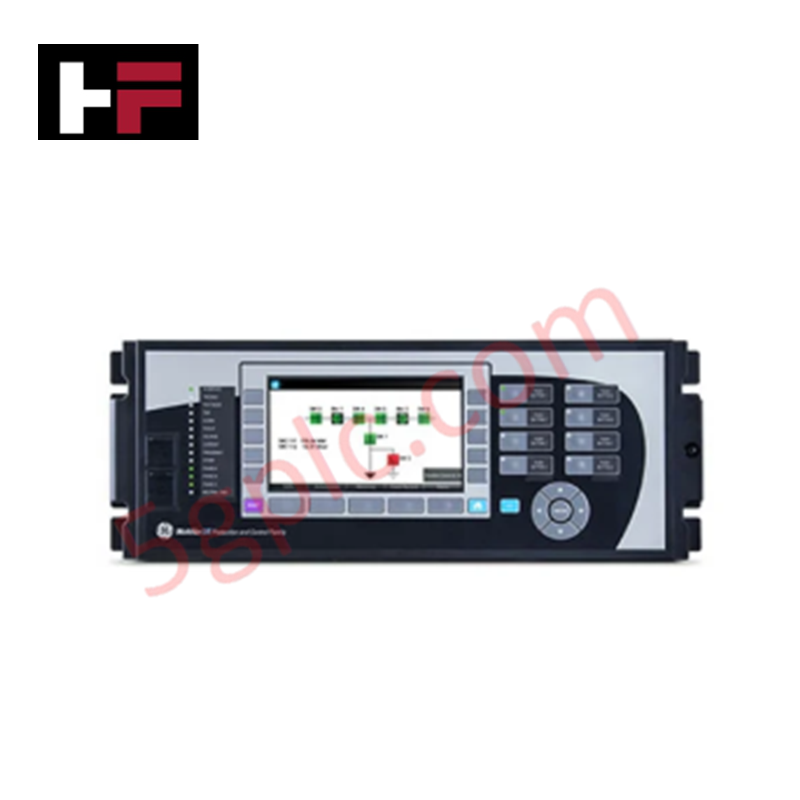
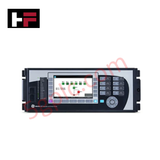
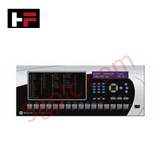
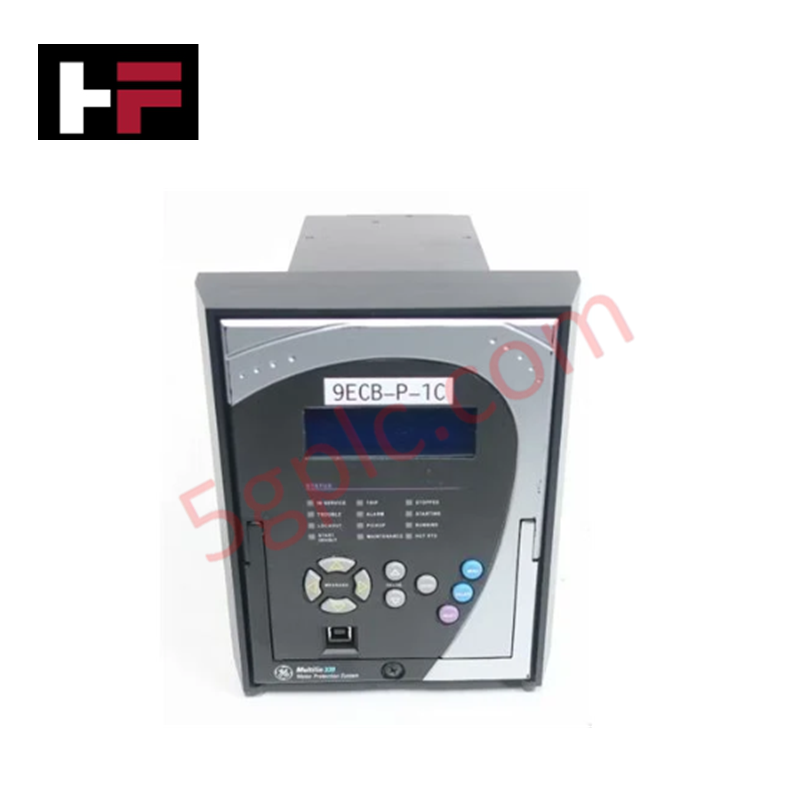
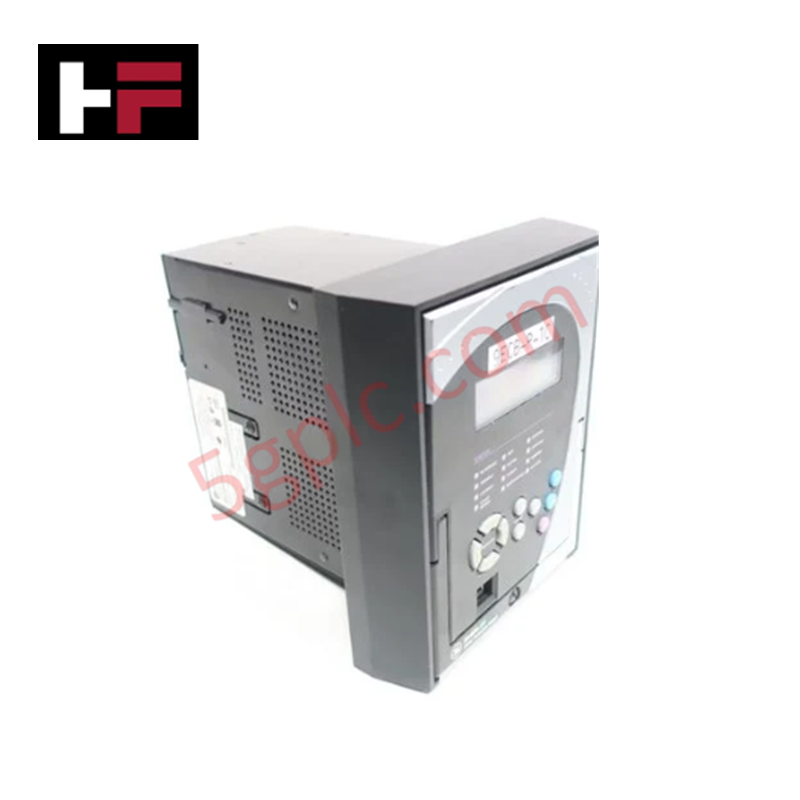
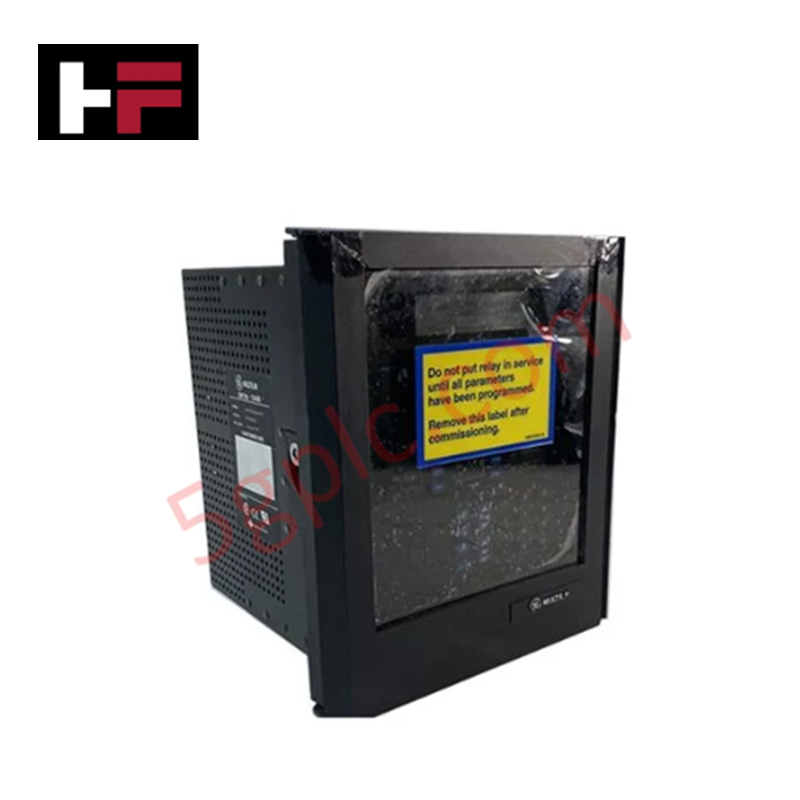
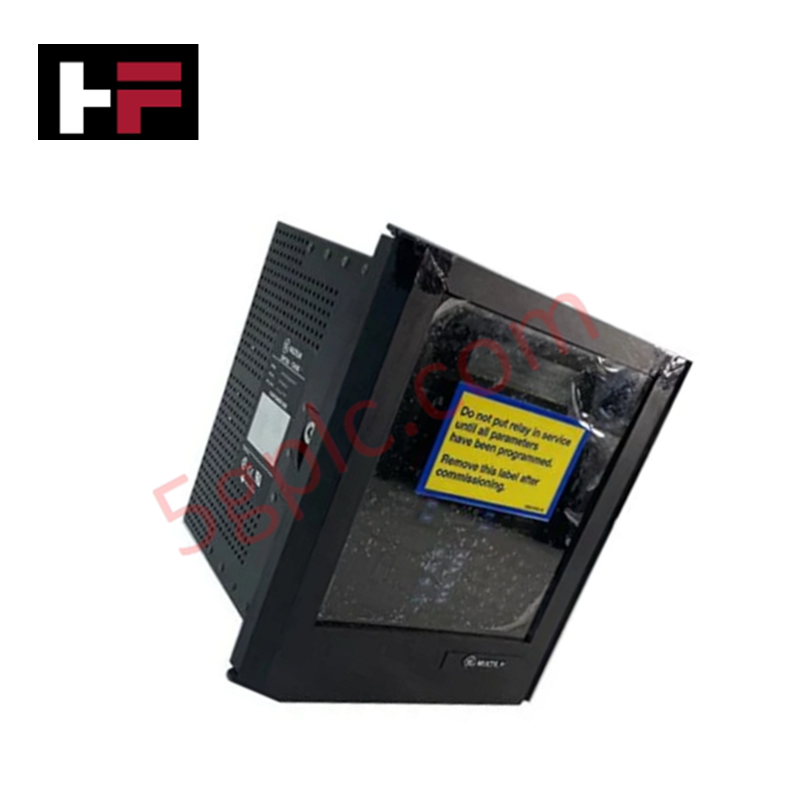
The GE G60E00HCH serves as the primary G60 Generator Protection System utilized to execute high-speed fault detection and automated protection control across industrial power generation platforms. The hardware processes physical analog and digital signals directly to protect multi-type turbine-driven and hydro-generating blocks. Operating via integrated communication buses, the device manages complex protective processing algorithms while updating an internal full-color graphical display to capture fault transients and continuous line measurements.
Hardware Specifications
| Parameter | Specification |
|---|---|
| Model | G60E00HCH |
| Brand | GE Multilin |
| Origin | Technical specifications determine factory origin |
| Weight | Unit specific / Internal card configuration dependent |
| Dimensions | Standard G60 panel mount footprint |
| Operating Temp | -40 to +70 deg C |
| Power Consumption | Base unit power consumption plus slot load variants |
| Protection Type | Generator protection relay |
| Communication Protocols | IEC 61850, Modbus, DNP3 |
| Interface Type | Integrated full-color graphical interface |
| Compliance Rating | IEEE C37.102 compliance standards |
| I/O Configuration | High-capacity digital and analog inputs/outputs |
Profinet and EtherNet/IP Deterministic Networks Integration
The processing unit relies on a deterministic internal bus architecture to process real-time generator metrics without runtime bottlenecks. By structuring discrete hardware priorities for incoming signal lines, the system maintains strict firmware flash compatibility across safety-interlocking states. This layout prevents communication overhead from industrial protocols like IEC 61850 or Modbus from delaying the sub-cycle execution loops required by primary generator fault-detection elements.
Frequently Asked Questions
Q: Does the G60E00HCH housing support live hot-swapping of internal I/O modules?
A: No. Internal modules and hardware expansion cards are not built for live hot-swap insertion. The main control power must be completely disconnected and isolated before servicing or replacing internal sub-assembly cards to prevent damage to backplane routing paths.
Q: How is the physical execution of high-speed protection outputs handled during processor logic updates?
A: Protective trip elements are processed by high-priority execution loops separate from front-panel display logic. While downloading configuration files, protective relay outputs transition to a pre-configured safe operational state to eliminate spurious tripping.
Field Installation Guidelines
- Chassis Grounding: Secure a dedicated, low-impedance copper earthing line from the frame grounding terminal on the rear chassis directly to the master station panel ground bus.
- Signal Cable Shielding: Ensure all low-voltage analog inputs and communication lines utilize shielded twisted-pair cables. Ground the outer copper shields at the cabinet entry gland panel only.
- Cable Pathway Separation: Separate all AC current transformer (CT) input leads and DC control power wiring from low-voltage digital signal and network communication buses by routing them through isolated metal conduits.
Additional Information
- 100% Genuine Parts: All products are original and authentic, ensuring reliable industrial performance.
- 30-Day Refund Guarantee: Return any in-stock item within 30 days in original, unopened packaging for a full refund (excluding shipping and fees).
- 12-Month Warranty: Covers defects in materials or workmanship; excludes misuse, normal wear, or unauthorized modifications.
- Worldwide Shipping: We ship via USPS, UPS, FedEx, and DHL. Delivery times vary by country and may be subject to customs or import fees.
- Support & Contact: Technical and warranty assistance is available anytime. Contact us here: Contact.
- Purchase Guidance: Check product specifications and compatibility carefully before ordering to ensure proper application.


Tech & Buying Guide

Demystifying CPU Communication Ports in Siemens PLC Architectures
Industrial automation relies heavily on robust data exchange between devices. Without seamless connectivity, field instruments, network switches, human-machine interfaces, and programmable logic controllers cannot coordinate effectively. Therefore, understanding the various CPU communication ports available in Siemens hardware ensures efficient factory automation design and seamless system integration.

Mastering the Siemens PLC Scan Cycle: How the CPU Executes Automation Programs
Industrial automation relies heavily on programmable logic controllers (PLCs) to manage complex manufacturing processes. Many engineers dive straight into programming without mastering the underlying architecture. However, understanding how a PLC CPU executes a program ensures reliable system design. Therefore, mastering the scan cycle optimizes both performance and troubleshooting in modern control systems.

How to Connect to Siemens S7 PLCs: 5 Essential Communication Methods
Establishing a reliable hardware link between a programming terminal and a Siemens SIMATIC controller is essential for engineering workflows. Field engineers rely on distinct physical layers, ranging from legacy serial connections to high-speed Industrial Ethernet protocols. Modern factory automation environments prioritize fast data transfer and seamless driver integration. Selecting the correct connection method simplifies program downloads, online monitoring, and system troubleshooting in complex control systems.