












Product Details
Product Overview
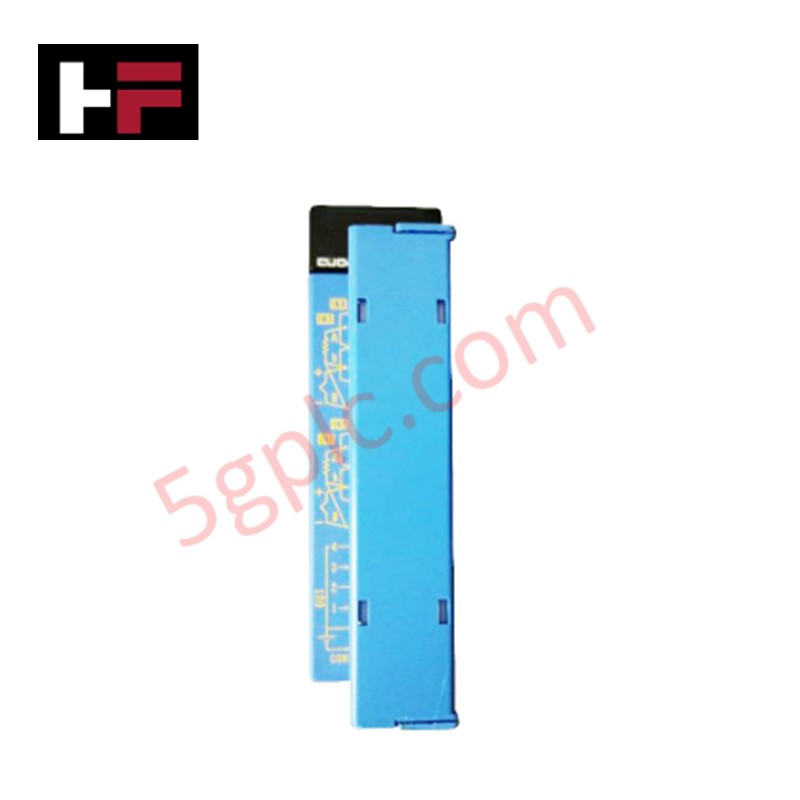
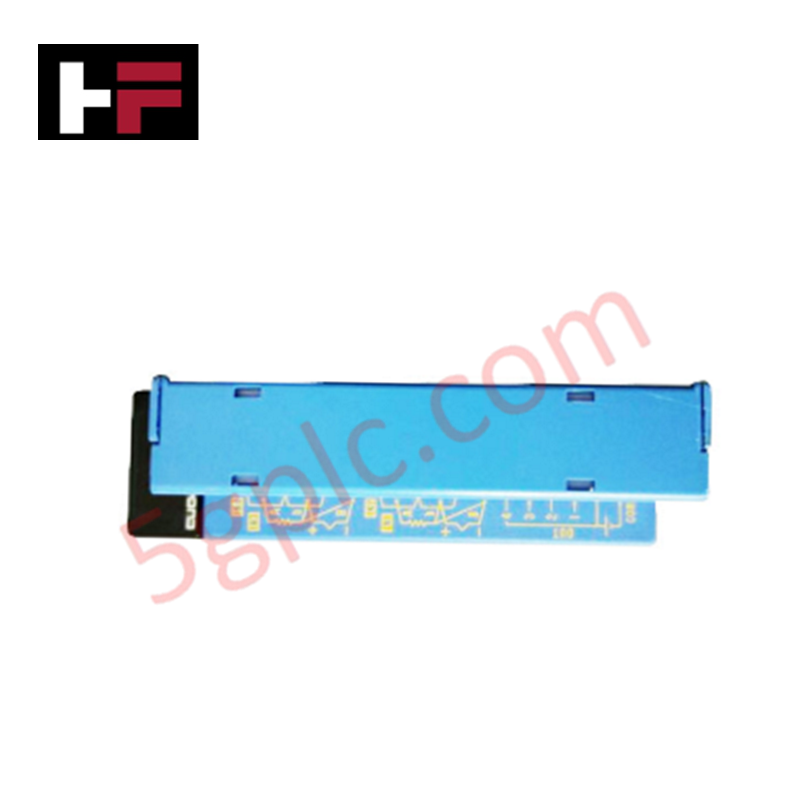
The Yokogawa F3CU04-0S serves as a dedicated Temperature Control and PID Module within the FA-M3 multi-controller system. This module executes complex thermal algorithms independently of the main CPU, ensuring high-speed, localized process regulation. We supply this component as 100% Brand New and Original, providing the precise mathematical modeling required for stable heating and cooling loops in plastic extrusion, chemical processing, and semiconductor manufacturing.
Part Number Breakdown
| Code | Specification | Detail |
| F3CU04 | Base Model | Multi-loop Temperature Control and PID Module |
| -0 | Type Code | Standard feature set / Basic configuration |
| S | Style Code | Style S hardware revision |
Technical Specifications
| Feature | Details |
| Current Consumption | 460 mA at 5 V DC |
| Alarm Capacity | 4 points per loop (dedicated relays for Alarms 1 & 2) |
| Filter Logic | Integrated Alarm Delay Timer |
| Warm-up Time | 30 minutes minimum for precision stability |
| Ambient Change Limit | 10°C/h maximum |
| External Interface | One 18-point terminal block (M3.5 screws) |
| Shipping Weight | 3.0 kg |
Engineering Advantages
-
Optimized Thermal Stability: The F3CU04-0S enforces a 30-minute warm-up cycle to stabilize internal reference voltages. This protocol ensures that the module achieves its rated accuracy before the control loop begins active regulation, preventing early-cycle process drift.
-
Transient Alarm Filtering: An integrated alarm delay timer prevents "nuisance" trips caused by momentary signal noise or thermal overshoot. This feature allows the process to fluctuate within narrow, safe tolerances without triggering an immediate system shutdown.
-
Robust Mechanical Termination: The 18-point terminal block utilizes M3.5 screws, providing higher torque capacity than standard spring-clamps. This design ensures that field wiring remains secure in environments prone to high-frequency mechanical vibration.
-
Strict Thermal Compensation: The module regulates its internal compensation logic to handle ambient temperature shifts up to 10°C/h. This capability maintains PID loop integrity even when control cabinets sit near fluctuating heat sources or drafty industrial zones.
FAQs
-
Does the F3CU04-0S support vertical mounting?
The hardware design strictly requires a vertical orientation within the rack. You must not mount this module in a horizontal or inverted position, as doing so disrupts the natural convection required to cool the internal PID processing circuitry.
-
Can I use all four alarm points to trigger external hardware?
The module calculates four alarm points per loop; however, only Alarms 1 and 2 possess dedicated input relays for physical switching. You must process Alarms 3 and 4 via the internal PLC registers for software-level interlocks.
-
What cable type best suits the M3.5 screw terminals?
We recommend using ring or spade-type crimp terminals for the 18-point block. This ensures maximum surface contact and prevents wire fraying, which is essential for maintaining the low-impedance path required for accurate thermocouple readings.
-
How does this module handle sensor failure?
The F3CU04-0S includes burnout detection logic. If a sensor fails or a wire breaks, the PID algorithm immediately transitions to a pre-defined "safe" output value or triggers the Alarm 1 relay to signal a hardware fault to the operator.
Additional Information
- 100% Genuine Parts: All products are original and authentic, ensuring reliable industrial performance.
- 30-Day Refund Guarantee: Return any in-stock item within 30 days in original, unopened packaging for a full refund (excluding shipping and fees).
- 12-Month Warranty: Covers defects in materials or workmanship; excludes misuse, normal wear, or unauthorized modifications.
- Worldwide Shipping: We ship via USPS, UPS, FedEx, and DHL. Delivery times vary by country and may be subject to customs or import fees.
- Support & Contact: Technical and warranty assistance is available anytime. Contact us here: Contact.
- Purchase Guidance: Check product specifications and compatibility carefully before ordering to ensure proper application.


Tech & Buying Guide
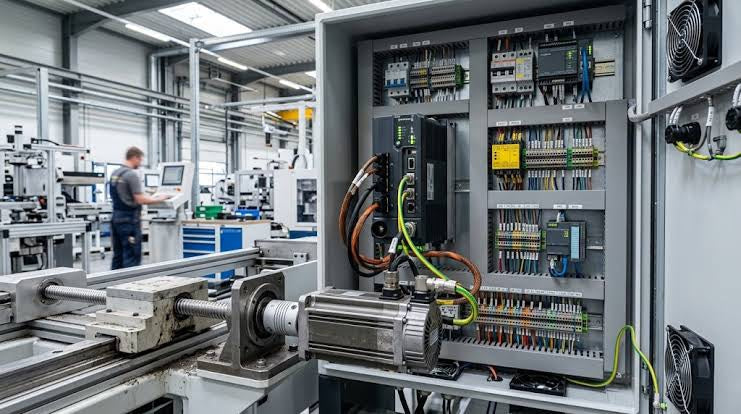
Demystifying Programmable Logic Controllers: Comprehensive Guide to PLC Classification and Selection in Industrial Automation
Modern industrial automation heavily relies on Programmable Logic Controllers (PLCs) to drive factory floor efficiency. Over my 15 years as an industrial automation expert working with DCS, TSI, and control systems, I have seen PLCs evolve into the central nervous system of modern manufacturing. Selecting the right controller requires a deep understanding of PLC types based on physical size, hardware architecture, and power supply configurations.
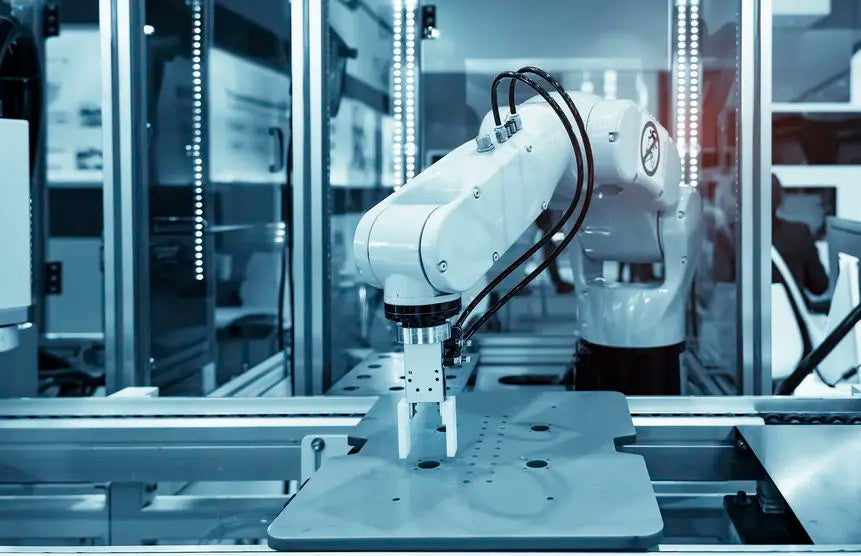
Comprehensive Guide to PLC Types in Modern Industrial Automation
Modern industrial automation relies on programmable logic controllers to govern critical factory operations. System integrators classify PLCs based on scale, hardware architecture, and power supply design. Understanding these core categories enables automation engineers to select the right control system architecture. Consequently, proper hardware selection optimizes performance while minimizing long-term operational costs.

Demystifying the DDE Protocol in Legacy Industrial Automation Systems
Modern control systems rely heavily on seamless interprocess communication to exchange operational data between software programs. Microsoft first introduced the Dynamic Data Exchange (DDE) protocol in 1987 to enable real-time data sharing. In factory automation, DDE served as an early bridge between control software and Windows desktop applications. Therefore, understanding DDE mechanics provides crucial insights into how legacy industrial networks established software-level connectivity.