










Product Details
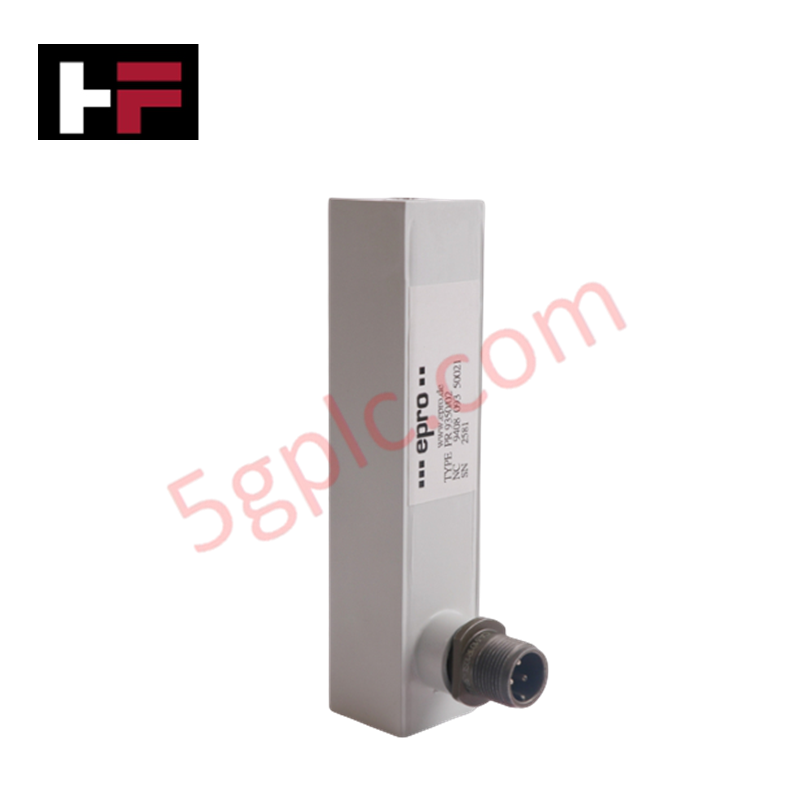
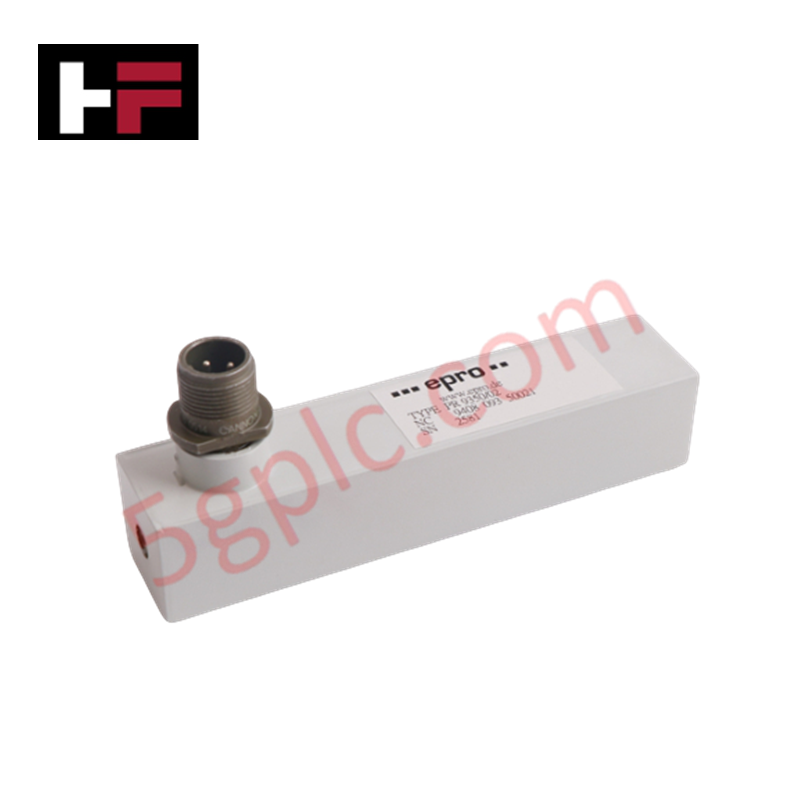
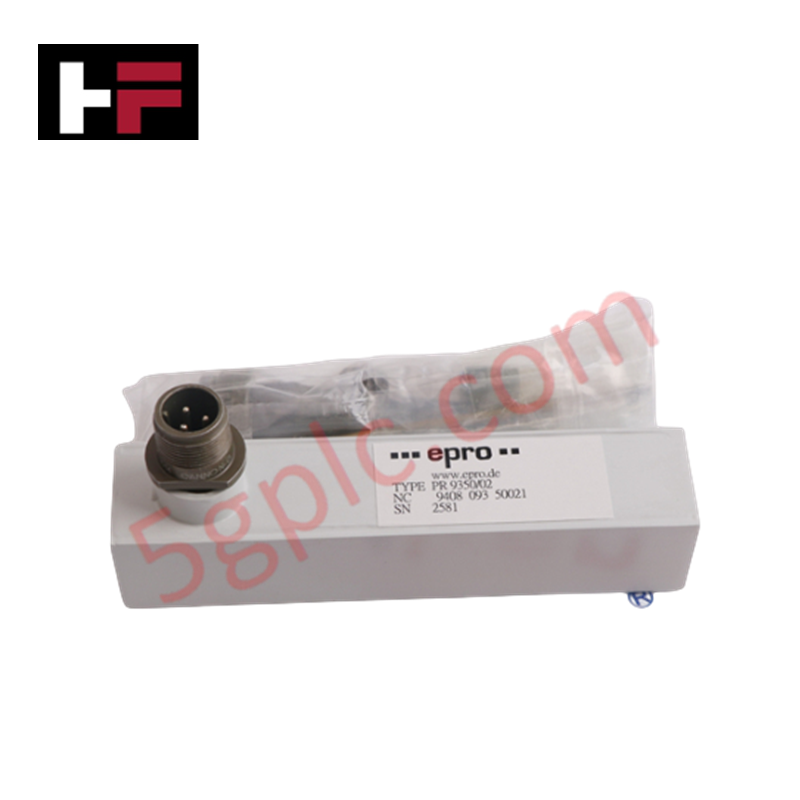
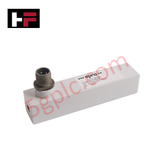
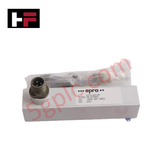
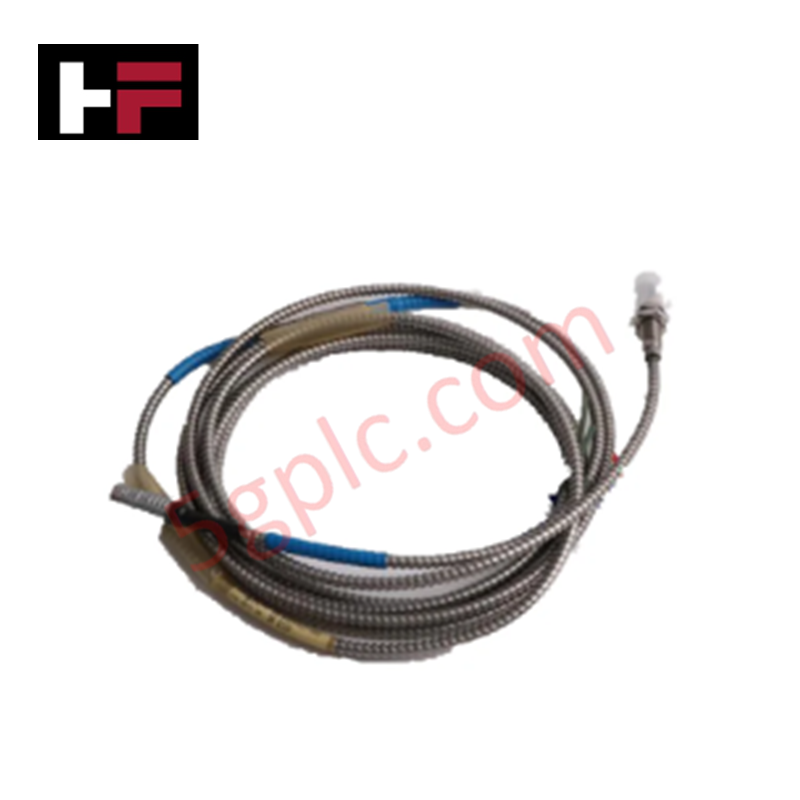
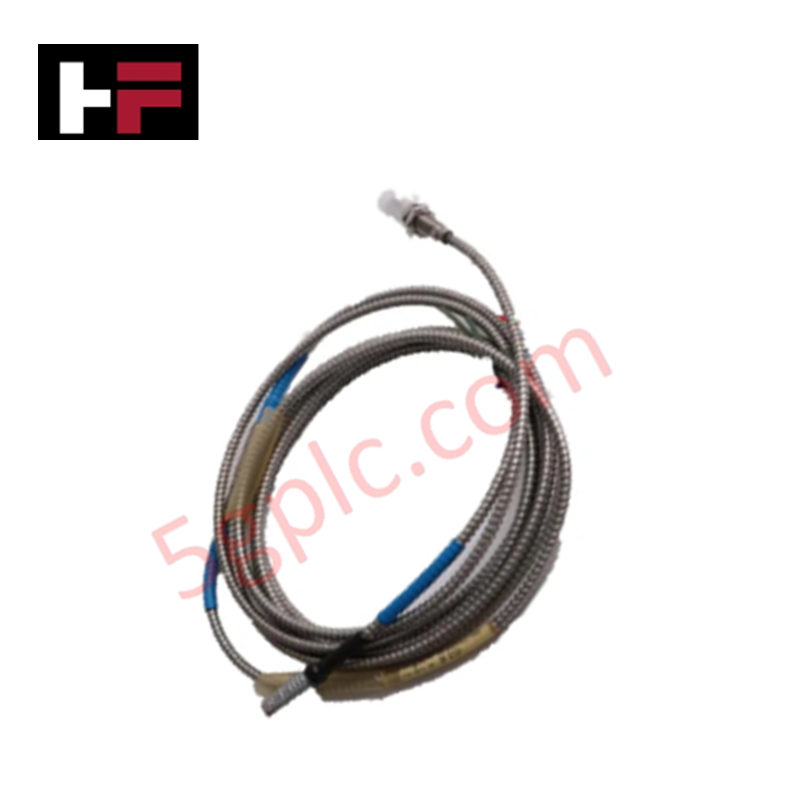
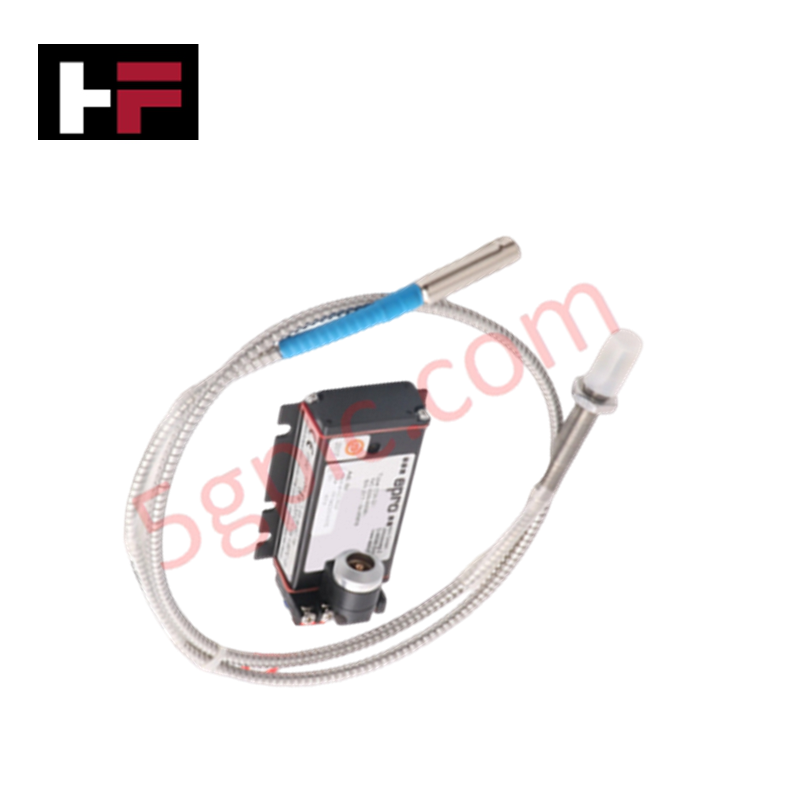
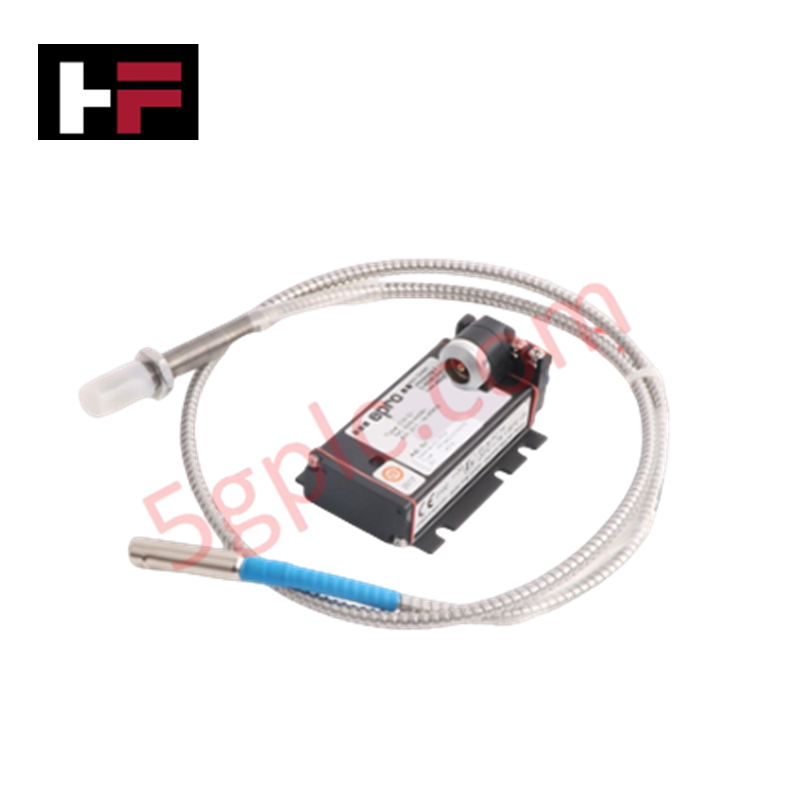
The Epro PR9350/02, also cataloged as the PR9350/02 Linear Displacement Transducer, operates as a dedicated hardware component for precise mechanical position sensing within industrial monitoring platforms.
Hardware Specifications
| Parameter | Specification |
|---|---|
| Model | PR9350/02 |
| Brand | Epro |
| Origin | USA |
| Weight | 0.4 kg |
| Dimensions | 17 cm x 8 cm x 23.5 cm |
| Operating Temp | Standard industrial range |
| Power Consumption | Not specified |
Mechanical Monitoring and TSI Characteristics
The PR9350/02 utilizes a rod-based or core-displacement mechanism to convert linear mechanical motion into an electrical signal. Accurate measurement requires precise eddy-current probe scaling or transducer calibration to ensure the output voltage corresponds linearly to the physical stroke of the measured component. Operators should verify gap voltage validation against manufacturer-defined -10 VDC targets to ensure operation within the nominal linear range of the transducer. The device facilitates rotor dynamics analysis by providing continuous, high-resolution position data, while internal shielding minimizes signal cross-talk in multi-transducer rack environments.
Frequently Asked Questions
Q: Does the transducer support outdoor environmental exposure?
A: The transducer housing is designed for industrial enclosures. If used in uncontrolled environments, ensure the connector and rod assembly are protected from direct moisture and particulate ingress to prevent mechanical seizure.
Q: How is the zero-position defined for this transducer?
A: Zero-position is typically defined by the mechanical limit or a factory-calibrated mid-point. Confirm the specific electrical zero-point output value as specified in the system integration manual prior to commissioning the sensor into a closed-loop control system.
Field Installation Guidelines
- Mount the transducer body securely to a vibration-free reference bracket to prevent mechanical resonance from affecting the displacement reading.
- Align the transducer rod coaxially with the target motion axis to avoid lateral force loading, which can cause internal wear or sticking.
- Ensure the mechanical coupling to the target is free of backlash to maintain the specified measurement accuracy.
- Route the signal cable away from high-power cabling or variable frequency drives to prevent inductive noise injection into the low-level displacement signal.
- Ground the cable shield at the monitoring system chassis terminal to establish a common potential reference and improve signal stability.
Additional Information
- 100% Genuine Parts: All products are original and authentic, ensuring reliable industrial performance.
- 30-Day Refund Guarantee: Return any in-stock item within 30 days in original, unopened packaging for a full refund (excluding shipping and fees).
- 12-Month Warranty: Covers defects in materials or workmanship; excludes misuse, normal wear, or unauthorized modifications.
- Worldwide Shipping: We ship via USPS, UPS, FedEx, and DHL. Delivery times vary by country and may be subject to customs or import fees.
- Support & Contact: Technical and warranty assistance is available anytime. Contact us here: Contact.
- Purchase Guidance: Check product specifications and compatibility carefully before ordering to ensure proper application.




Tech & Buying Guide

Demystifying the DDE Protocol in Legacy Industrial Automation Systems
Modern control systems rely heavily on seamless interprocess communication to exchange operational data between software programs. Microsoft first introduced the Dynamic Data Exchange (DDE) protocol in 1987 to enable real-time data sharing. In factory automation, DDE served as an early bridge between control software and Windows desktop applications. Therefore, understanding DDE mechanics provides crucial insights into how legacy industrial networks established software-level connectivity.

Demystifying CPU Communication Ports in Siemens PLC Architectures
Industrial automation relies heavily on robust data exchange between devices. Without seamless connectivity, field instruments, network switches, human-machine interfaces, and programmable logic controllers cannot coordinate effectively. Therefore, understanding the various CPU communication ports available in Siemens hardware ensures efficient factory automation design and seamless system integration.

Mastering the Siemens PLC Scan Cycle: How the CPU Executes Automation Programs
Industrial automation relies heavily on programmable logic controllers (PLCs) to manage complex manufacturing processes. Many engineers dive straight into programming without mastering the underlying architecture. However, understanding how a PLC CPU executes a program ensures reliable system design. Therefore, mastering the scan cycle optimizes both performance and troubleshooting in modern control systems.