
Product Details
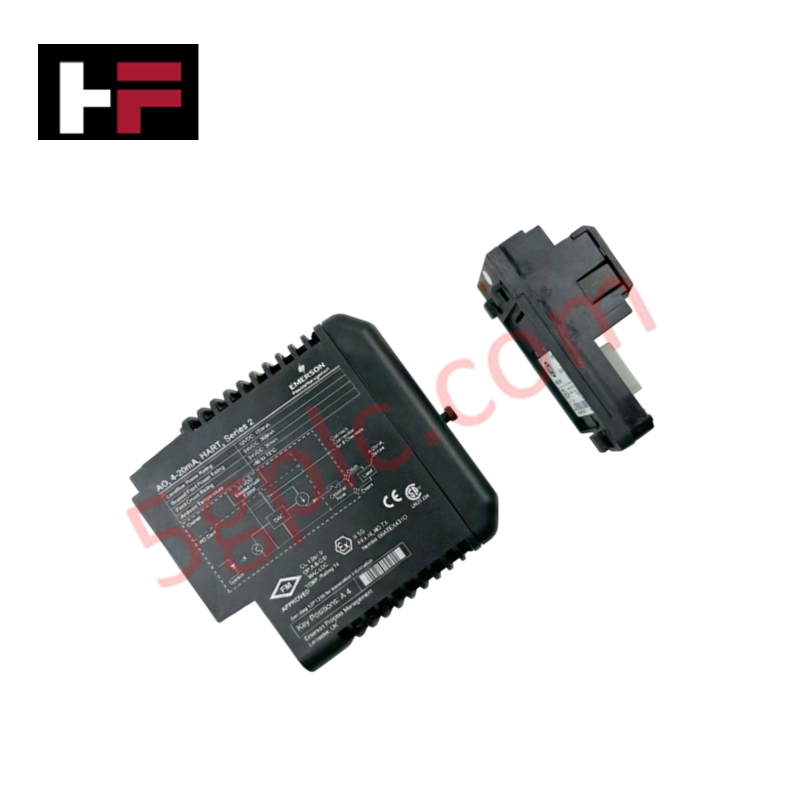
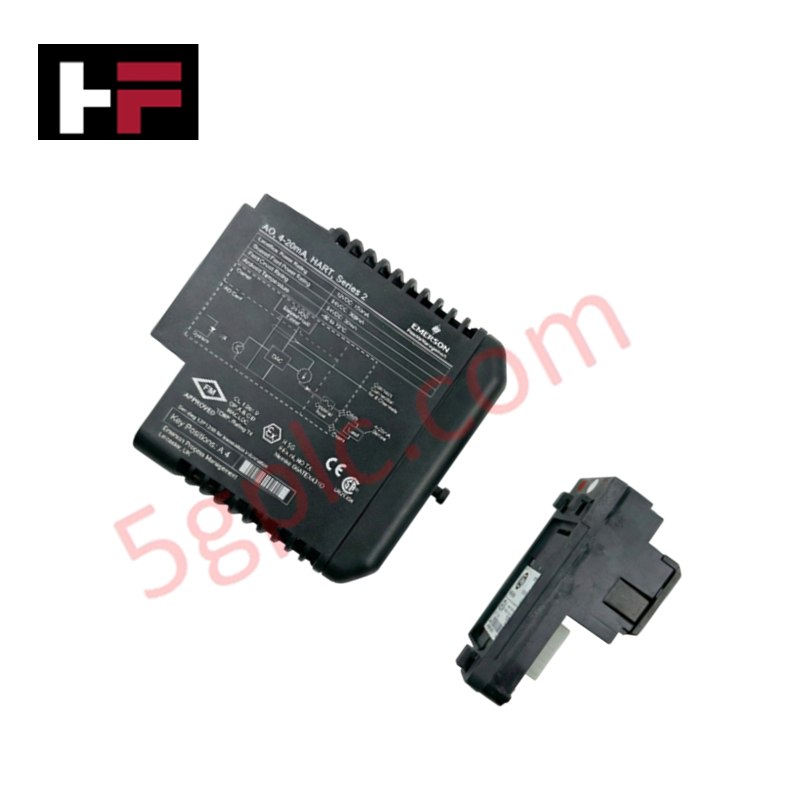
Configured for analog signal field termination in DeltaV automation networks, the Emerson VE4003S2B1 (VE4003S2B1 Standard I/O Termination Block) provides direct physical/electrical execution of 8-channel 4-20 mA HART signal interface connectivity.
Hardware Specifications
| Parameter | Specification |
| Model | VE4003S2B1 |
| Brand | Emerson |
| Origin | USA |
| Weight | 1.5 kg |
| Dimensions | 10.7 cm x 4.1 cm x 10.5 cm |
| Operating Temp | -40 deg C to 70 deg C |
| Power Consumption | Passive termination |
| Channel Count | 8 channels |
| Signal Compatibility | 4-20 mA HART |
Process Control: 4-20 mA HART Loop Protocol
The VE4003S2B1 serves as a passive interface block designed to maintain signal integrity for 4-20 mA HART instrumentation loops. The termination architecture supports bi-directional HART communication, allowing for device configuration, calibration, and diagnostic data retrieval without interrupting the primary process variable transmission. Each of the 8 channels is structured to minimize series resistance, ensuring optimal loop impedance for long-distance field transmitter integration. The block is treated with ISA-S71.04-1985 Class G3 conformal coating to prevent corrosive degradation of terminal contacts in harsh industrial environments.
Frequently Asked Questions (FAQ)
Q: Does the VE4003S2B1 provide active power to the field devices?
A: The VE4003S2B1 is a passive termination block. It does not provide active loop power to the field instrumentation; power must be supplied via the associated I/O card or an external loop power source.
Q: Is this termination block suitable for use in high-vibration environments?
A: Yes. The unit is rated for 10 g, 1/2-sine wave shock for 11 ms, making it suitable for standard industrial cabinets. Ensure all terminal screws are tightened to the specified torque to prevent contact loosening due to mechanical vibration.
Field Installation Guidelines
-
Mounting: Secure the termination block to the I/O rail. Ensure sufficient clearance is maintained for cable bend radii, particularly when utilizing shielded multi-pair instrumentation cable.
-
Shielding: Terminate cable shields at the designated ground terminals on the block or the adjacent cabinet grounding bar. Consistent shield termination is required to maintain the immunity of the HART signal against electromagnetic interference.
-
Wiring: Use 0.5 mm to 2.5 mm squared conductor sizes for field connections. Ensure that individual loop polarity is verified before final termination to prevent signal inversion or damage to the connected transmitter.
-
Environmental: While rated for Class G3 contaminants, verify that cabinet door seals are intact to maintain the IP 20 protection rating and prevent ingress of conductive dust or moisture.
Additional Information
- 100% Genuine Parts: All products are original and authentic, ensuring reliable industrial performance.
- 30-Day Refund Guarantee: Return any in-stock item within 30 days in original, unopened packaging for a full refund (excluding shipping and fees).
- 12-Month Warranty: Covers defects in materials or workmanship; excludes misuse, normal wear, or unauthorized modifications.
- Worldwide Shipping: We ship via USPS, UPS, FedEx, and DHL. Delivery times vary by country and may be subject to customs or import fees.
- Support & Contact: Technical and warranty assistance is available anytime. Contact us here: Contact.
- Purchase Guidance: Check product specifications and compatibility carefully before ordering to ensure proper application.




Tech & Buying Guide

Voice-Activated Industrial Automation: Integrating Speech Control into PLC and DCS Architectures
Industrial automation integrates speech recognition, IIoT protocols, and NLP with PLCs and DCS to streamline operations. By leveraging advanced edge computing, engineers enable real-time, hands-free control—allowing personnel to manage smart factory processes safely away from hazardous equipment.
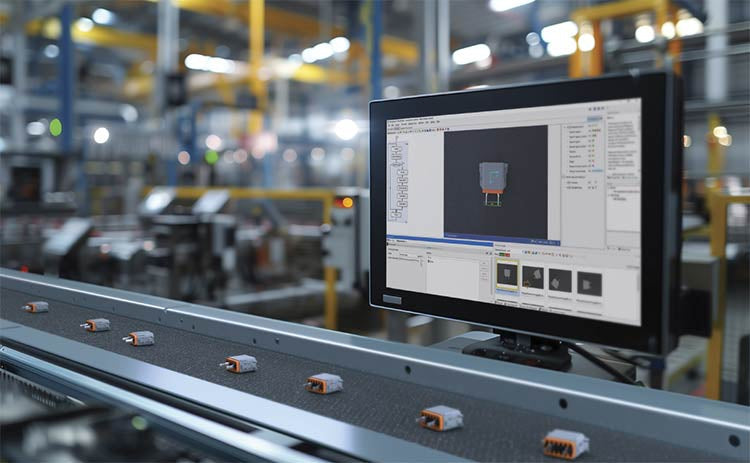
Modern Industrial Automation: Transforming Safety and Efficiency in Mining Operations
Industrial automation has evolved from a simple manufacturing tool into the operational backbone of high-risk sectors. Modern mining operations increasingly rely on advanced control systems, programmable logic controllers (PLCs), distributed control systems (DCS), and artificial intelligence to address deep-underground hazards. By replacing manual labor in high-risk zones, factory automation technologies protect personnel while significantly boosting operational throughput.