












Product Details
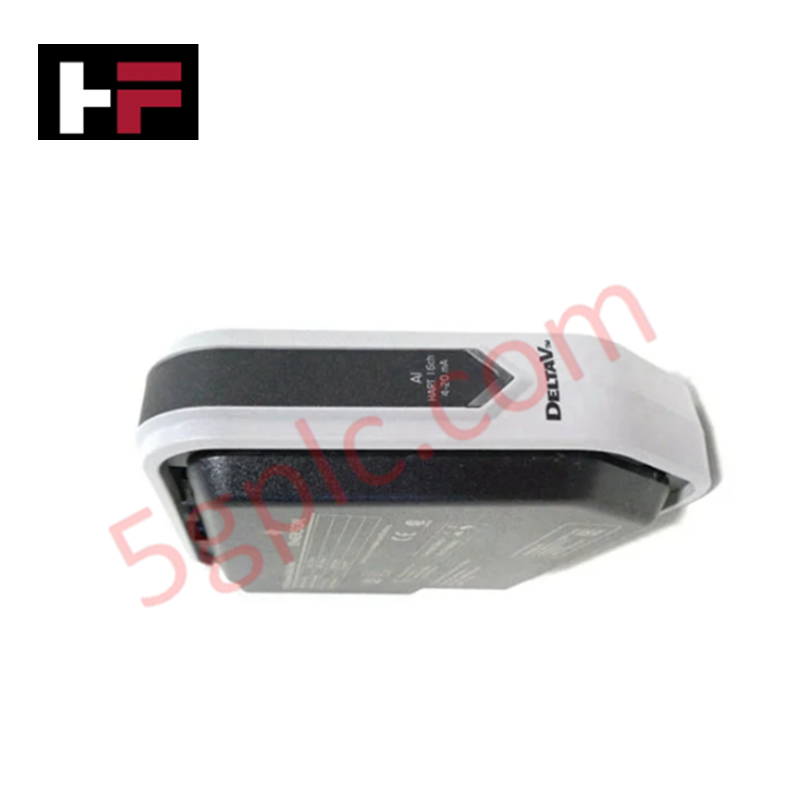
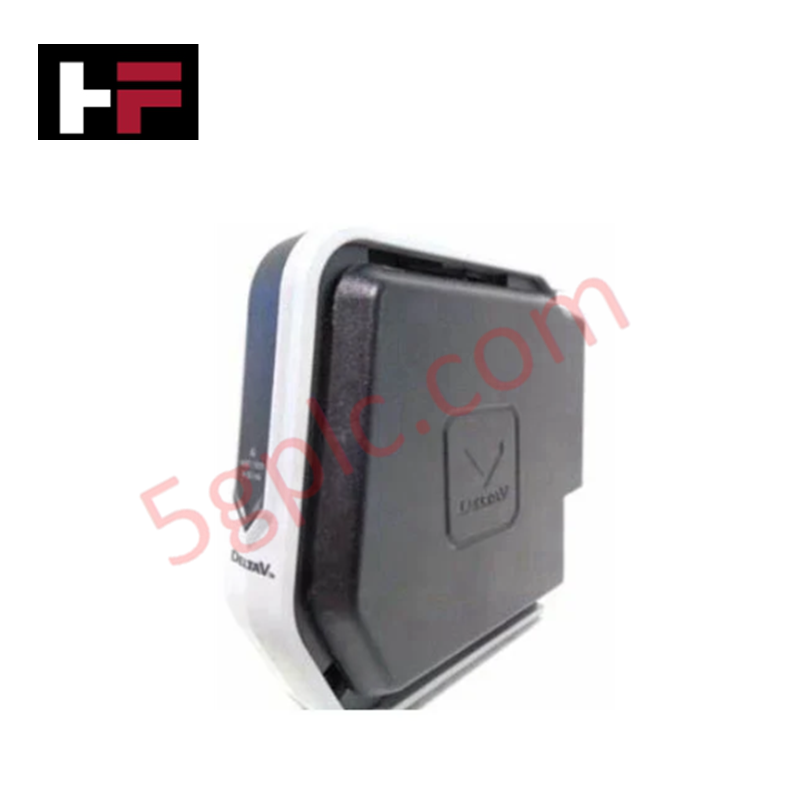
The Emerson KJ1501X1-BK1, also cataloged as the KJ1501X1-BK1 System DC Power Supply, operates as a dedicated hardware component for localized voltage regulation within DeltaV S-Series controller subsystems. This unit accepts bulk direct current distribution inputs and transforms them into stable, segmented multi-rail outputs required to energize backplane processing logic and interface circuits across the local area platform.
Hardware Specifications
| Parameter | Specification |
| Model | KJ1501X1-BK1 (Compatible with KJ1501X1-BK2) |
| Brand | Emerson |
| Origin | USA |
| Weight | 0.45 kg |
| Dimensions | Standard S-Series power module footprint slot width |
| Operating Temp | -40 deg C to +60 deg C (extended operational up to +70 deg C) |
| Power Consumption | 24 VDC at 4.5 A (Input Rating) |
| Output Rails | 5.1 VDC at 2.0 A, 3.4 VDC at 2.0 A, 12 VDC at 8.0 A, 12 VDC at 6.0 A |
| Combined Output Power | 10.2 W maximum combined from +5.1 VDC and +3.4 VDC rails |
| Shock Resistance | 10g 1/2 sine wave for 11 ms |
| Vibration Resistance | 1 mm peak-to-peak from 2 to 13.2 Hz; 0.7g from 13.2 to 150 Hz |
| Airborne Contaminants | ISA-S71.04-1985 Class G3 compliance |
| Relative Humidity | 5% to 95% non-condensing |
Channel-To-Channel Isolation and DCS Synchronization
Mechanical execution of this S-Series hardware configuration relies on distinct physical layer design principles to ensure uncompromised loop performance. The internal architecture utilizes continuous channel-to-channel isolation techniques on the secondary side to keep output regulation paths independent. This galvanic segregation limits low-frequency noise coupling and prevents input line fluctuations from affecting the backplane communication rails. It maintains synchronization across parallel operational modules without inducing voltage sag or cross-talk across the 24 VDC field circuit loops.
Frequently Asked Questions
Q: Does this power supply module support online hot-swap exchange when the carrier backplane is energized?
A: Yes. The hardware configuration enables real-time hot-swap procedures while active. Internal power sequencing and isolation circuitry suppress lines surges, preventing voltage dips on the backplane communication bus that could trigger adjacent controller resets.
Q: How do the +3.4 VDC and +12 VDC output channels adapt to high ambient temperatures?
A: The +3.4 VDC rail maintains a continuous 2.0 A capacity up to +60 deg C. The dual +12 VDC rails supply up to 8.0 A and 6.0 A respectively across the complete -40 deg C to +70 deg C hardware operating specification under continuous thermal load.
Field Installation Guidelines
-
Carrier Baseplate Alignment: Position the module hooks into the designated slots of the S-Series power carrier assembly. Press the component perpendicularly onto the backplane connectors until the mechanical retention latch engages completely.
-
Input Cable Termination: Terminate the incoming 24 VDC supply conductors using certified pressure-clamp connections. Ensure all terminal connection points are torqued down to factory specifications to minimize contact resistance and local heating.
-
Shield Ground Maintenance: Terminate all external supply ground lines and shield runs at the main cabinet common ground bar. Single-point grounding must be verified to prevent circulating current loops from interfering with low-voltage logic paths.
-
Thermal Management Clearances: Ensure the ventilation slots on the module chassis remain unblocked. When deploying in environments with Class G3 contaminants, maintain sealed cabinet parameters with positive-pressure air circulation to prevent airborne tracking breakdown.
Additional Information
- 100% Genuine Parts: All products are original and authentic, ensuring reliable industrial performance.
- 30-Day Refund Guarantee: Return any in-stock item within 30 days in original, unopened packaging for a full refund (excluding shipping and fees).
- 12-Month Warranty: Covers defects in materials or workmanship; excludes misuse, normal wear, or unauthorized modifications.
- Worldwide Shipping: We ship via USPS, UPS, FedEx, and DHL. Delivery times vary by country and may be subject to customs or import fees.
- Support & Contact: Technical and warranty assistance is available anytime. Contact us here: Contact.
- Purchase Guidance: Check product specifications and compatibility carefully before ordering to ensure proper application.
Tech & Buying Guide
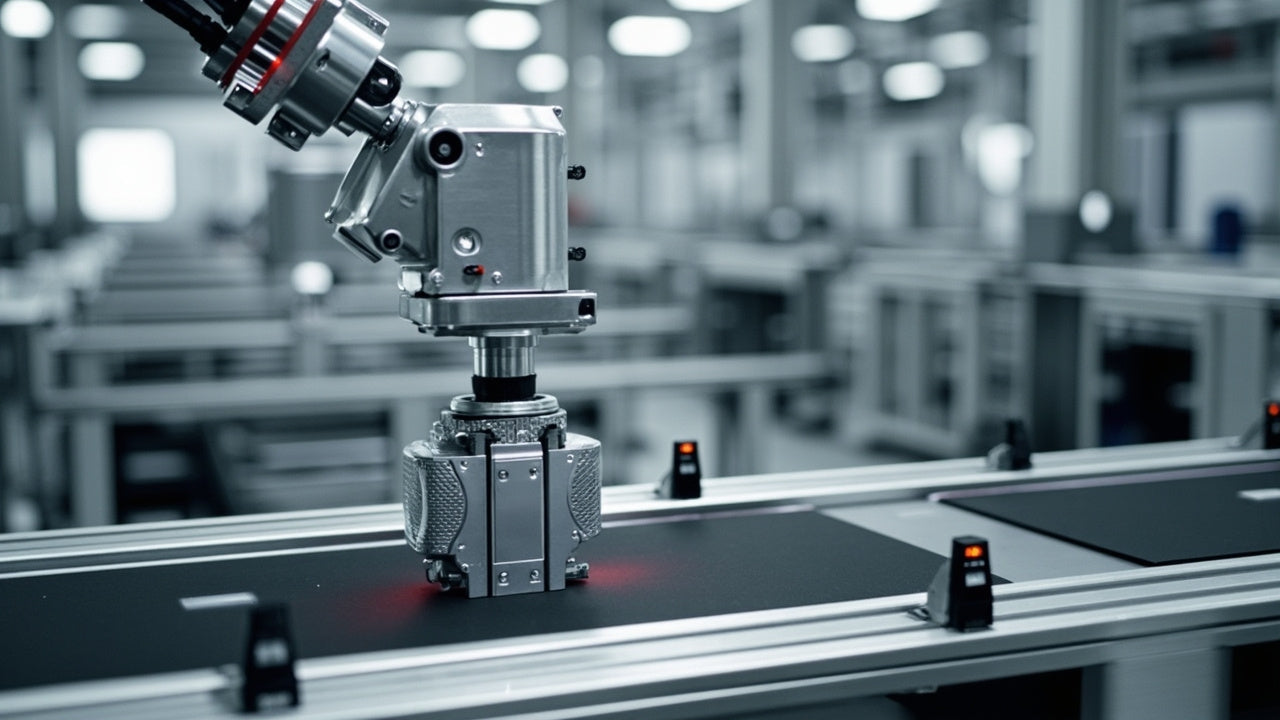
Essential Motion Control Commands: A Practical Guide for Engineers
Automation engineers often rely on precise position and speed control to drive modern factory machinery. Modern industrial systems, such as Programmable Logic Controllers (PLCs) and Distributed Control Systems (DCS), depend heavily on standardized motion instructions. Mastering these commands ensures operational safety, protects mechanical components, and optimizes cycle times across production lines.

The Role of Intrinsic Safety Barriers in PLC and DCS Architectures
Implementing robust protection in hazardous industrial environments represents a fundamental safety requirement in factory automation. Process facilities often handle volatile gases, dusts, and chemical agents that pose significant combustion risks. Consequently, control system engineers must deploy energy-limiting interfaces to isolate safe-area control cabinets from hazardous-area field instrumentation. This article examines the function, selection, and electrical principles of intrinsic safety barriers within modern PLC and DCS networks.

Architectural Selection and Scale Classification of PLC Systems in Industrial Automation
Selecting the correct control platform represents a foundational engineering decision in factory automation. System designers must carefully balance technical parameters against long-term operational requirements when implementing a Programmable Logic Controller (PLC). This article examines the critical evaluation metrics, physical scale classifications, and operational architectures of modern control systems.